Tag

Wildlife Disease

All articles tagged with #wildlife disease

Bird Flu Reaches California’s Northern Elephant Seals
environment3 hours ago

Bird Flu Reaches California’s Northern Elephant Seals

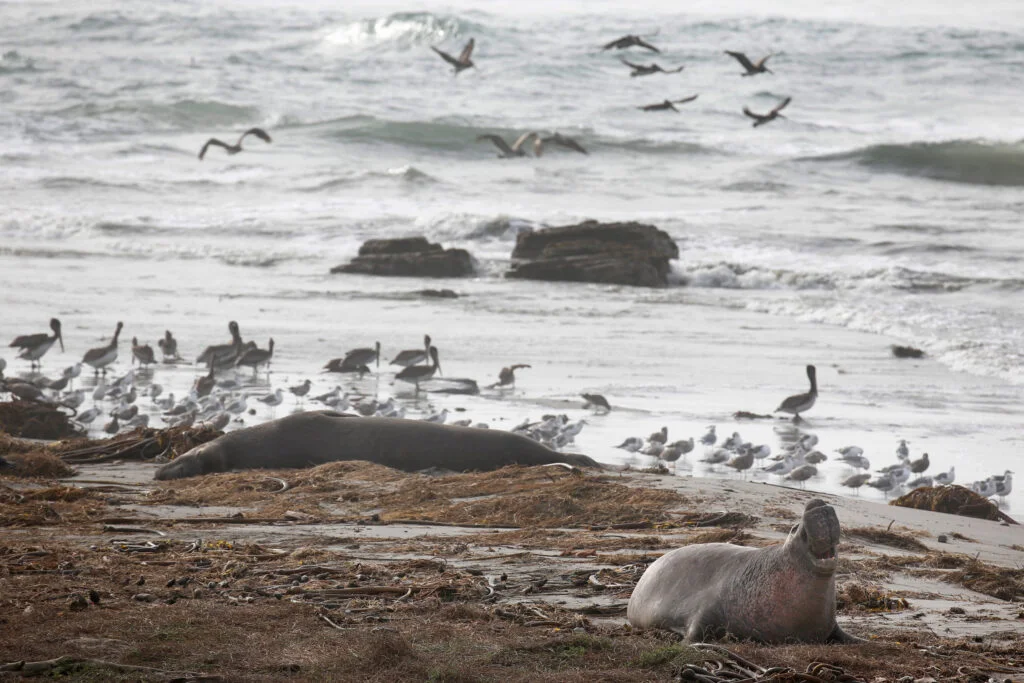
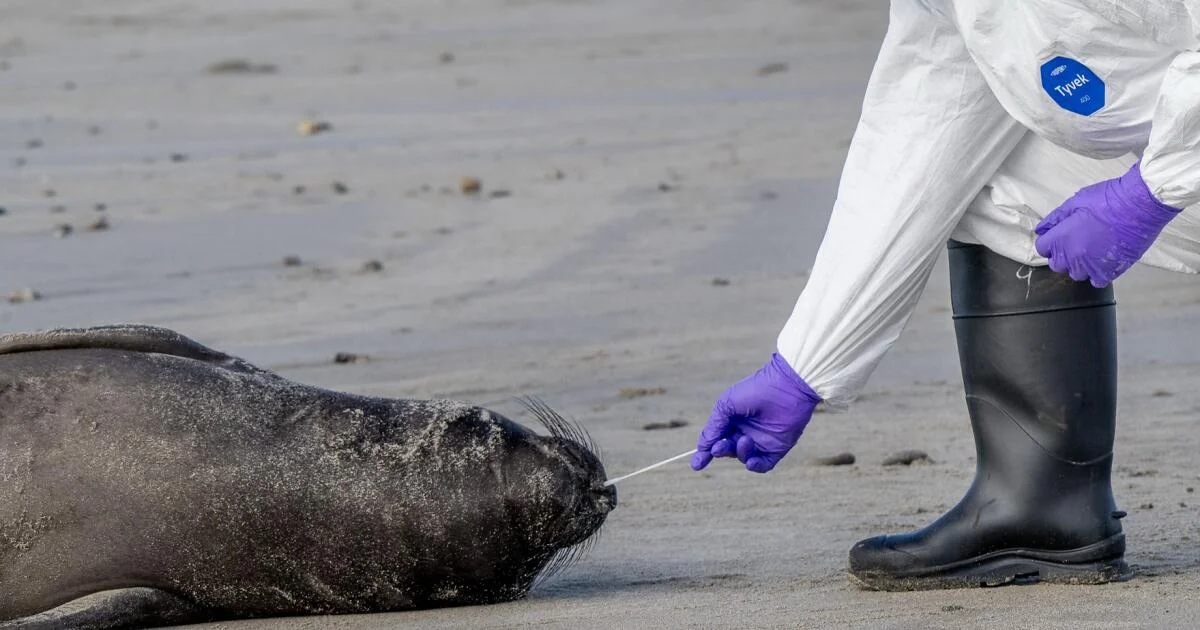
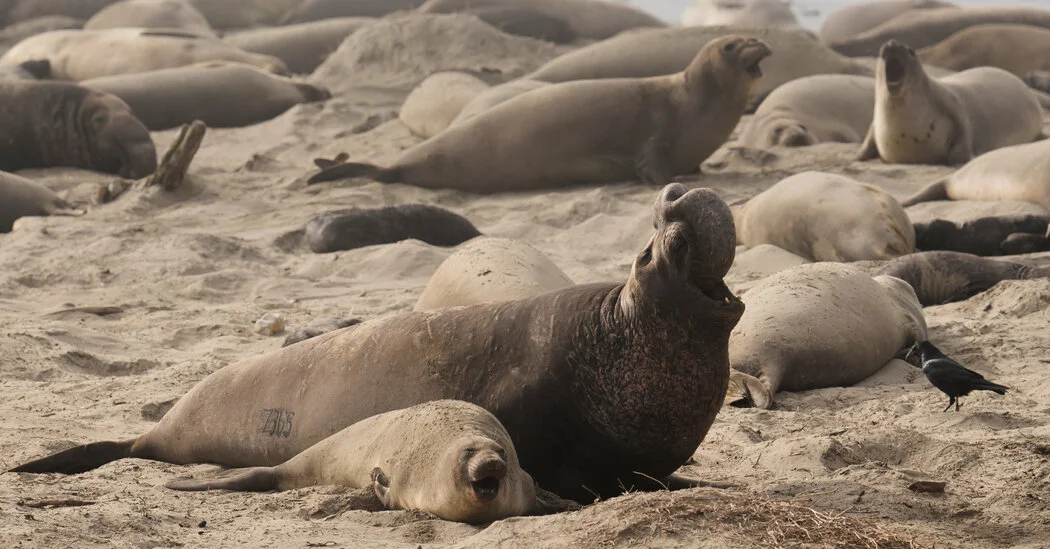
Seven newly weaned northern elephant seal pups at Año Nuevo in California tested positive for highly pathogenic avian influenza (H5N1), marking the first confirmed cases in the state’s elephant seals amid a global surge. Public risk remains low, but authorities are intensifying surveillance, closing seal-viewing areas, and coordinating across agencies to track spread and origins. The outbreak echoes 2023’s severe die-off among southern elephant seals in Argentina and underscores how climate change and migratory shifts can facilitate cross-species transmission, with potential long-term impacts on marine mammal populations and broader ecosystems.
New H5N1 Outbreak Reaches California Elephant Seals at Año Nuevo
science6 days ago

New H5N1 Outbreak Reaches California Elephant Seals at Año Nuevo

Researchers confirm H5N1 bird flu in California elephant seals at Año Nuevo, marking the first known infection in the state’s elephant seals; seven of the dead pups tested positive as part of ongoing surveillance that has counted about 30 seal deaths since the outbreak began. Officials say the outbreak likely stems from sick seabirds, with mammal-to-mammal transmission under investigation; the park remains closed and beachgoers are urged to avoid wildlife.

H5N1 bird flu detected in gentoo penguins on Australia’s Heard Island
environment13 days ago

H5N1 bird flu detected in gentoo penguins on Australia’s Heard Island

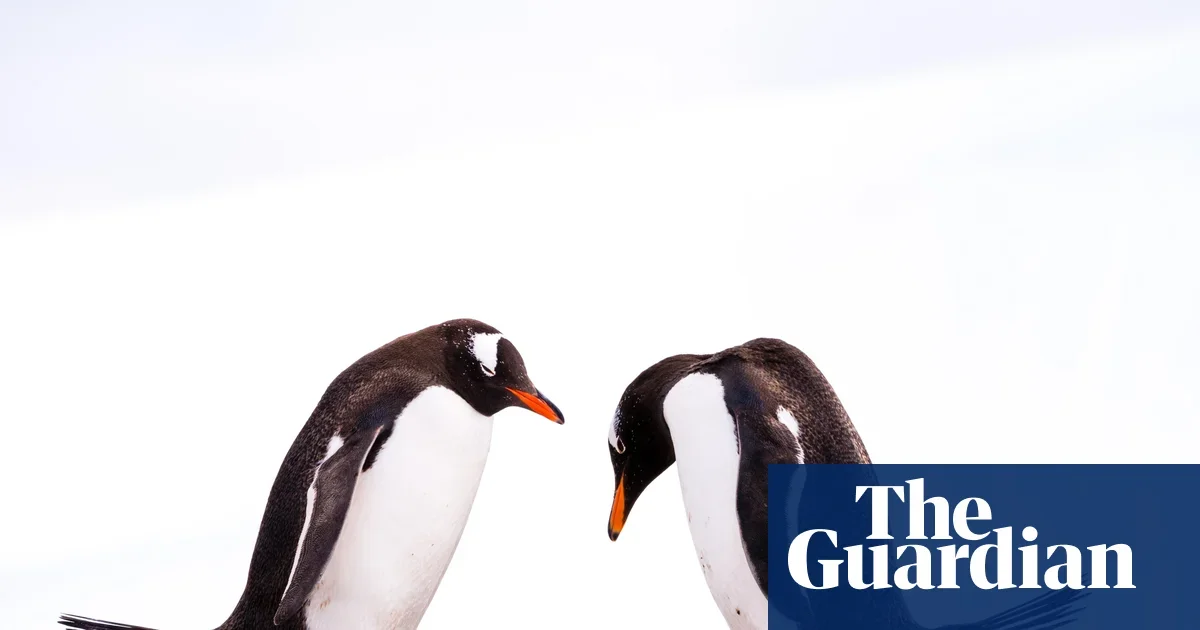
The gentoo penguin on Heard Island is the first bird on an Australian territory to test positive for H5N1 bird flu, after earlier detections in southern elephant seals; while Australia says it remains free of H5N1 and ongoing detections do not greatly raise immediate risk, experts warn the virus poses a serious threat to wildlife and stress the need for heightened surveillance and preparedness as H5N1 continues to spread across sub-Antarctic islands.

Unusual Horned and Tentacled Rabbits Spotted Across the US
science6 months ago

Unusual Horned and Tentacled Rabbits Spotted Across the US

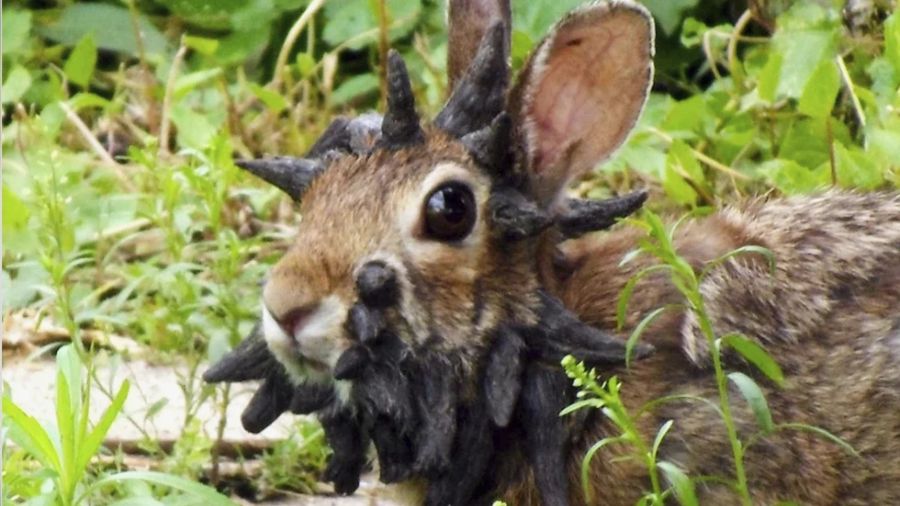
Rabbits with hornlike growths caused by the Shope papillomavirus have been spotted in northern Wisconsin, sparking viral photos and internet interest. The virus is mostly benign, transmitted through skin contact and insects, and is not a threat to humans. An increase in sightings may be linked to warmer weather and insect activity, but climate change's role remains unproven. Experts advise caution when handling sick wildlife.

Viral Surge of Mutant and 'Zombie' Animals Sparks Curiosity Across the US
science6 months ago

Viral Surge of Mutant and 'Zombie' Animals Sparks Curiosity Across the US

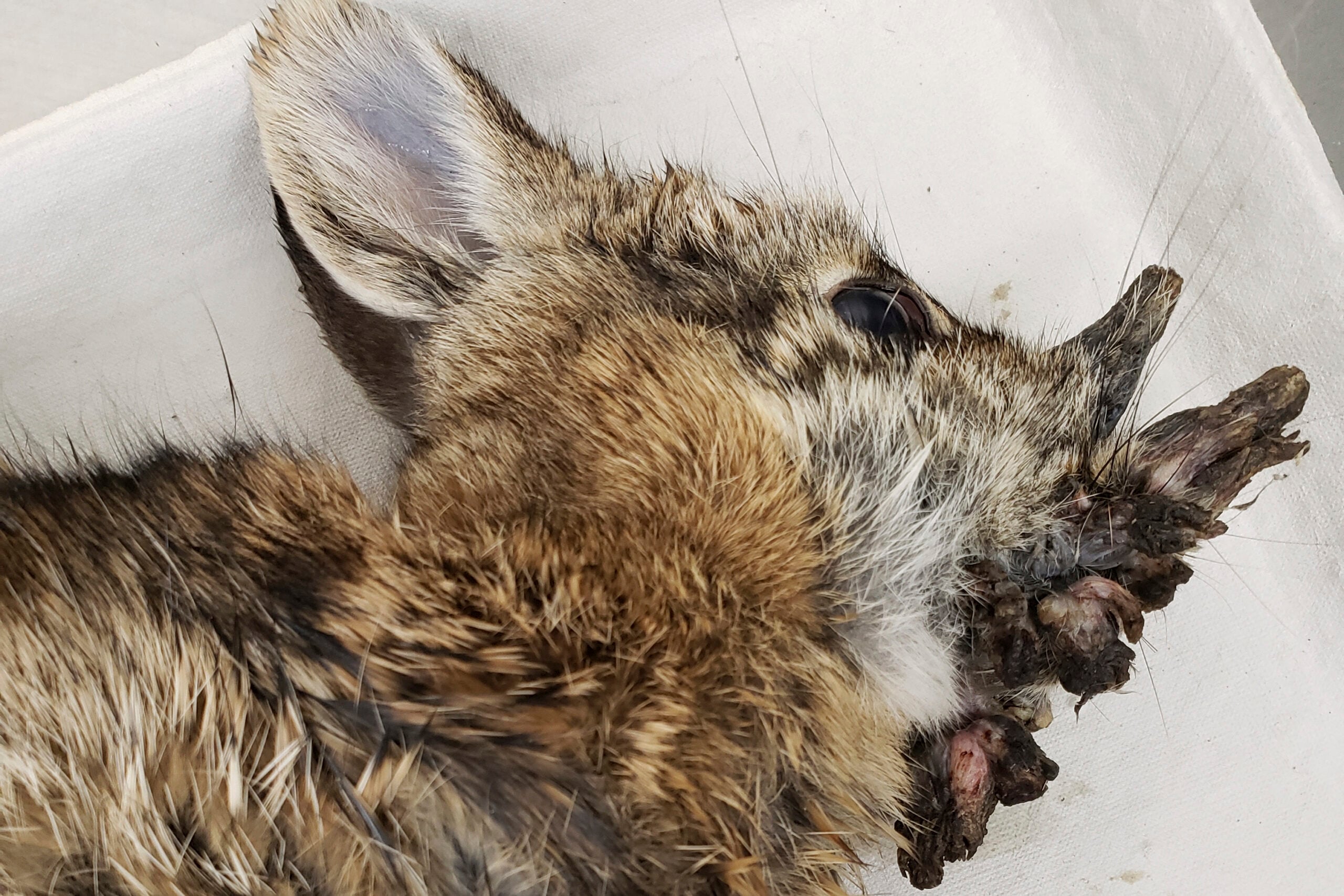
Deer across the US are exhibiting tumor-like growths called deer warts caused by a papillomavirus transmitted mainly through biting insects, which is increasing during late summer and fall. While usually harmless and self-resolving, these growths can sometimes impair the animals' vision or eating ability, but do not pose a risk to humans or other species.

Unusual Rabbit Mutations and the 'Zombie' Disease Phenomenon
health6 months ago

Unusual Rabbit Mutations and the 'Zombie' Disease Phenomenon

A disease caused by Cottontail Rabbit Papillomavirus (CRPV) has been reported in rabbits in Colorado and Washington, giving them a 'zombie-like' appearance with rough, red lesions. The virus is not new, does not harm rabbits unless it interferes with eating, and cannot spread to other species, including pets. It primarily affects wild rabbits and is not a threat to humans or other animals.

Zombie Squirrels with Oozing Wounds Invade US Backyards
health6 months ago

Zombie Squirrels with Oozing Wounds Invade US Backyards

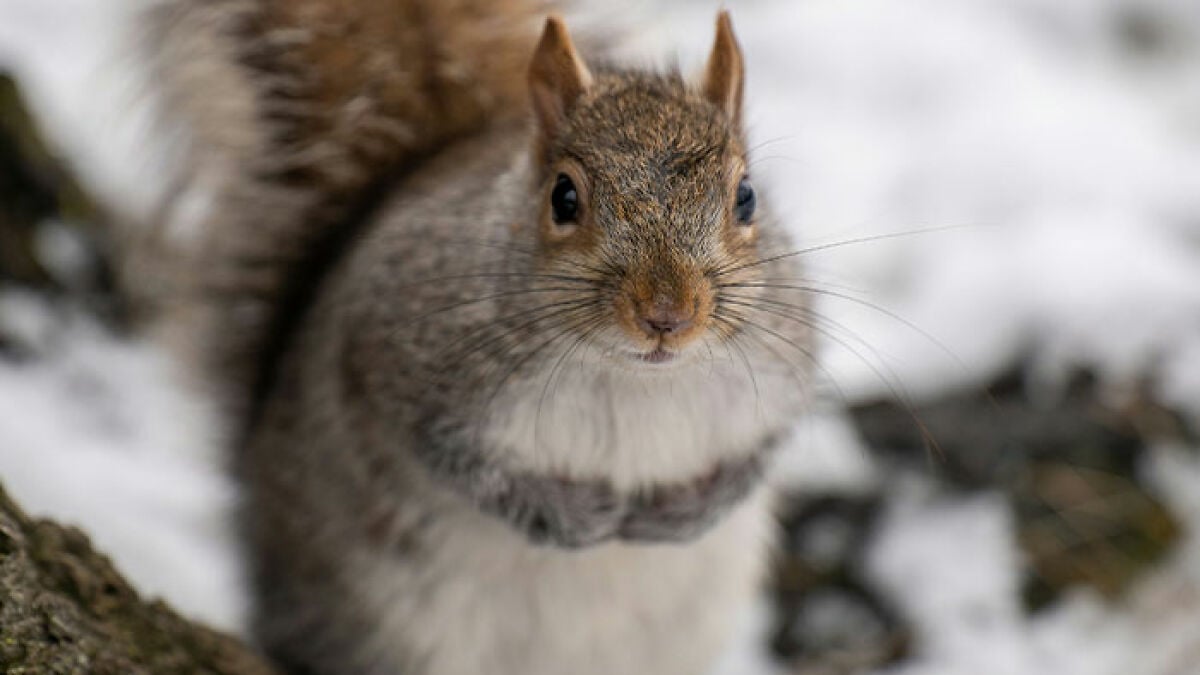
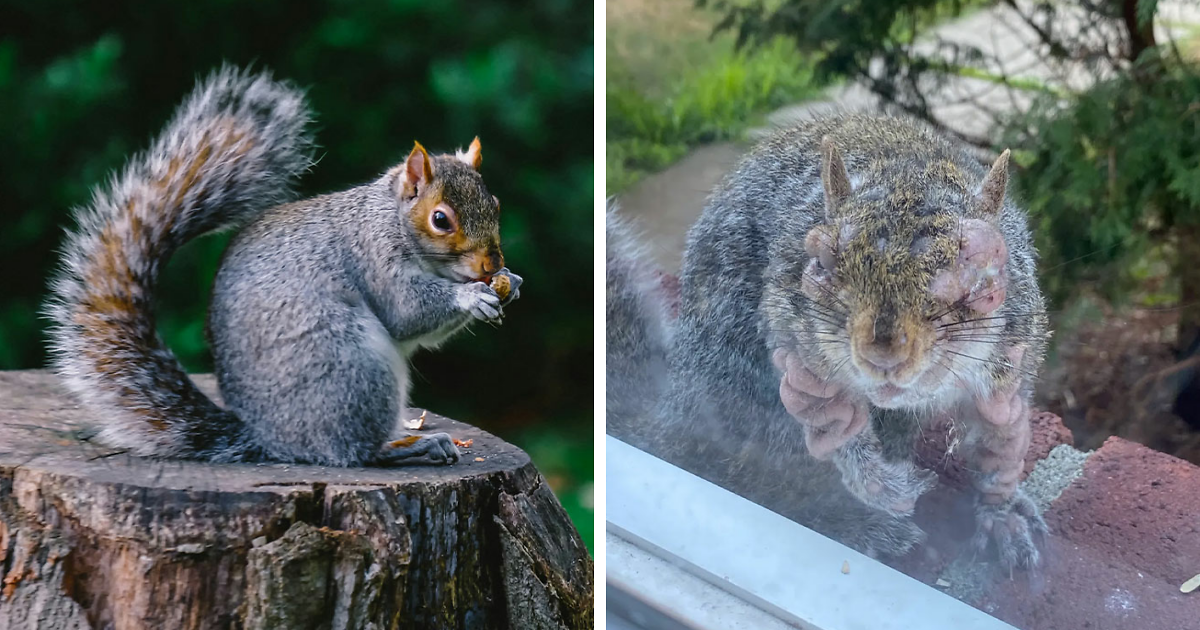
Reports of disfigured squirrels affected by squirrel pox, a viral disease spread mainly through mosquito bites and exacerbated by human feeding practices, have increased in North America. While the condition causes painful tumors and disfigurement, most squirrels recover fully, and the disease is species-specific, posing minimal risk to humans and pets. Experts suggest controlling mosquito breeding and avoiding feeding sick animals to prevent spread.

Zombie Squirrels with Oozing Flesh Terrorize US Backyards
science6 months ago

Zombie Squirrels with Oozing Flesh Terrorize US Backyards

Reports of disfigured squirrels affected by squirrel pox, a virus causing wart-like growths, have increased in North America. Experts suggest the disease spreads mainly through mosquito bites and human feeding practices, though it is generally not fatal and animals often recover. The condition is species-specific, posing minimal risk to humans and pets, but highlights concerns about wildlife health and human impact on animal populations.

"First North American Case of 'Staggering Disease' Found in Colorado Mountain Lion"
health-and-environment1 year ago

"First North American Case of 'Staggering Disease' Found in Colorado Mountain Lion"

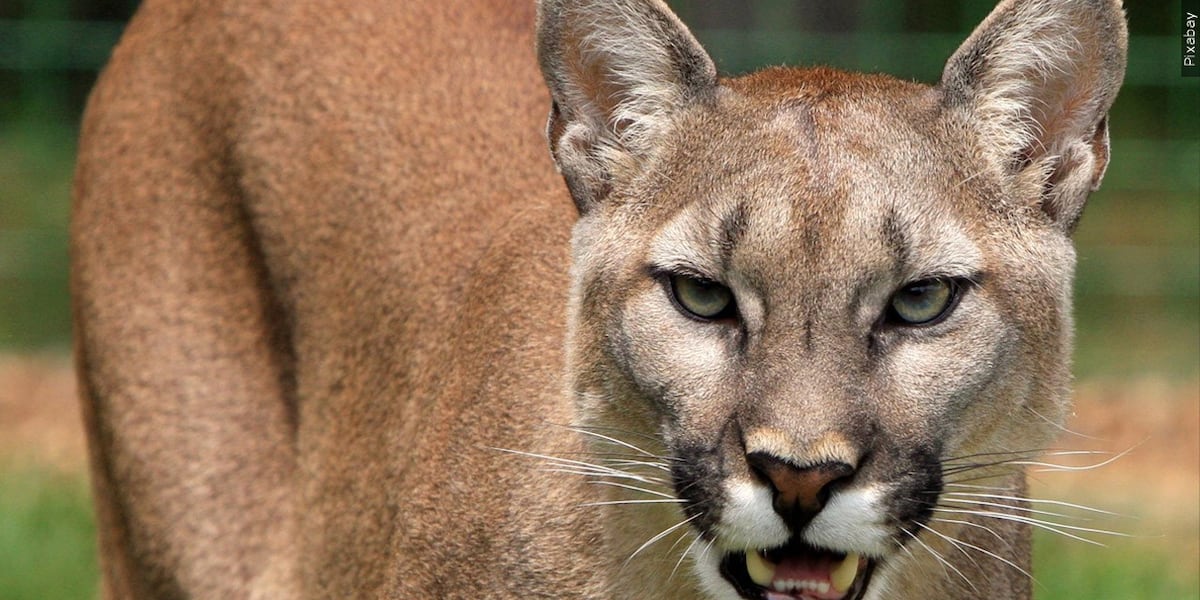
The first case of rustrela virus, or "staggering disease," in North America has been reported in a Colorado mountain lion. The virus, which causes a usually fatal neurologic syndrome, was identified after a sick mountain lion from Douglas County was euthanized and analyzed. Colorado Parks and Wildlife, along with researchers, are now monitoring for further cases and collaborating with European scientists to understand the virus's spread.

"Adenovirus Hemorrhagic Disease Linked to Moose Deaths in Upper Snake Region"
wildlife-conservation1 year ago

"Adenovirus Hemorrhagic Disease Linked to Moose Deaths in Upper Snake Region"

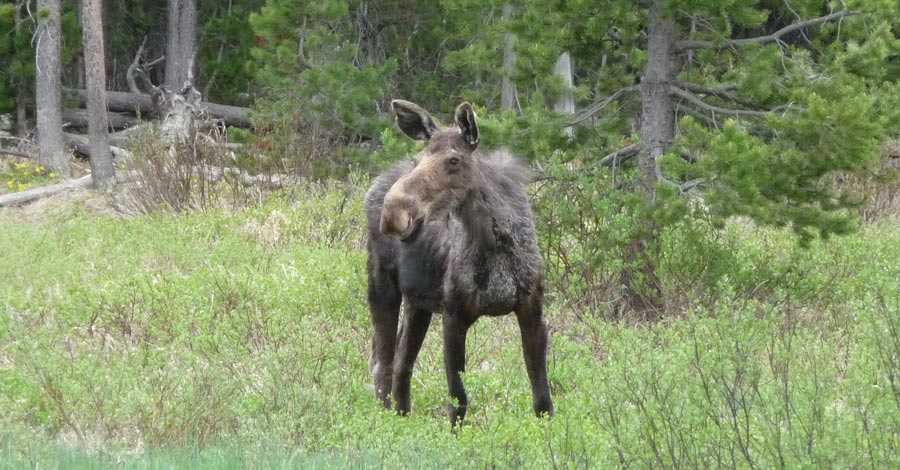
The Idaho Department of Fish and Game suspects Adenovirus Hemorrhagic Disease (AHD) as the cause of recent moose mortalities in the Upper Snake Region, with 16 moose calves, 1 adult moose, and 3 mule deer showing symptoms. AHD, which can infect various deer species, causes internal bleeding and external symptoms such as diarrhea and seizures, with high mortality rates in fawns and calves. There is no treatment for AHD, but IDFG is working to assess the outbreak's extent and remove infected carcasses to prevent further spread, urging the public to report any sick or deceased deer, elk, or moose to aid monitoring efforts.