Costco has recalled its Dubai Style Chocolate due to an allergen labeling error, where gluten was incorrectly listed instead of wheat. The recall affects products sold between May 1 and August 29, but health risks are minimal as gluten is correctly associated with wheat. Consumers with wheat allergies are advised to contact Costco for a refund.
A study highlights how wheat's nutritional value can be enhanced through breeding, growing, and baking techniques, emphasizing the importance of consuming whole grains and using specific baking methods like sourdough to maximize nutrient availability in bread.
Indonesia has proposed to reduce tariffs on US imports to near zero and plans to purchase $500 million worth of US wheat, as part of ongoing trade negotiations, which also include discussions for buying up to 75 Boeing aircraft and seeking lower tariffs on Indonesian exports to the US.
In Palworld, obtaining Wheat Seeds can be done by purchasing them from merchants or by defeating certain Pals like Dinossom, while growing Wheat requires building a Wheat Plantation with Wheat Seeds, Wood, and Stone. Assigning Pals with planting, watering, and gathering skills is necessary, and placing storage or a Feed Box is recommended for transporting grown Wheat.
In Palworld, wheat seeds are essential for making wheat and flour, necessary for breeding Pals and building facilities. Players can obtain wheat seeds by capturing or defeating specific Pals, purchasing them from merchants, or finding them in random chests. Five Pals, including Dinossom and Flopie, drop wheat seeds, and the Wandering Merchant at the Small Settlement sells them for 100 Gold Coins each. Once obtained, players can use wheat seeds to establish a Wheat Plantation and farm wheat consistently by assigning grass and water type Pals to it.
A 623-foot freighter carrying 21,000 tons of wheat to Italy ran aground in the Detroit River outside Belle Isle Anchorage. The United States Coast Guard and a tugboat are at the scene, but no pollution, injuries, or damage have been reported.
Egypt's state grains buyer, the General Authority for Supply Commodities (GASC), has purchased approximately 480,000 metric tons of Russian wheat in a private deal with trading firm Solaris. The purchase was made at a price of around $270 per ton on a cost and freight basis (C&F), lower than prices offered in traditional tenders. Egypt, one of the world's largest wheat importers, has been shifting towards direct purchases due to disruptions caused by the war in Ukraine. The price may be below Russia's unofficial floor price, which aims to control domestic wheat prices. The move comes as Egypt faces a foreign currency crunch and seeks to negotiate better prices during times of uncertainty.
Egypt's state grains buyer, the General Authority for Supply Commodities (GASC), has purchased approximately 480,000 metric tons of Russian wheat in a private deal with trading firm Solaris. The purchase was made at a price of around $270 per ton on a cost and freight basis (C&F), which is lower than prices offered in traditional tenders. Egypt has been shifting towards direct purchases after the war in Ukraine disrupted its buying, and this strategy has allowed the country to negotiate better prices during times of uncertainty.
The soybean and wheat markets closed higher, with corn posting gains, as extended hot weather forecasts raised concerns about crop conditions. Corn closed 6¢ higher, soybean futures were 23-to-26¢ higher, and wheat futures closed 15-to-23¢ higher. The stock market traded on both sides, with the Dow up 43 points, while the US dollar was down 20 points. Livestock futures were higher, with October hogs up $2.97, October cattle up 50¢, and November feeders up $1.22. The grain markets are higher, but off the early day highs, and the weather looks hot and dry through next week.
The suspension of a grain deal between Russia and Ukraine, brokered by the U.N. and Turkey, has raised concerns about rising food prices in lower-income Middle Eastern countries like Egypt, Lebanon, and Pakistan. These countries, already struggling with economic woes, fear that increased food prices could worsen poverty levels and strain government finances. While some have diversified their wheat sources and don't expect shortages, the uncertainty surrounding price hikes could exacerbate hunger. The end of the grain deal also puts pressure on governments to maintain bread subsidies and avoid raising costs for households. Egypt, the world's largest wheat importer, relies heavily on imports from Russia and Ukraine, while Lebanon depends on Ukraine for 90% of its wheat. Pakistan, however, has seen a bumper crop this year despite previous flooding.
The recent rainfall in the US Midwest has provided some relief to the drought conditions, but it may not be enough to reverse the higher trend in corn, soybean, and wheat prices. The US Department of Agriculture has already lowered its yield estimates for these crops, and the market is anticipating further reductions. The ongoing drought and heat stress could continue to impact crop yields and prices in the coming months.
July corn and soy futures closed higher, while wheat futures were mixed. Livestock futures were mostly lower. The USDA is expected to release the latest Crop Progress report, which is projected to show a decline in corn and soybean ratings. Grain and soybean futures started higher but turned lower due to forecasts of increased rainfall across the Midwest next week and technically-driven speculative profit taking.
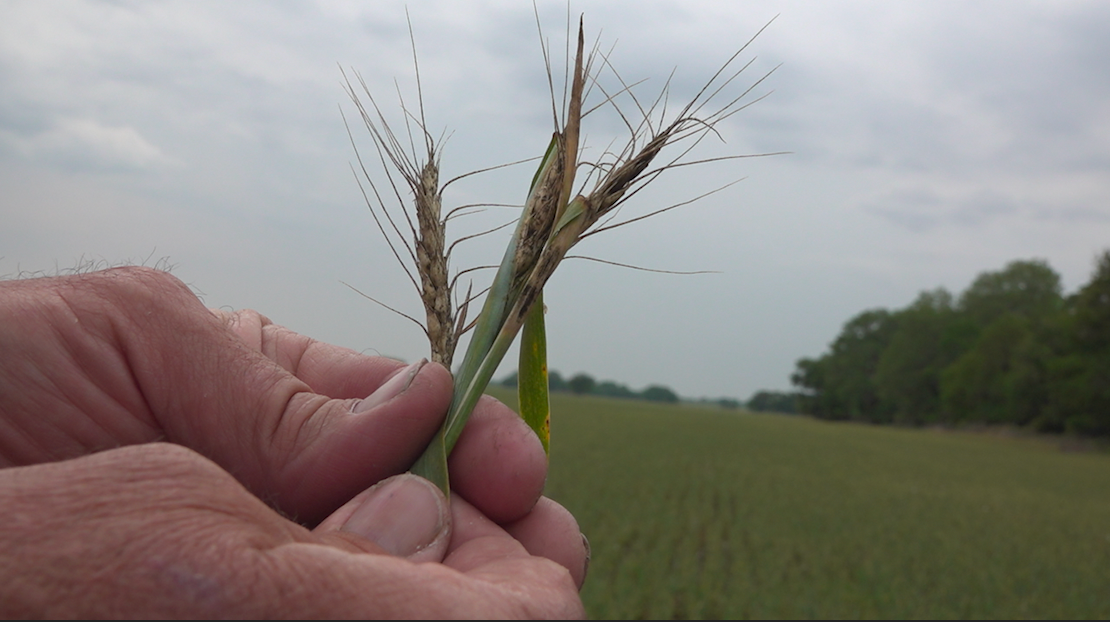
China's largest wheat-growing province of Henan is expected to be hit by more rain in coming days, complicating efforts to harvest grain already damaged by wetter than normal weather in late May. The rains have caused some grain to sprout or be hit by blight. Around 30 million tonnes of wheat will be impacted by the rain, with between 10 million and 20 million tonnes likely to have sprouted, meaning it is unfit for human consumption. The agriculture ministry this week urged local authorities to dispatch emergency teams to drain water from fields, speed up access by harvesters and mobilise drying machinery to save as much of the crop as possible.
China's agriculture ministry is urging local authorities to speed up the harvesting and drying of damaged wheat after heavy rain flooded fields of ripe wheat in the country's most important growing region. The ministry advised authorities to send emergency teams to drain water from fields, speed up access by harvesters, and mobilize drying machinery to save as much of the crop as possible. Some wheat in southern Henan has sprouted after the rain, making it unfit for consumption, and the rain is also leading to blight in some areas.
Kansas farmers are facing a devastating wheat harvest due to a relentless drought that has caused scorching temperatures, parched soil, and low water supplies. Experts predict a major drop in wheat production this year, with farmers expected to produce just 191.4 million bushels of wheat, the smallest since 1963. Some farmers are intentionally killing their crops since they can get more from insurance than they can from selling them. Kansas farmers are expected to abandon about 19% of acres planted last autumn.