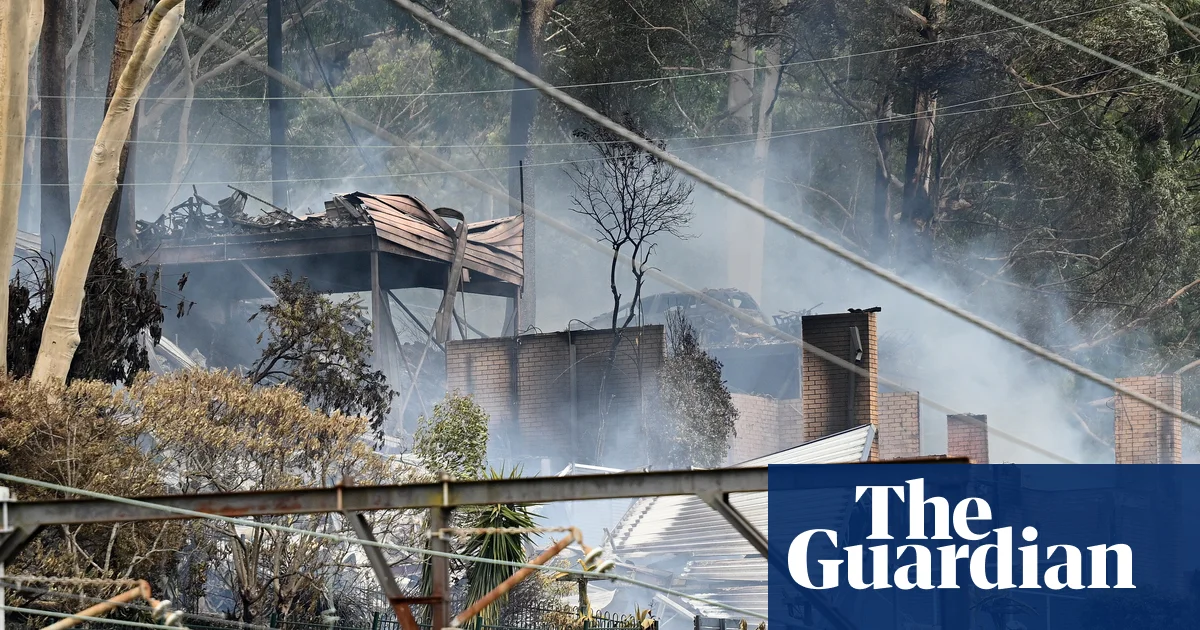
Extreme weather events including bushfires and heatwaves are impacting Australia, Brazil, and California, with record-breaking temperatures, power outages, and unusual fog conditions, while Storm Emilia brings heavy rain and snow to the Canary Islands, indicating widespread climate-related disruptions.
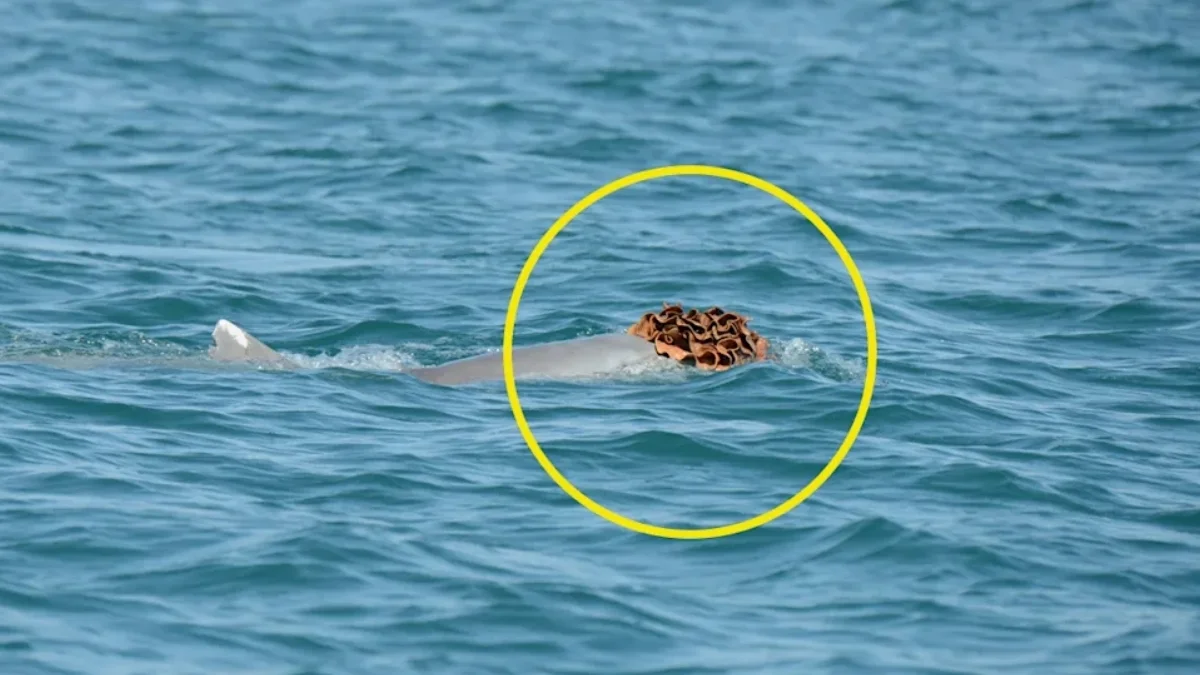
Australian humpback dolphins are observed wearing sea sponge hats as a courtship display to attract females, a behavior unique to certain regions in Western Australia, highlighting intriguing animal mating rituals.
Police in Western Australia are searching for 26-year-old German woman Carolina Wilga, who went missing after last being seen in Beacon; her van was found abandoned with mechanical issues near Karroun Hill, prompting a large-scale investigation into her whereabouts.
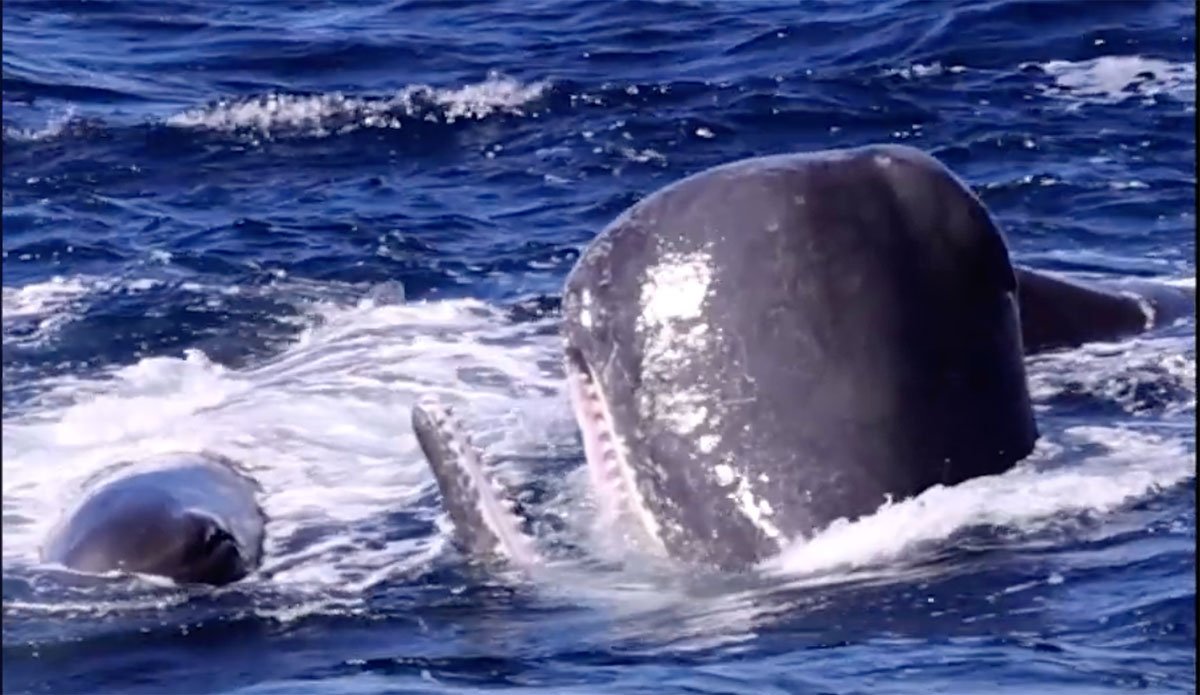
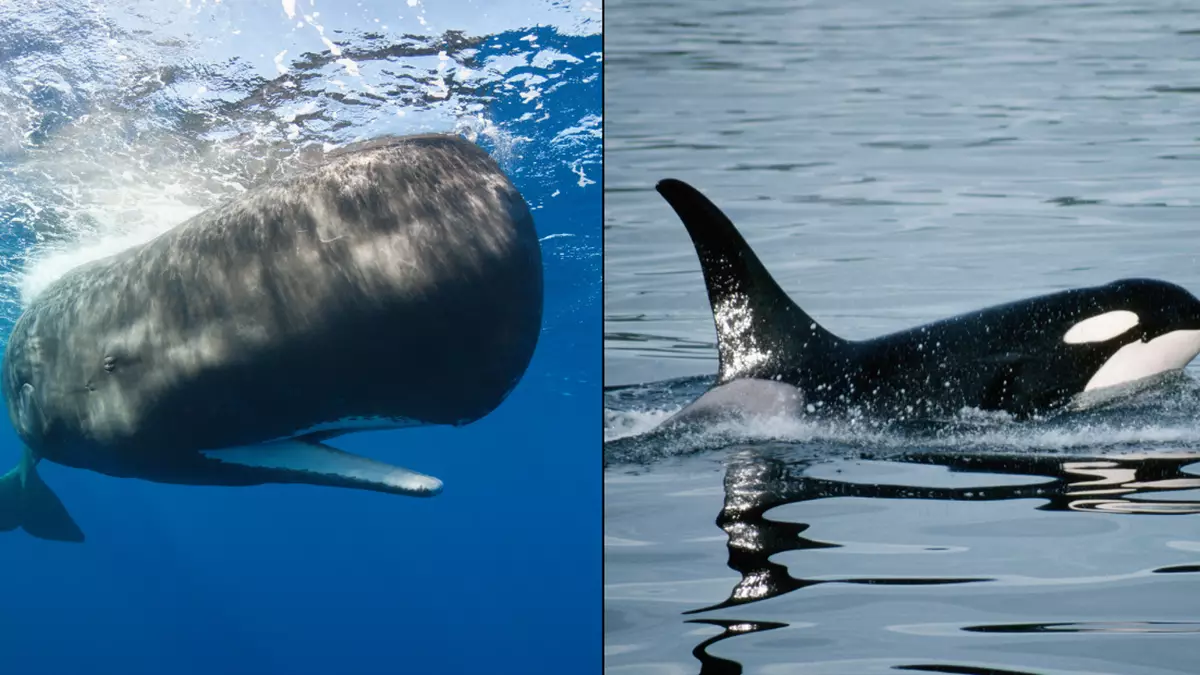
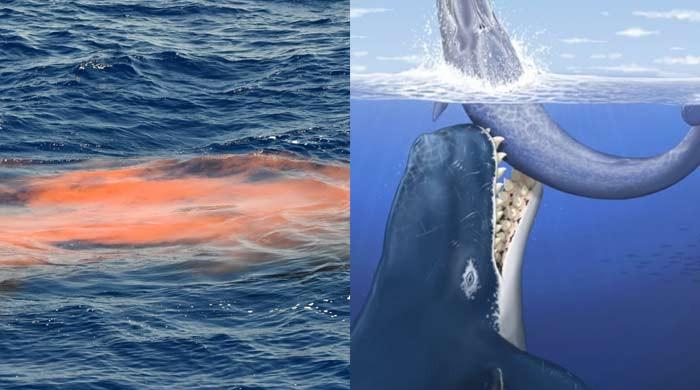
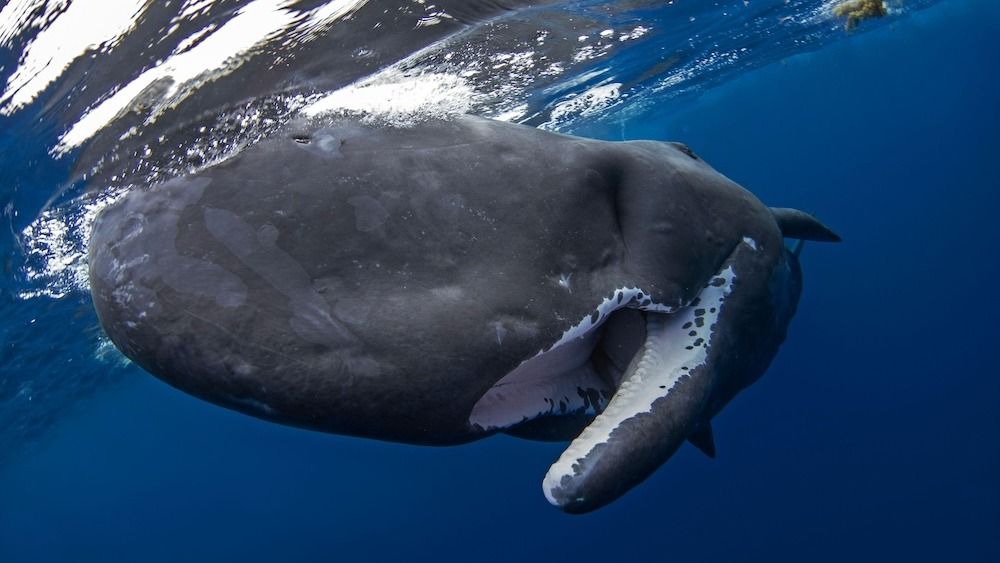
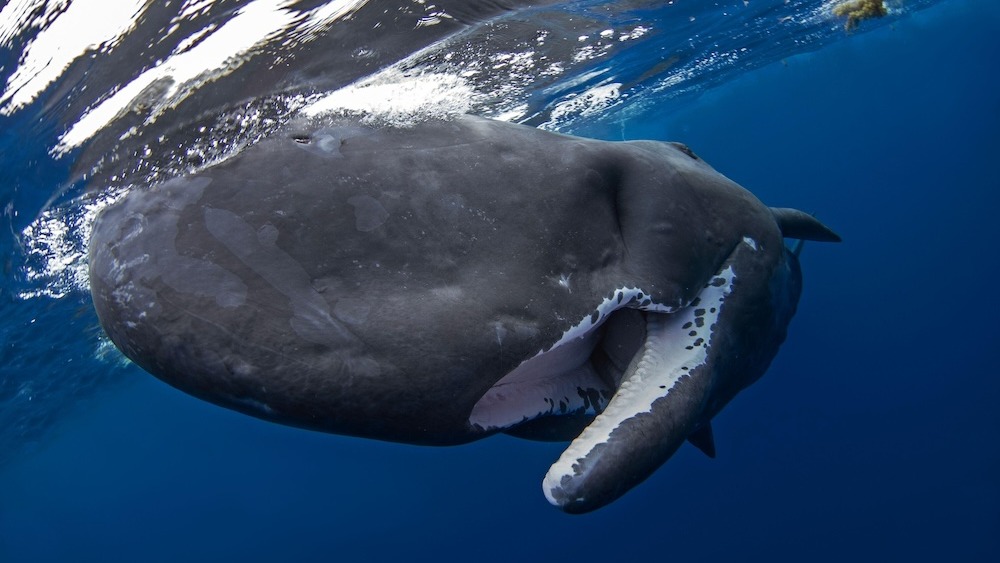
Sperm whales off the southern coast of Western Australia were observed using a unique defense tactic against hunting orcas by releasing a large cloud of watery, squid-filled feces, which is known as emergency or defensive defection. This tactic, believed to deter predators, was mistaken for blood at first due to the whales' squid-rich diet. While it may have been partially successful, the orcas were later seen with what appeared to be stolen chunks of giant squid, indicating that the defense mechanism may not have completely thwarted the hunting party.
A group of sperm whales in Western Australia's Bremer Canyon defended themselves against a pod of at least 30 killer whales by forming a defensive rosette and unleashing a 'poonado' of diarrhoea, which successfully deterred the orcas. Marine biologists witnessed the extraordinary defense strategy, noting that the orcas abruptly retreated after being hit by the sperm whales' defensive defecation. This incident sheds light on the complex interactions and defensive tactics of marine creatures in the food chain.
Sperm whales off the coast of Western Australia were observed using a unique defense mechanism against a group of killer whales by releasing a large cloud of reddish-colored poop, known as "defense defecation." This strategy helped the sperm whale pod escape a potentially fatal attack by at least 30 killer whales, as the cloud of diarrhea confused and deterred the attackers. Marine biologists witnessed this rarely seen behavior during a whale-watching excursion in the Bremer Canyon.
Sperm whales in Western Australia used a rarely witnessed defense mechanism by releasing a large plume of poop to drive away a pod of orcas that were about to attack them. This strategy, known as "defense defecation," involved the whales forming a circle and fanning their tails to propel their excrement towards the orcas. The event, witnessed by scientists and tourists, helped the sperm whale pod escape the potential fatal attack, showcasing the whales' clever defense tactics in the face of adversity.
Sperm whales in Western Australia used a unique defense strategy by releasing a large cloud of reddish-colored poop to fend off an impending attack by a group of orcas. This rarely seen defense mechanism, known as "defense defecation," involved the whales forming a circle and fanning their tails to drive their excrement towards the orcas. The strategy worked, and the orcas swam off in search of fresher waters, showcasing the clever tactics employed by sperm whales in the face of potential threats.
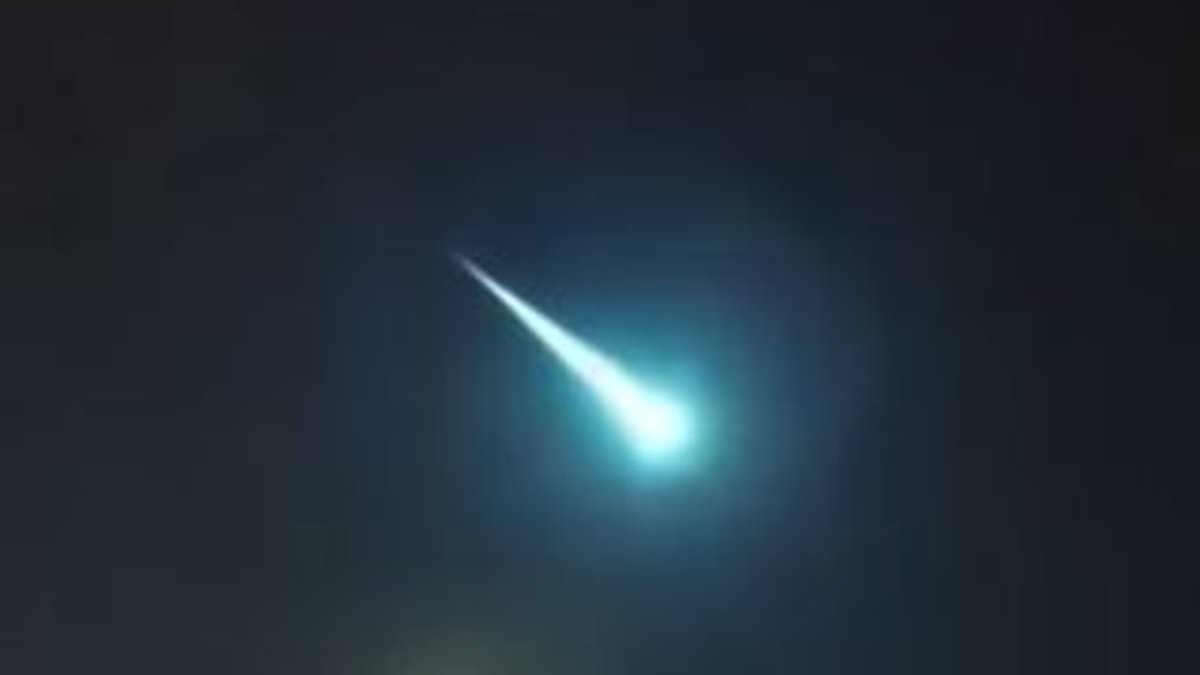
A spectacular and mysterious green light flashed across the night sky in Western Australia, captivating onlookers who captured the phenomenon on their dashcams and shared it on social media. While it is believed to have been a meteor, there are various theories, including the possibility of a UFO. The Perth Observatory described it as a "bloody ripper of a meteor" and is working with Curtin University's Desert Fireball Network to determine its trajectory.
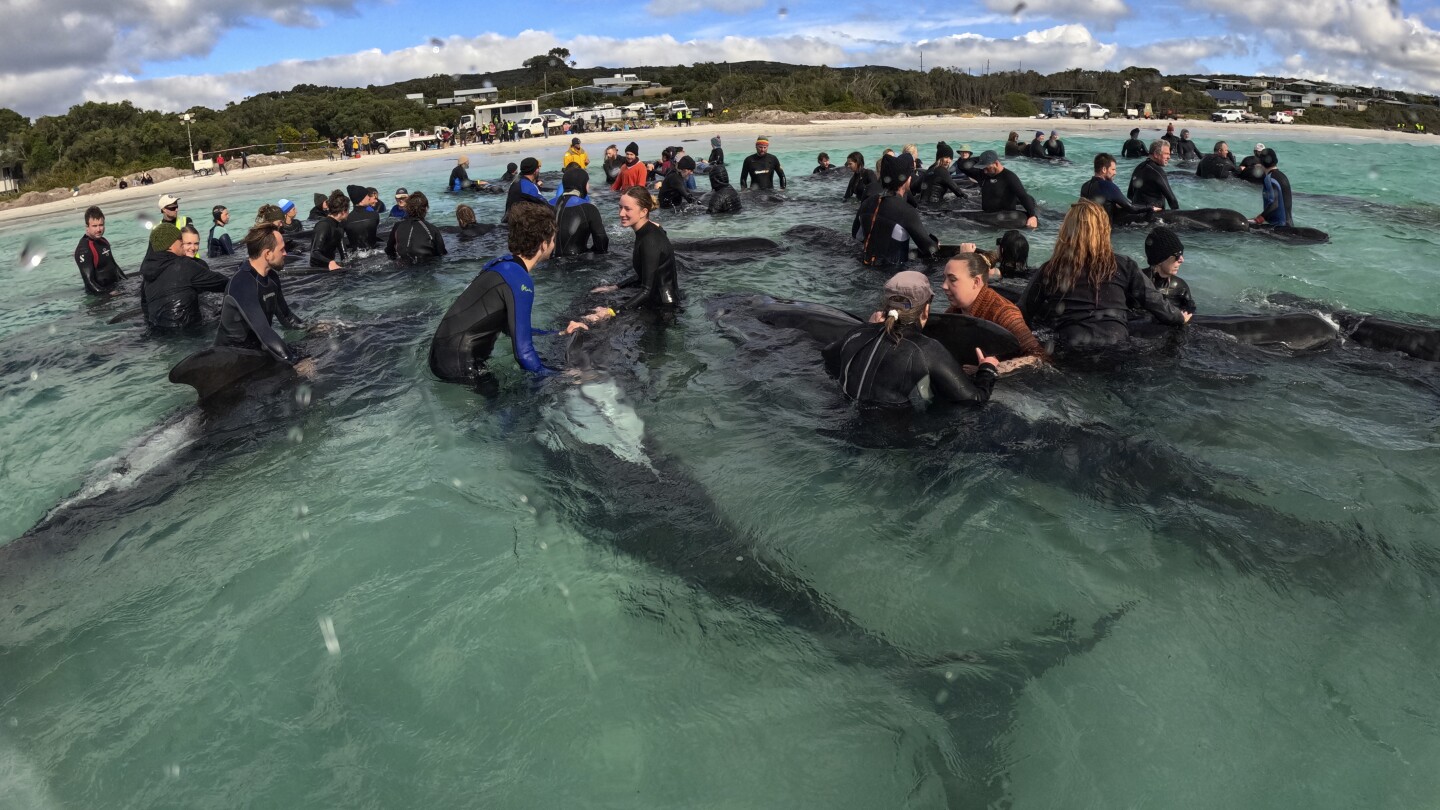
Volunteers in Western Australia are working to save nearly 100 long-finned pilot whales that have stranded themselves on a beach near Albany, but more than half of them have already died. The cause of the stranding remains unknown, and wildlife experts speculate that stress or illness within the pod may be a factor. Despite their efforts, 52 whales have perished, while 45 are still alive. The team, including veterinarians and marine fauna experts, is using specialized equipment to try and get the living whales back into the water. This incident is reminiscent of previous mass strandings, including one in Tasmania where 200 pilot whales died, and another in New Zealand where nearly 500 pilot whales perished.
Dozens of long-finned pilot whales have stranded themselves on a beach in Western Australia, with over 50 already dead. Volunteers, including Perth Zoo veterinarians and marine fauna experts, are working to save the remaining 45 whales by getting them back into the water and encouraging them to swim away. The cause of the mass stranding is unknown, but experts speculate that stress or illness within the pod may be a factor. This incident follows similar mass strandings in Tasmania and New Zealand in recent months.
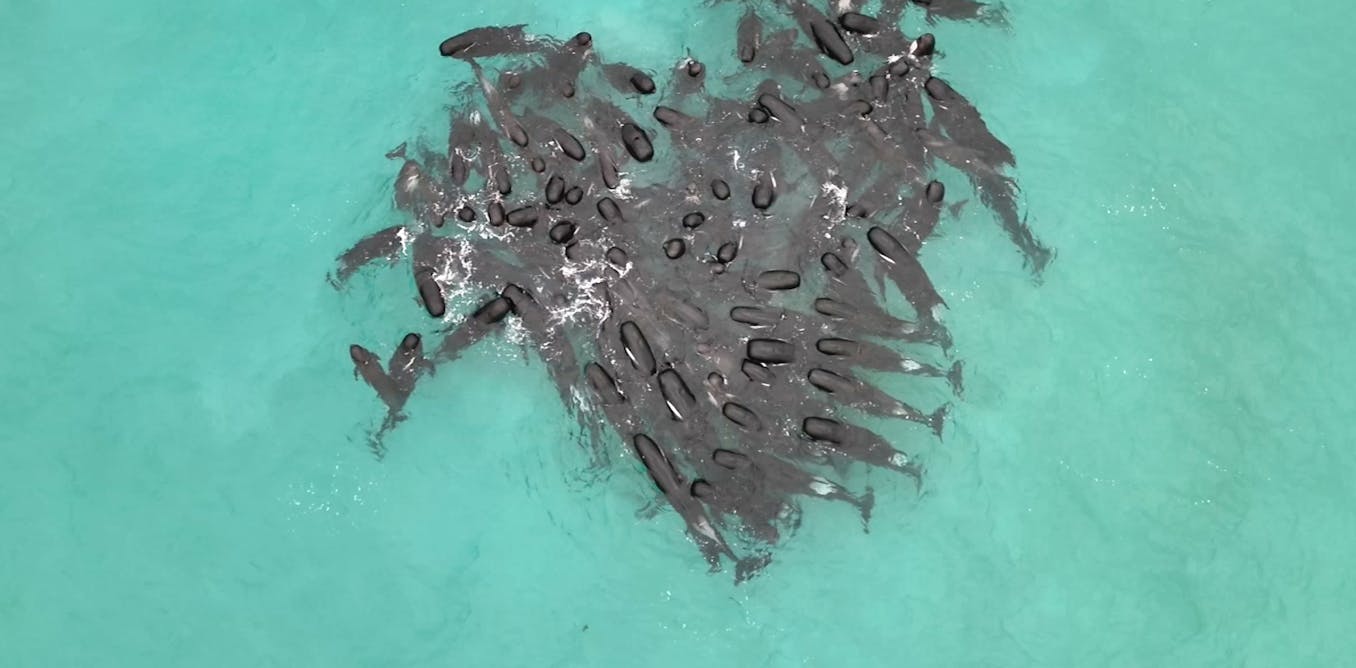
A pod of 97 long-finned pilot whales became stranded on Cheynes Beach in Western Australia, with 51 whales already dead. The whales exhibited unusual behavior, forming a tight ball and moving in a line before becoming beached. The chances of survival for the remaining whales are low due to cold and windy conditions, which can lead to hypothermia. The cause of pilot whale strandings remains a mystery, but it is believed that sick matriarchs or external stressors may be factors. Researchers are taking samples to investigate the cause, and more funding is needed for further research on mass strandings.
Smoke from prescribed burns and bushfires in Western Australia has filled the skies south of Perth, with dozens of blazes burning across the state's southwest. Prescribed burns are intended to reduce the build-up of flammable fuels and reduce the severity of bushfires, but winds can still carry the smoke far from the source. The Parks and Wildlife Service issued a smoke alert for the area warning of reduced visibility and potential health effects for people with respiratory or cardiovascular illnesses.
Thousands of stargazers flocked to Exmouth, a remote town in Western Australia, to witness a rare hybrid solar eclipse, which occurs only a few times per century. The total solar eclipse was visible only from the Exmouth Peninsula, where the sky turned dark for about 60 seconds when the Moon cast a 40km-wide shadow over the area. The event was described as an "almost religious experience" by some, while others found it "mind-blowing."
Exmouth, a small town in rural northwest Australia, is hoping that the once-in-a-decade solar eclipse on April 20th will kick off a tourism boom that lasts well beyond the eclipse. The town, which has 3,000 residents, will swell to 20,000 this week. The Ningaloo area has been working on its eclipse-related tourism offerings for more than a year, including outdoor music performances, stargazing tours, photography lessons, and astronomy education programs for kids. The local Baiyungu community has organized the first-ever Jamba Nyinayi Festival, which includes Indigenous storytelling, music, dance, food, and fire.