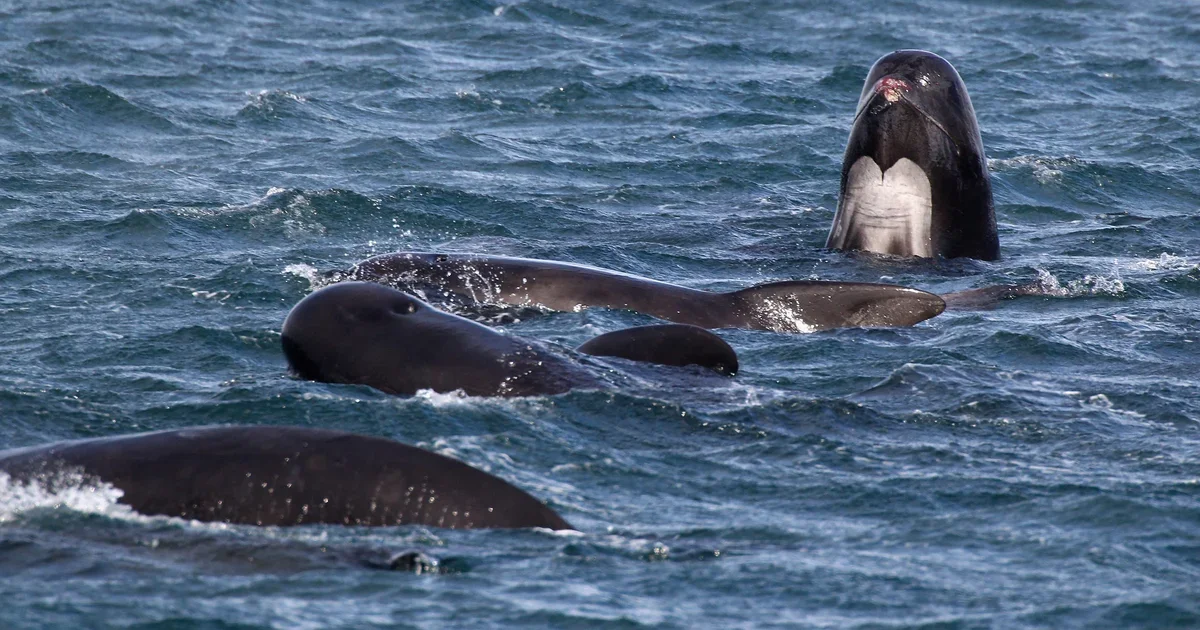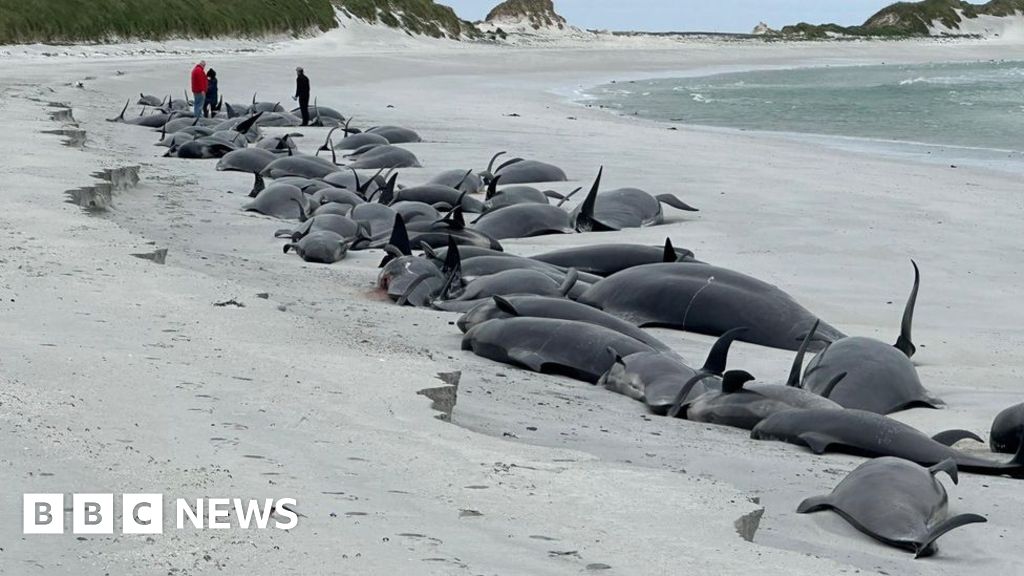
A pod of 77 pilot whales that died after washing ashore in Orkney were found to be healthy before the stranding, according to initial findings. Experts are investigating the cause, considering factors like acoustic trauma or predator presence. The stranding is one of the largest in nearly 100 years, and efforts to save the whales were unsuccessful, leading to euthanasia of the surviving animals.
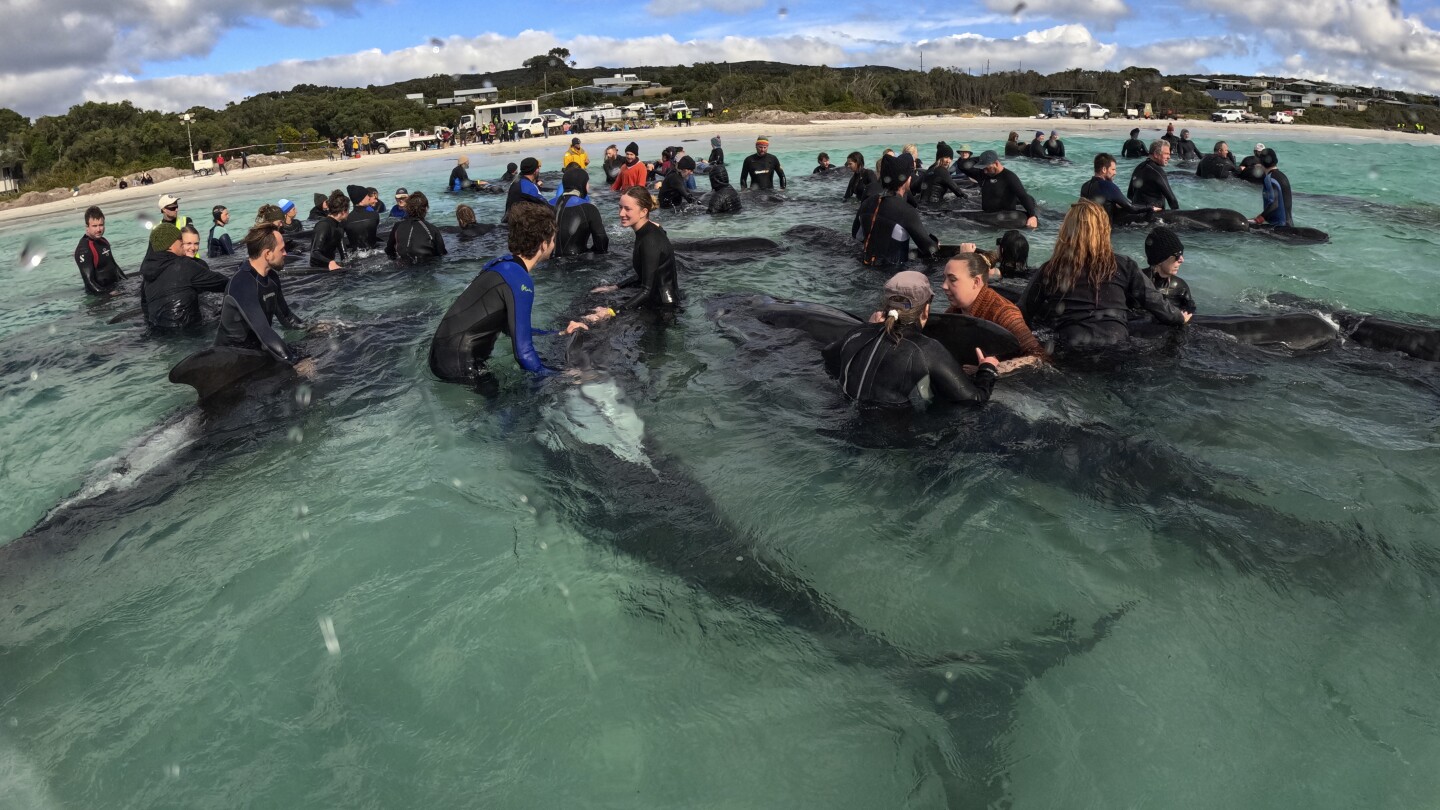
Volunteers in Western Australia are working to save nearly 100 long-finned pilot whales that have stranded themselves on a beach near Albany, but more than half of them have already died. The cause of the stranding remains unknown, and wildlife experts speculate that stress or illness within the pod may be a factor. Despite their efforts, 52 whales have perished, while 45 are still alive. The team, including veterinarians and marine fauna experts, is using specialized equipment to try and get the living whales back into the water. This incident is reminiscent of previous mass strandings, including one in Tasmania where 200 pilot whales died, and another in New Zealand where nearly 500 pilot whales perished.
Dozens of long-finned pilot whales have stranded themselves on a beach in Western Australia, with over 50 already dead. Volunteers, including Perth Zoo veterinarians and marine fauna experts, are working to save the remaining 45 whales by getting them back into the water and encouraging them to swim away. The cause of the mass stranding is unknown, but experts speculate that stress or illness within the pod may be a factor. This incident follows similar mass strandings in Tasmania and New Zealand in recent months.
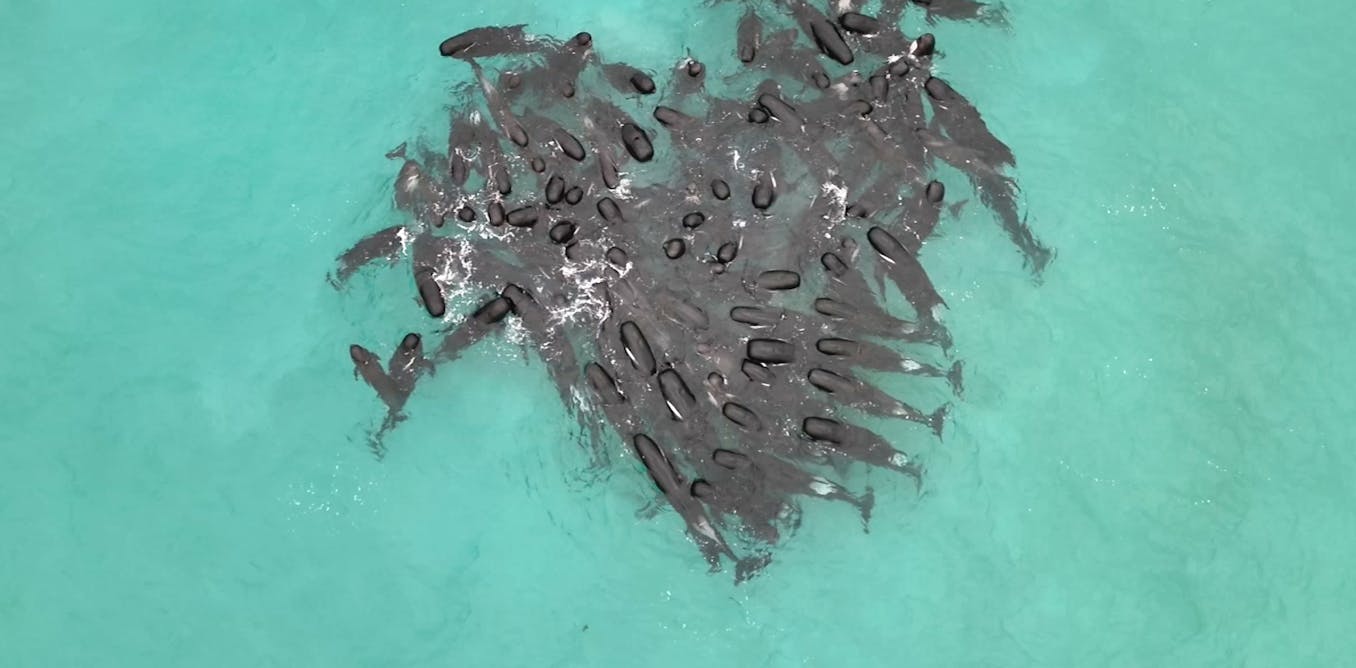
A pod of 97 long-finned pilot whales became stranded on Cheynes Beach in Western Australia, with 51 whales already dead. The whales exhibited unusual behavior, forming a tight ball and moving in a line before becoming beached. The chances of survival for the remaining whales are low due to cold and windy conditions, which can lead to hypothermia. The cause of pilot whale strandings remains a mystery, but it is believed that sick matriarchs or external stressors may be factors. Researchers are taking samples to investigate the cause, and more funding is needed for further research on mass strandings.
More than 50 pilot whales died after becoming stranded on a beach on the Isle of Lewis in Scotland. Only one whale survived the incident. Rescue teams attempted to refloat the whales, but due to rough waves and a shallow beach, they were ultimately euthanized. The cause of the mass stranding is still unknown, but it is believed that one of the whales may have beached while giving birth. The Scottish Marine Animal Stranding Scheme will conduct necropsies to determine the cause. This is considered to be the largest fatal mass stranding event in Scotland in decades.
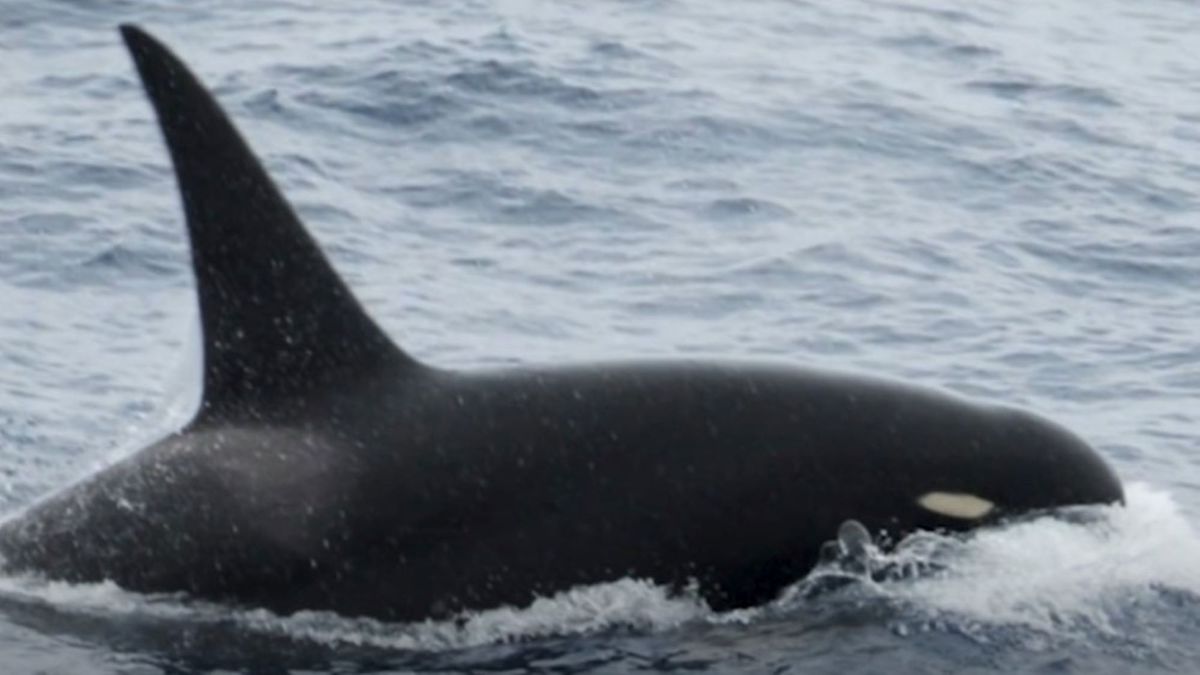
A group of Type D orcas, a rare sub-group of orcas native to the Southern Hemisphere, have washed up on a beach in Chile, marking the first event of its kind in 67 years and only the second ever recorded. Type D orcas are so different from other orcas that some scientists suggest they might actually be a completely separate species. The scientists aren't sure why the nine orcas died or ended up on the beach, but unraveling the mystery of how these enigmatic marine mammals are related to other orcas will probably require more biopsies and tissue samples to learn more about Type D orca biology.
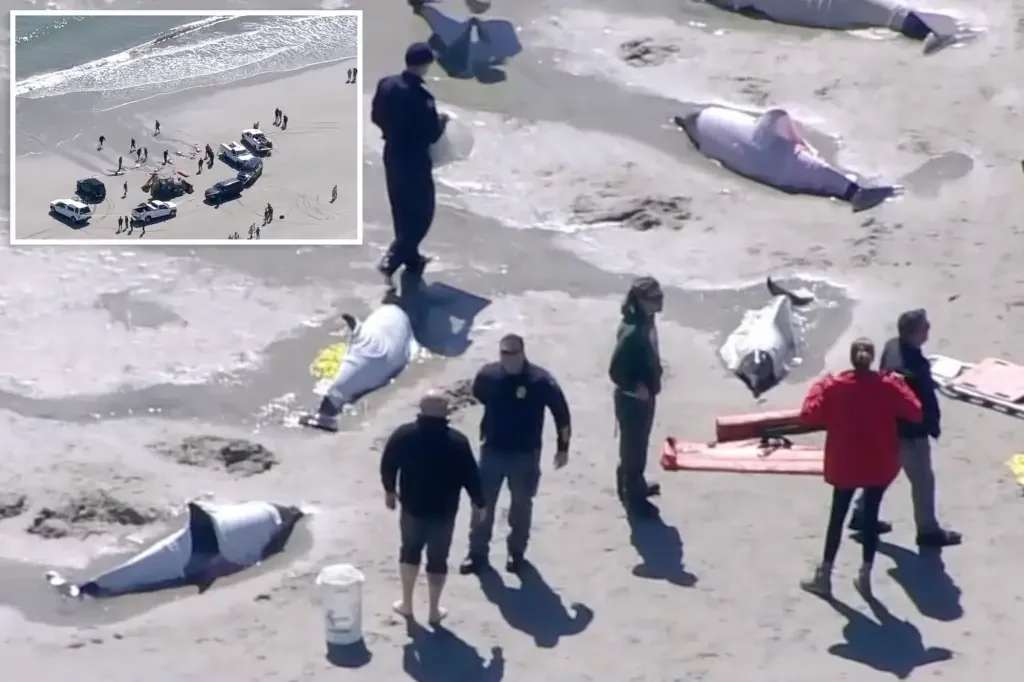
A pod of eight dolphins became stranded on a Jersey Shore beach, with two dying on arrival and the remaining six being euthanized due to their rapidly deteriorating condition. The Marine Mammal Stranding Center described the event as a "mass stranding event" and the bodies were taken for necropsies. This comes after a spate of dolphin deaths and 11 whale carcasses washing up on the New Jersey-New York coast since early December.