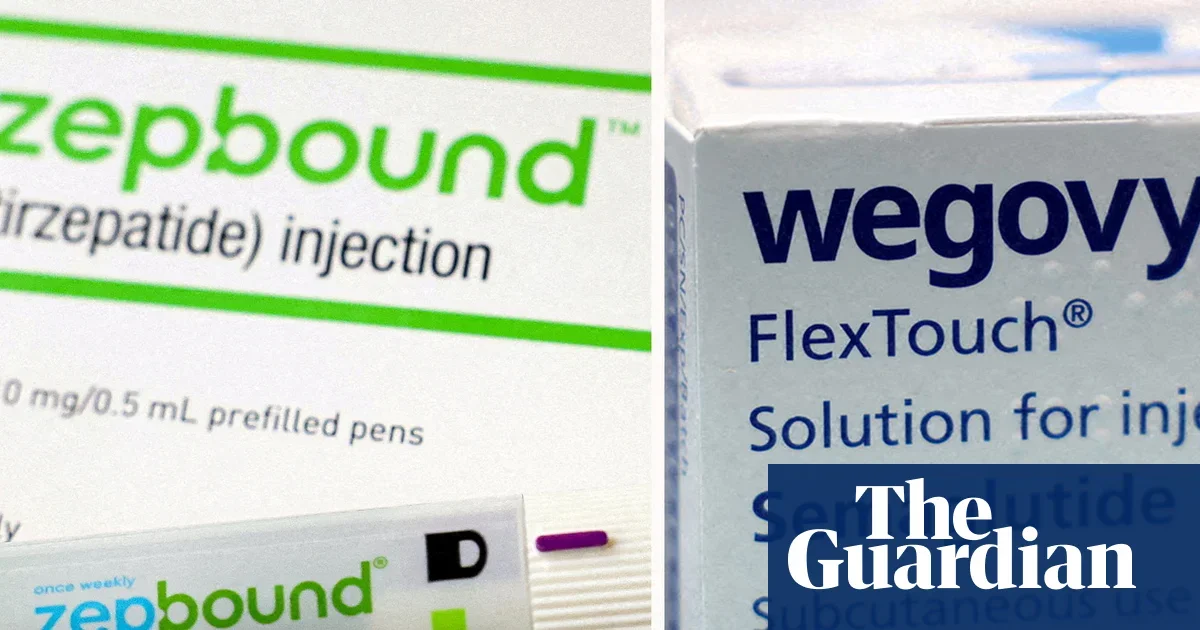
California will cease Medicaid coverage for weight-loss drugs like Wegovy and Zepbound starting January 1, citing high costs and budget constraints, despite their effectiveness and popularity. The state recommends diet and exercise as alternatives, though experts say this may be unrealistic for many patients. Other states are also restricting coverage due to financial pressures, even as negotiated price reductions aim to lower drug costs. The move could impact thousands of low-income Californians relying on these medications for weight management and related health conditions.
The article discusses the emerging trend of weight-loss drugs being marketed for pets like cats and dogs, highlighting the growing interest in veterinary weight management and the potential implications for pet health and the pharmaceutical industry.
Novo Nordisk's stock faced challenges in 2025 due to competition and demand issues, but the FDA approval of its Wegovy pill and plans to launch an oral version in 2026 present a strategic comeback opportunity, prompting investors to consider whether to buy, sell, or hold the stock.
The surge in GLP-1 weight-loss drugs is causing uncertainty in the fitness industry, with some gyms adapting by offering tailored programs and partnerships to support muscle maintenance and overall health, but it's still unclear whether these drugs will lead to increased or decreased gym attendance.
Weight-loss drugs called GLP-1s are revolutionizing obesity treatment, with new developments including more effective medications, lower prices, and upcoming oral versions, though access remains limited due to high costs and insurance restrictions.
The article discusses the upcoming year 2026 in science, highlighting major events such as the CERN LHC upgrade, advancements in quantum computing, new vaccines and medications, ongoing trends in weight-loss drugs, regulatory rollbacks affecting environmental protections, China's Five-Year Plan including nuclear and drilling projects, and breakthroughs in gene editing therapies. Despite scientific progress, the industry faces credibility and funding challenges, especially in the U.S.
TikTok removed AI-generated fake ads for prescription weight loss drugs pretending to be Boots after the company complained, highlighting concerns over misleading AI content and illegal advertising of prescription medicines on social media.
Employers like HCA Healthcare are dropping coverage for weight loss drugs such as Zepbound and Wegovy due to rising costs and are directing employees to manufacturer discount programs, which may be cheaper than insurance coverage. The growth of direct-to-consumer programs by pharma companies Eli Lilly and Novo Nordisk is contributing to this shift, potentially making these drugs less affordable for the general public despite expanding access.
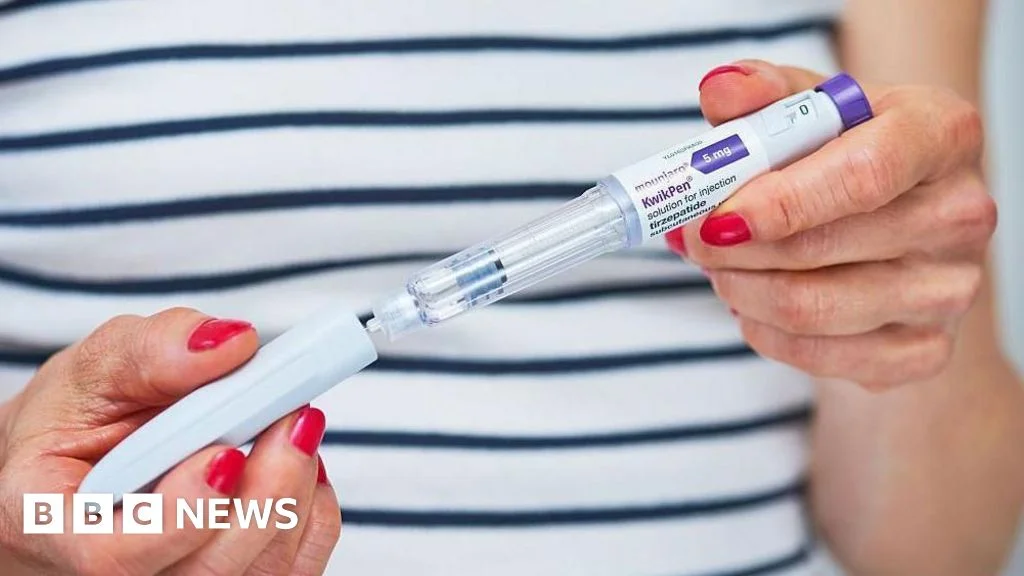
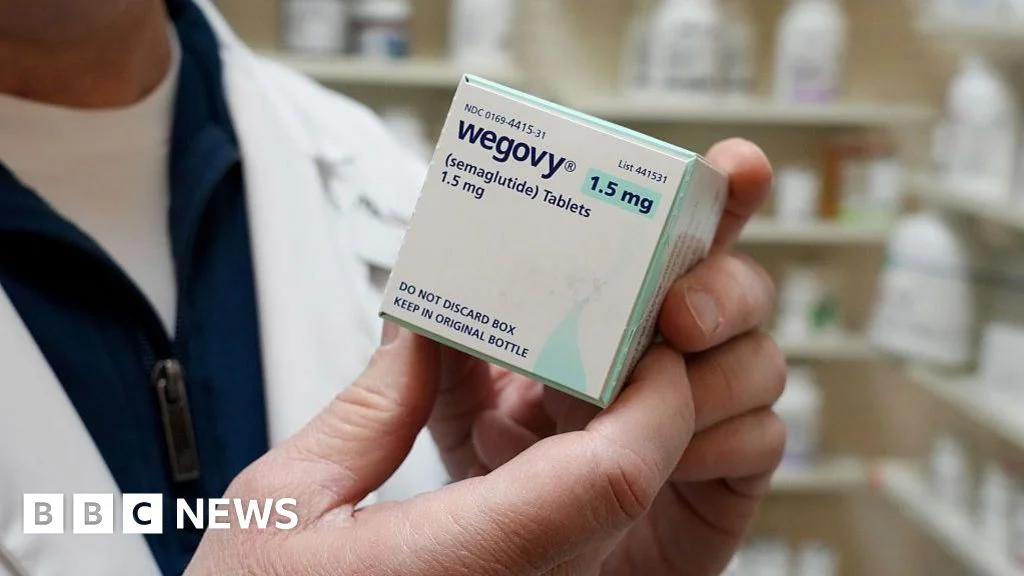
By 2026, two new oral obesity pills from Novo Nordisk and Eli Lilly are expected to hit the U.S. market, offering a more convenient alternative to injections and potentially capturing a significant share of the growing weight loss drug market, with prices expected to be lower than current injectable options.
The rise of GLP-1 medications like Ozempic is not only reducing alcohol consumption but also shifting consumer values towards health-conscious choices, impacting the drinks industry, dining experiences, and social behaviors, while raising questions about autonomy and genuine health benefits.
Australia’s drug regulator has issued safety warnings for weight-loss and diabetes drugs like Ozempic, highlighting potential risks of suicidal thoughts and mental health issues, especially in vulnerable patients, and advising caution with contraception use due to possible reduced effectiveness. The warnings are based on international signals and adverse event reports, emphasizing the importance of monitoring and awareness during treatment.
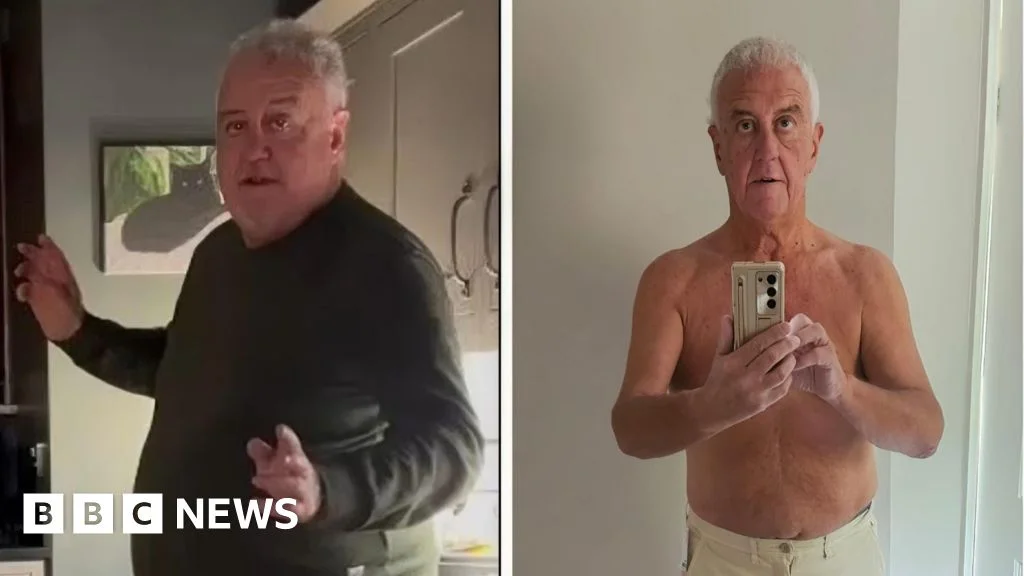
Chef Gordon Ramsay publicly criticized diners using weight-loss drugs like Ozempic, refusing to create special menus for them and expressing strong opinions about their choices, which has sparked controversy given his reputation for bluntness and his own struggles with weight.
Pfizer has agreed to acquire weight-loss drug startup Metsera in a deal potentially worth over $10 billion, outbidding Novo Nordisk amid a competitive market for obesity treatments. The deal includes cash and performance-based payouts, giving Pfizer access to new obesity therapies and strengthening its position in a rapidly growing market. The transaction is expected to close after shareholder approval, with Pfizer aiming to leverage its global scale to expand obesity drug development.
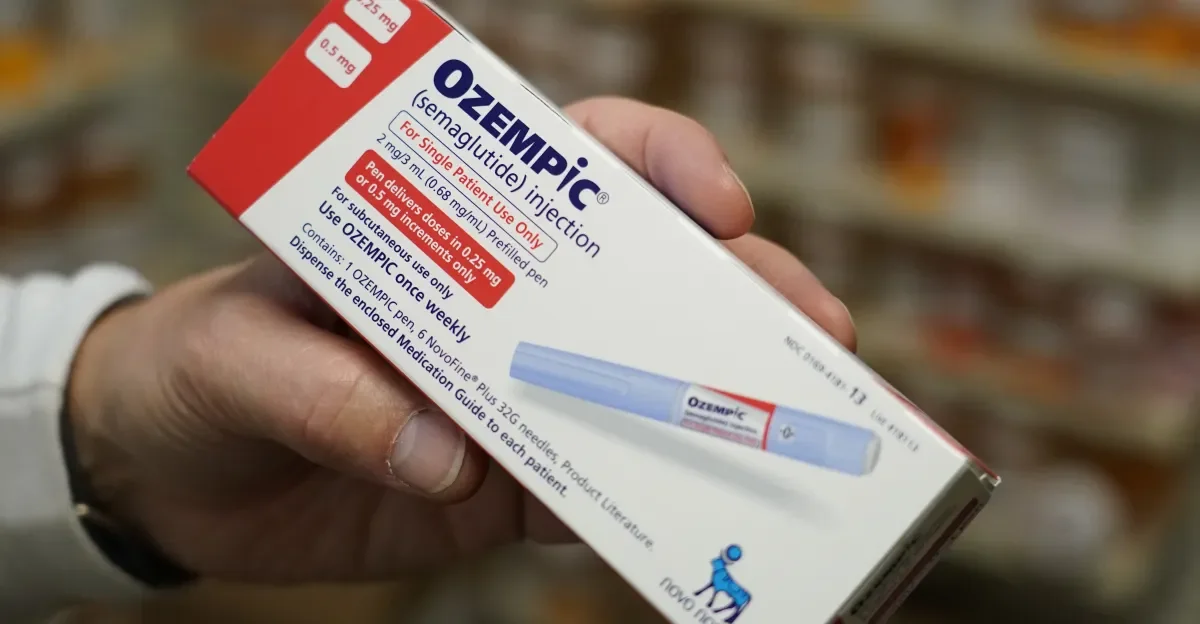
Medicare will now cover weight-loss drugs like Ozempic and Wegovy through a deal with Eli Lilly and Novo Nordisk, significantly reducing costs and expanding access for seniors and certain high-risk groups, starting with a pilot program in 2026.
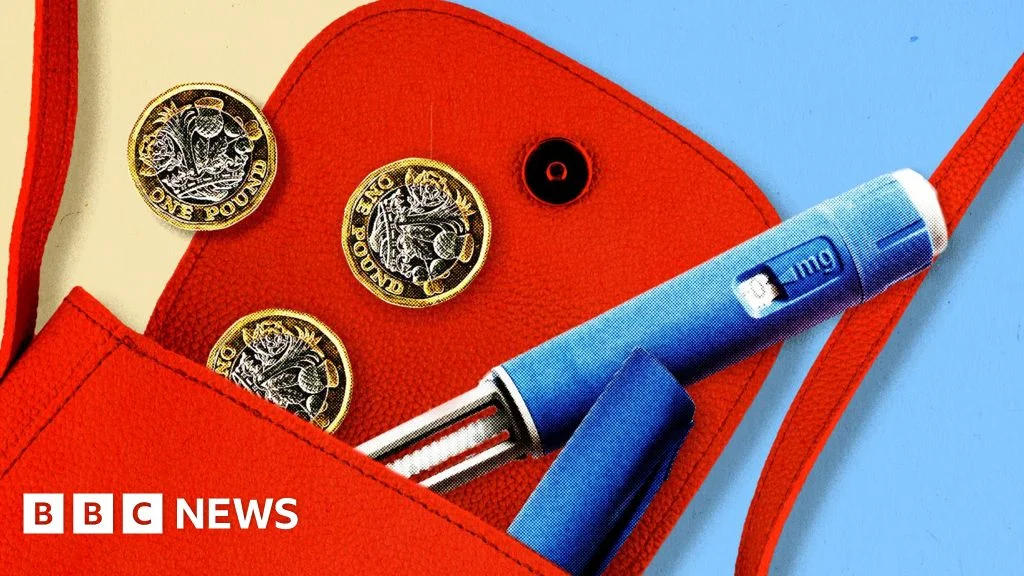
President Trump announced deals with Eli Lilly and Novo Nordisk to significantly reduce the out-of-pocket costs of weight loss drugs, including GLP-1 injections like Wegovy and Zepbound, with prices potentially dropping to as low as $50 to $350 per month depending on coverage and dosage, expanding access through Medicare, Medicaid, and direct-to-consumer platforms.