Eli Lilly is acquiring Ventyx Biosciences in a $1.2 billion all-cash deal to enhance its pipeline of oral therapies targeting inflammation-related diseases across various medical fields, aiming to address high unmet medical needs.
Eli Lilly's oral GLP-1 receptor agonist, orforglipron, successfully maintained weight loss in a Phase 3 trial after patients switched from injectable therapies, leading Lilly to submit it for FDA approval as a treatment for obesity.
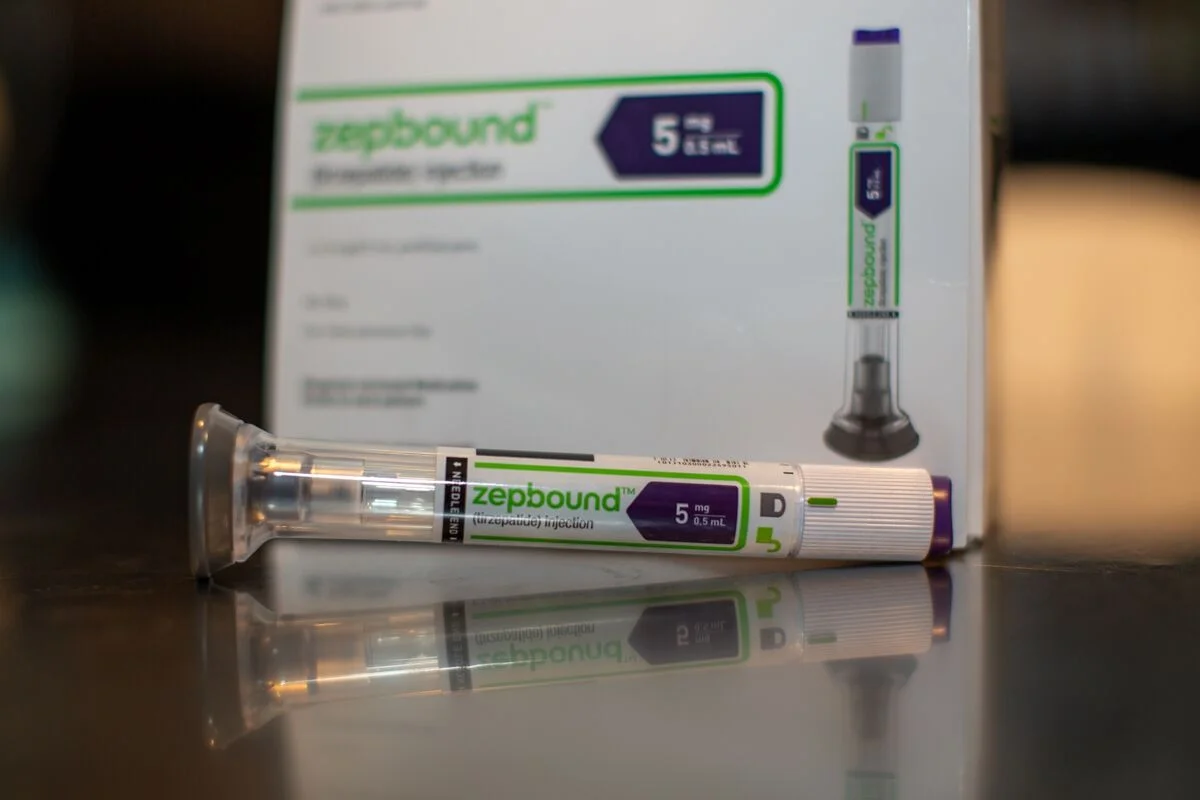
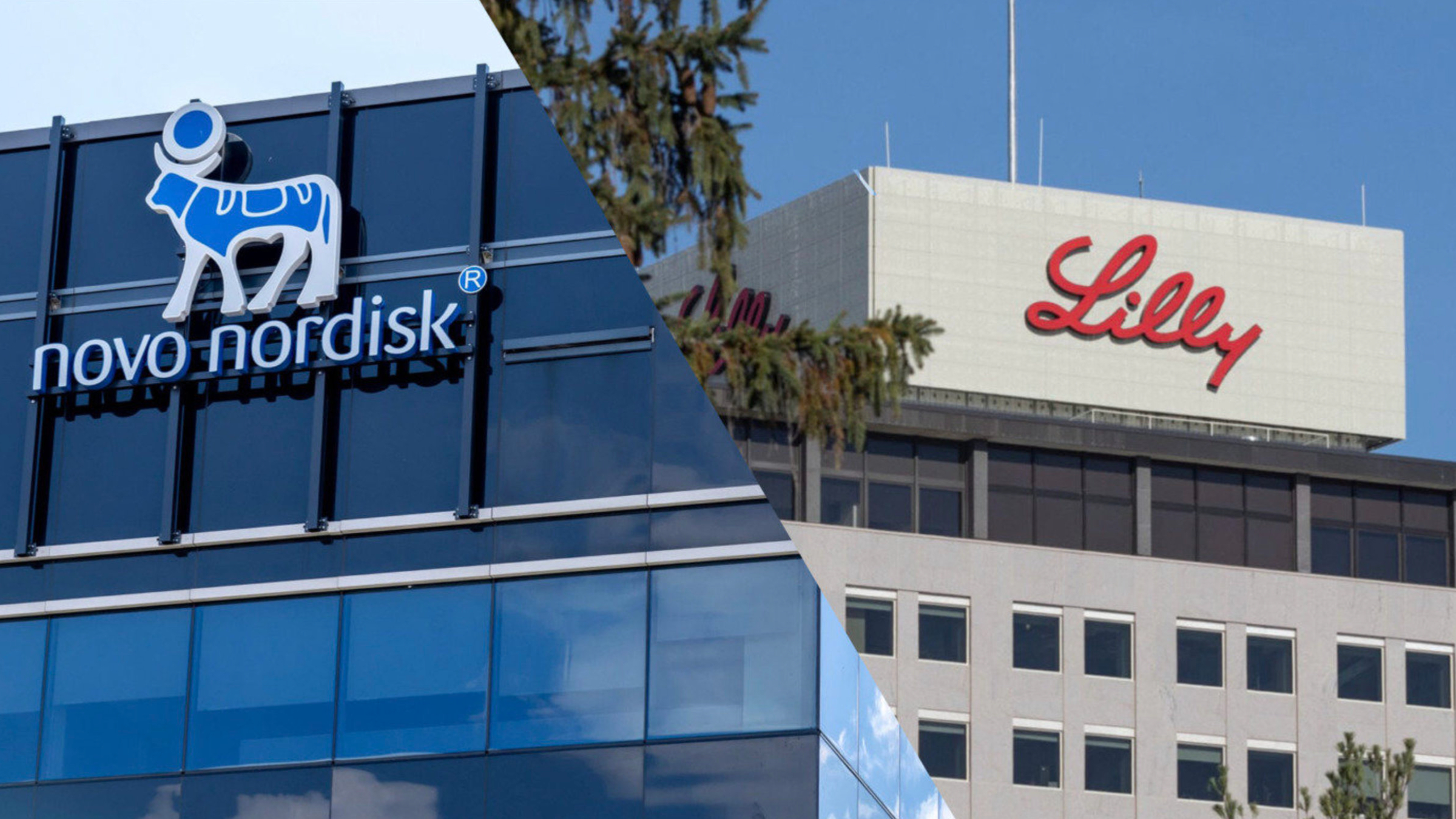
Eli Lilly and Novo Nordisk have reached deals with the Trump administration to lower prices for their weight-loss drugs like Zepbound and Wegovy, making them more accessible to Medicare patients and receiving tariff relief, with the aim of expanding access and reducing costs for millions of Americans.
Eli Lilly is collaborating with Nvidia to build an AI-powered supercomputer aimed at accelerating drug discovery and development, enabling faster testing of potential medicines and expanding research capabilities through proprietary AI models accessible via Lilly's federated platform, Lilly TuneLab.
Eli Lilly's oral GLP-1 receptor agonist, orforglipron, showed superior glycemic control in two Phase 3 trials, outperforming dapagliflozin and oral semaglutide, with significant A1C reductions and weight loss, supporting its potential as a new standard treatment for type 2 diabetes.
Eli Lilly plans to invest $6.5 billion to build a new pharmaceutical manufacturing facility in Houston, Texas, creating over 4,600 jobs and focusing on small molecule medicines, including Lilly's first oral GLP-1 receptor agonist, to enhance domestic production and innovation.
Eli Lilly's new oral GLP-1 receptor agonist, orforglipron, demonstrated superior efficacy in reducing A1C levels and weight loss compared to oral semaglutide in a 52-week Phase 3 trial involving adults with type 2 diabetes, with promising safety and tolerability profiles.
Eli Lilly's new obesity pill, forforglipron, achieved significant weight loss in clinical trials and could revolutionize treatment by being easier to produce and use, potentially making obesity care more accessible and affordable, with regulatory approval expected soon.
A real-world study shows that Novo Nordisk's Wegovy significantly outperforms Eli Lilly's Zepbound, reducing serious heart issues like stroke by over 50%.
Eli Lilly's experimental oral GLP-1 pill, orforglipron, helped overweight adults with type 2 diabetes lose an average of 10.5% of their body weight in a late-stage trial, with significant improvements in blood sugar levels, positioning it as a promising alternative to injectable obesity drugs and potentially paving the way for regulatory approval and market launch next year.
Eli Lilly's oral GLP-1 receptor agonist, orforglipron, successfully met primary and secondary endpoints in a Phase 3 trial, showing significant weight loss and A1C reduction in adults with obesity or overweight and type 2 diabetes, leading to plans for global regulatory submissions.
Lilly is being downgraded and questioned after its obesity pill failed to meet expectations, prompting investors and analysts to reassess its prospects.
A proposed Trump administration plan to allow Medicare and Medicaid to cover obesity drugs like Lilly's Zepbound and Novo's Wegovy could benefit these companies, but high list prices remain a significant barrier. The plan's details are unclear, and cost concerns persist, with estimates suggesting substantial increases in federal spending if coverage expands. The move could improve access for many obese patients but faces skepticism from investors due to potential cost implications.
Eli Lilly is set to acquire Verve Therapeutics in a deal valued at up to $1.3 billion to advance gene editing treatments that could provide lifelong cardiovascular risk reduction with a single dose, focusing on genes linked to atherosclerotic cardiovascular disease.