Tag

Water World

All articles tagged with #water world

space-science1 year ago

"NASA's Bennu Samples: Clues to an Ancient Ocean World"

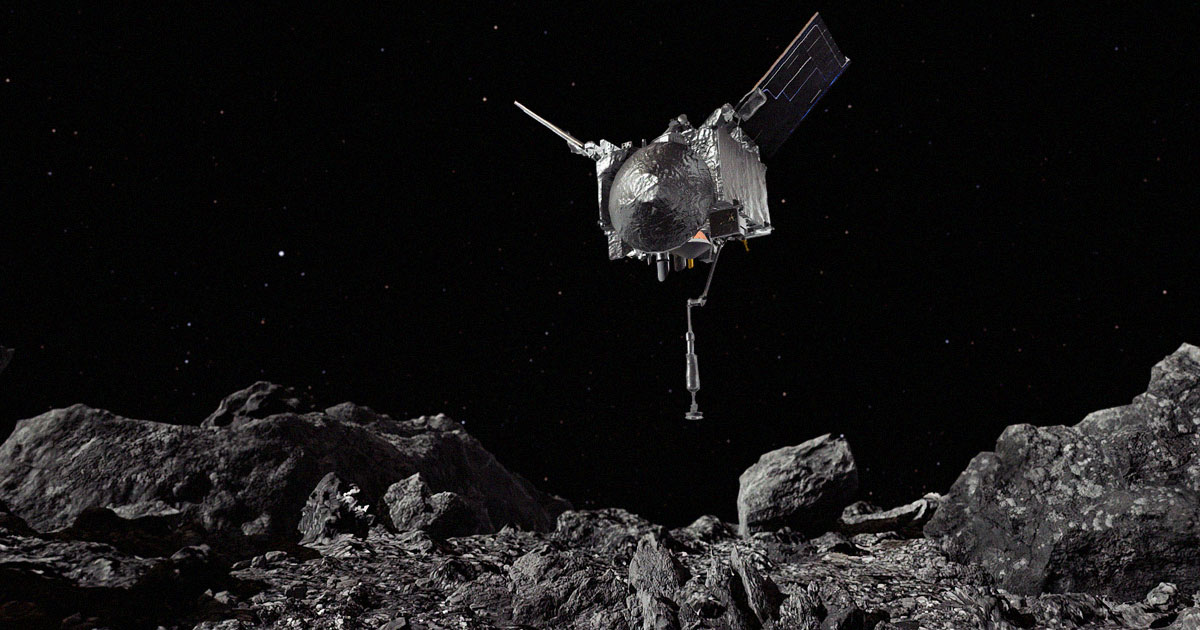
Preliminary analysis of samples from the asteroid Bennu, collected by NASA's OSIRIS-REx spacecraft, suggests the presence of carbon and water, leading scientists to consider the possibility that Bennu may have originated from an ancient ocean world. Principal investigator Dante Lauretta believes that Bennu's composition, particularly its rare calcium and magnesium-rich phosphate crust, bears similarities to materials found on Saturn's moon Enceladus, known for its subsurface ocean. The mission has been a success, exceeding sample collection goals, and experts are tentatively supporting the hypothesis that Bennu was once part of a water-rich planet or pseudoplanet billions of years ago.
astronomy2 years ago

"Life-Friendly Water World: LHS 1140b, a Nearby Exoplanet"

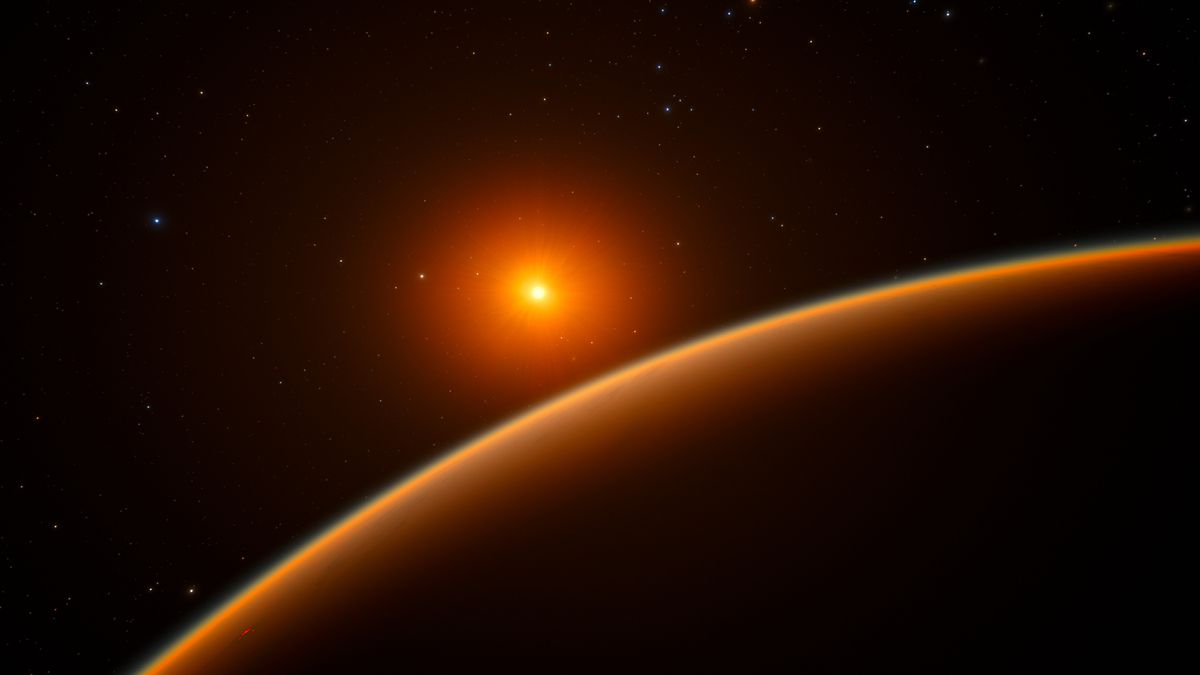
A recent study suggests that the exoplanet LHS 1140b, located 50 light-years away, may be a life-friendly water world due to its mass and orbit around an M-type star. Discovered in 2017, LHS 1140b was initially thought to be rocky, but further analysis indicates it could contain significant water or have a light element-filled atmosphere. The James Webb Space Telescope may provide more insight into the exoplanet's composition in the future, potentially making it a prime candidate in the search for extraterrestrial life.

space-science2 years ago

"Exploring Habitable Exoplanets: Water-Rich Worlds and Alien Life Detection"

A new study suggests that the exoplanet LHS 1140b, located 50 light-years away, may be a water world with the potential for life. The planet, discovered in 2017, is in the habitable zone of its star and could be rich in water or possess a substantial atmosphere. The James Webb Space Telescope may provide further insight into the planet's composition and habitability. If confirmed as a water world, LHS 1140b could become a prime target in the search for extraterrestrial life.

astronomy2 years ago

"James Webb Telescope Discovers Water World Beyond Neptune"

The James Webb Space Telescope (JWST) has provided new insights into the composition of the exoplanet GJ 1214 b, also known as Gliese 1214 b or Enaiposha. Using infrared data and model calculations, researchers have found evidence of a reflective, dense haze in the planet's upper atmosphere, suggesting the presence of water vapor and possibly methane. The observations confirm the presence of hydrogen and helium in the atmosphere, and the possibility of a water world composition with 80% water and 20% rock. Further studies will focus on understanding the planet's internal structure and temperature.

space-science2 years ago

"NASA's Webb Telescope Uncovers Potential Water World with Signs of Life"

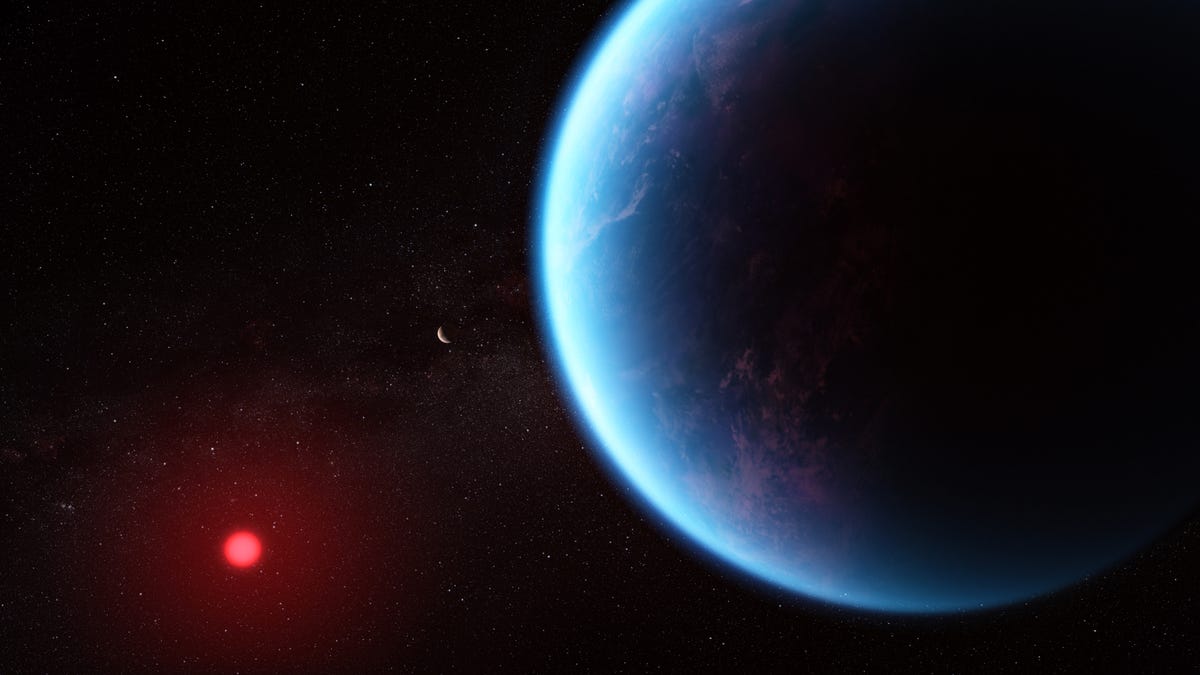
The Webb Space Telescope has detected possible molecular signals on the exoplanet K2-18 b, suggesting it may be a Hycean world covered in a global ocean with a hydrogen atmosphere. The telescope observed signs of water vapor on the exoplanet, which lies in its star's habitable zone. The presence of carbon-bearing molecules indicates the possibility of a water ocean beneath the hydrogen atmosphere. Additionally, the telescope detected a potential detection of dimethyl sulfide, a molecule produced on Earth by living organisms. Further observations will be conducted to confirm the presence of dimethyl sulfide and better understand the nature of this water world.

astronomy2 years ago

James Webb telescope reveals secrets of nearby exoplanets.

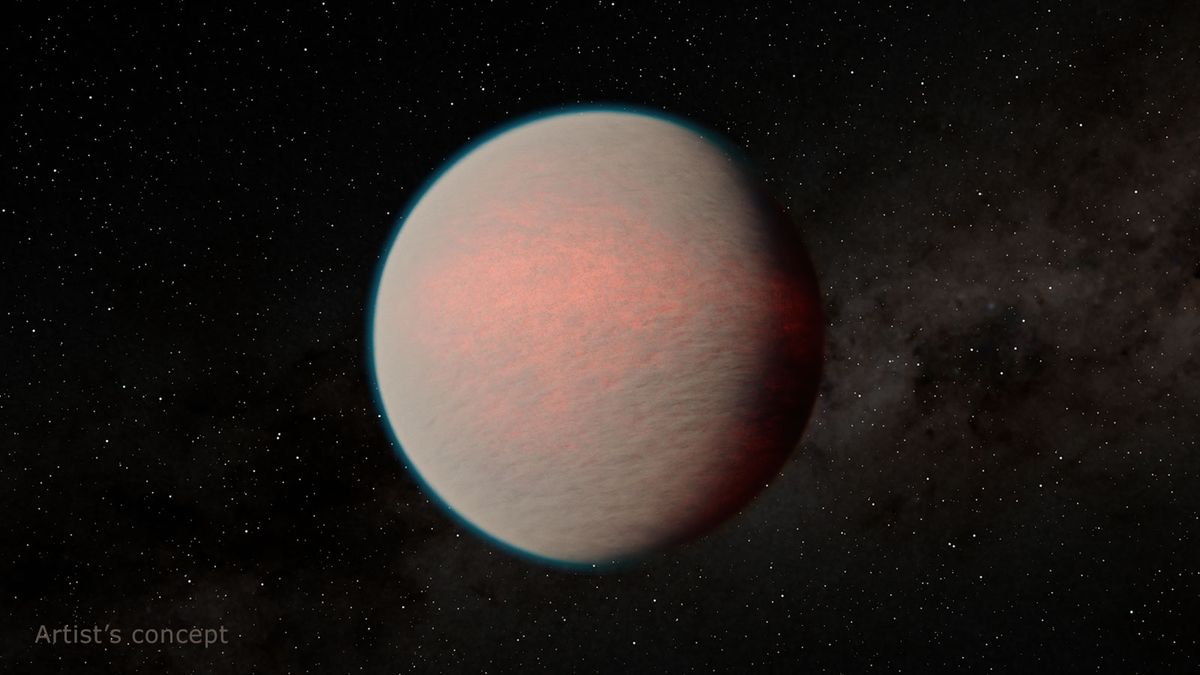
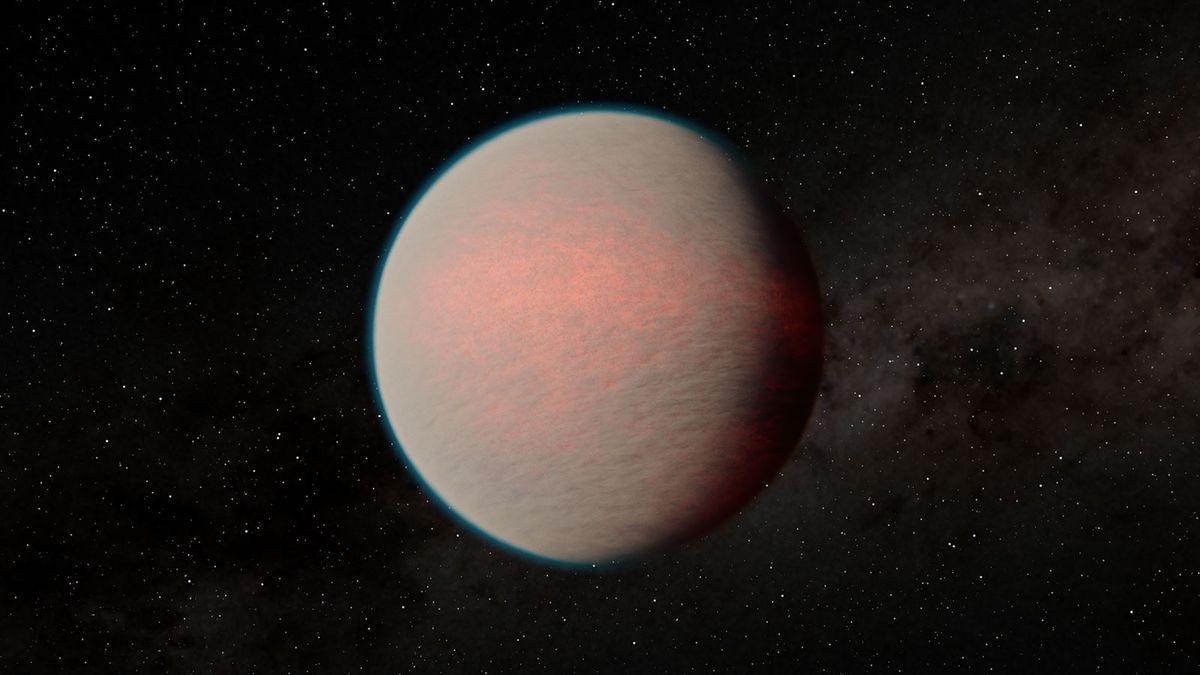
The James Webb Space Telescope has discovered a mini-Neptune planet, GJ 1214b, around a star 40 light-years away. The planet's atmosphere is made of steam, indicating its past as a possible "water world." The temperature on GJ 1214b shifts dramatically from day to night, indicating that the planet's atmosphere can't be just light hydrogen molecules; instead, there has to be something else like water or methane. Astronomers hope to observe more mini-Neptunes with JWST in the near future to figure out how they are created and how this particular one ended up with so much water.

science2 years ago

James Webb telescope finds nearby star system with ancient water world.

The James Webb Space Telescope has discovered an ancient "water world" in a nearby star system. The exoplanet, GJ 1214b, is a mini-Neptune planet around a star about 40 light-years away. The planet's atmosphere is made of steam, hinting at its past as a possible "water world." The temperature on GJ 1214b shifted dramatically from day to night, indicating that the planet's atmosphere can't be just light hydrogen molecules; instead, there has to be something else like water or methane. Astronomers hope to observe more mini-Neptunes with JWST in the near future to figure out how they are created and how this particular one ended up with so much water.

space2 years ago

Webb Telescope Uncovers Secrets of Exoplanets and Their Stars.

The James Webb Space Telescope has observed Gliese 1214 b, a mini-Neptune exoplanet that is unlike anything in our solar system. The planet's highly reflective atmosphere has made it difficult to observe until now. The team used a combination of approaches to study the planet's atmosphere and found that it may have been a "water world" in its past. The planet's atmosphere is composed of heavier molecules, such as water or methane, rather than lighter hydrogen molecules. The team will continue to collect data to better understand how mini-Neptunes form and evolve.