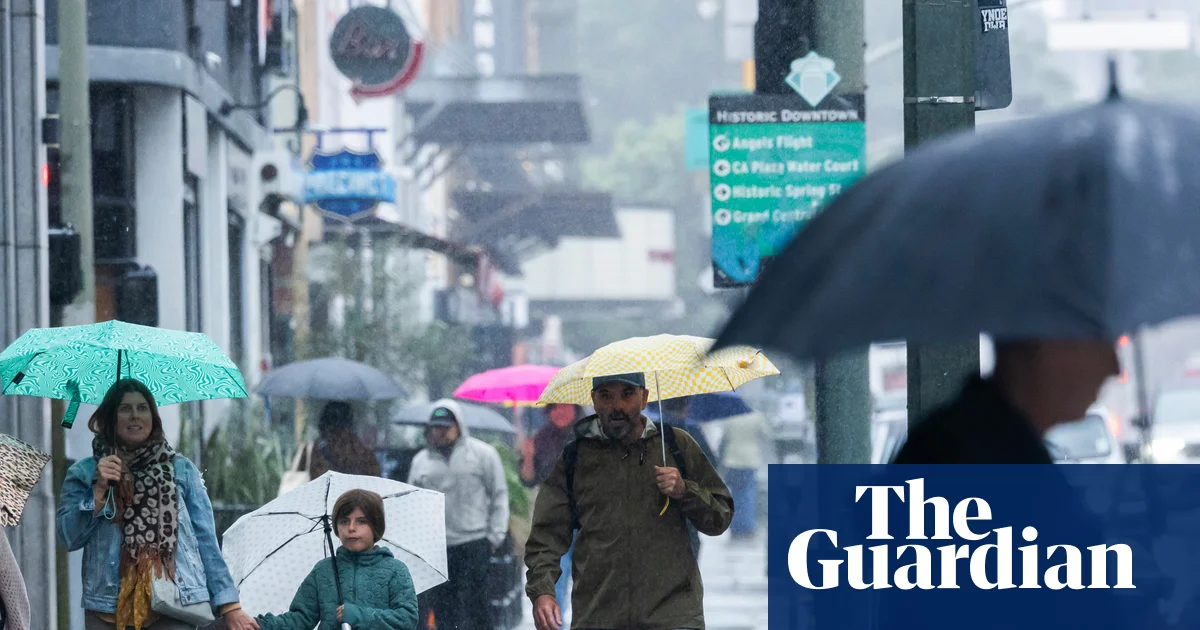
California is officially drought-free for the first time in 25 years due to recent heavy rainfall and winter storms, filling reservoirs and alleviating drought conditions, though snowpack levels remain below average, leaving some uncertainty about future water supply.
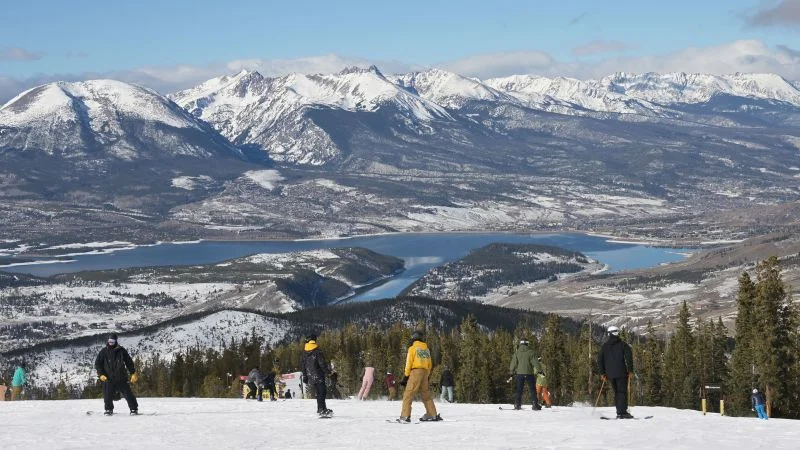
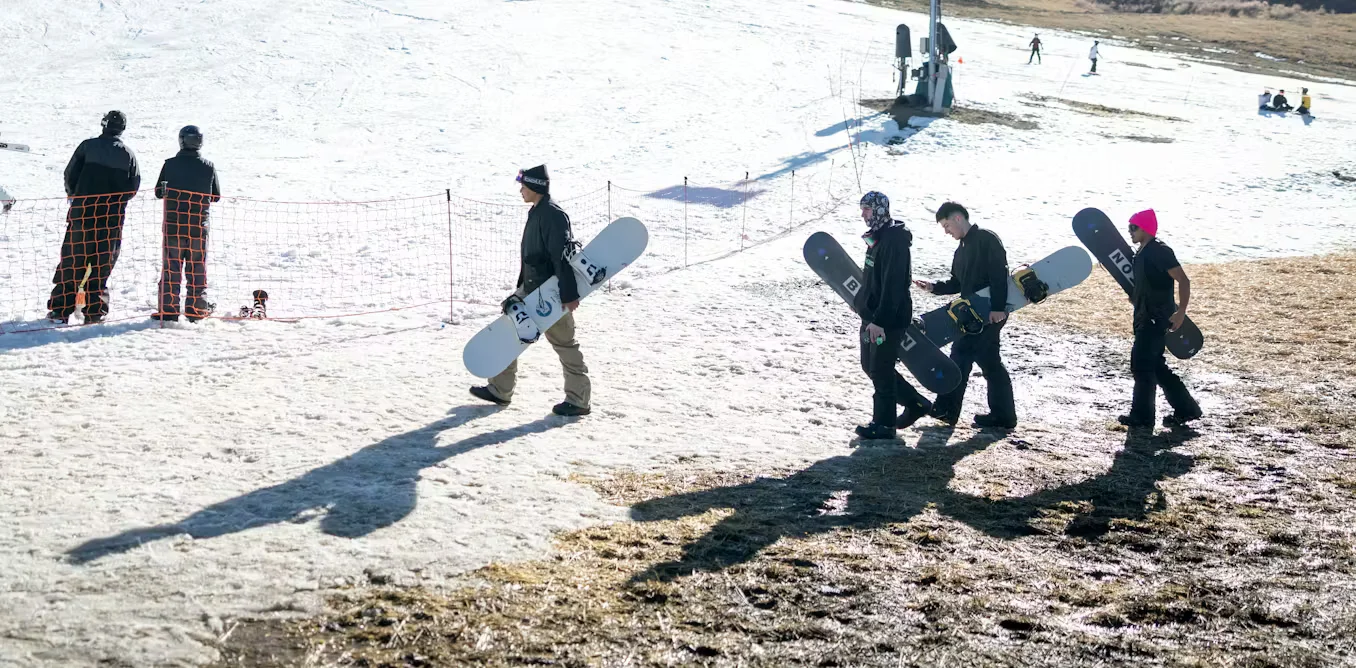
The western US is experiencing a severe snow drought due to record-high temperatures and lack of snowfall, threatening water supplies, increasing wildfire risks, and impacting outdoor industries, with experts warning that ongoing climate shifts could worsen long-term drought conditions and affect future events like the 2034 Winter Olympics in Utah.
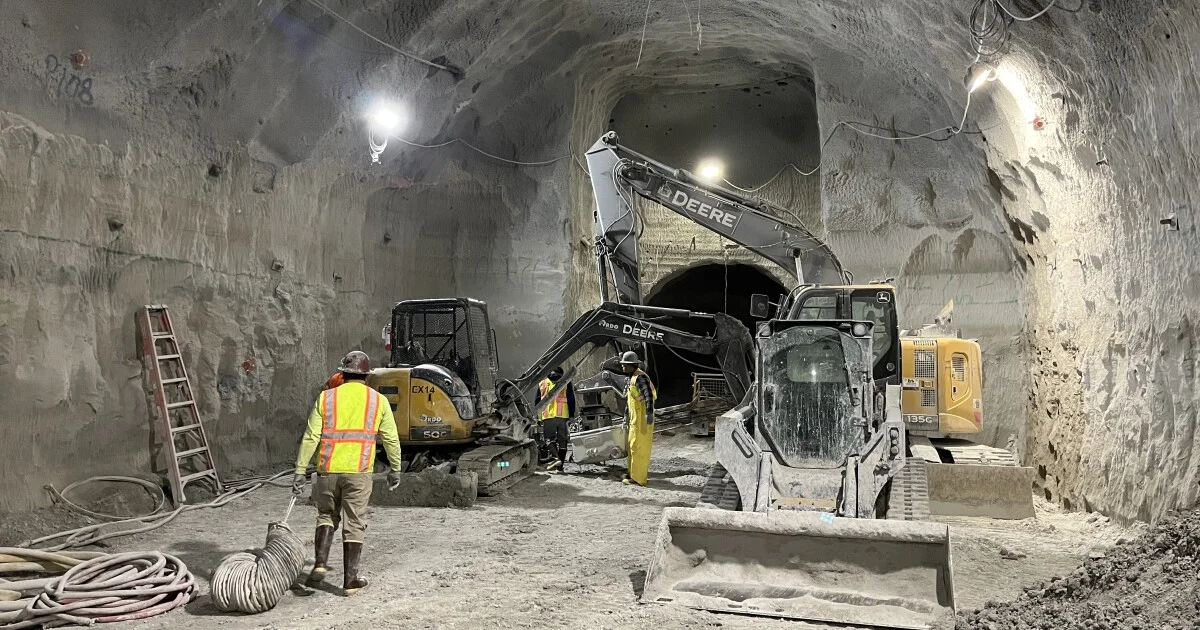
The Brushy Creek Regional Utility Authority has completed underground water tunnels under Lake Travis as part of a $225 million project to enhance water supply and drought resilience for three Williamson County cities, ensuring a reliable water source for the future.
The western US is experiencing a snow drought in 2026, worsened by atmospheric river storms that caused heavy rainfall and melting of snowpack, which is critical for regional water supplies. Warmer temperatures have led to more rain instead of snow, exacerbating water shortages and increasing risks of flooding and landslides. Scientists are working to improve predictions and understand storm impacts to better manage water resources amid climate change.
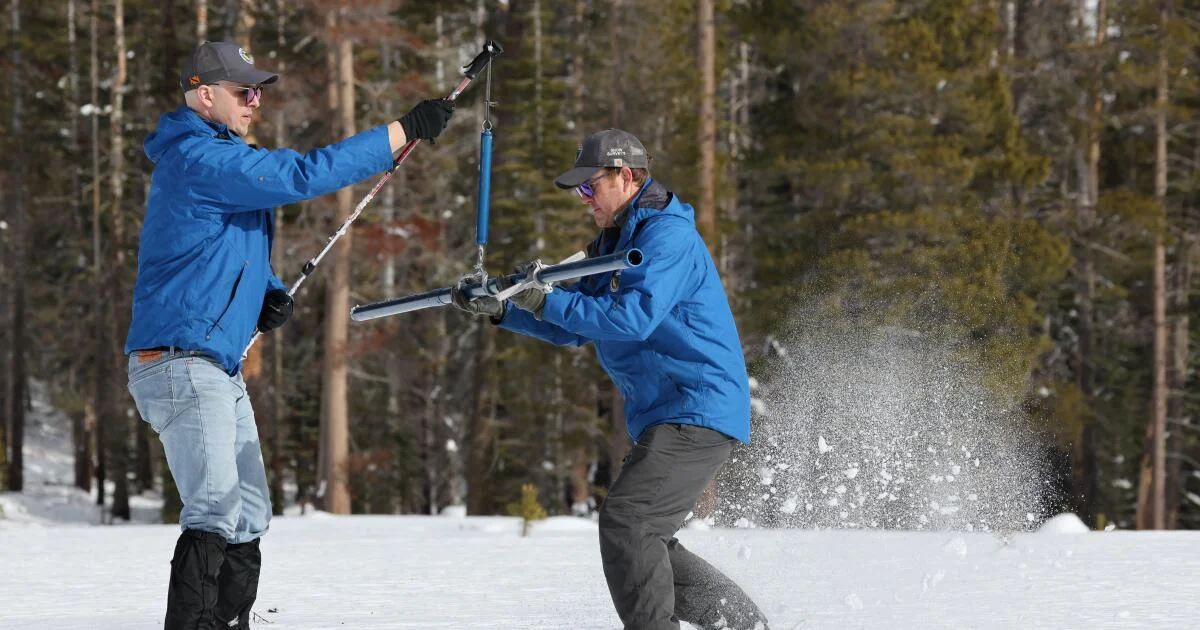
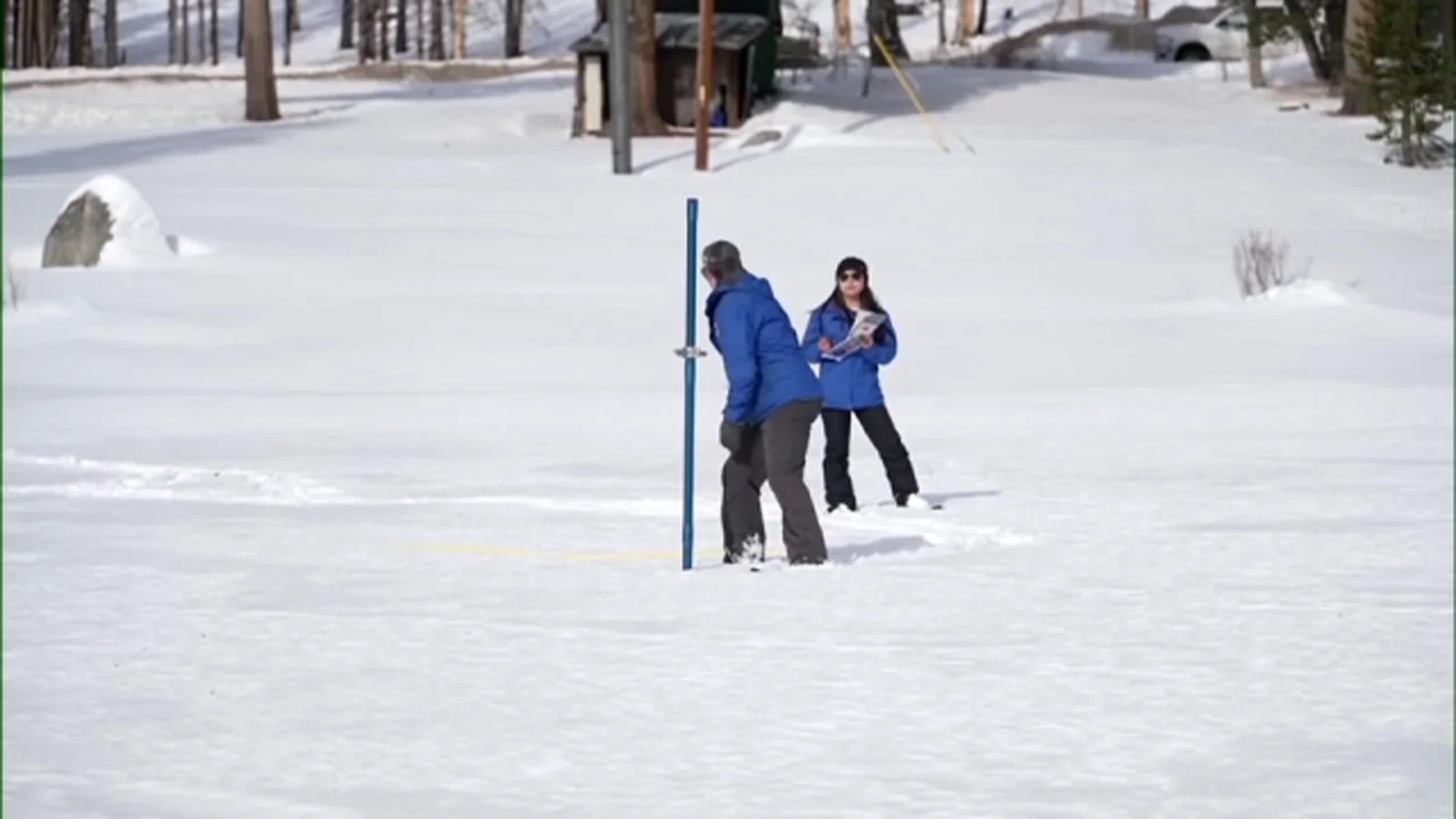
California's snowpack is currently below average at 71%, despite recent storms that temporarily improved conditions. The snowpack, crucial for the state's water supply, remains a concern due to variability influenced by atmospheric rivers and climate change, with the coming months critical for recovery. Reservoir levels are above normal, but the overall season's outcome remains uncertain, emphasizing the importance of continued storm activity.
California is starting 2026 with significantly below-average snowpack levels, at only 50% of the typical snow water content for this time of year, raising concerns about future water availability despite ample reservoir storage, as officials monitor the potential impact on water supplies amid changing precipitation patterns.
Colorado's snowpack is at its lowest level in over 50 years, which could lead to drought conditions and water shortages if the season doesn't improve in the coming months, though there is still potential for recovery in the snow accumulation during February to April.
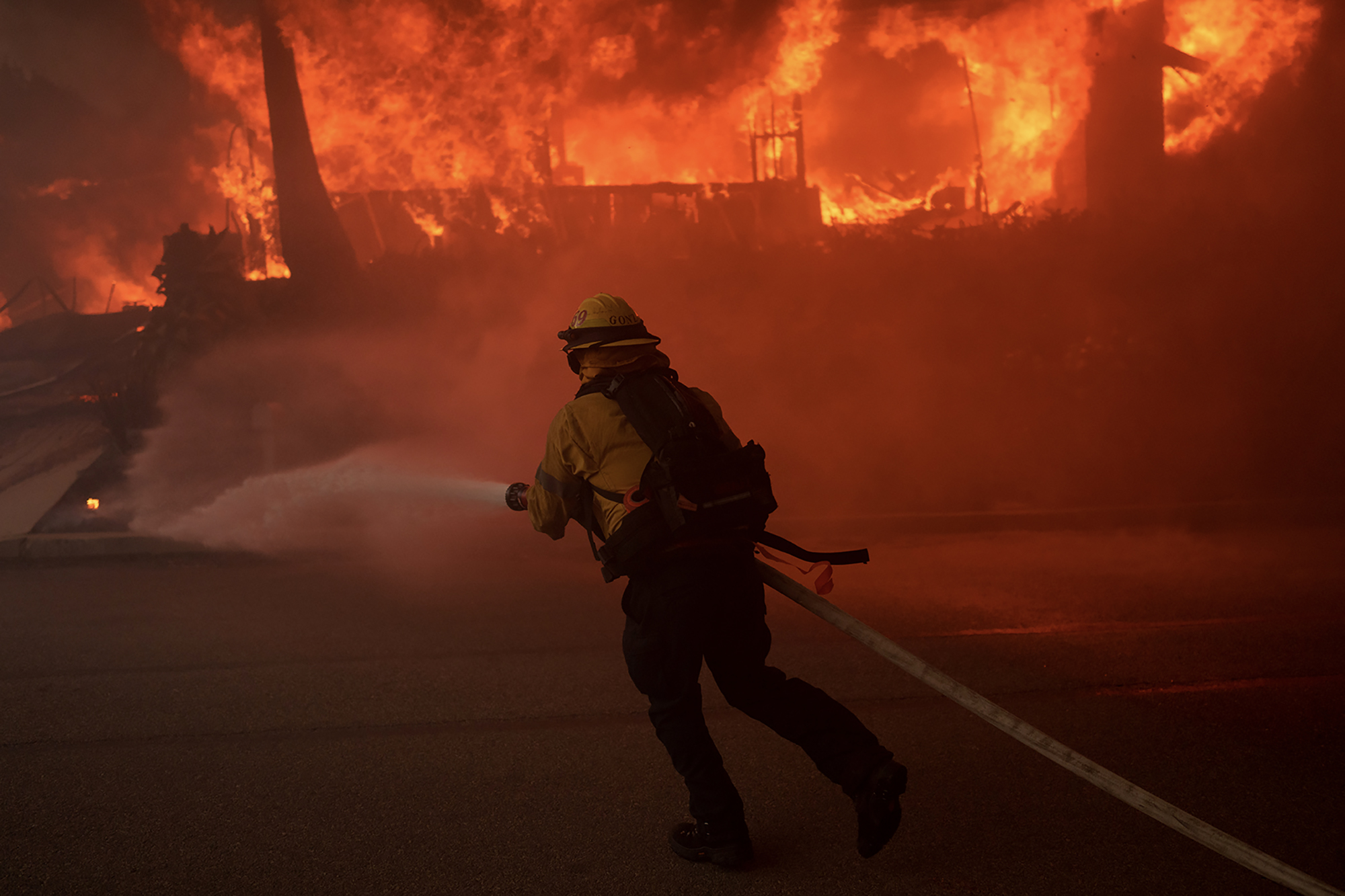
A study shows that hydrant failures during the Palisades fire were common and not unique, often caused by water system limitations and fire conditions, contradicting claims that water shortages or hydrant issues were the primary cause of fire damage, and highlighting how political and psychological factors influence public perception of fire response failures.
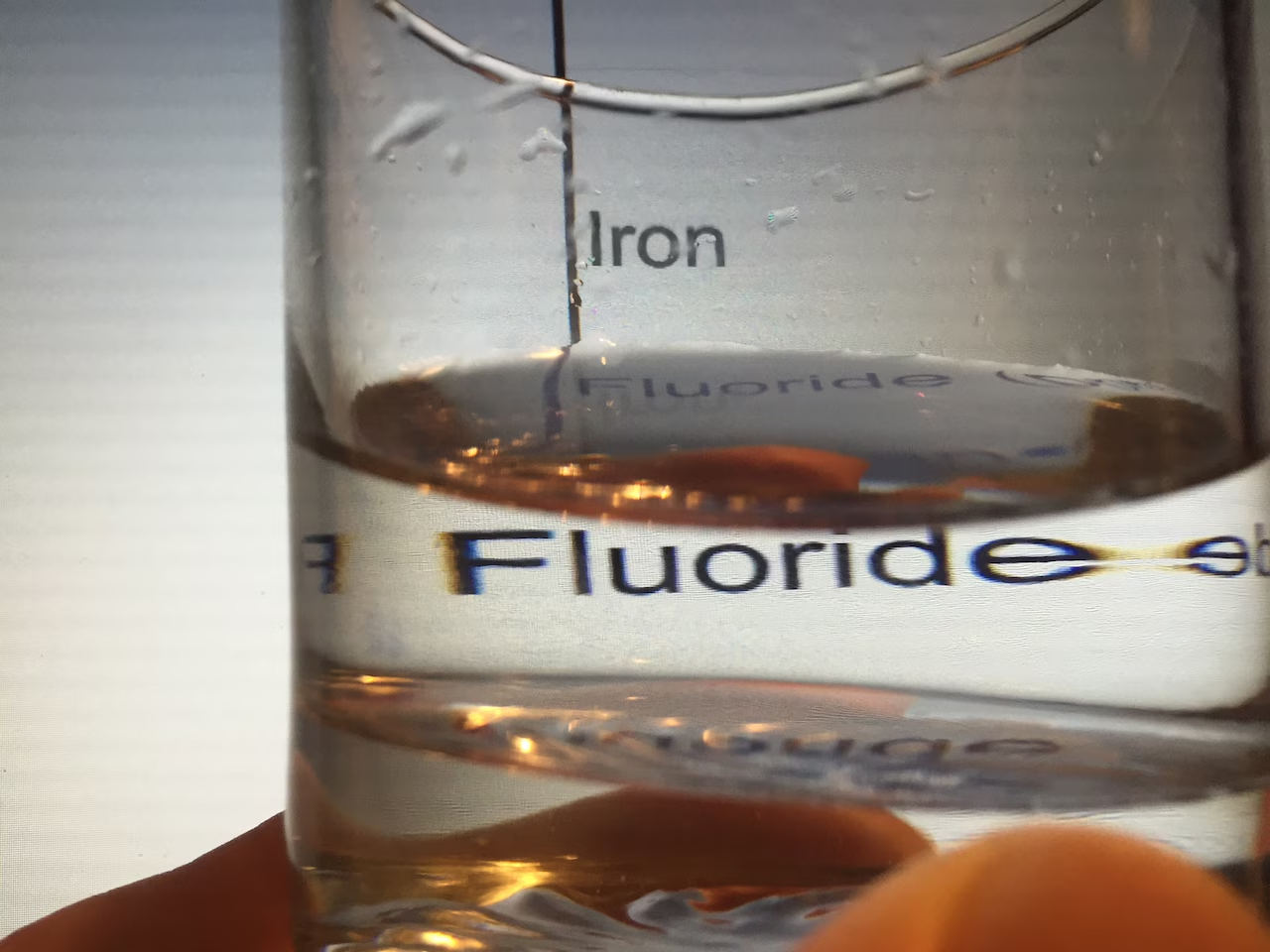
The debate over fluoride in water supplies has intensified following recent reports and a court ruling questioning its neurodevelopmental effects, despite its well-documented benefits in reducing tooth decay. While the CDC and major health organizations continue to endorse water fluoridation, citing no significant adverse health effects, new studies suggest potential links to lower IQ in children at higher exposure levels. This has prompted calls for updated risk-benefit analyses and further research, as some communities reconsider their fluoridation policies.
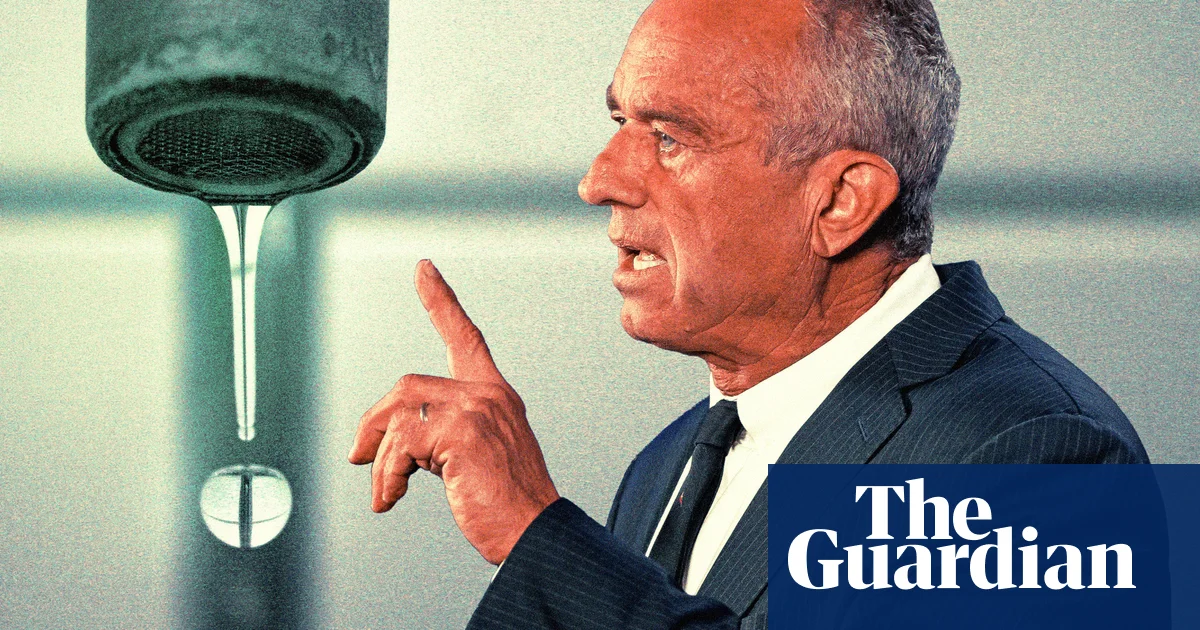
The role of fluoride in public water supplies is being reconsidered, with 98% of Illinois residents consuming fluoridated water. While dental professionals advocate for its benefits in preventing tooth decay, critics, including Robert F. Kennedy Jr., argue against its safety, citing potential health risks. The debate has intensified with recent legal and scientific developments questioning the safety of fluoride ingestion, despite longstanding support from health organizations. The future of water fluoridation remains uncertain as local and federal discussions continue.
Most European countries have stopped adding fluoride to their drinking water, not due to health concerns, but because of alternative fluoride sources, outdated evidence on its benefits, and issues of individual rights and logistics. While some countries like Ireland and parts of the UK still fluoridate water, many others never adopted the practice or ceased it without citing health risks. The debate on fluoridation is largely inactive in Europe, with countries like the Netherlands focusing on legal and ethical considerations rather than health impacts.
The city of Lebanon, Oregon, has gained national attention after a narrow majority of residents voted to stop adding fluoride to the water supply. This decision has been linked to Robert F. Kennedy Jr., a known pharmaceutical skeptic, who is set to become President-elect Donald Trump's health secretary. The vote reflects ongoing debates over public health measures and fluoride's role in water treatment.
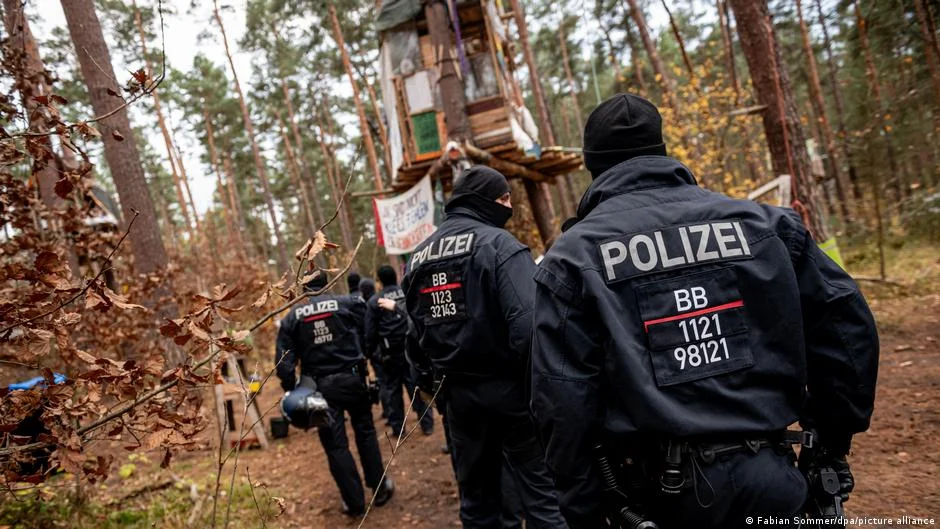
Police in Grünheide, Germany, have begun removing environmental activists from a forest camp near Tesla's gigafactory site, citing the need to search for unexploded WWII bombs. Protesters oppose the factory's expansion due to concerns over deforestation and water usage impacting local supplies. Authorities claim the operation is solely for safety checks, but protesters argue it's a pretext to clear the camp, accusing officials of ignoring local opposition to the expansion.
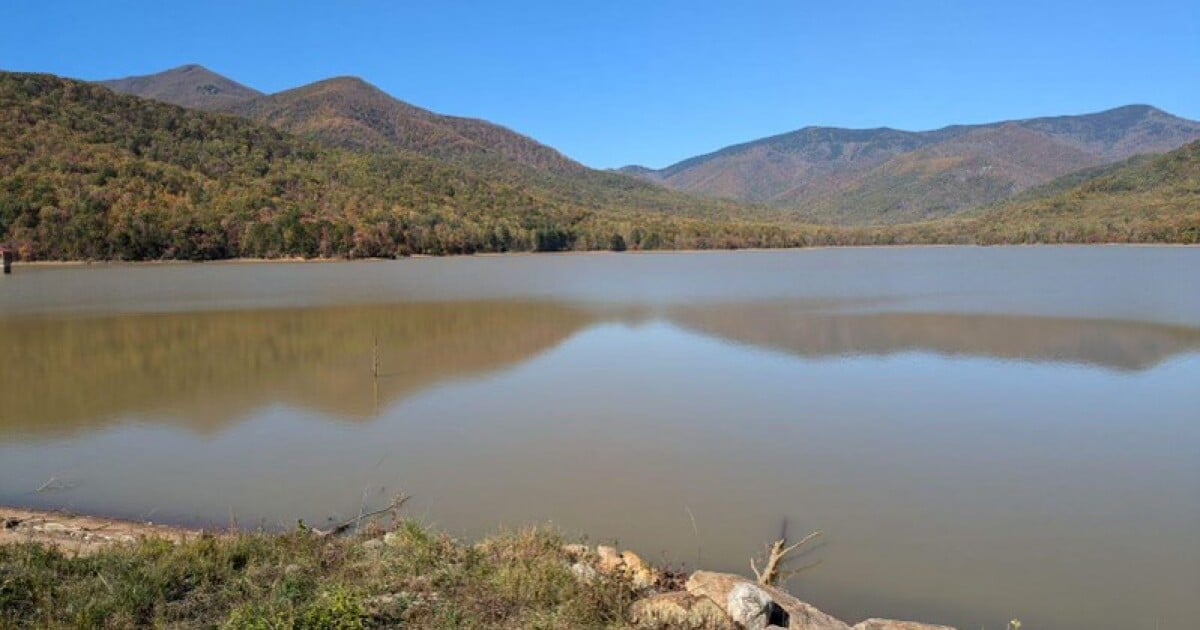
Asheville has lifted its boil water notice after a 53-day water crisis caused by Hurricane Helene, which led to high sediment levels in the North Fork Reservoir. The city confirmed the water's safety after testing 120 samples, but residents are advised to limit large water usage temporarily. The crisis began when the storm disrupted the main water supply, but the system has been flushed of untreated water since last week.
Environmental groups in Memphis are concerned about the impact of Elon Musk's supercomputer facility, which will require one million gallons of water and enough electricity to power 100,000 homes daily. They urge the use of greywater and solar energy to mitigate the strain on local resources and call for legal agreements to ensure environmental responsibility. MLGW assures that the facility's needs will be met without risking the power grid or water supply.