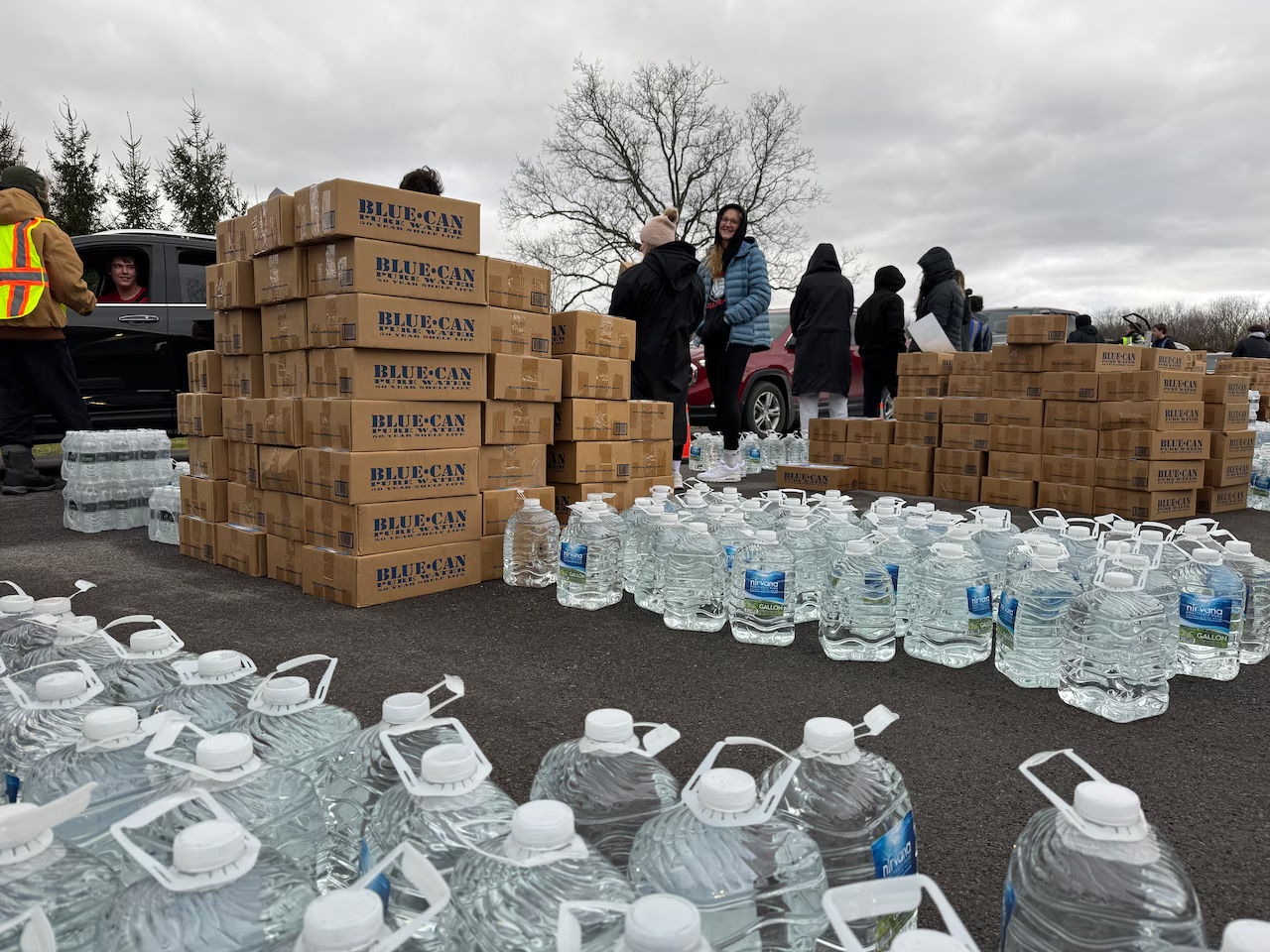
Madison County in Central New York is experiencing a water shortage due to a major pipe rupture, prompting residents and businesses to reduce water usage during Christmas week, with officials urging conservation efforts and implementing restrictions to prevent the system from running dry.
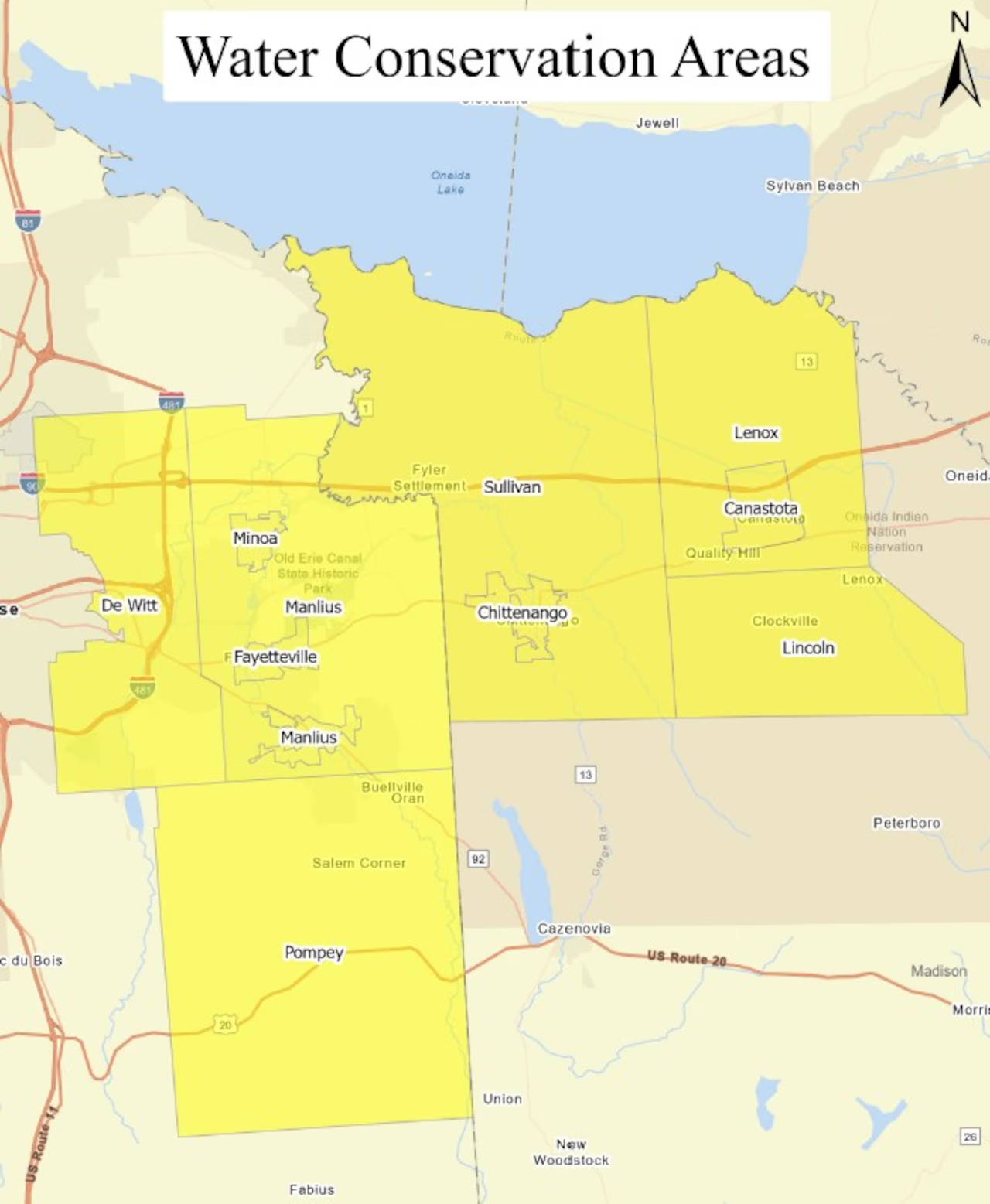
The Onondaga County Water Authority has issued mandatory water restrictions across six towns in Central New York due to a major water main break, leading to reduced water pressure and potential shortages, with repair efforts expected to take up to two weeks.
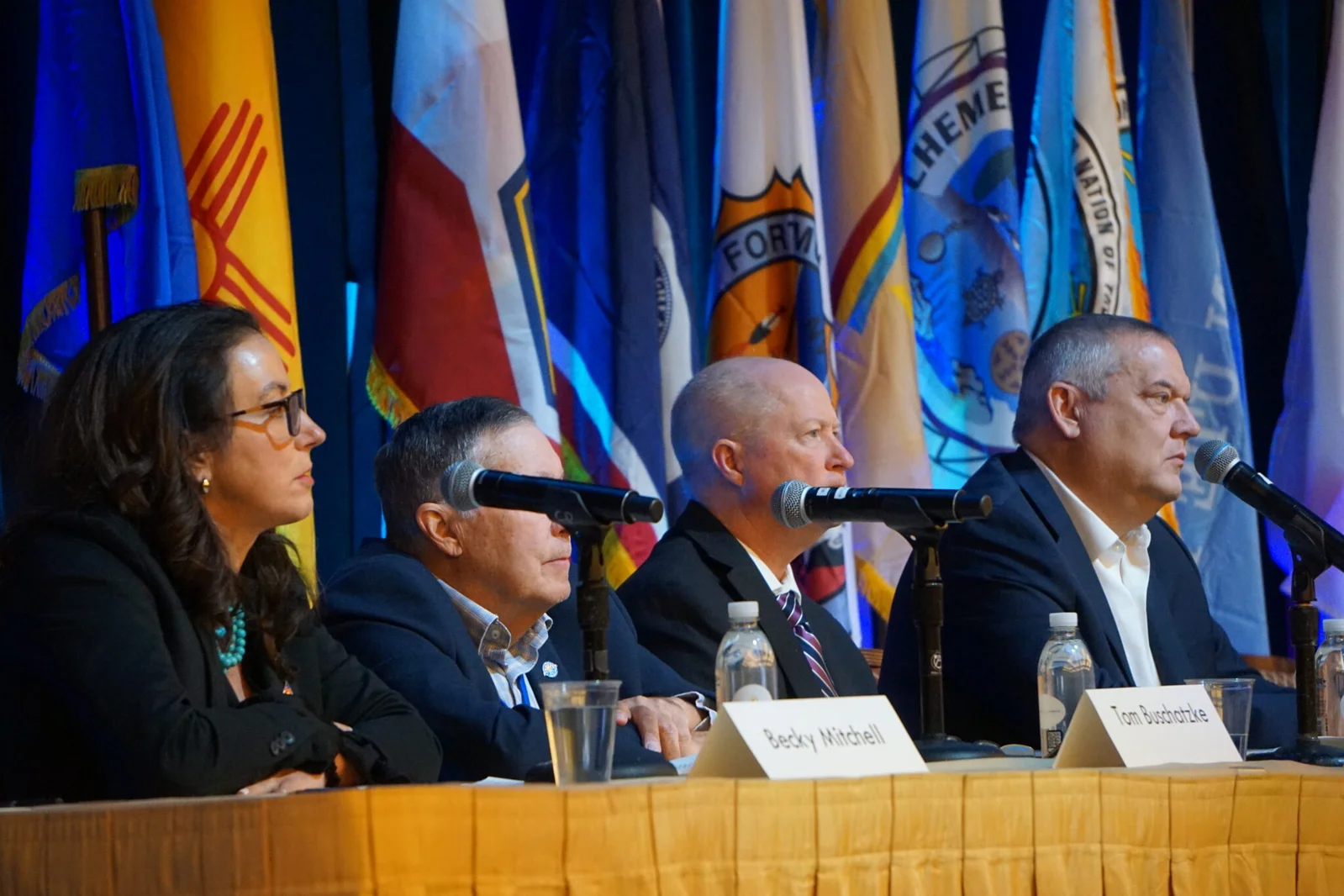
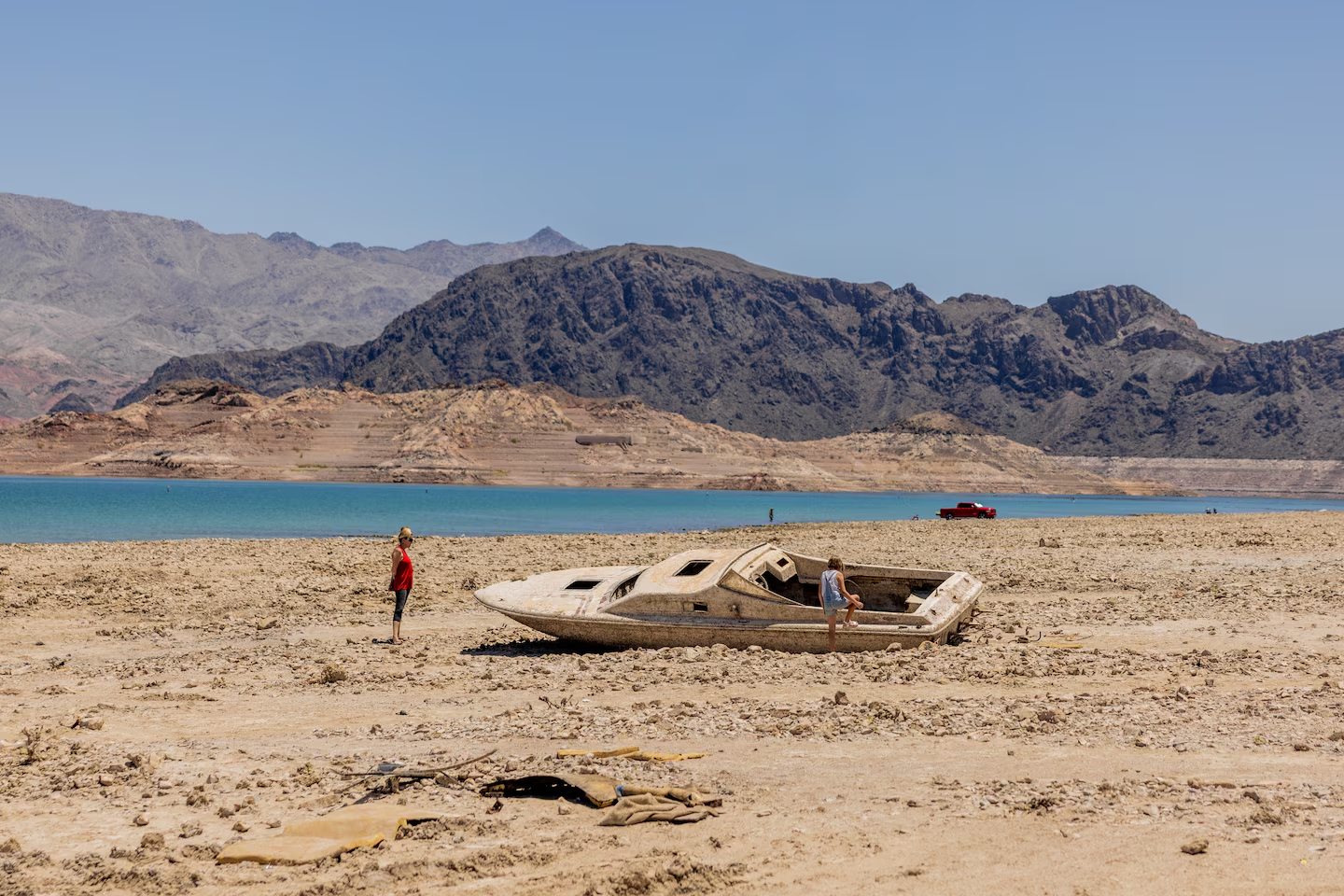
Western states relying on the Colorado River face a tight deadline to reach a new water-sharing agreement by February 14, amid worsening drought conditions, declining reservoir levels, and disagreements over water cuts, with federal officials urging a compromise to prevent severe shortages and potential hydropower loss.
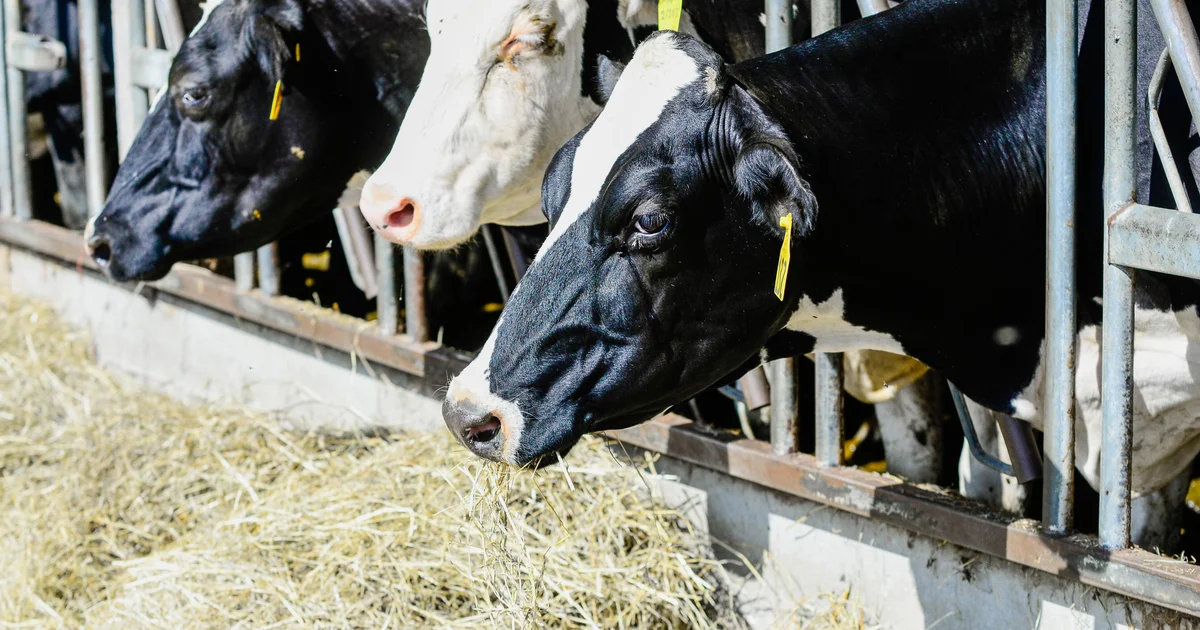
A severe drought in Vermont is significantly impacting dairy farmers by reducing crop yields, increasing costs for supplemental feed and water, and threatening the state's vital dairy industry, with government assistance still pending as farmers adapt to increasingly extreme weather conditions.
The PGA Tour has canceled The Sentry tournament at Kapalua, Maui in 2026 due to severe drought and water restrictions, which also threaten the local economy and charitable contributions that the event supports, highlighting ongoing water management issues and their broader community impacts.
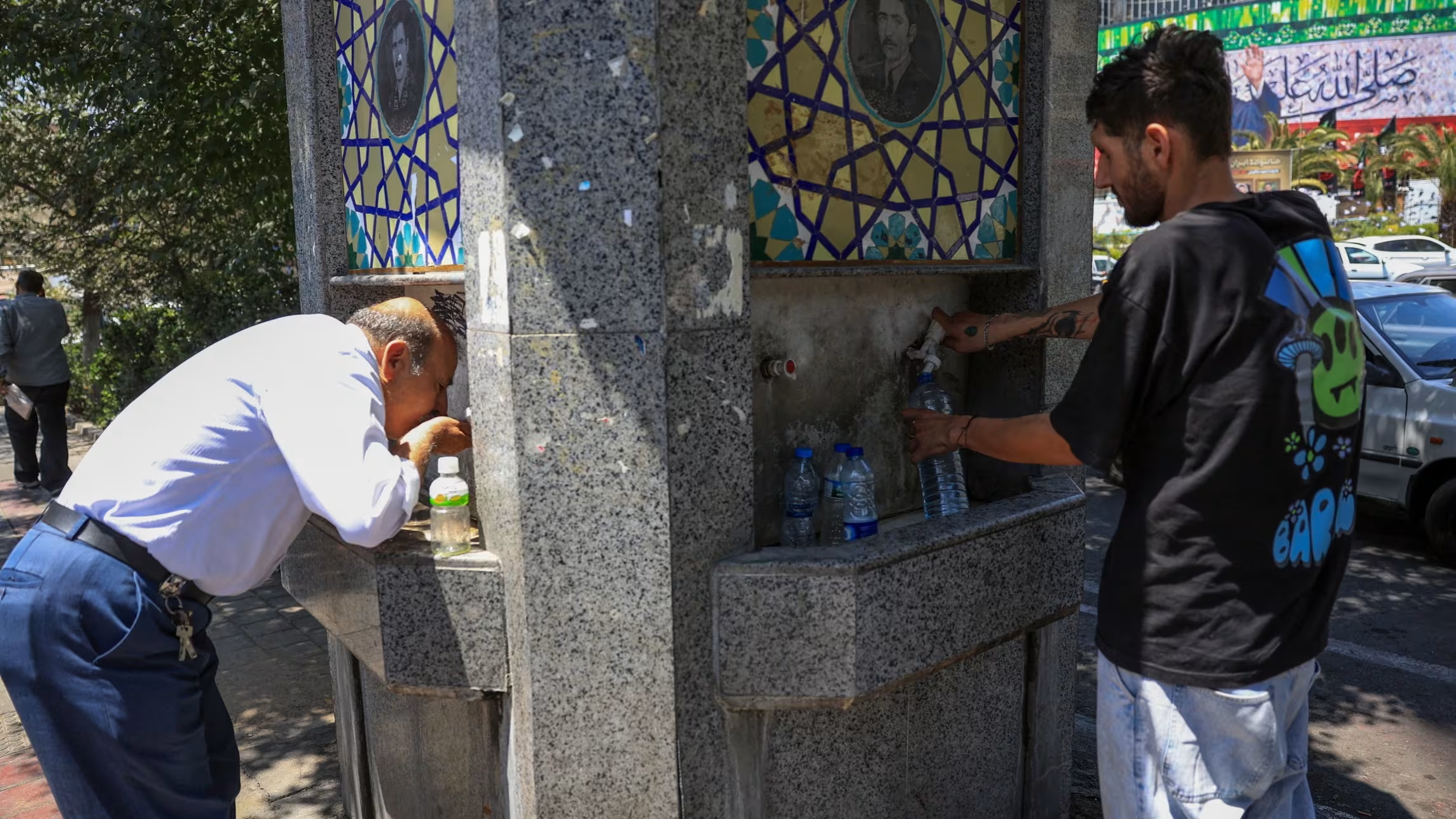
Tehran has declared a public holiday to address the ongoing water shortage crisis, highlighting the severity of water scarcity issues in Iran amid climate challenges.
Iran is facing a severe water crisis with the potential for 'Day Zero' when water supplies could be exhausted, driven by a five-year drought, mismanagement, and increased dam construction, prompting emergency measures and international criticism.
The surge in global lithium demand for renewable energy technologies is causing significant environmental damage in Chile's Atacama Desert, including water shortages and harm to local ecosystems and communities, raising concerns about the environmental costs of green tech.
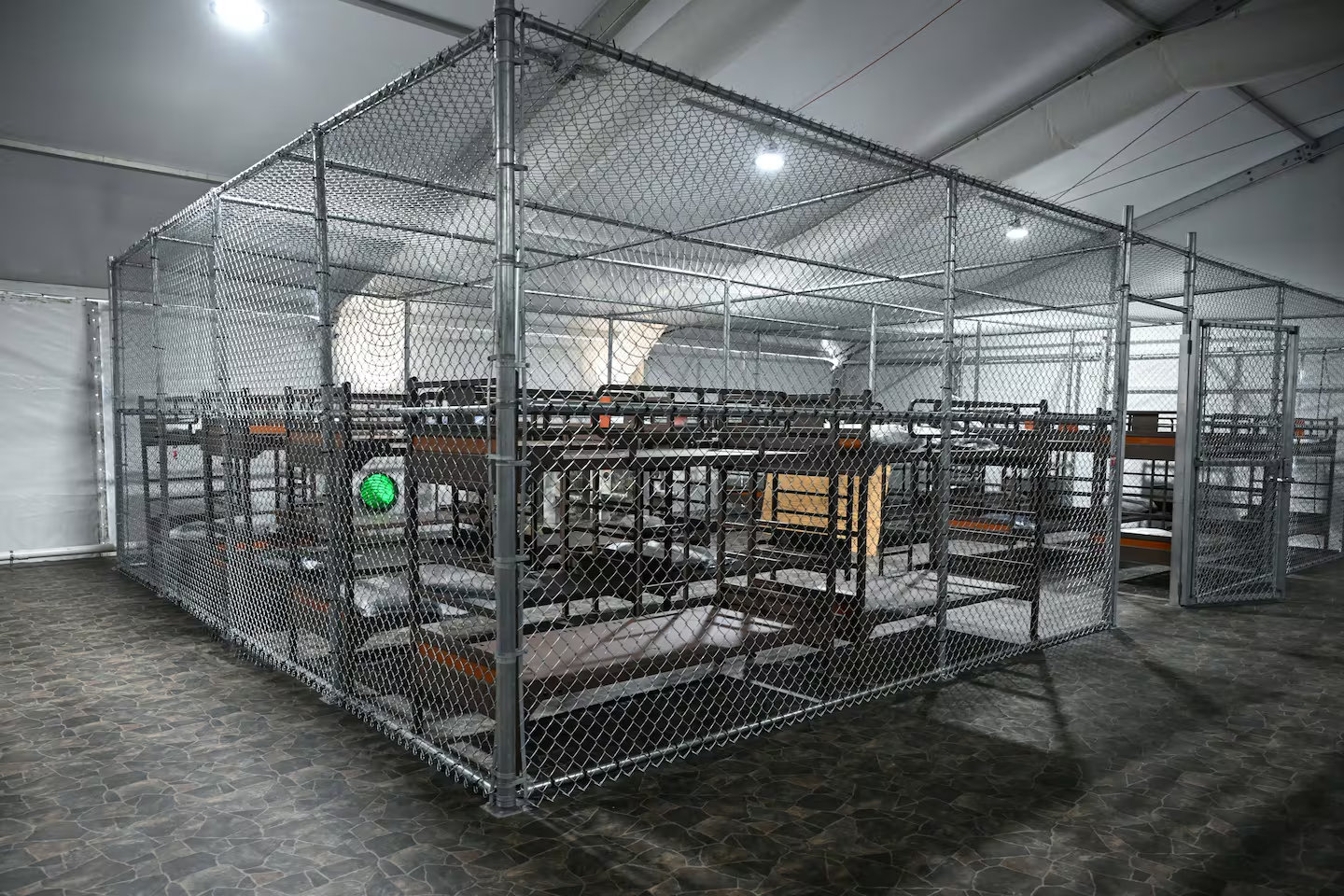
A newly opened temporary migrant detention center in the Everglades faces significant logistical issues, including mosquito infestations, water shortages, and inadequate facilities, two weeks after its opening.
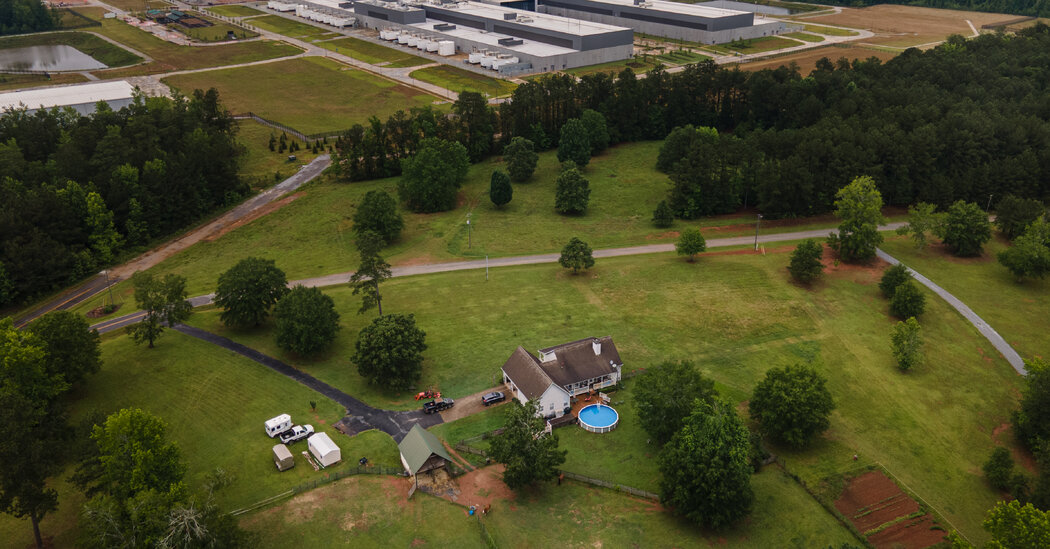
Meta's new $750 million data center in Newton County, Georgia, has caused significant water issues for nearby residents, including well water contamination and dry taps, raising concerns about the environmental impact of water-intensive data centers and the lack of regulation and planning for water resources in drought-prone areas.
A new study using satellite data reveals that groundwater in the Colorado River Basin has decreased by 27.8 million acre-feet since 2003, doubling the loss from reservoirs and indicating a severe underground water crisis in addition to surface water shortages.
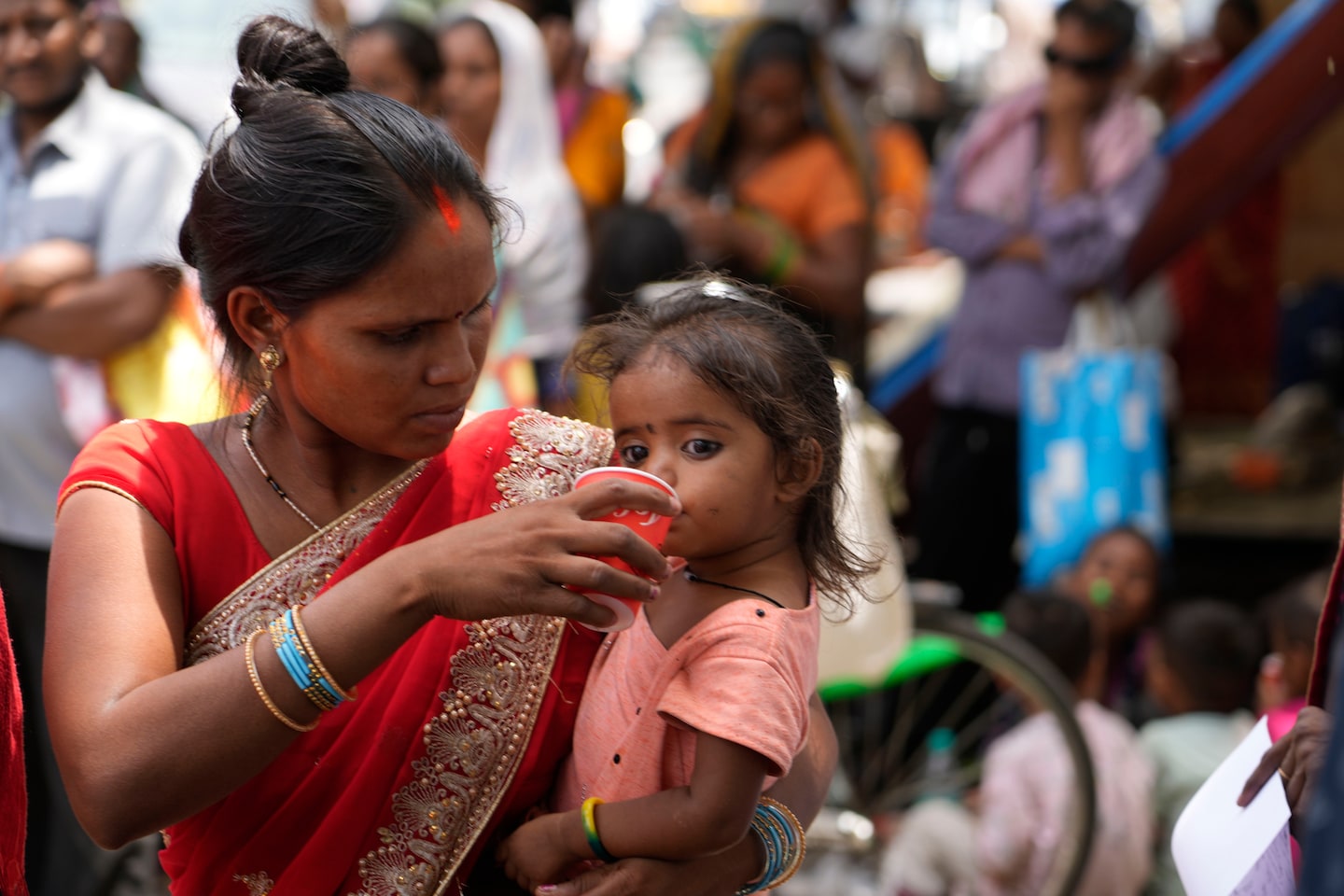
Delhi's poorest residents are suffering the worst effects of a severe heatwave, with temperatures reaching a record 49.9 degrees Celsius. The extreme heat has exacerbated water shortages, forcing the government to ration water deliveries. Many, like mother-of-six Poonam Shah, struggle to secure enough water for their families, while others, such as street vendors, must work in the scorching sun to survive. The crisis highlights the urgent need for climate adaptation strategies to protect vulnerable populations.
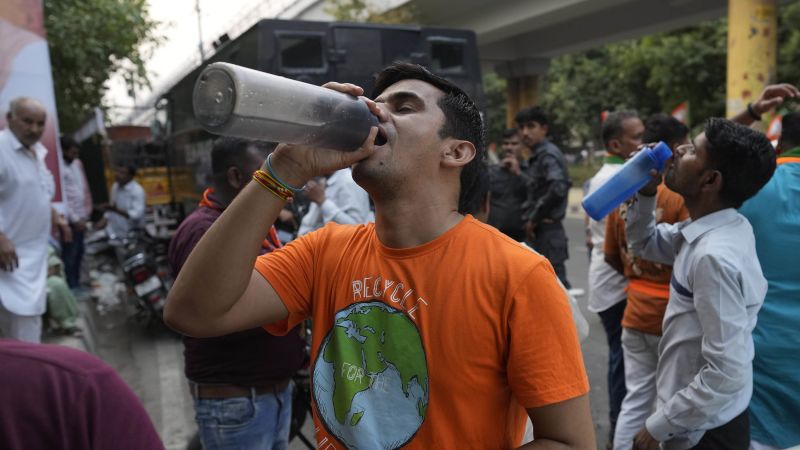
India is grappling with severe heat waves, leading to numerous deaths, water shortages, and wildfires. New Delhi recorded an all-time high temperature of 126 degrees Fahrenheit, causing heat-related illnesses and fatalities. The heat wave has strained water supplies and increased fire incidents, prompting officials to impose fines for water wastage and reduce water delivery in some areas. The crisis highlights the impact of climate change and urban heat on public health and infrastructure.
At least 15 people have died from heat-related ailments in northern and central India as temperatures soar to nearly 50C, exacerbating water and electricity shortages and increasing hospital admissions. The extreme heat coincides with India's general election, with fatalities reported among election officers and police. The National Centre for Disease Control warns of the high mortality rate of heat strokes, and experts note that heatwaves in India are becoming longer, more intense, and frequent.
Delhi residents are struggling to cope with record-breaking heat, with temperatures reaching up to 49C (120F). Chronic water shortages and frequent power outages have exacerbated the situation, making life unbearable for many, especially the poor who cannot afford air conditioning. The Delhi government has set up a heatwave "war room" to dispatch water tankers, but the demand far exceeds supply. The extreme heat has led to increased health risks and even fatalities, highlighting the severe impact of the climate crisis on the city.