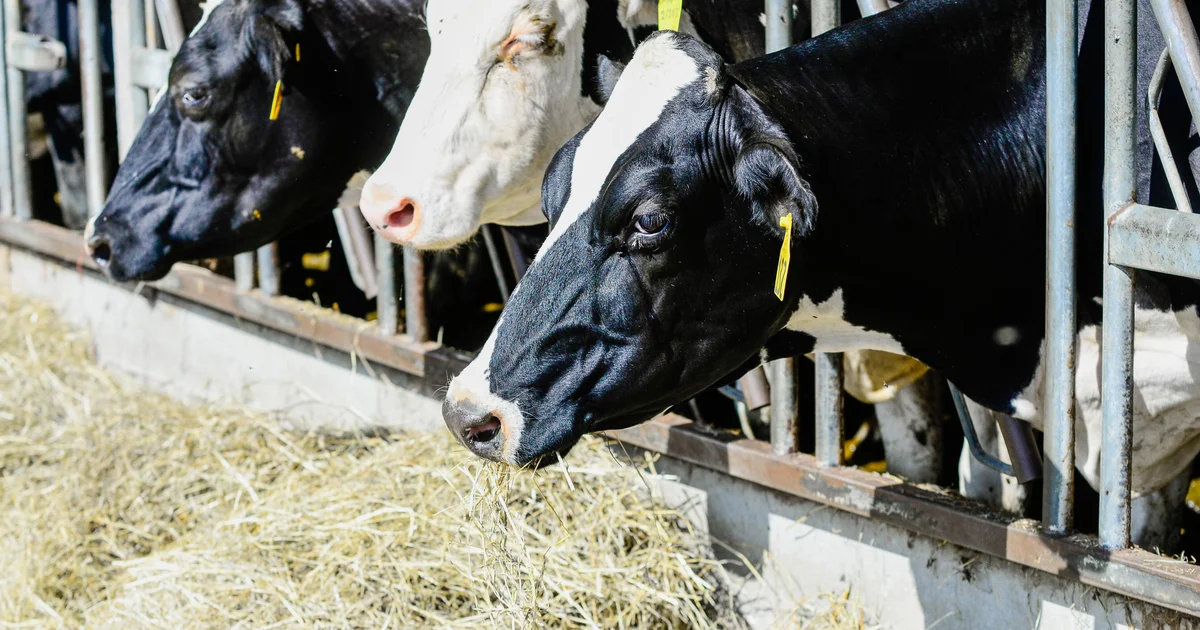
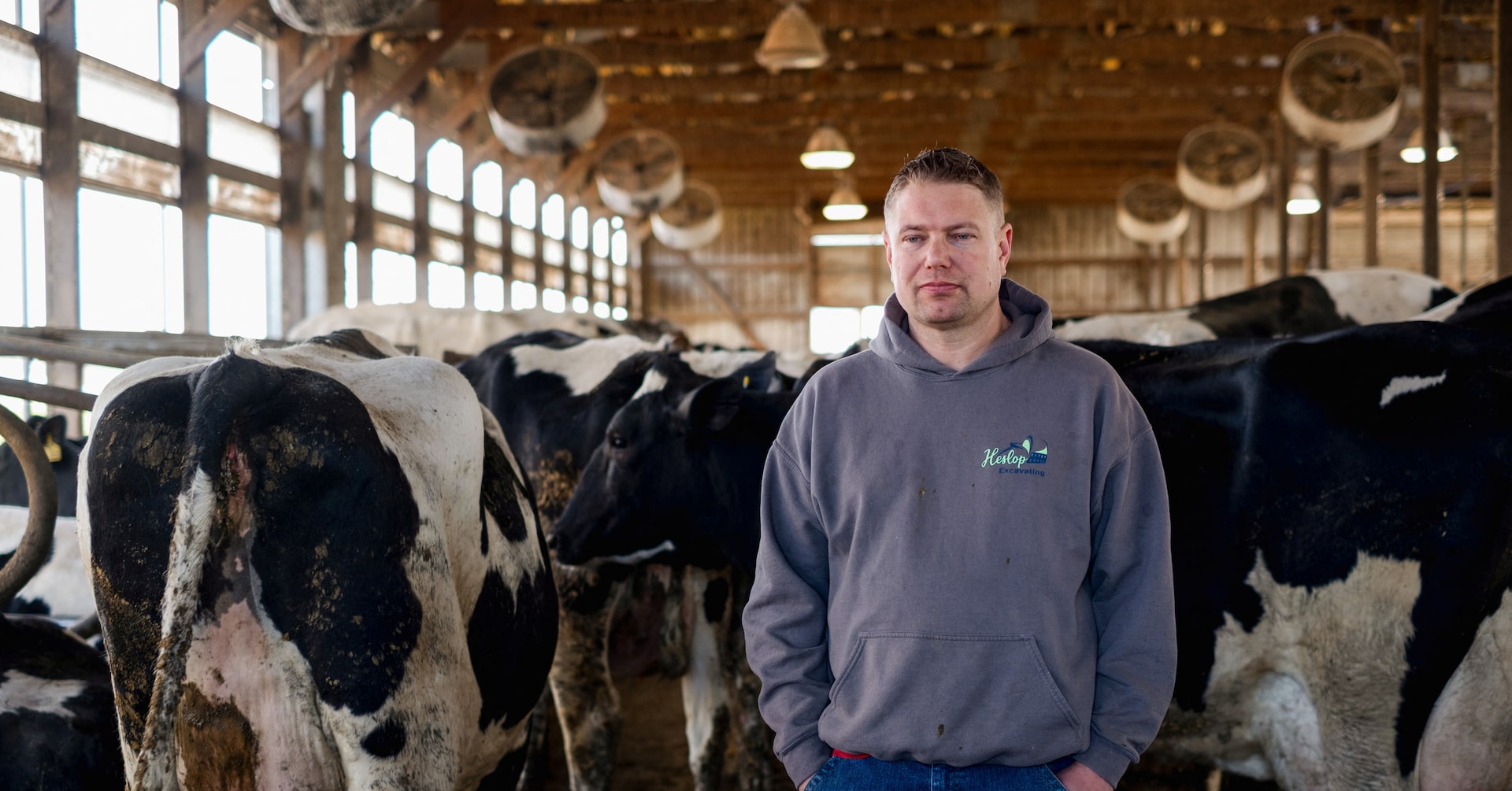
A severe drought in Vermont is significantly impacting dairy farmers by reducing crop yields, increasing costs for supplemental feed and water, and threatening the state's vital dairy industry, with government assistance still pending as farmers adapt to increasingly extreme weather conditions.
Dairy farmers in the United States are implementing biosecurity measures such as banning visitors, disinfecting vehicles, and cutting down trees to prevent the spread of bird flu, which has affected dairy herds in seven states. The outbreaks have led to reduced milk production and concerns about the virus spreading to animals and humans. Farmers are taking precautions to protect their herds, including isolating sick animals and monitoring for illnesses, while also facing challenges due to uncertainty over how the virus is spreading. The USDA has recommended minimizing cattle movement and testing milk samples, while some states have imposed additional requirements on shipments to protect their herds.
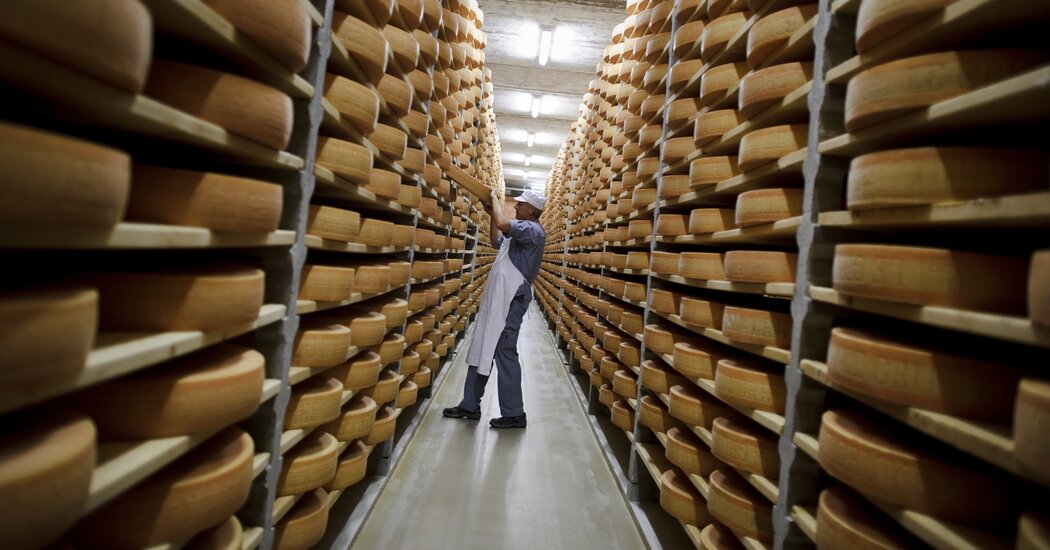
Switzerland, known for its cheese, has been importing more cheese than it exports, causing concern for farmers and traditionalists. The country's cheese trade balance has been shrinking since the market was liberalized in 2007, allowing trade with the EU without tariffs or quotas. Swiss consumers have developed a taste for foreign cheeses, leading to a decline in the consumption of local varieties. While economists say there is no need to panic, the influx of foreign cheese may challenge Swiss national identity. Swiss producers specialize in higher-value varieties for export, while imports are cheaper and softer, mainly from France. Inflation and a strong Swiss franc have also influenced the trade balance. While increased imports benefit Swiss consumers, it may affect farmers producing cheaper cheeses. The number of dairy farmers in Switzerland has declined, similar to the trend in the US, due to various economic and social factors.