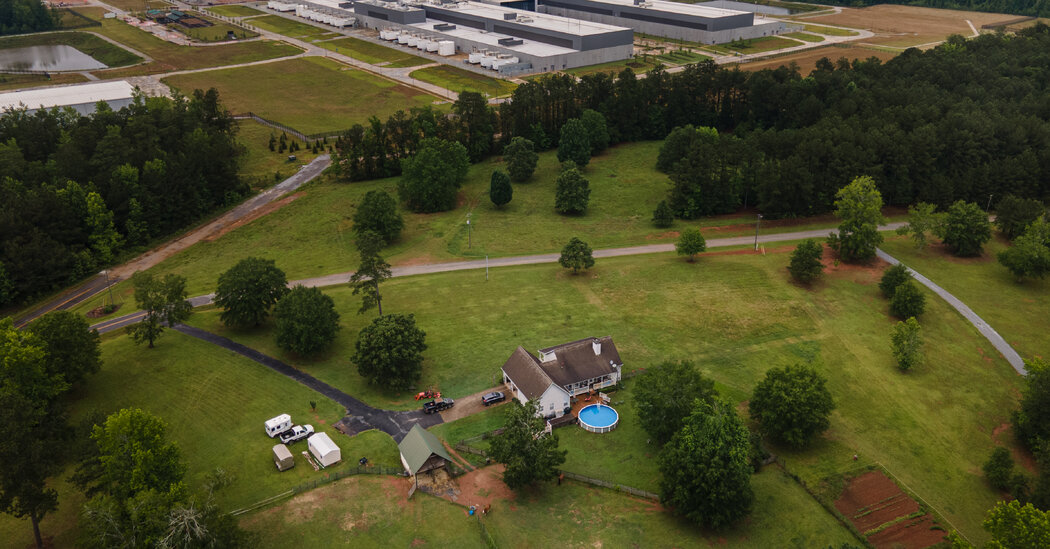
Meta's new $750 million data center in Newton County, Georgia, has caused significant water issues for nearby residents, including well water contamination and dry taps, raising concerns about the environmental impact of water-intensive data centers and the lack of regulation and planning for water resources in drought-prone areas.
Tens of millions of people in countries like Bangladesh, India, the US, and others are affected by arsenic-contaminated water, a result of well-intentioned public health efforts in the 1970s. Arsenic, a stealth killer, has been linked to a range of health issues and is difficult to detect without testing. The impacts of climate change, such as flooding and sea level rise, are exacerbating the problem by changing the chemistry of groundwater, pushing up arsenic levels. Despite efforts to tackle the contamination, the poisonous impacts are still widespread, and the situation could worsen. The stakes are getting higher as humans continue to burn planet-heating fossil fuels, which could change the parameters of this experiment with disastrous effect.
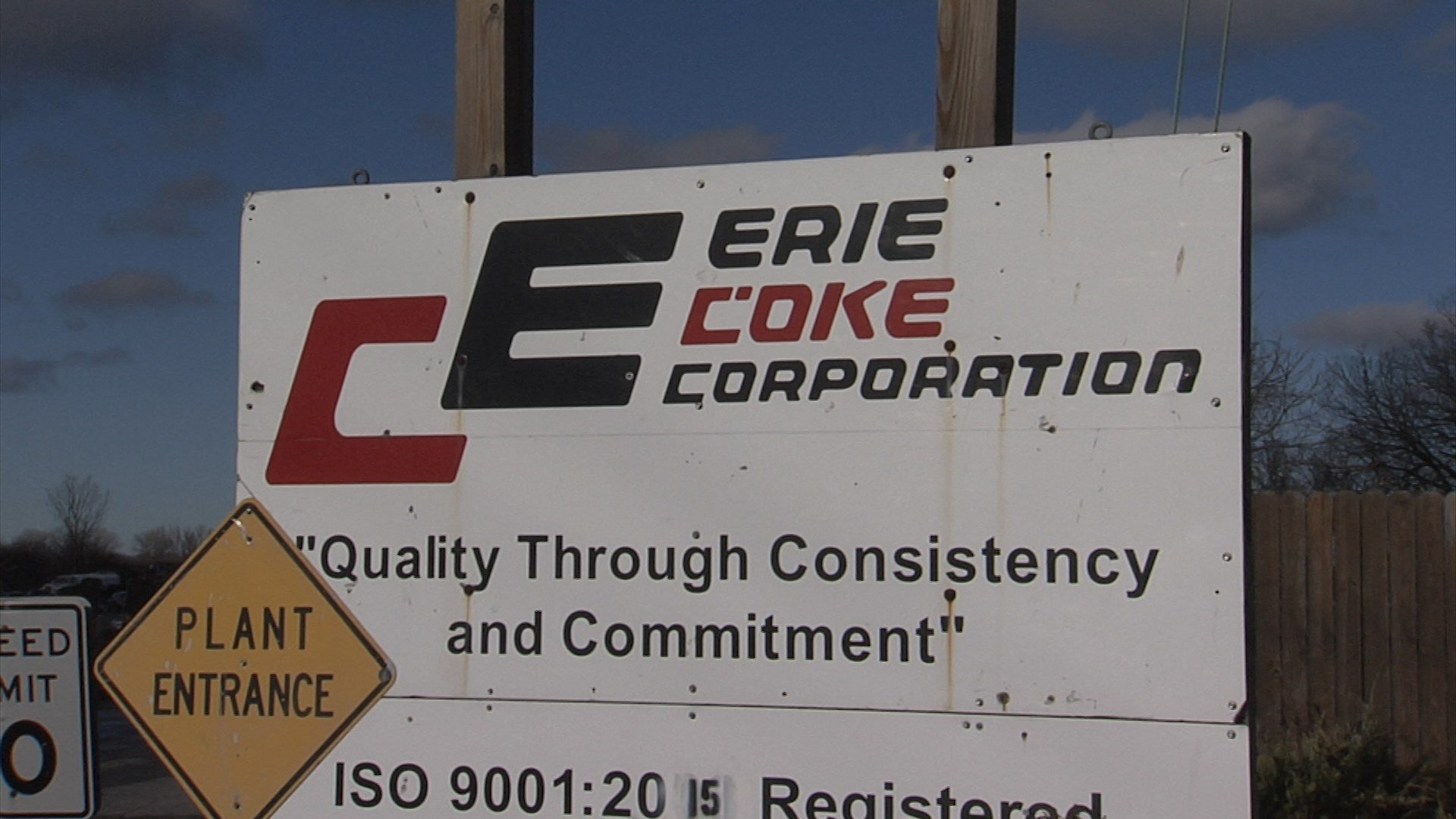
A state report commissioned by the Pennsylvania Department of Environmental Protection reveals that the Erie Coke Site poses a potential threat to human health and the environment. The report highlights unsafe levels of benzene in groundwater samples, arsenic and vanadium exceedances in soil samples, and the dumping of contaminated waste material along the Lake Erie shoreline. Additional testing is recommended to determine the extent of soil and water contamination, while a local advocacy group calls for increased transparency and community involvement in decision-making regarding the site.
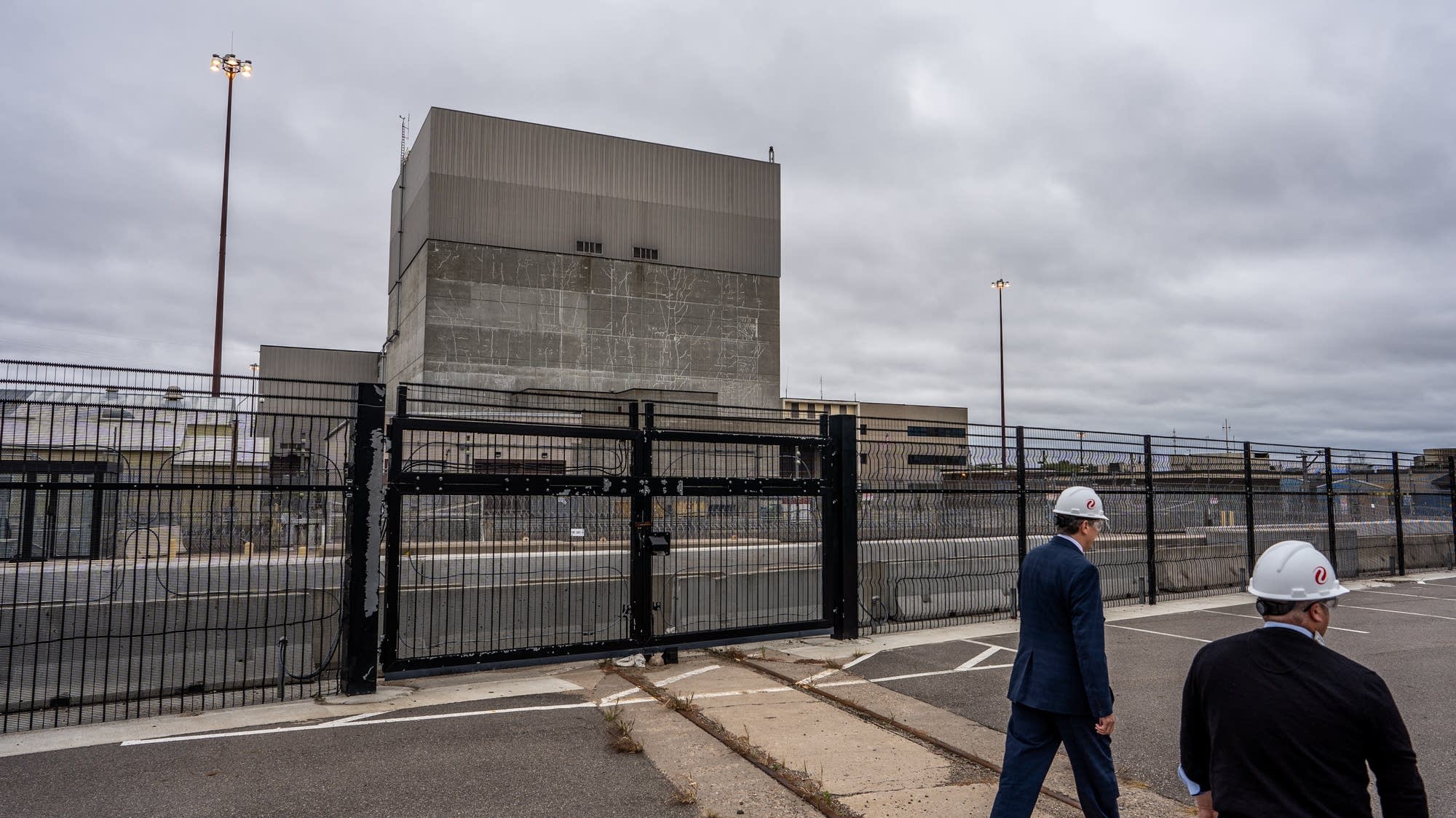
Xcel Energy's Monticello nuclear power plant in Minnesota experienced a radioactive water leak in November 2020, with about 400,000 gallons of water containing tritium leaking from a water pipe. The leak has been stopped and has not contaminated drinking water sources or reached the Mississippi River. The company is monitoring the groundwater plume and considering options for disposal of the collected tritium. The cause of the leak is still under investigation.