Negotiations over Colorado River allocations have stalled as Arizona, California, and Nevada press the federal government to intervene on Western water management amid ongoing drought, with critical decisions still unresolved.
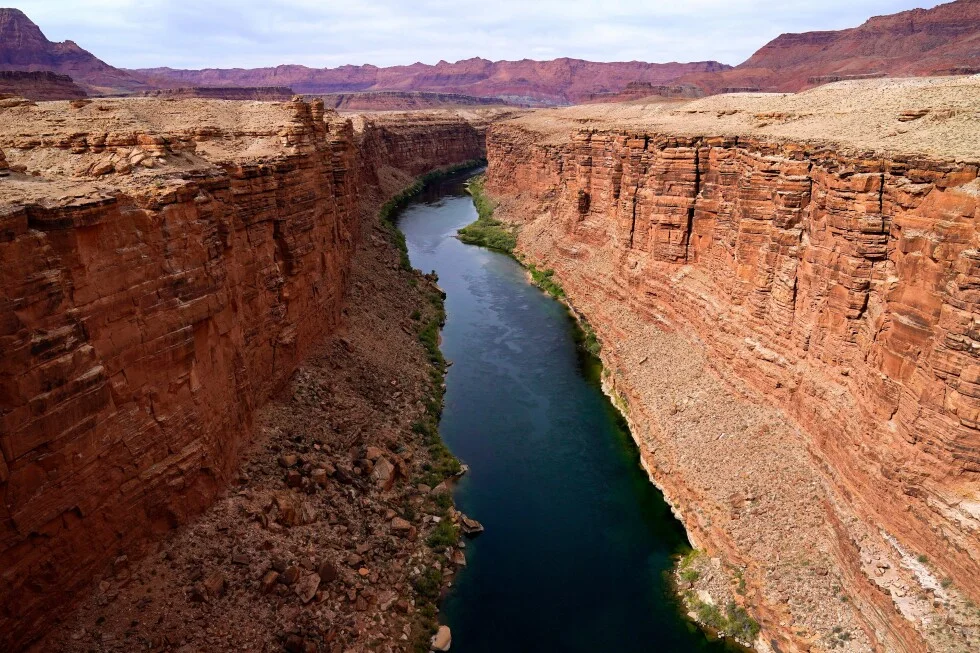
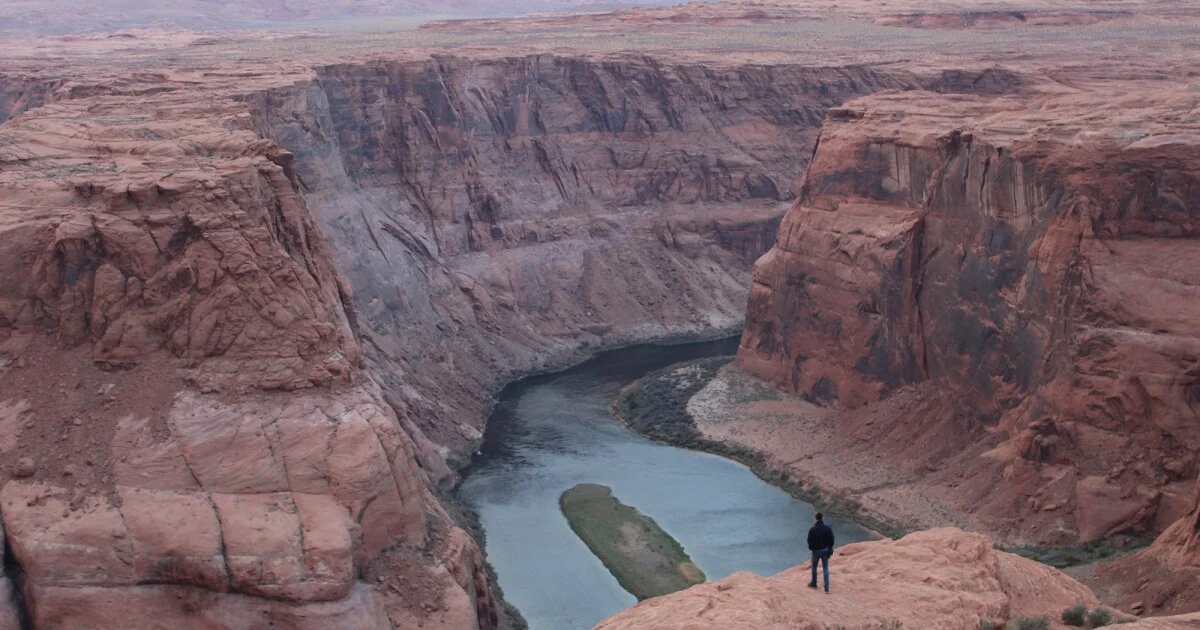
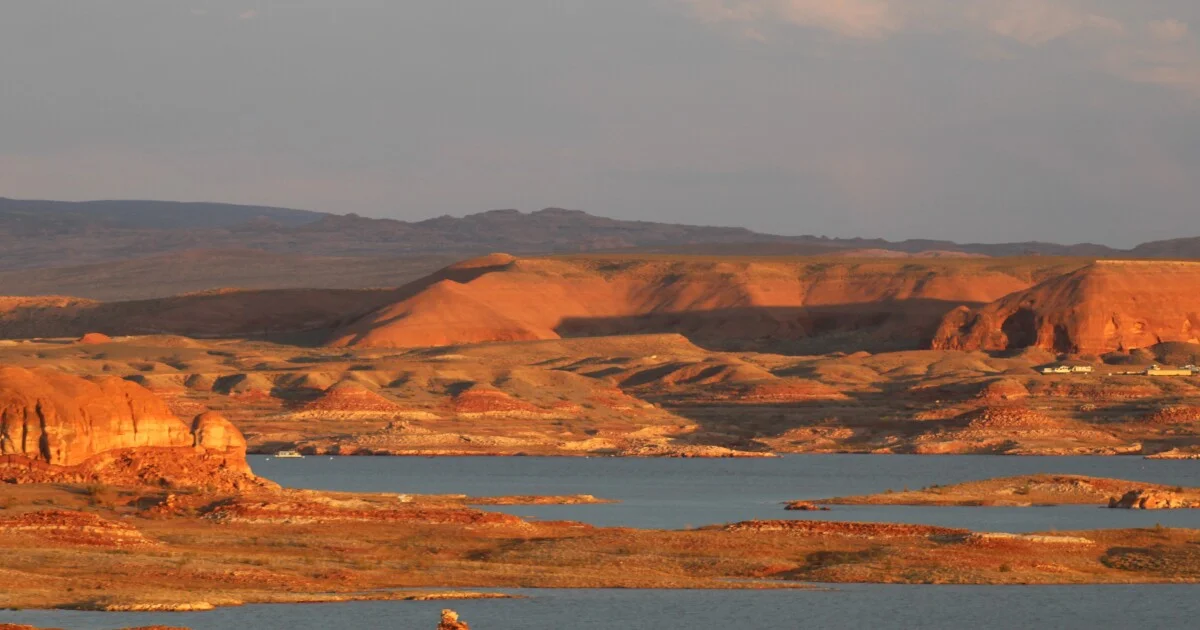
Colorado River negotiators failed to meet the federal deadline to adopt new water-sharing guidelines, heightening the risk of federally imposed cutbacks and lawsuits as climate-driven drought strains supplies for about 40 million people. The stalemate pits Upper Basin states arguing that hydrology requires tighter, shared limits against Lower Basin partners seeking equitable reductions, with talks continuing and federal action looming to avert a courtroom fight.
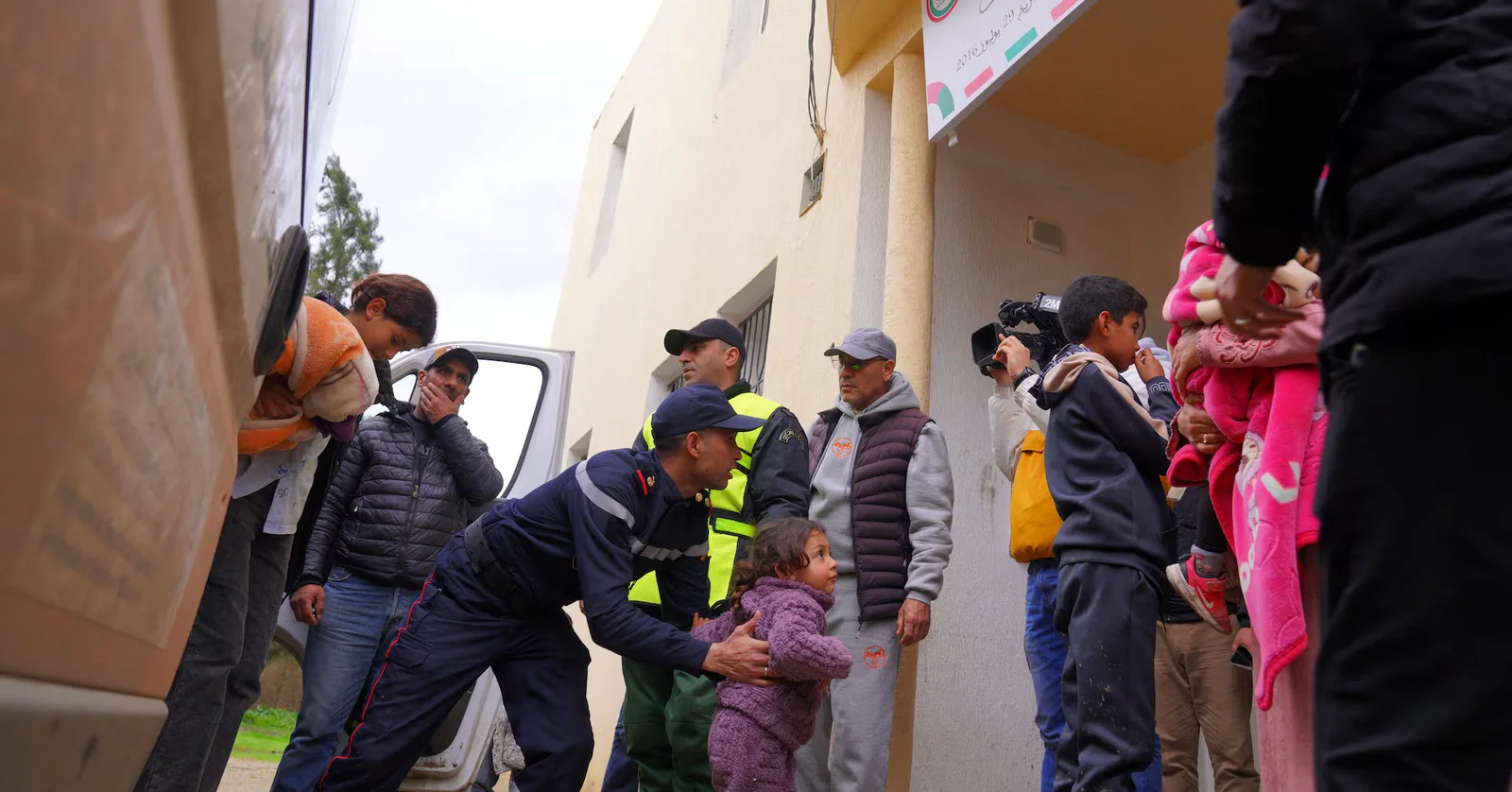
Morocco has ordered evacuations in flood-prone areas of its northwest as heavy rainfall, swollen rivers and dam releases push water levels higher, with authorities saying more than 108,000 people have been moved and the army and helicopters deployed for rescue.
Morocco evacuated more than 50,000 people from Ksar el-Kebir as weeks of heavy rain caused floods that threatened the city, with authorities opening shelters, barring entry, and deploying the army for evacuation and rescue efforts; the floods were worsened by water releases from a full dam, while nearby regions also evacuated villagers and reinforced riverbanks as drought ends and reservoirs near capacity.
A Virginia Tech study finds California's water use from 2000 to 2020 was consistently lower than suppliers’ projections, with five-year demand overestimates averaging 25% and 20-year estimates about 74%. The drop in per-capita demand, driven by efficiency programs and landscaping rebates, decouples use from population growth and supports drought resilience, but it also implies forecasts may be too high, potentially raising costs if extra supply or infrastructure is needed. The research highlights ongoing opportunities to save water across residential, commercial, and agricultural sectors and the importance of accurate forecasting for long-term planning.
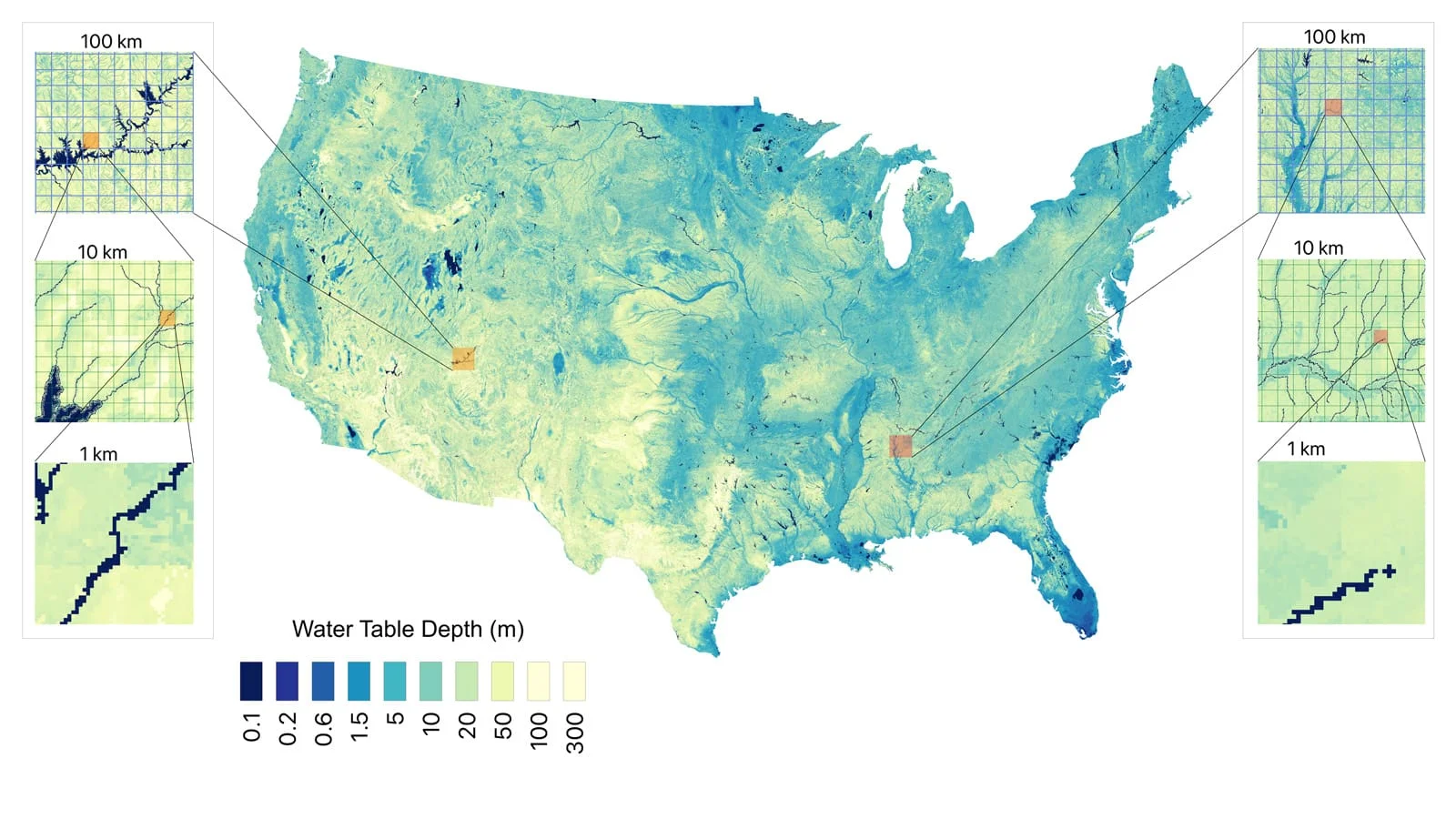
Researchers from Princeton and the University of Arizona created a high-resolution, AI-driven map of groundwater depth for the continental United States by combining over a million direct measurements with regional climate and geological data. The result estimates about 306,000 cubic kilometers of groundwater at a 30-meter grid (roughly 98 feet), revealing shallow supplies previously unknown and enabling more informed irrigation, conservation, and water infrastructure decisions. The model also quantifies uncertainty at each location and is designed for global expansion via the HydroFrame platform, signaling a shift toward data-driven, local-scale groundwater management.
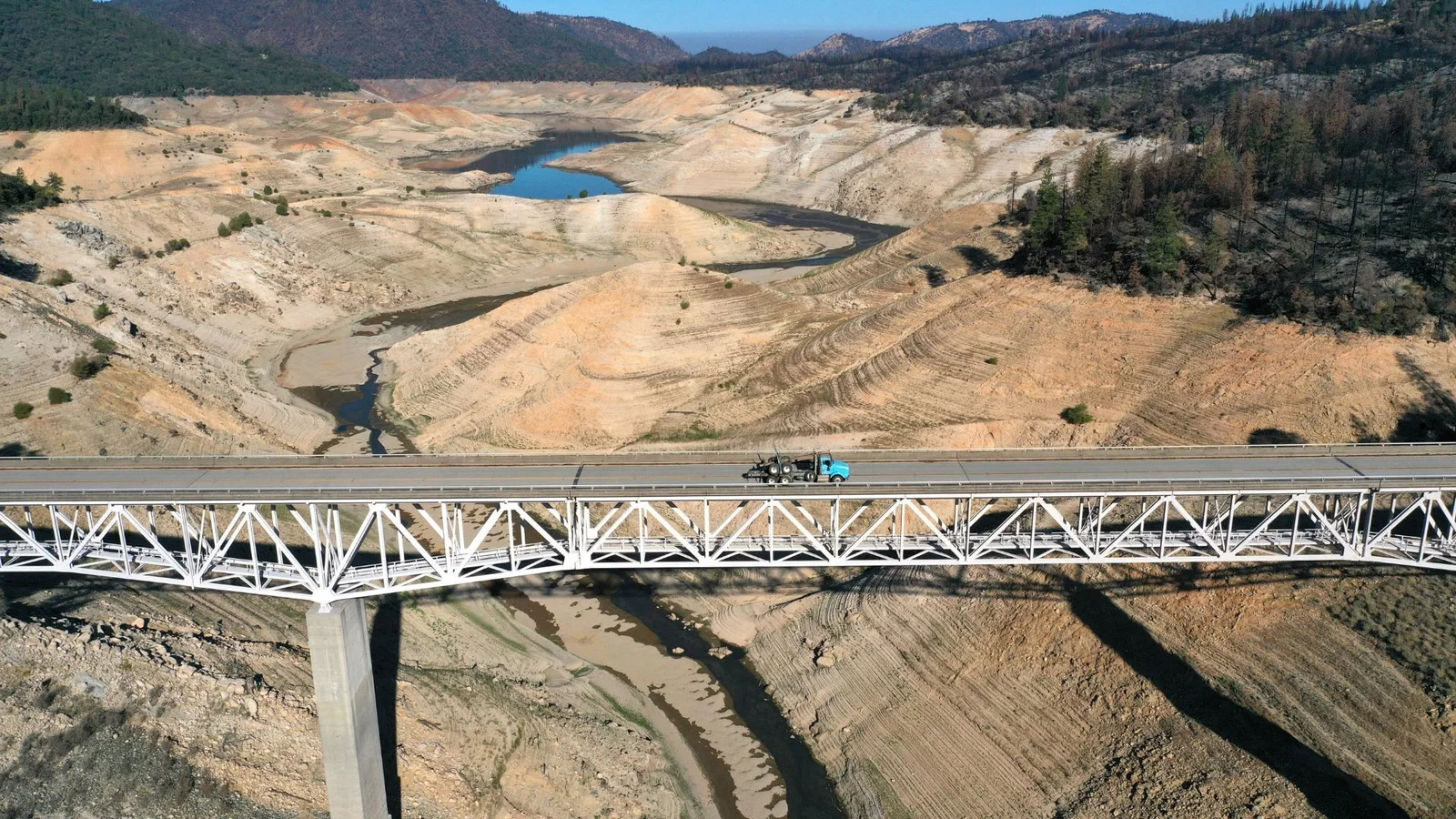
The Interior Department published five potential future management options for the drought-stricken Colorado River, ranging from action as usual to scenarios that could trigger water cuts for California, Nevada, and Arizona; no preferred option is identified, and any plan requires agreement among the seven basin states, with deadlines such as Feb. 14 for an agreement and Oct. 1 for a final decision. Public comment is open through early March as Lake Powell and Lake Mead sit at roughly 27% and 33% capacity.
A new report highlights the alarming loss of freshwater from Earth's continents, amounting to enough water annually to meet the needs of 280 million people, primarily caused by groundwater extraction and climate change. It emphasizes the importance of improved water management, efficient agricultural practices, and global water trade to combat this crisis and ensure sustainable water use worldwide.
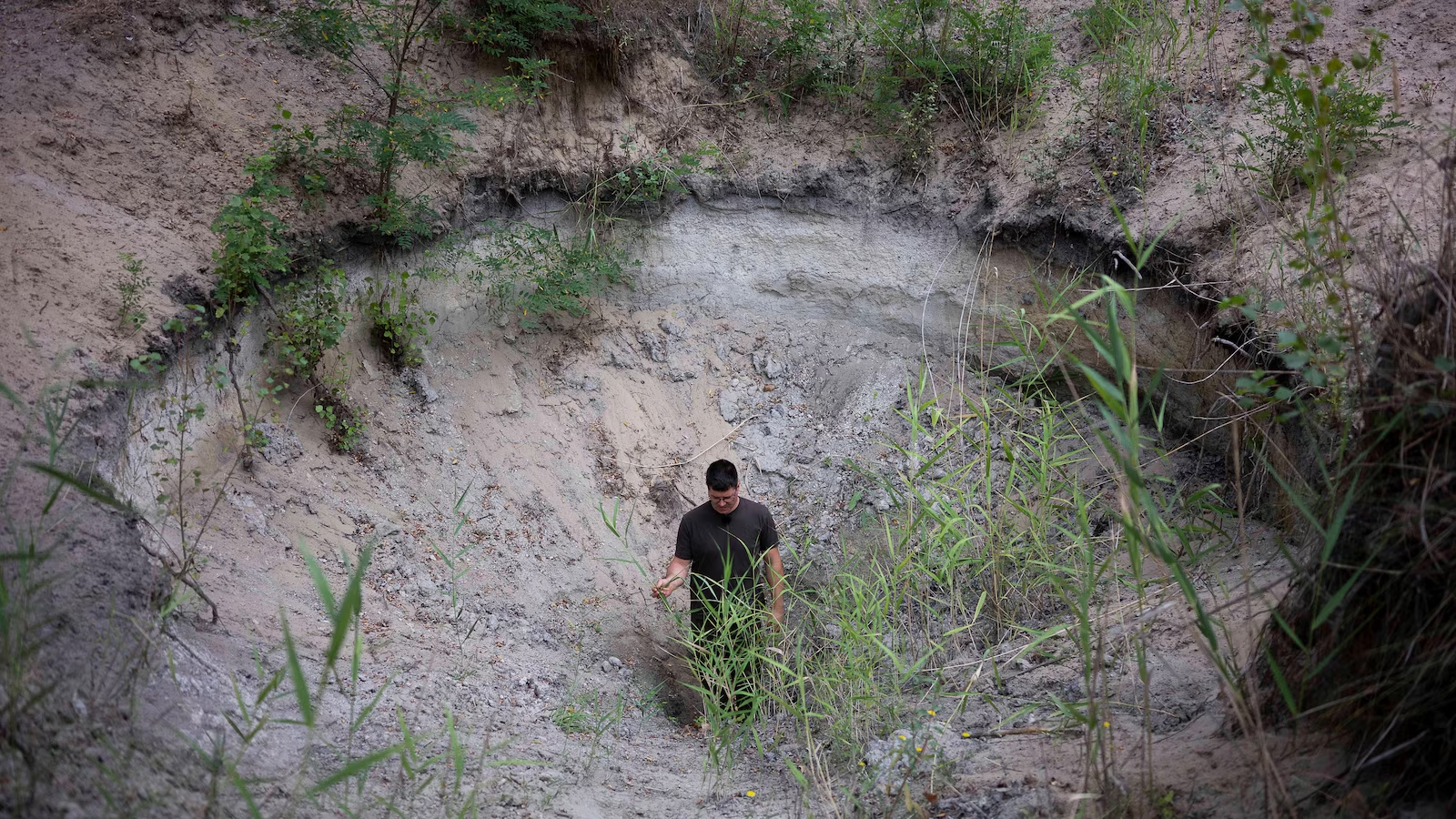
Farmers in Hungary's Great Hungarian Plain are combating desertification by using thermal spa overflow water to artificially flood land, aiming to raise groundwater levels and create microclimates to mitigate drought effects and promote vegetation growth amid increasing climate challenges.
Starting January 1, 2026, Maui's Department of Water Supply will adopt a new water demand and meter sizing method based on daily water usage per household, replacing the old fixture-based system, to improve water resource management and planning.
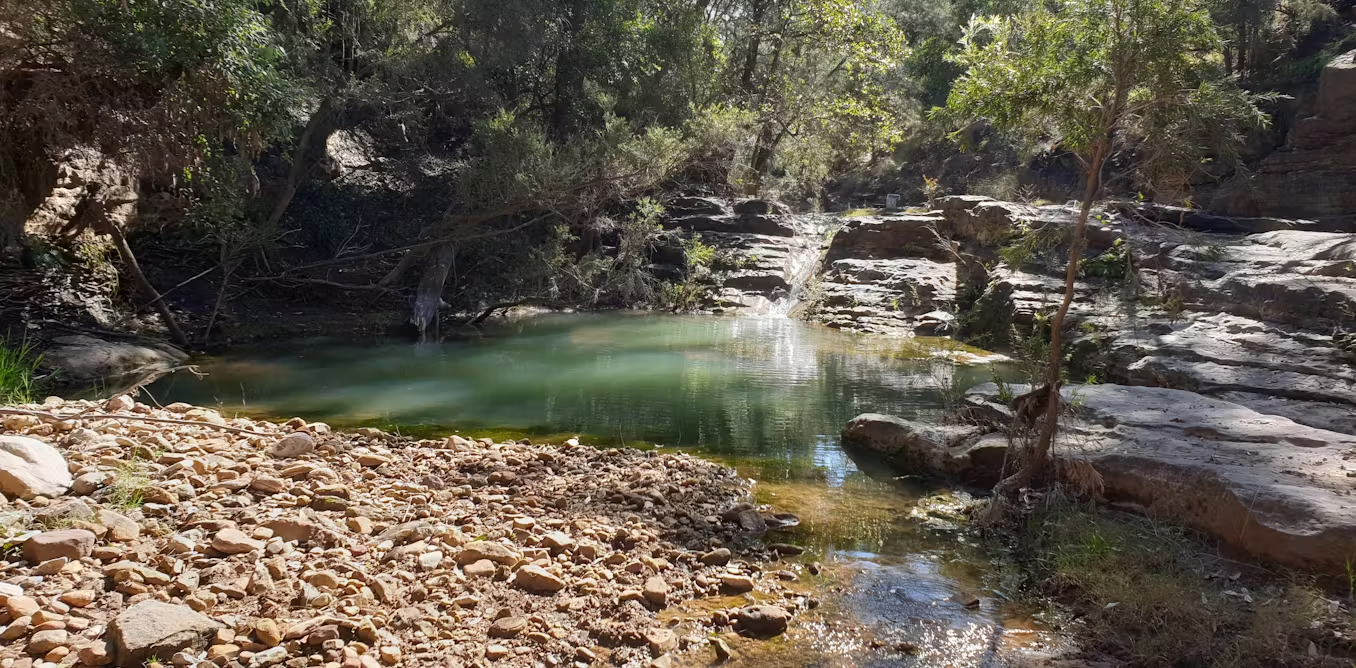
The article discusses how the myth of 'aqua nullius'—the idea that water belongs to no one—perpetuates colonial injustices in Australia's groundwater management, ignoring Indigenous knowledge and rights. It emphasizes the importance of integrating Indigenous perspectives and traditional practices into water governance to ensure sustainable and culturally respectful management of groundwater resources, especially as climate change and industrial pressures increase.
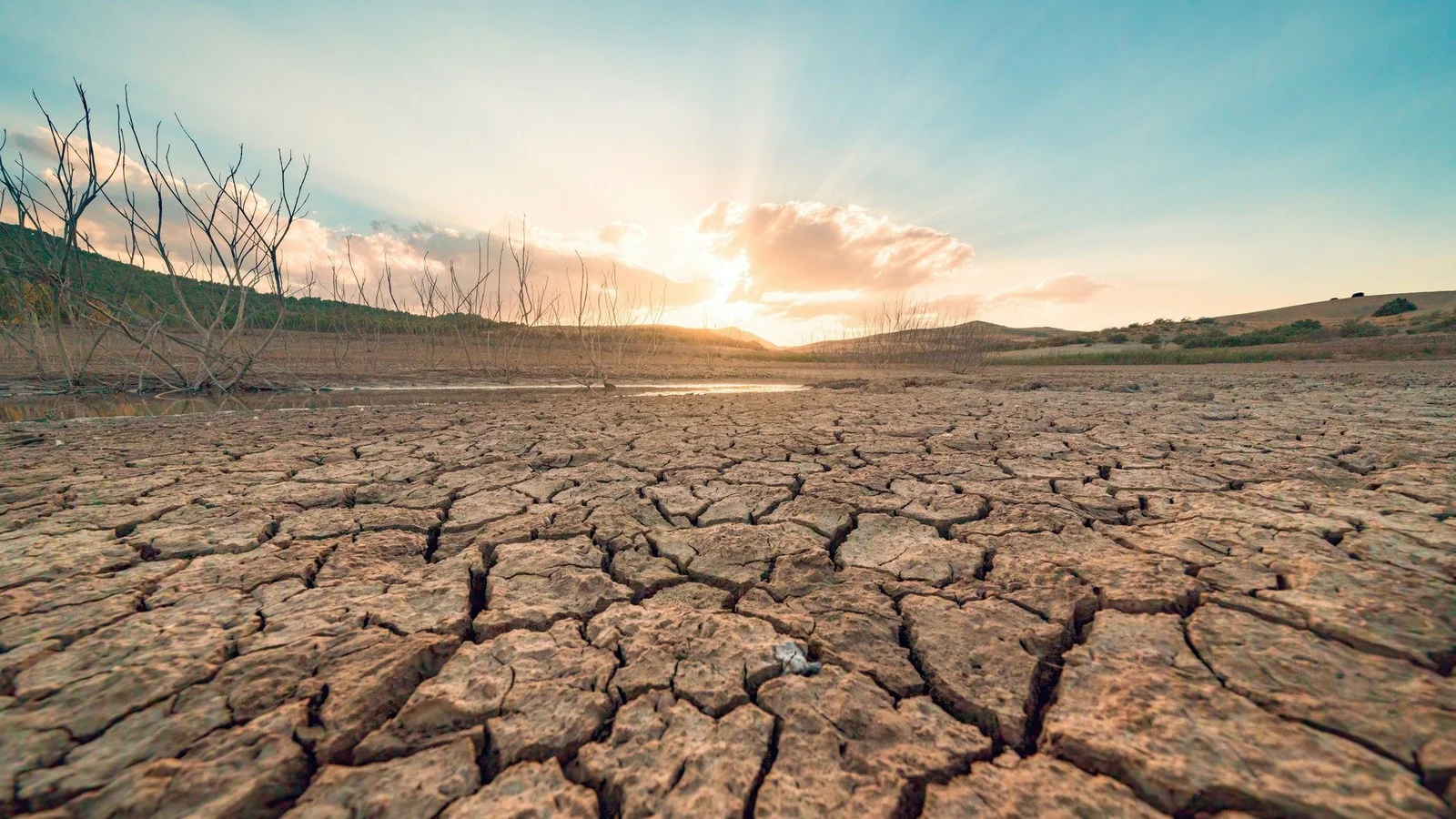
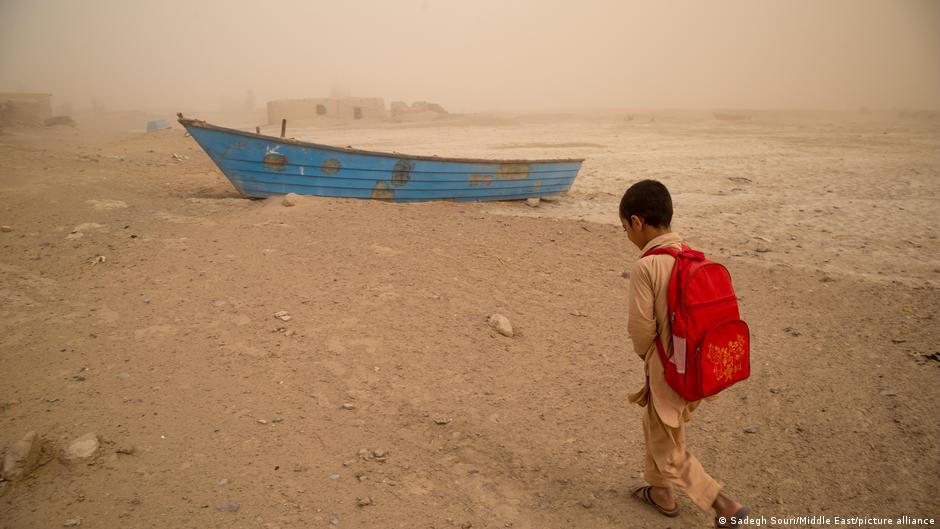
Iran is experiencing an unprecedented drought with half the country not receiving rain since summer, leading to water rationing, infrastructure issues, and concerns over sustainable water management amid climate change and overuse, especially in agriculture. Experts suggest urgent measures like prioritizing urban water supply and improving irrigation, but political and institutional challenges remain.
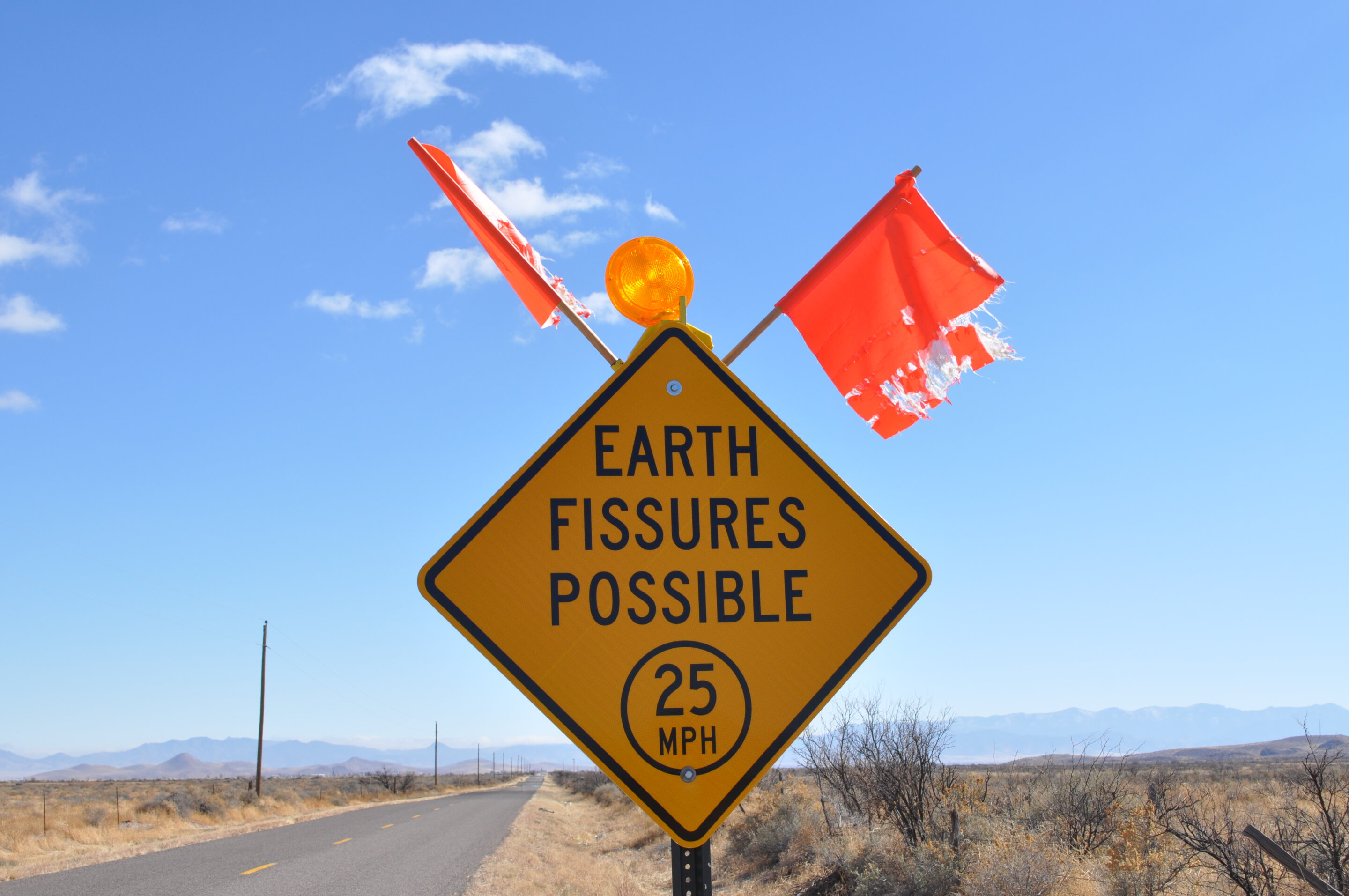
The Willcox Basin in Arizona is experiencing rapid land sinking due to excessive groundwater pumping for agriculture, with some areas sinking up to six inches annually, causing fissures, dry wells, and flooding; efforts like declaring Active Management Areas aim to slow this process, but permanent subsidence remains a significant challenge.
The famous Eisbach river wave in Munich, known as the birthplace of freshwater surfing, has mysteriously disappeared after a recent cleanup, leaving surfers puzzled. Authorities are investigating the cause and plan to divert more water to restore the wave, which is a major tourist and sporting attraction. The wave's disappearance highlights the delicate balance required for standing waves and the impact of maintenance activities.
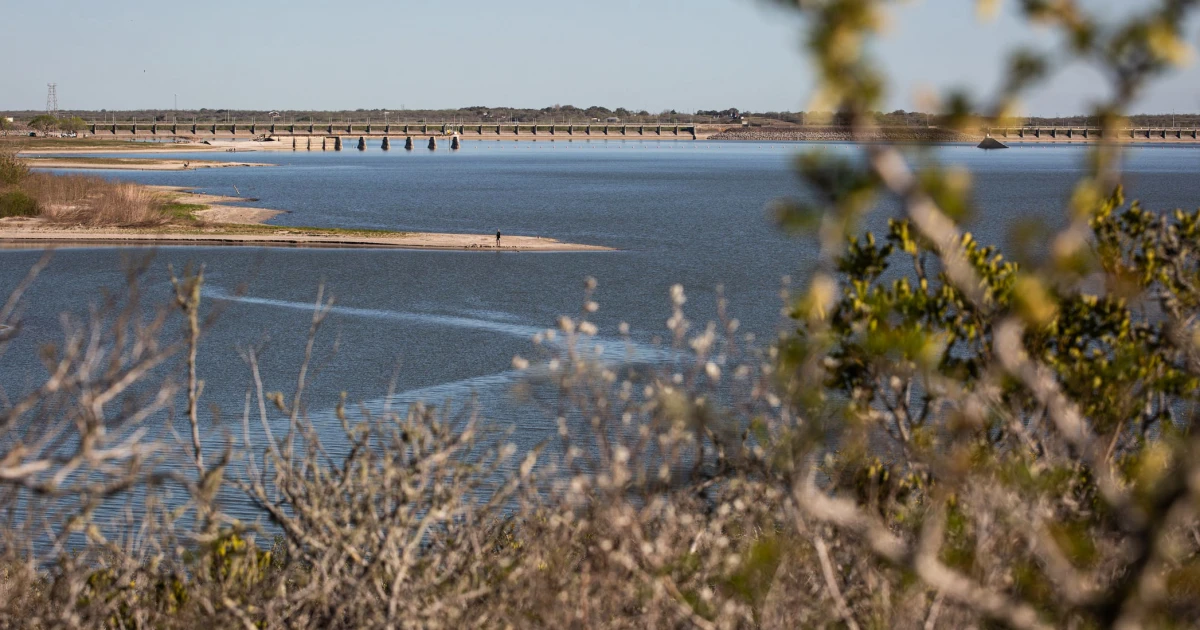
A small town in South Texas, Mathis, is facing a severe water shortage due to prolonged drought and declining lake levels, prompting emergency measures such as drilling new wells and considering desalination and wastewater reuse to secure its water supply amid broader climate change impacts.