Water levels in the Great Lakes are declining amid increased water consumption from new data centers, raising concerns about environmental sustainability and community impacts, despite some legal and economic arguments in favor of the developments.
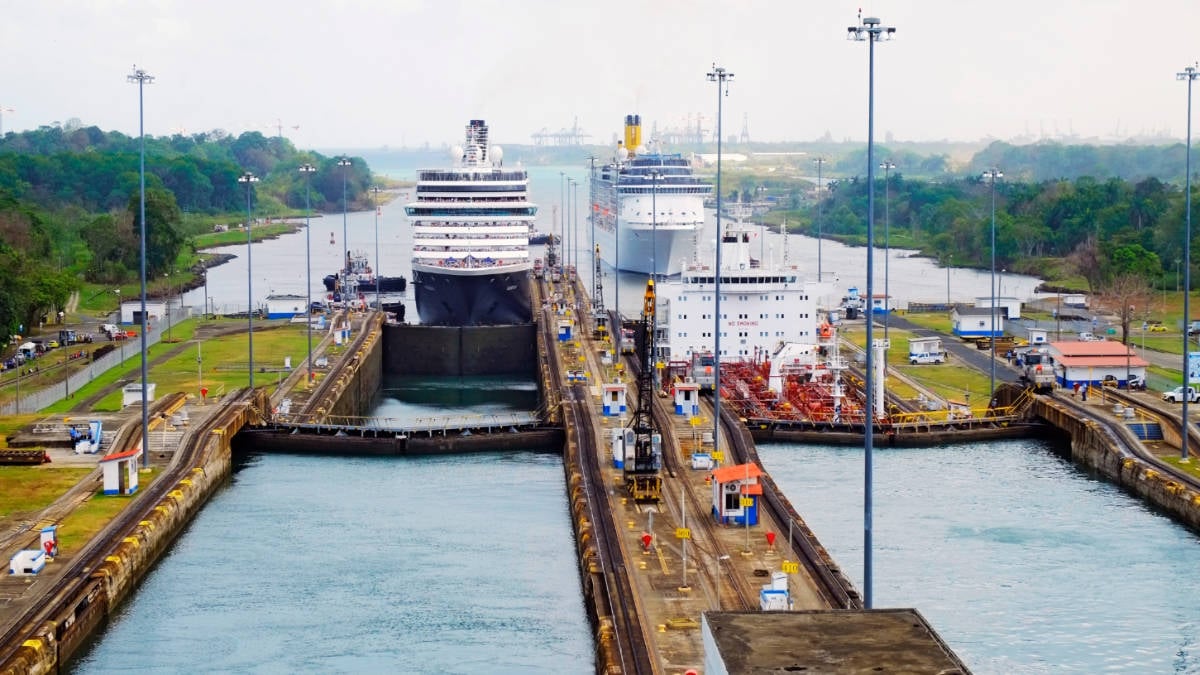
Aurora Expeditions has cancelled the upcoming sailing of Greg Mortimer through the Panama Canal due to low water levels, raising concerns about potential impacts on other cruise itineraries. Major cruise lines like Royal Caribbean have already made adjustments, and authorities are monitoring water levels to determine transit restrictions. Travelers with upcoming Panama Canal cruises are advised to stay in close contact with their cruise line for any changes or cancellations.
Due to worsening drought conditions, the Panama Canal Authority has announced that it will reduce the number of daily crossings allowed through the canal. The decision comes as water levels continue to drop, impacting the canal's ability to accommodate larger vessels. This reduction in crossings could have significant implications for global shipping and transportation.
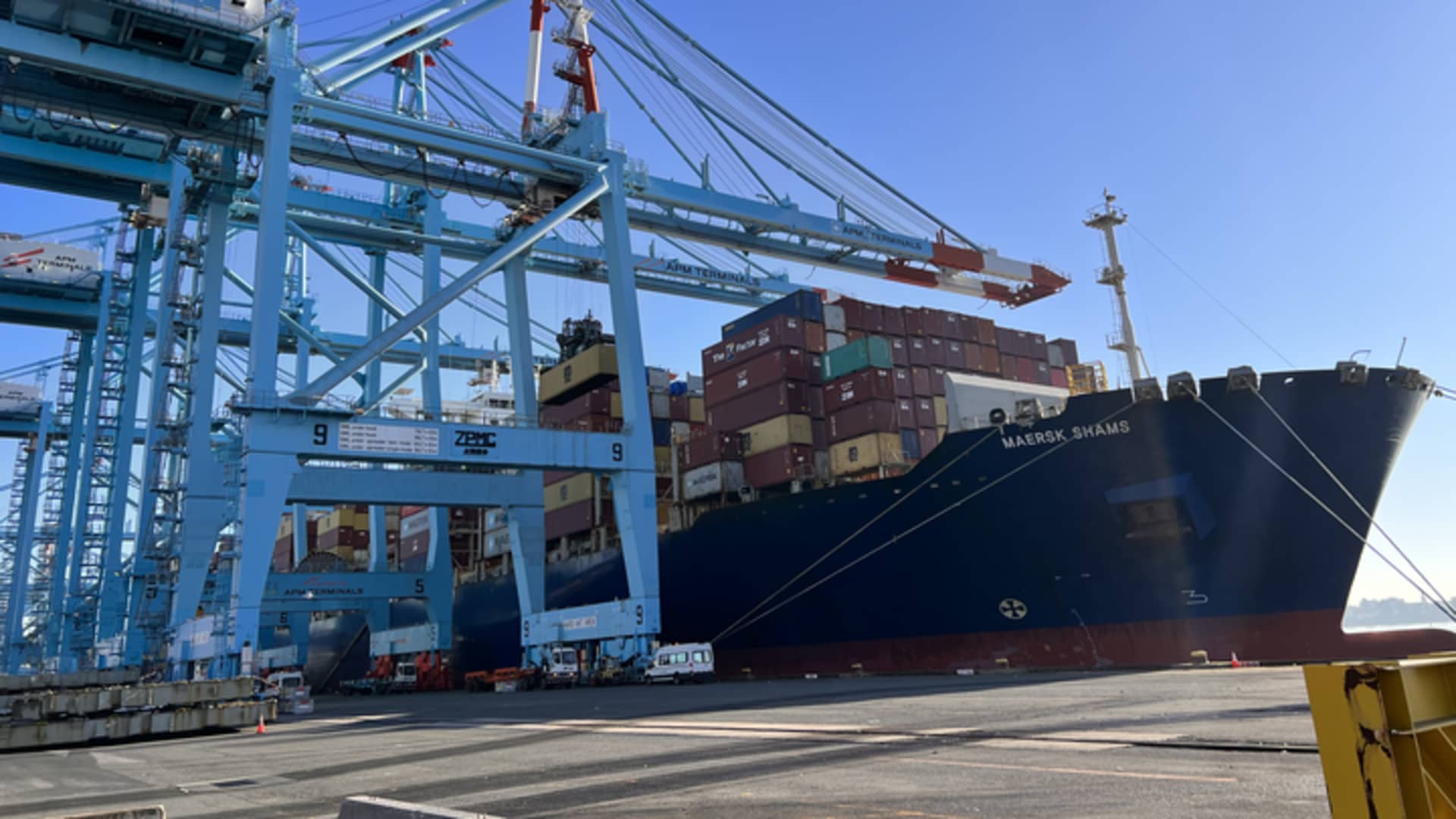
The shipping industry is facing increasing disruptions and financial losses due to the effects of climate change, including low water levels in rivers, severe droughts, and extreme weather events. These challenges have led to reduced shipping capacity, supply chain backups, and significant financial impacts. The impacts of climate change on ports alone could cost the shipping industry up to $10 billion annually by 2050. While the industry is slowly adopting measures to reduce emissions, such as using green fuels and upgrading weather-monitoring systems, more significant shifts and investments are needed to mitigate the risks and achieve the goals set by the Paris Agreement.
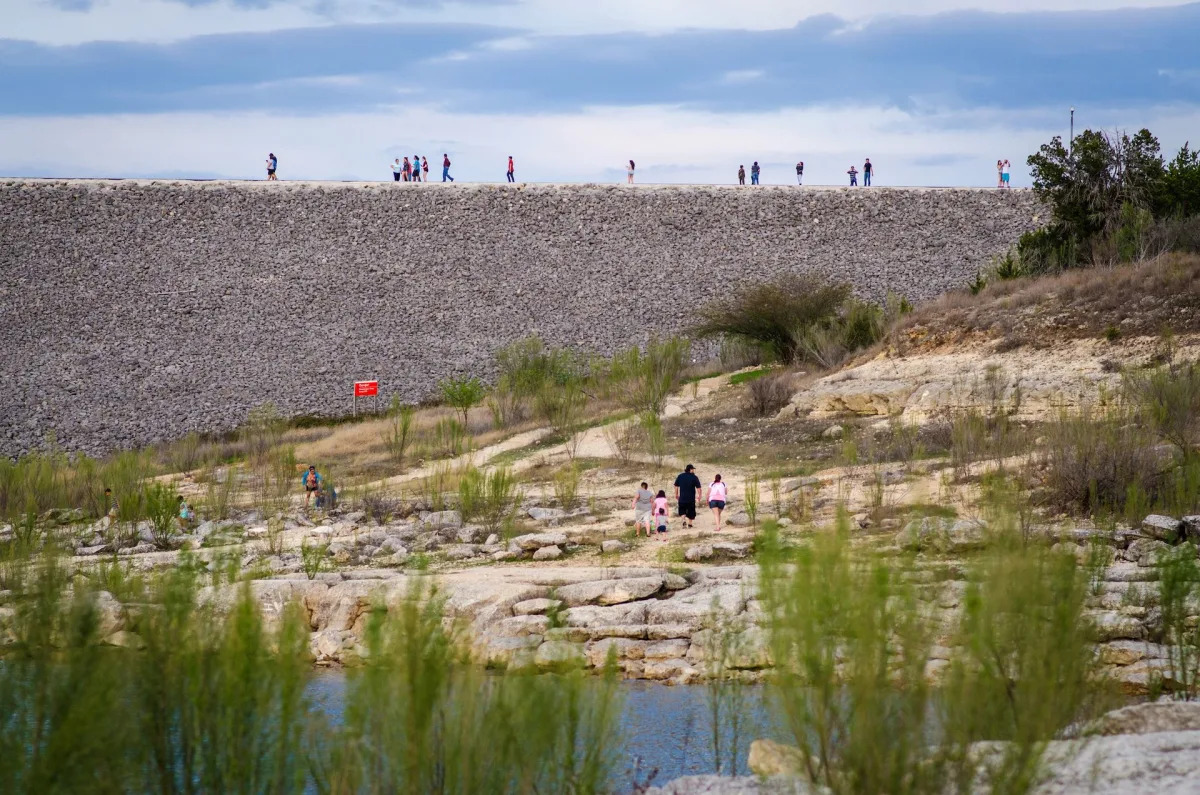
Low water levels at Canyon Lake in Texas have revealed the remnants of 19th-century towns and hidden caves that were previously underwater. While some residents are excited about the historic ruins resurfacing, others find it sad as it signifies the disappearance of water. The U.S. Army Corps of Engineers has had to close lakeside recreation due to the drop in water levels, which also poses risks to boaters and swimmers. Commenters are conflicted, with some expressing interest in exploring the ruins and others highlighting the need for water conservation.
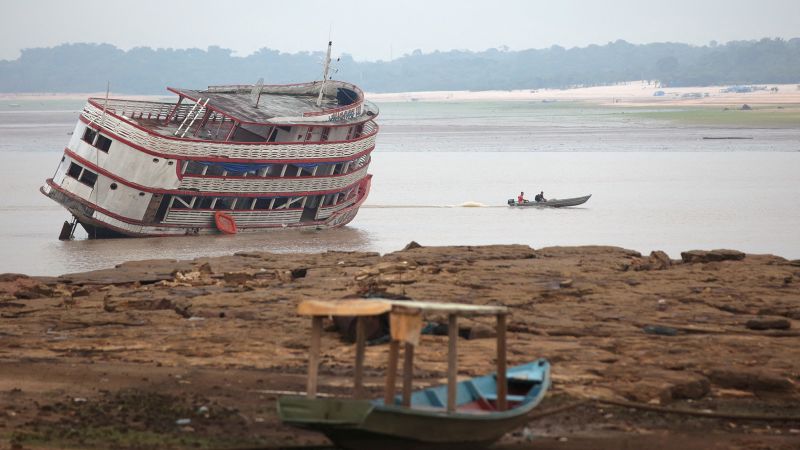
Rivers in the Amazon rainforest in Brazil have reached their lowest levels in over a century due to a severe drought, impacting the lives of hundreds of thousands of people and damaging the ecosystem. The drought has left boats stranded, cutting off food and water supplies to remote villages, and is suspected of killing over 100 endangered river dolphins. The Brazilian government attributes the drought to the El Niño climate phenomenon and the long-term trend of global warming. The drought has affected 481,000 people, and efforts are being made to deliver supplies to vulnerable communities.
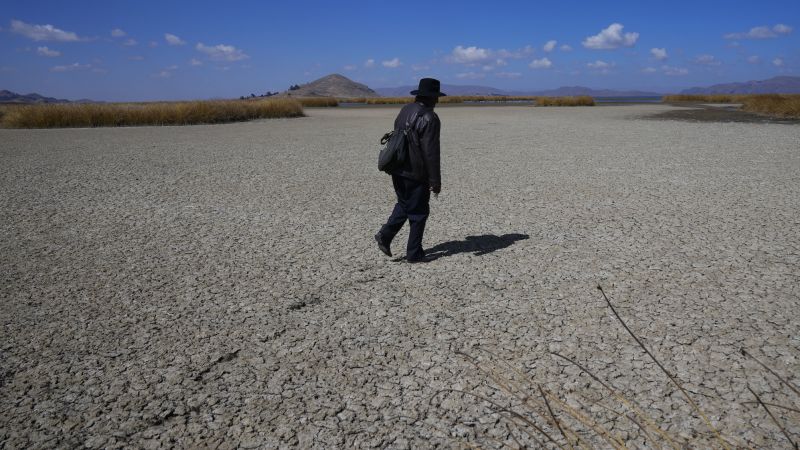
Water levels at Lake Titicaca, the highest navigable lake in the world, are rapidly declining due to a record-breaking winter heat wave and the effects of climate change. This decline is impacting tourism, fishing, and agriculture, which are vital for the livelihoods of the local communities. The lake is at risk of losing its magic as water deficits worsen, and if the lake evaporates at the same rate, water levels could reach the lowest recorded since 1996. The decline in water levels is also affecting fish stocks, crops, and the tourist economy. Long-term action is needed to address the challenges posed by the intensifying fluctuations in the water level and protect the communities that depend on the lake.
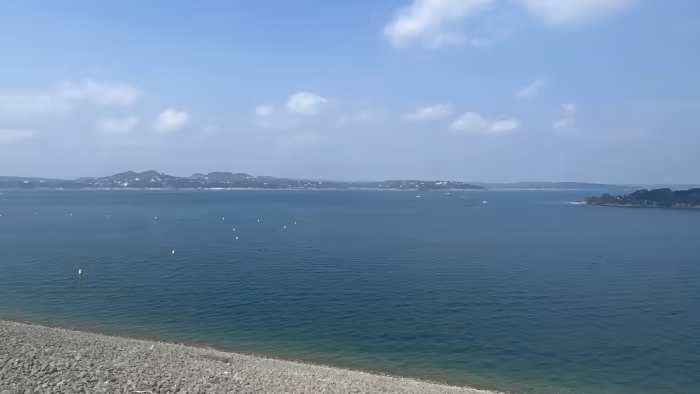
Canyon Lake in Texas has reached its lowest recorded level in history due to two consecutive hot summers. The lake is currently 68.5% full, surpassing the previous lowest level recorded in 2009. As a result, the majority of boat ramps have been closed, with only four remaining open. The low water levels are attributed to extreme to exceptional drought conditions in Comal County and other parts of central Texas.
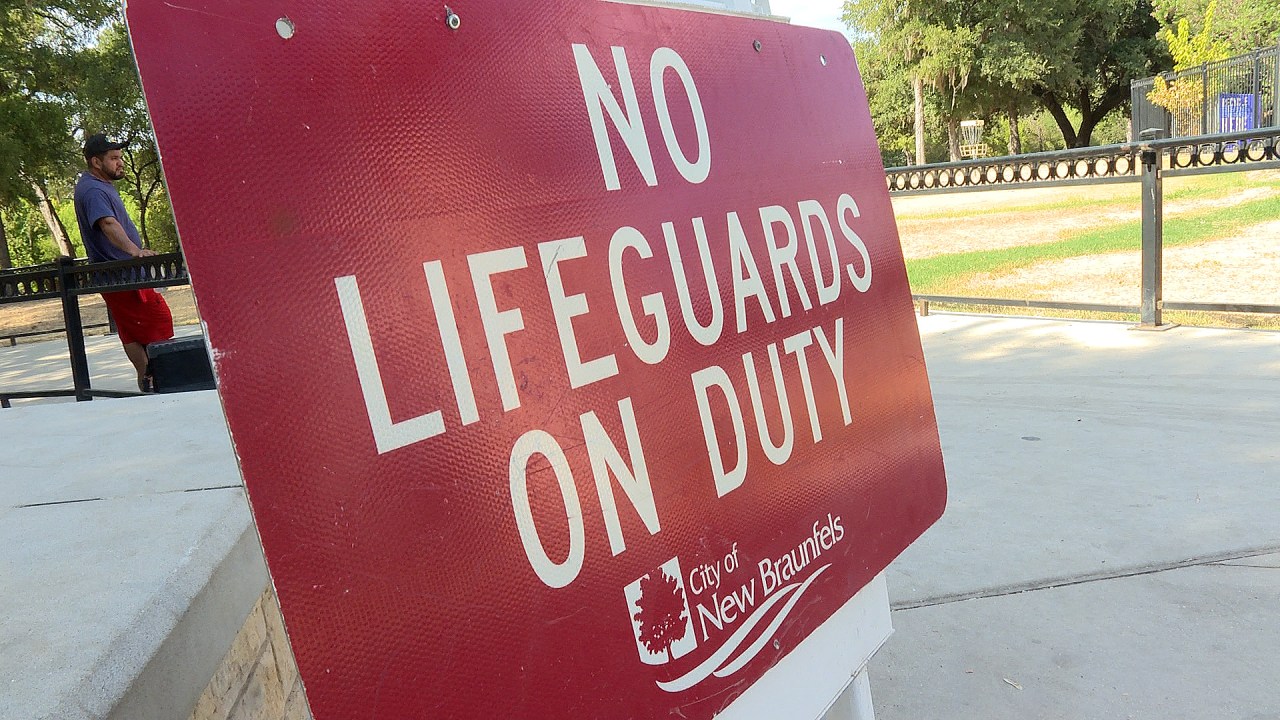
The City of New Braunfels in Texas has ended lifeguard operations at the City Tube Chute due to safety concerns for its staff, including exposed rocks and stirred up sediment. This decision comes just days after a teenager drowned in the area. The city encouraged the use of lifejackets and provided them for free at Hinman Island. Some swimmers expressed concerns about the lack of lifeguards and the deeper-than-expected water levels, with one swimmer having to assist children in need. With Labor Day approaching, there are worries about the lack of supervision. The city has not yet indicated if it will reconsider adding lifeguards.
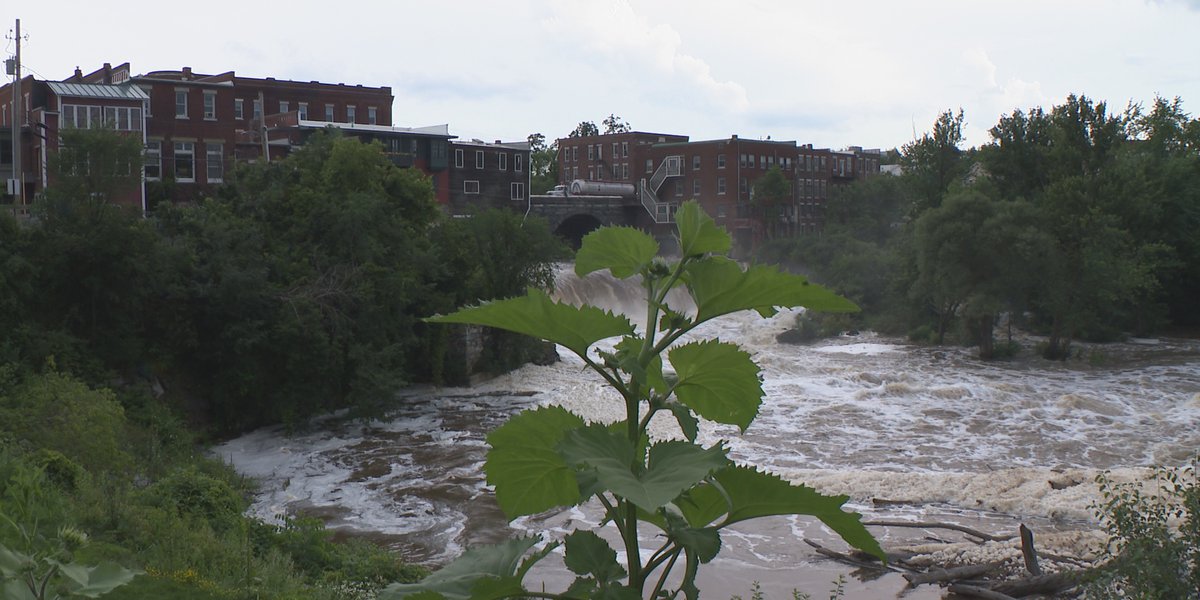
Rescue teams are on standby as Otter Creek in Middlebury, Vermont, is expected to reach flood levels, with water levels already at 7 feet, the highest since 1994. The river is projected to rise to 9.5 feet on Monday morning, fall at night, and rise again on Tuesday morning, posing a threat to nearby homes and businesses. The Middlebury Fire Department's swift water rescue team and a crew from Michigan are prepared for potential evacuations, while residents are advised to pack a to-go bag in case immediate assistance is unavailable.
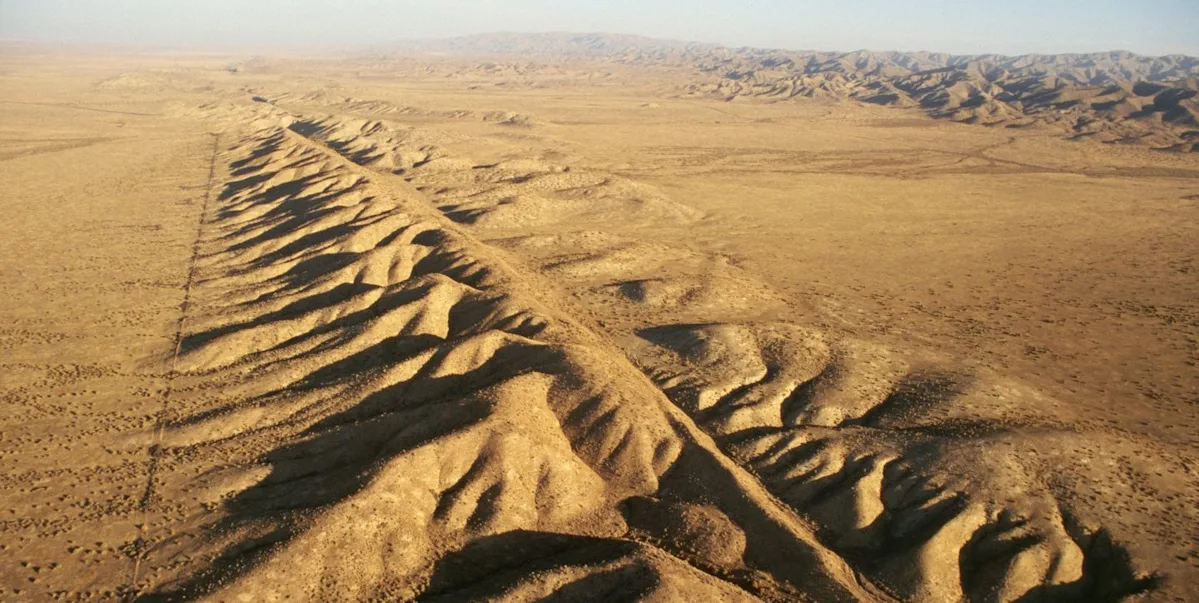
The southern section of California's San Andreas Fault, known as the southern San Andreas Fault (SSAF), has not experienced a major earthquake in over 300 years, despite being overdue for one. Scientists from San Diego State University and UC San Diego's Scripps Institution of Oceanography have discovered that the low water levels of the Salton Sea, a remnant of a larger prehistoric lake, could explain the reduced seismic activity. Computer modeling revealed that the presence of a large lake can cause the Earth's crust to bend and increase fluid pressure, making earthquakes more likely. However, the drought-like state of the Salton Sea is just one factor in the complex seismic activity of the region, and earthquakes along the SSAF are still expected in the future.
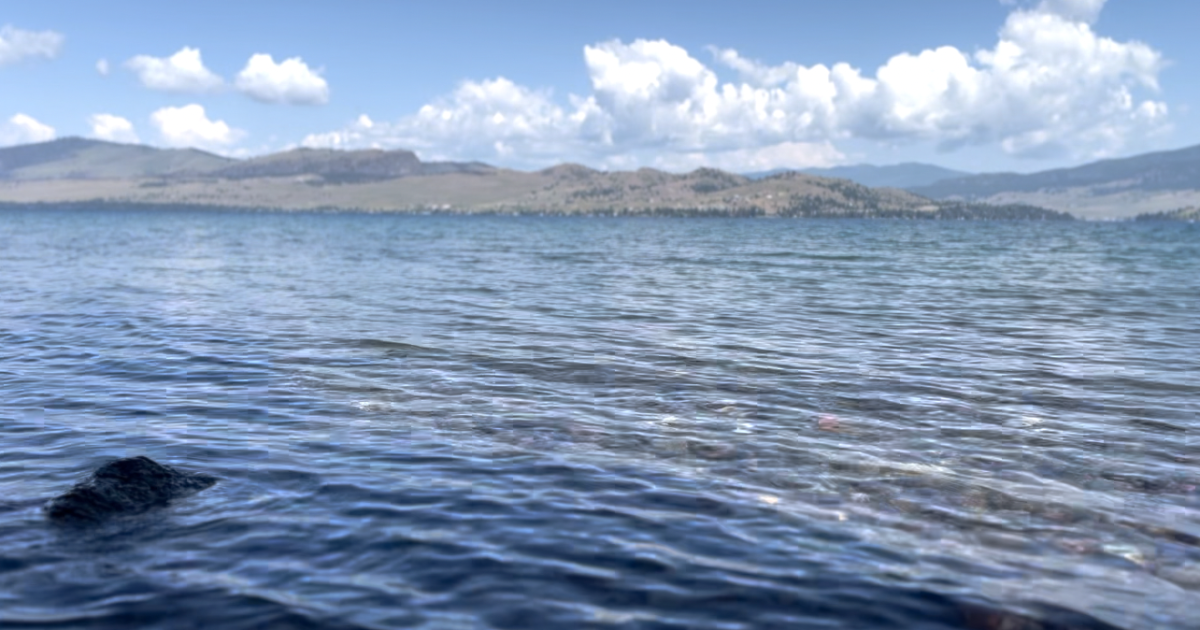
Montana Governor Greg Gianforte has formally requested the Columbia River Technical Management Team (TMT) to address the low water levels in Flathead Lake. The governor expressed frustration with the lack of responsiveness from federal agencies and urged the TMT to act without delay. This is the first System Operational Request (SOR) submitted in response to drought conditions in the Flathead Valley. U.S. Senator Steve Daines and Congressman Ryan Zinke have expressed support for the governor's request.
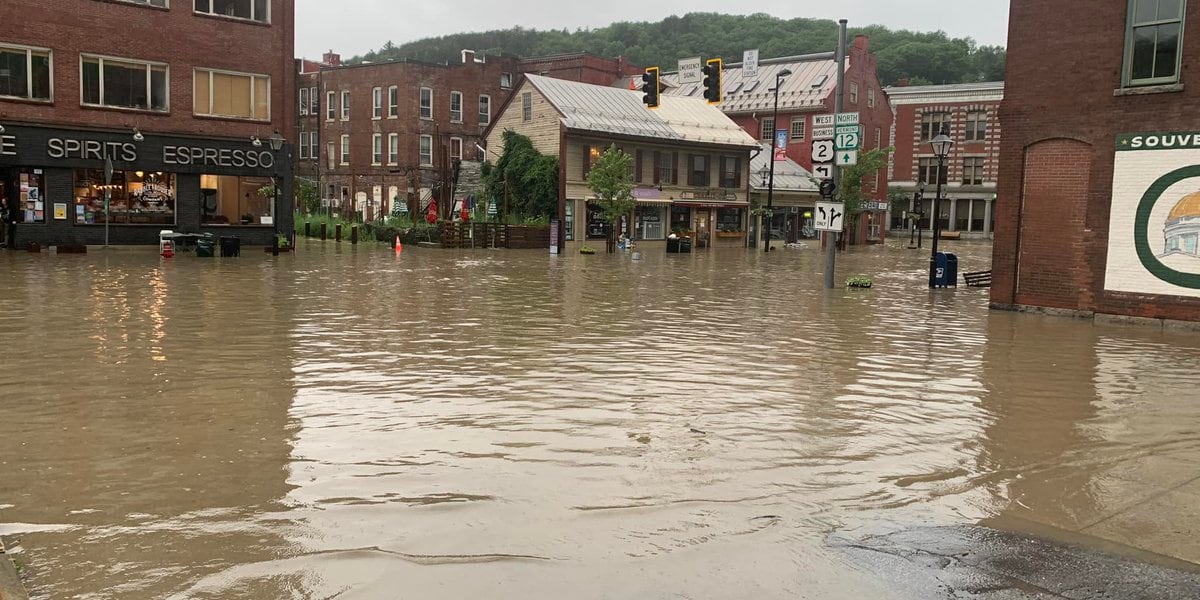
Police in Montpelier, Vermont, are urging residents to stay off the roads as water levels continue to rise in the town. A photo posted on the Montpelier Police Department's Facebook page shows part of the downtown area underwater. Residents are advised to limit calls to emergency dispatch only, and the water is expected to keep rising until approximately 2 a.m.
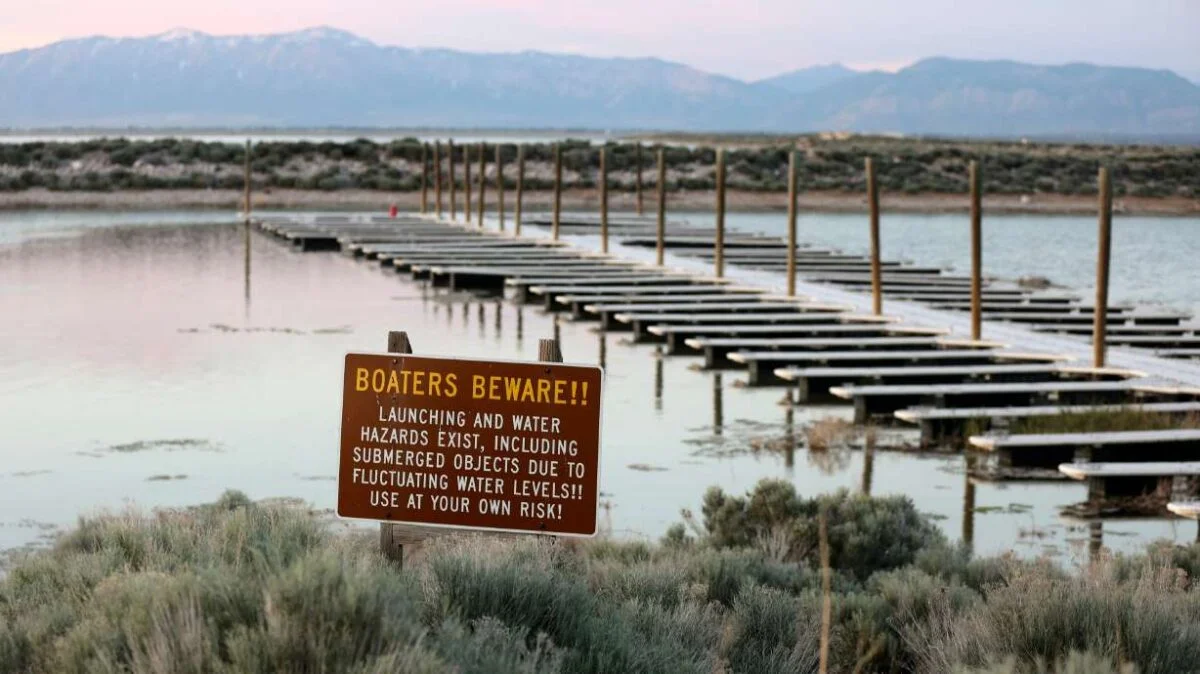
Utah's record snowpack helped raise the water levels of the Great Salt Lake, with the lake reaching about 5.5 feet above the all-time record low. However, the current levels are still below what is considered healthy for the lake's ecosystem. Experts believe that the lake needs another three prolific winters to reach the "sweet spot" of a healthy ecosystem. The lake's levels are expected to decline further this summer due to consumptive use and evaporation, and conservation efforts are needed to preserve the water supply.
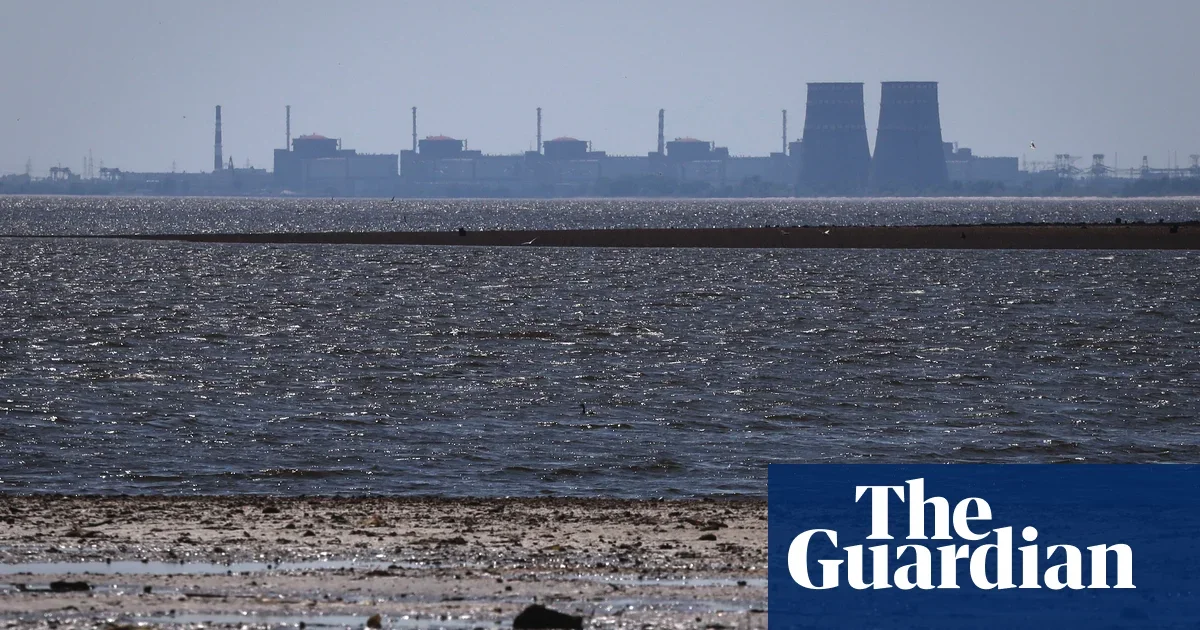
The UN atomic watchdog has expressed concern over a "significant discrepancy" in water level data at the breached Kakhovka dam used for cooling the Zaporizhzhia nuclear plant's reactors. The International Atomic Energy Agency has requested wider access to the area to investigate the issue. The water from the reservoir is used to cool the facility's six reactors and spent fuel storage. The Kakhovka hydropower dam's destruction has flooded towns downstream and forced thousands of people from their homes.