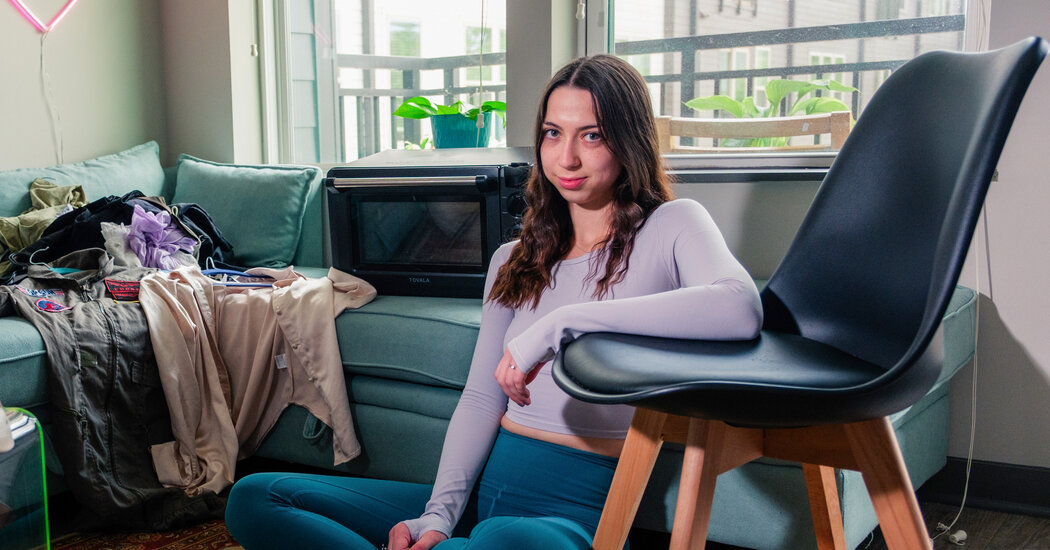
During graduation season at Duke University, local scavengers like Lena Geller collect expensive items discarded by students, valuing their finds at around $6,600, highlighting issues of waste and resourcefulness.
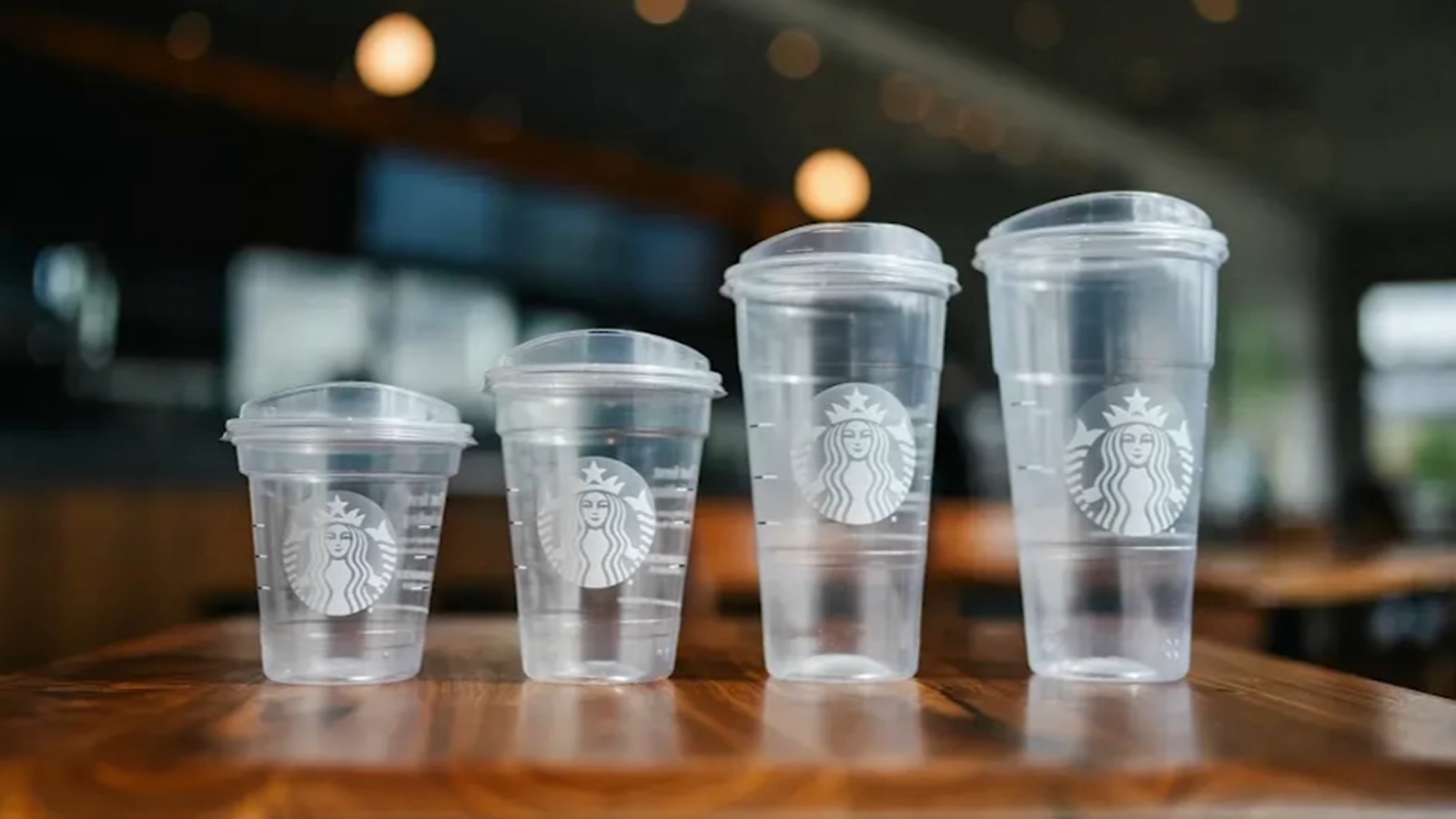
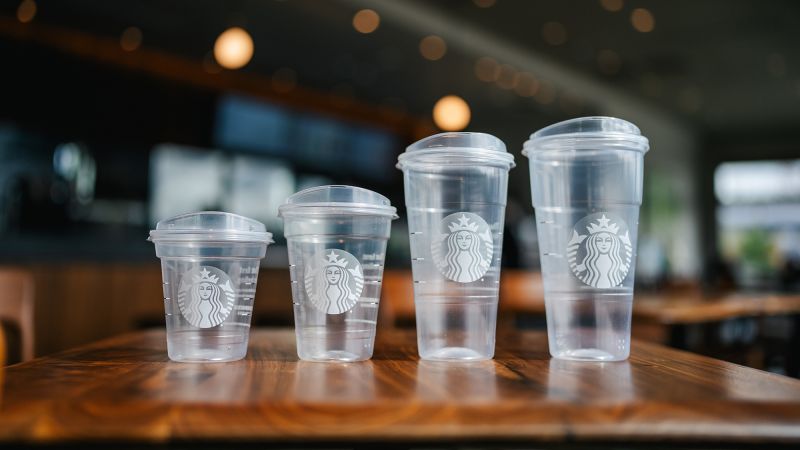
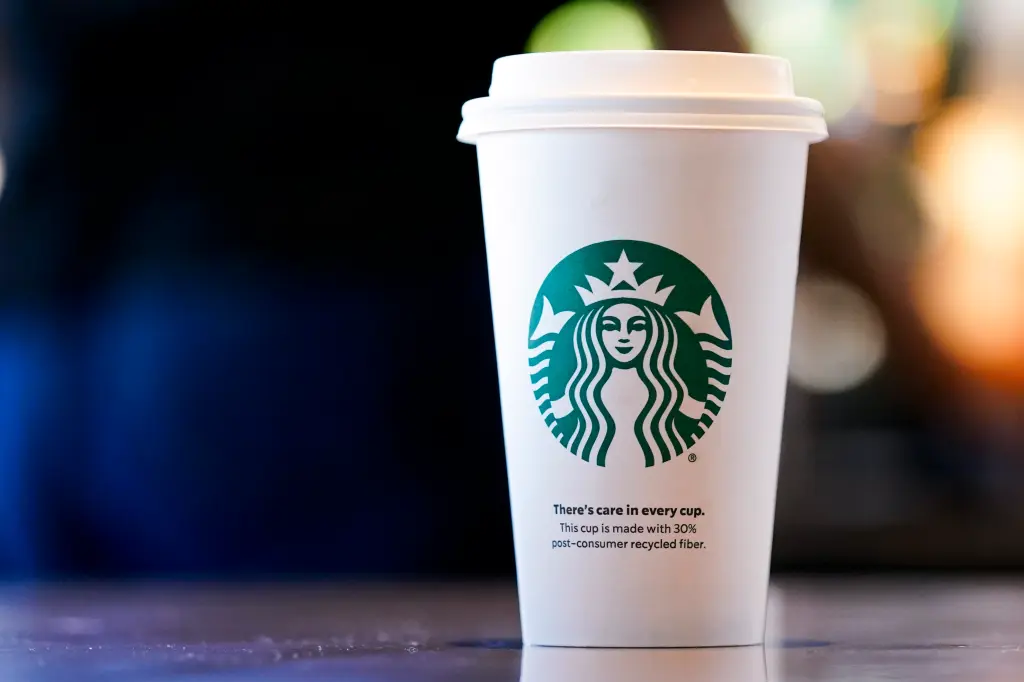
Starbucks has announced a redesign of its plastic cups for cold drinks, using up to 20% less plastic and aiming to reduce waste and carbon output by 2030. The new cups will debut at select locations in the US and Canada this year, with full rollout expected by spring 2025. The redesign includes using less plastic, adding accessibility features, and standardizing lid sizes. While these changes aim to reduce environmental impact, some critics argue that more sustainable solutions, such as reusable and returnable cups, are needed to fully address the plastic crisis.
Starbucks has unveiled a new environmentally friendly redesign for its plastic cups, reducing plastic usage by up to 20% and aiming to save over 13.5 million pounds of plastic annually. The company plans to roll out the new cups in the US and Canada by spring 2025, with design tweaks for accessibility and efficiency. While these efforts align with Starbucks' sustainability goals, some critics argue that more focus should be placed on developing reusable and returnable on-the-go cups to address the plastic crisis.
Reddit users share various frugal habits they swear by, including using reusable paper towels, bringing homemade meals to work, cutting their own hair, implementing a no-spend year on clothes, and giving up expensive habits like buying coffee and alcohol, all of which have helped them save money, reduce waste, and feel good about their choices.
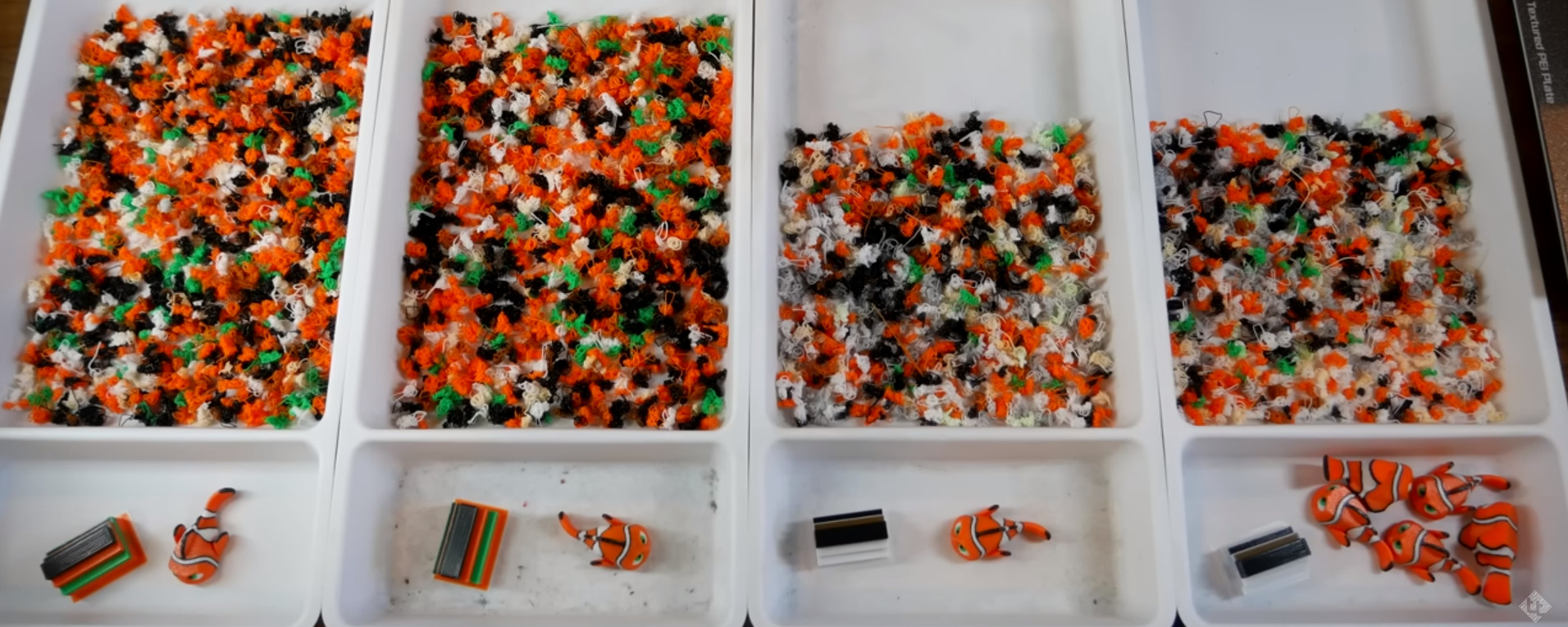
A recent investigation into reducing print time and waste in multicolor printing found that purging into the infill did not result in significant savings, while reducing the amount of purge per transition based on color changes and printing multiple copies at once showed positive effects. The study highlights the importance of exploring slicer settings to achieve the goal of reducing filament waste and print time in multicolor prints.
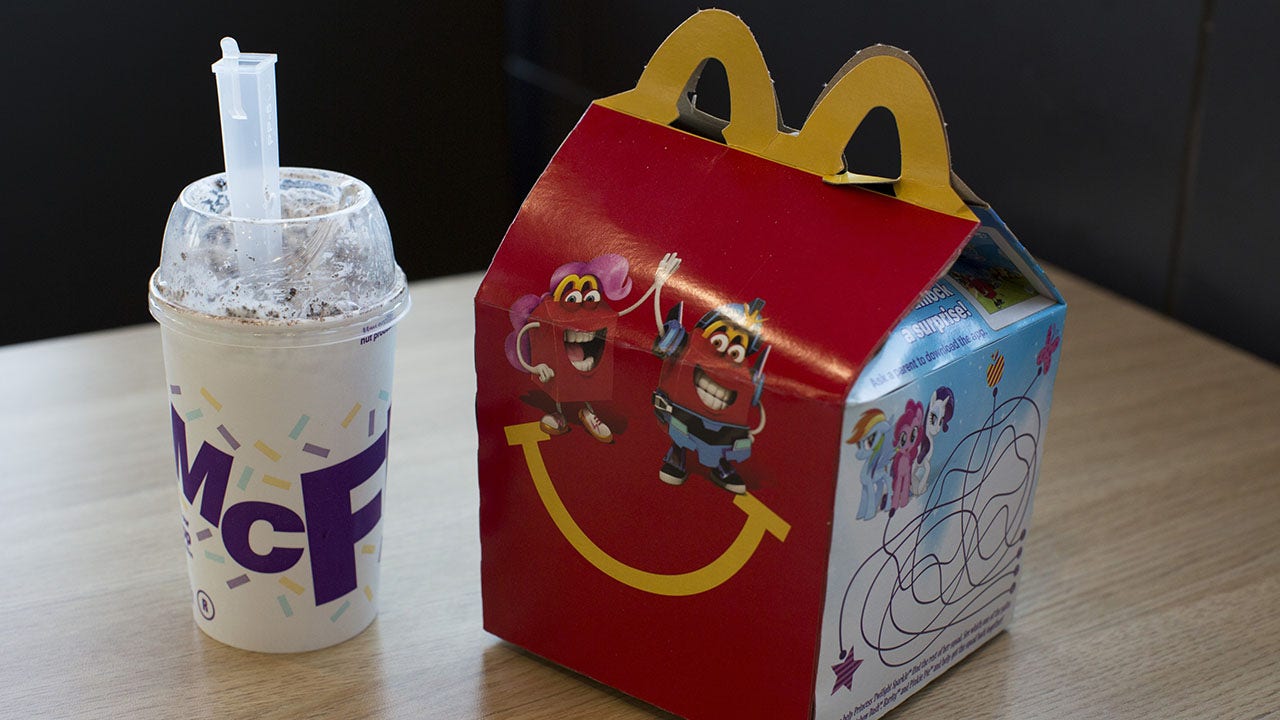
McDonald's is discontinuing its iconic hollowed-out, square-shaped McFlurry spoon in an effort to reduce single-use plastic waste. The fast-food chain will now use a reusable spindle that is swapped out and cleaned after each McFlurry is made, along with a smaller black spoon that uses less plastic. This change is part of McDonald's larger initiative to redesign its iconic products and transition to more sustainable materials. The company has also recently removed self-serve beverage stations and phased out certain bakery goods.
Starbucks plans to eliminate disposable cups by 2030 in an effort to reduce waste and greenhouse gas emissions. The company aims to cut its waste, water use, and carbon emissions in half by 2030. Starbucks is testing reusable cups and developing disposable cups that use less material and are more recyclable. The goal is to create a cup of the future that still features the iconic Starbucks logo but is reusable. While customers want companies to be environmentally conscious, the challenge lies in balancing sustainability with convenience and maintaining the brand's market penetration. Starbucks' efforts could have ripple effects across the industry, but major change will require corporate collaboration and government regulation.
Starbucks aims to eliminate disposable cups by 2030 in an effort to reduce waste and greenhouse gas emissions. While the company has set lofty sustainability goals in the past, it has struggled to meet them. The move towards reusable cups presents both an opportunity and a challenge for Starbucks, as customers increasingly expect companies to address climate change but may not be willing to sacrifice convenience. The company is piloting various initiatives, such as offering reusable cups and partnering with universities for cup washing and recycling. However, the transition to reusable cups requires technological advancements, collaboration with suppliers, and customer willingness to change habits. Starbucks' success in this endeavor could influence the entire coffee industry.
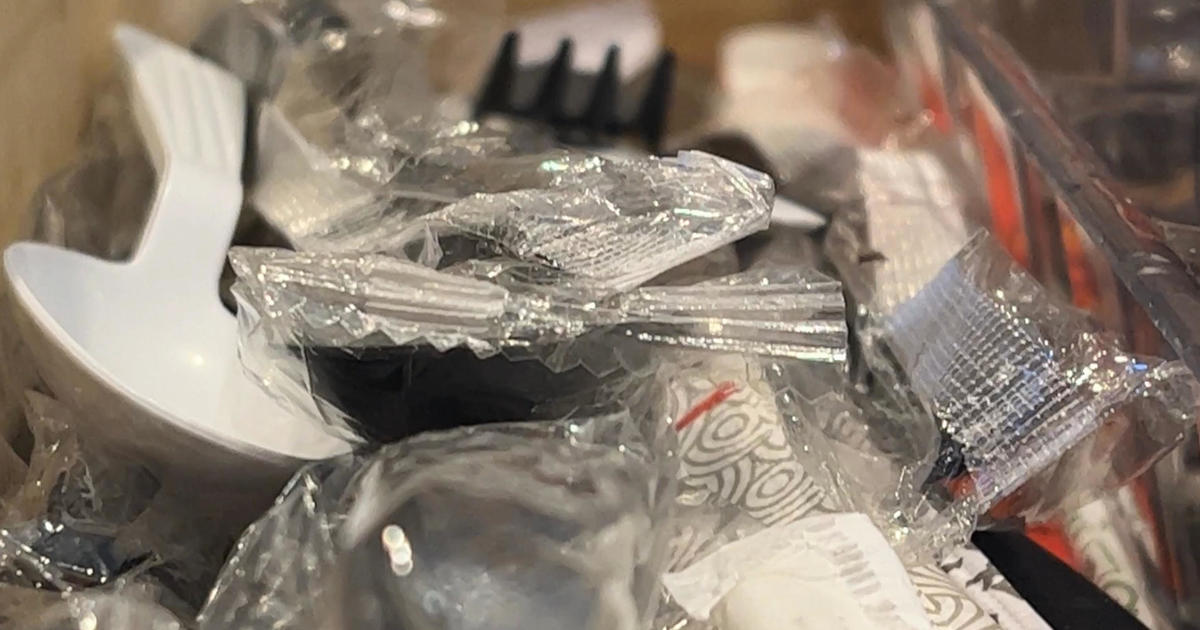
New York City is implementing a new ordinance starting Monday that requires customers to specifically request plastic cutlery in takeout orders, as part of efforts to reduce waste. Some restaurants are already adopting this practice, but customers will need to inform their server if they need utensils, napkins, or condiments. The city recovers 36 million pounds of single-use plastic annually, and the new policy aims to address this issue. While some people have expressed concerns about the initiative, others see it as a positive step towards reducing waste and protecting the environment. Fines may be imposed for violations of the policy.
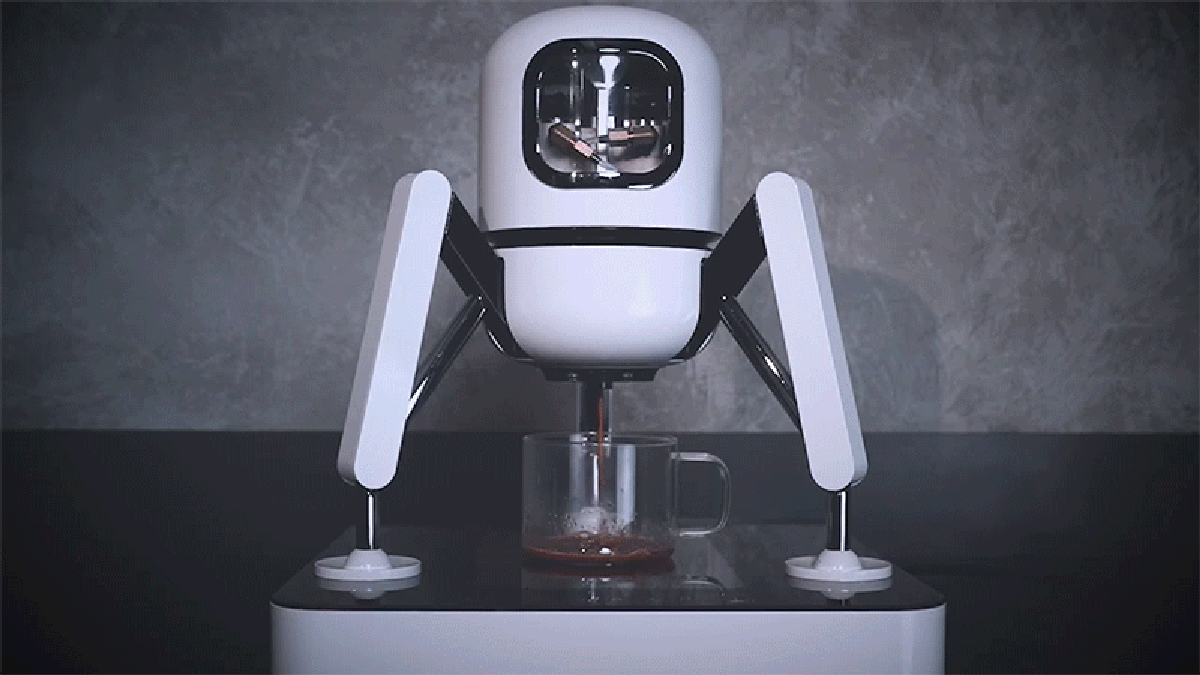
LG Labs has developed a new pod-based instant coffee machine called Duobo, which uses two Nespresso-style pods to create a single cup of coffee, doubling the amount of trash generated. The machine allows users to mix flavors and customize their brew, but its alien-like design and placement of an LCD screen on the base, obstructing the cup placement, raise questions. The Duobo is being introduced through a Kickstarter campaign, with a hefty price tag of $399 for early bird backers, and it remains to be seen if there is enough interest to bring it to market.
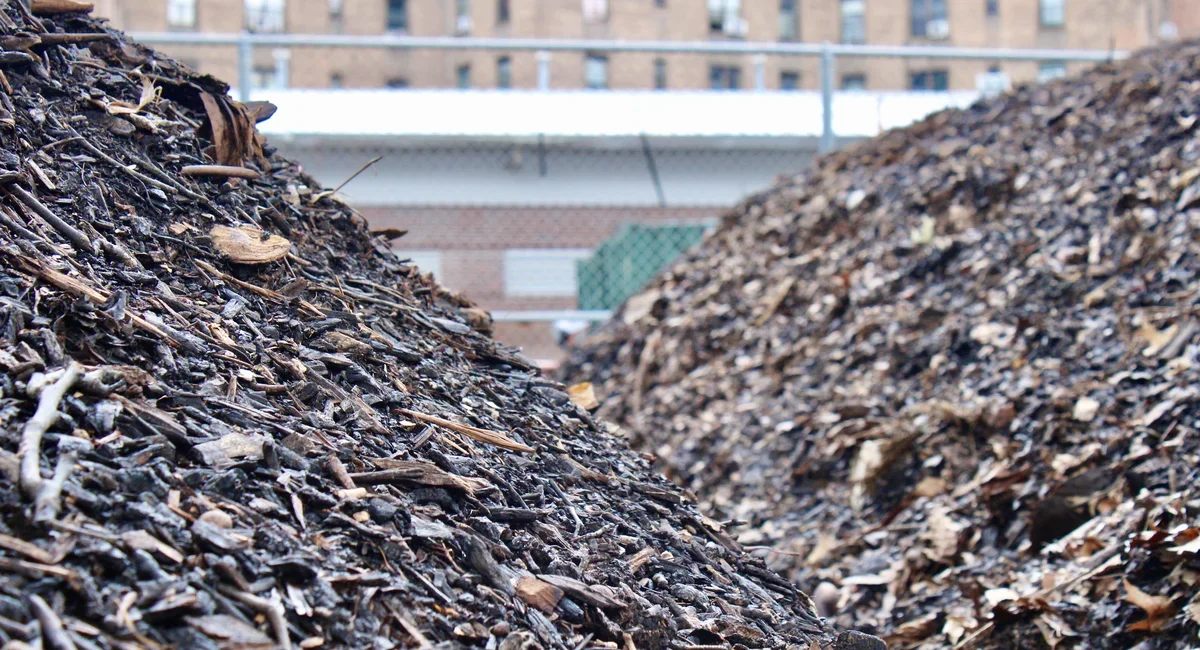
The New York City Council has passed a series of bills mandating residents to separate food and yard scraps from trash to reduce the amount of garbage sent to landfills. The Sanitation Department will expand the composting program to all boroughs by 2024, and building and business owners will face fines if they fail to use the new organics bins more than four times in a six-month period. The legislation also requires officials to set up at least two locations in each borough where New Yorkers can drop off electronics and other recyclable items. The expansion of recycling will cost an estimated $2.6 million annually by 2025.
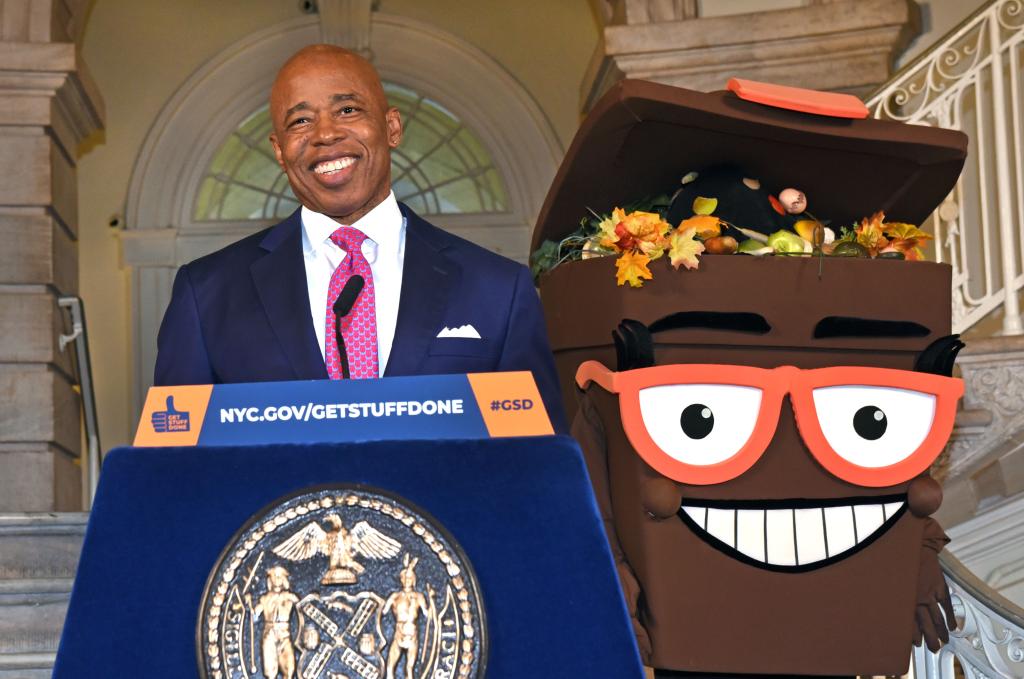
New York City has passed a sweeping bill that will require all 8.8 million residents to compost their food scraps, yard waste, and food-soiled paper starting in April 2025. The legislation is broader and more ambitious than the current voluntary curbside composting program being implemented by Mayor Eric Adams. However, there are concerns about the feasibility of composting all of the city's organic waste, which currently ends up in landfills that produce methane. The city will need to find more processing facilities for the 8 million pounds of organic waste generated daily. The bill also sets a goal of diverting all recyclables and organic waste away from New York City landfills by 2030.
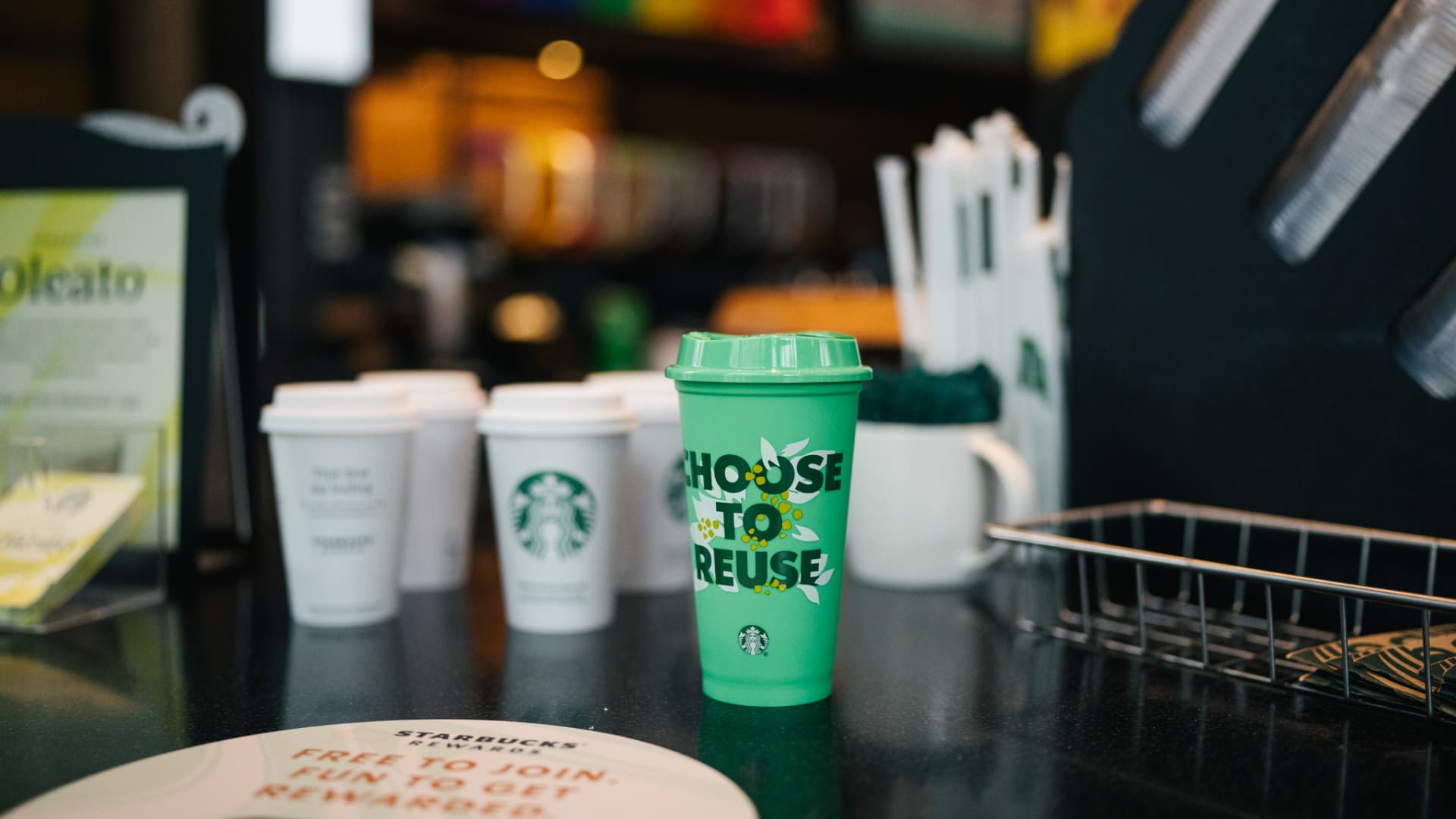
Starbucks has committed to having all US store locations allow customers to use reusable cups for all store visits, whether it's a counter, drive-thru or mobile order by the end of this year. The coffee chain uses an estimated 7 billion disposable cups every year, comprising roughly 40% of the company's packaging waste. Starbucks has experimented with reusable cup concepts in markets around the world, including a "Borrow A Cup" program in Taiwan and a returnable cup program in cities including London, Geneva, and Paris. However, the company has a history of falling short of sustainability goals by proposed timelines.
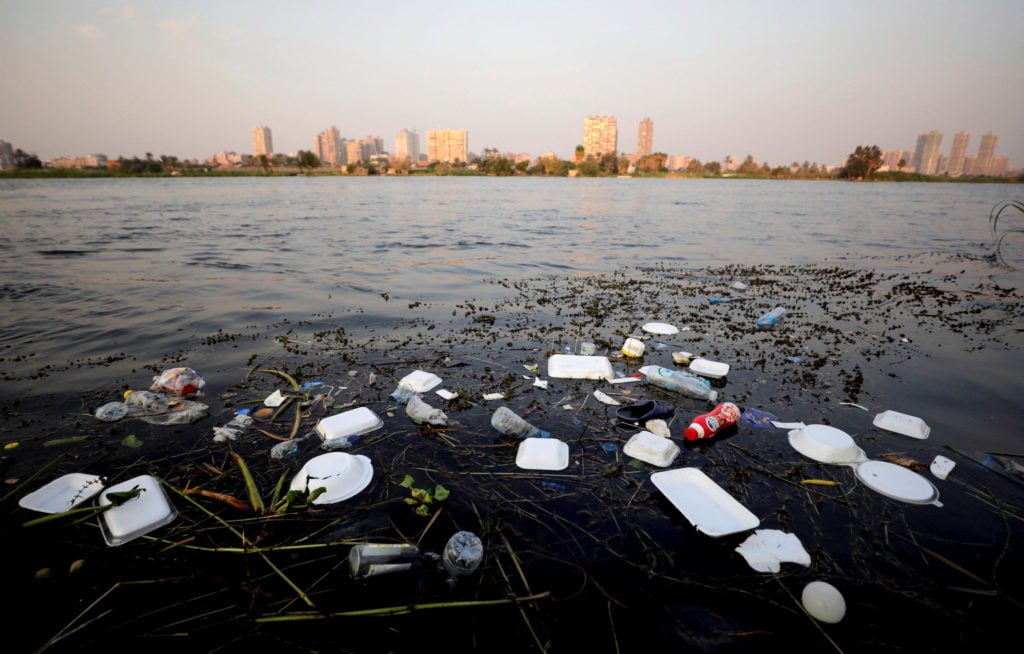
The United Nations aims to reduce plastic pollution by 80% by 2040. Negotiations are underway to determine how to achieve this goal as plastic waste continues to accumulate in landfills, sewer systems, and oceans.
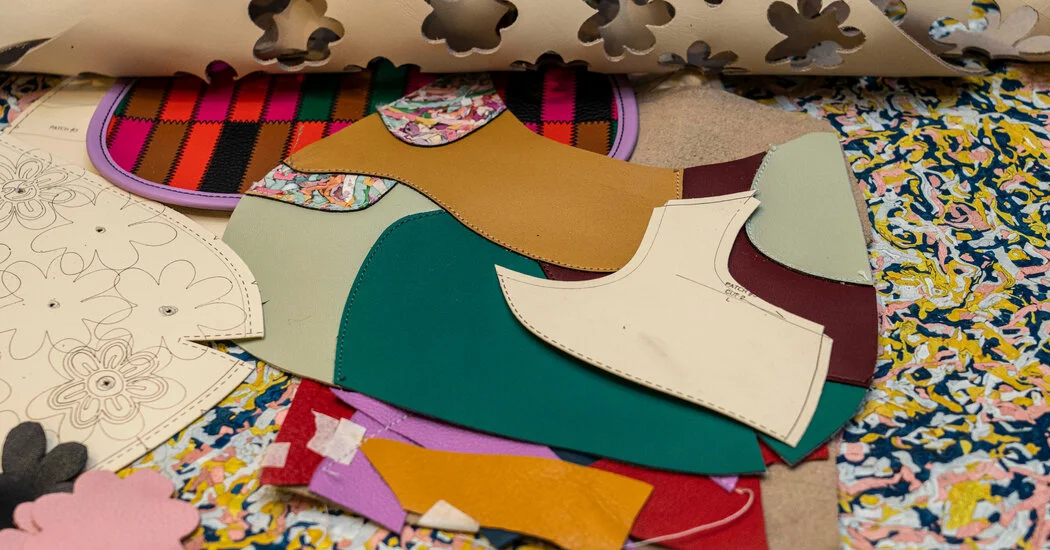
Coach has launched a new sub-brand called Coachtopia, which offers nearly 100 products made primarily with waste leather sourced from India and Vietnam or partly recycled materials like cotton, resin or polyester. The line is designed to embrace circular business models and reduce the use of new virgin materials. Coachtopia's intended consumer is Generation Z, and prices are deliberately lower than those of Coach and other luxury rivals to make products more accessible to younger shoppers. The challenge is to find a circular system that actually works, and Coach hopes to use the process as a blueprint for how to improve the overall environmental footprint of the company.