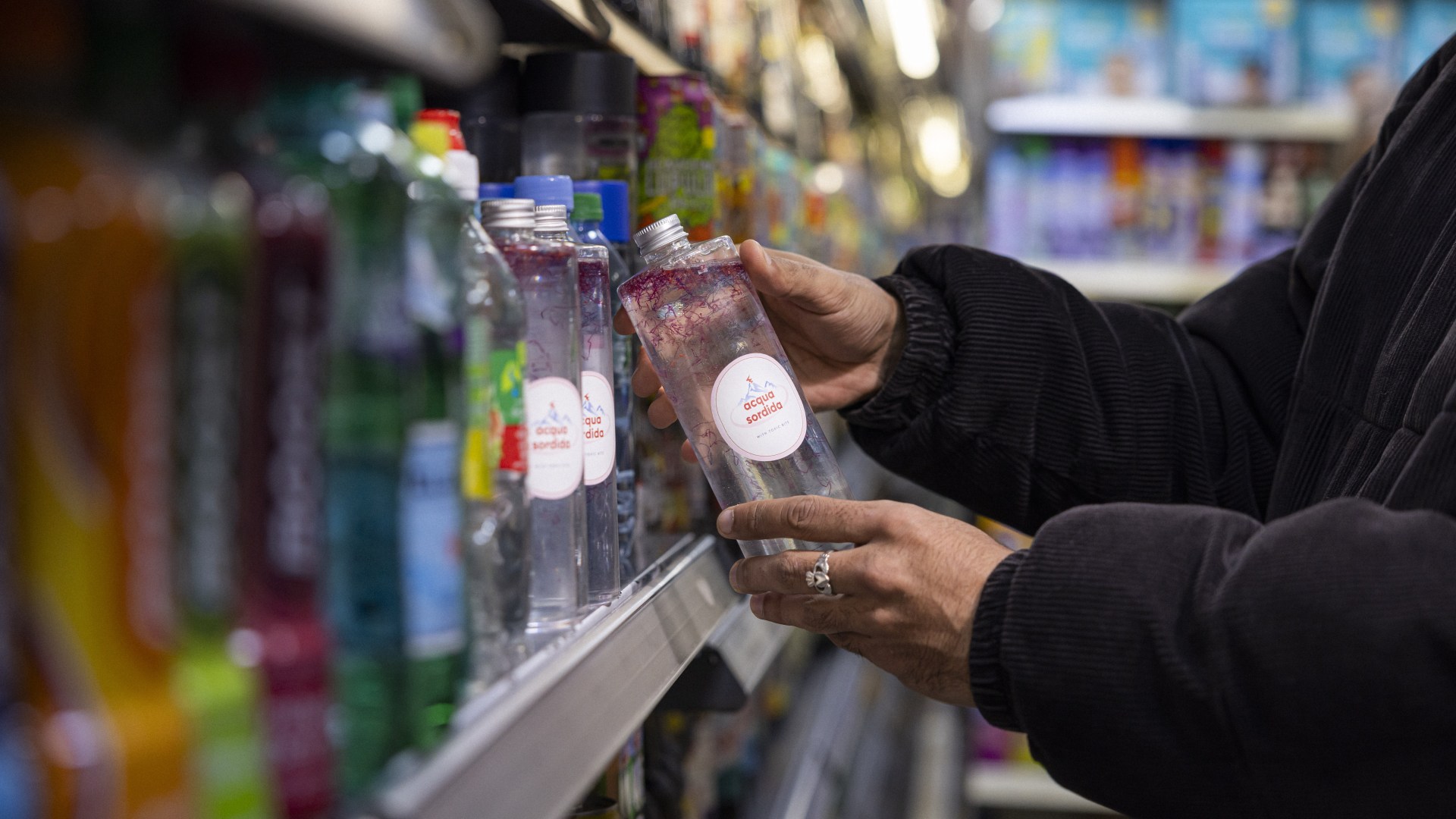
A study of 2,000 adults revealed that despite 22% acknowledging the potential health risks of drinking from single-use plastic water bottles and 88% being aware of the environmental impact, they still consume over 200 billion bottles in a lifetime. The study, commissioned by Ocean Bottle, highlights the need to end the toxic relationship with plastic bottles due to the presence of microplastics in the water and their detrimental effects on health and the environment. While 61% are trying to reduce their plastic bottle consumption, forgetfulness and lack of access to refill stations remain top reasons for purchasing them. Ocean Bottle is urging consumers to pledge to end their reliance on plastic water bottles, with a chance to win a reusable bottle.
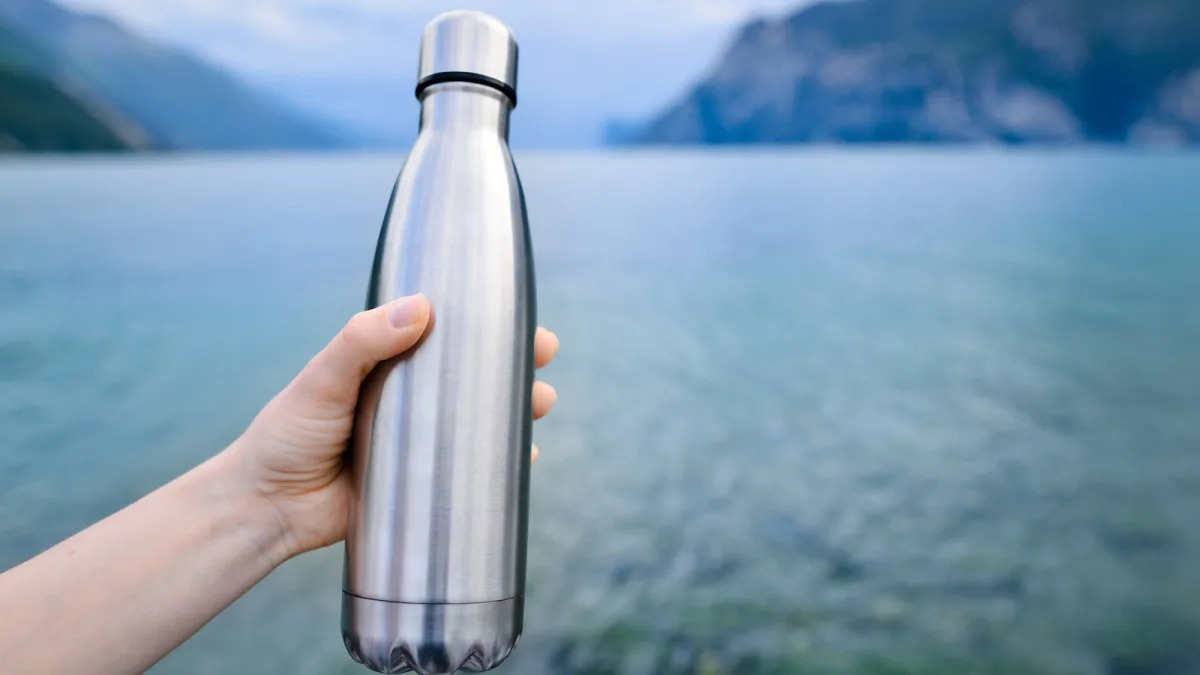
Single-walled stainless steel water bottles, while affordable and durable, lack insulation and can transfer heat easily, making them unsuitable for carrying hot or cold beverages. Alternatives such as double-walled insulated bottles, glass bottles, and aluminum bottles with BPA-free linings offer better temperature control and safety options.
Single-walled stainless steel water bottles, while affordable and durable, lack insulation and can transfer heat easily, making them unsuitable for carrying hot or cold beverages. Alternatives such as double-walled insulated bottles, glass bottles, and aluminum bottles with BPA-free linings offer better temperature control and environmental friendliness.
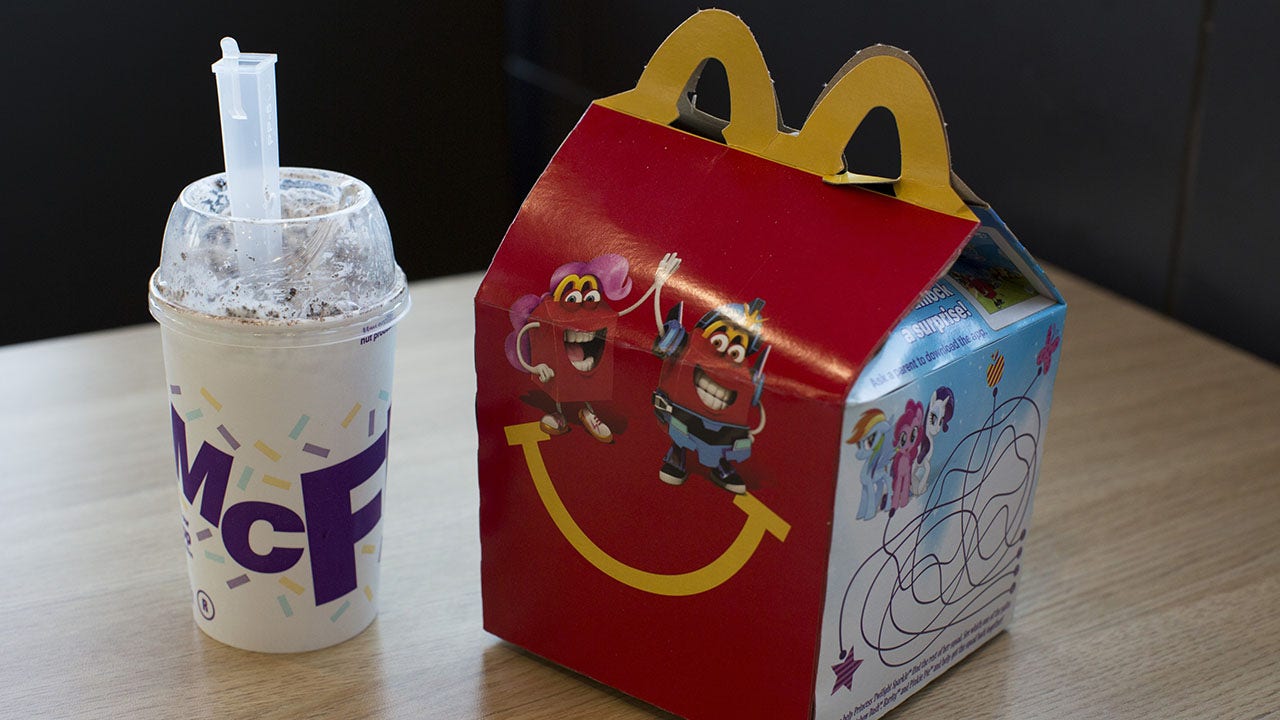
McDonald's is discontinuing its iconic hollowed-out, square-shaped McFlurry spoon in an effort to reduce single-use plastic waste. The fast-food chain will now use a reusable spindle that is swapped out and cleaned after each McFlurry is made, along with a smaller black spoon that uses less plastic. This change is part of McDonald's larger initiative to redesign its iconic products and transition to more sustainable materials. The company has also recently removed self-serve beverage stations and phased out certain bakery goods.