The episode 'Four-And-A-Half Vulcans' from Star Trek: Strange New Worlds Season 3 is a comedic, light-hearted take on characters transforming into Vulcans, but it struggles with humor and coherence, focusing more on sight gags and punchlines than character depth or meaningful storylines.
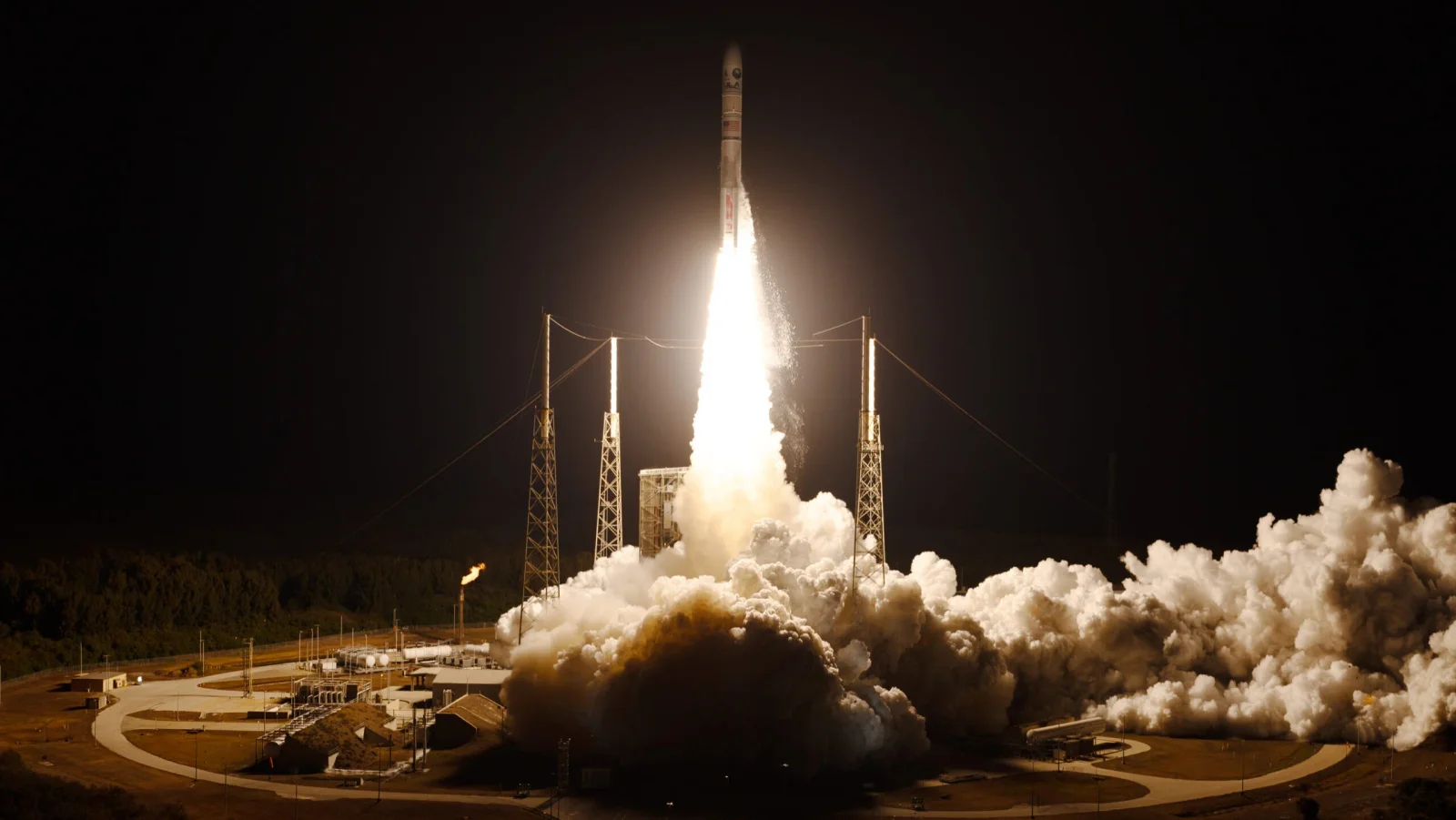
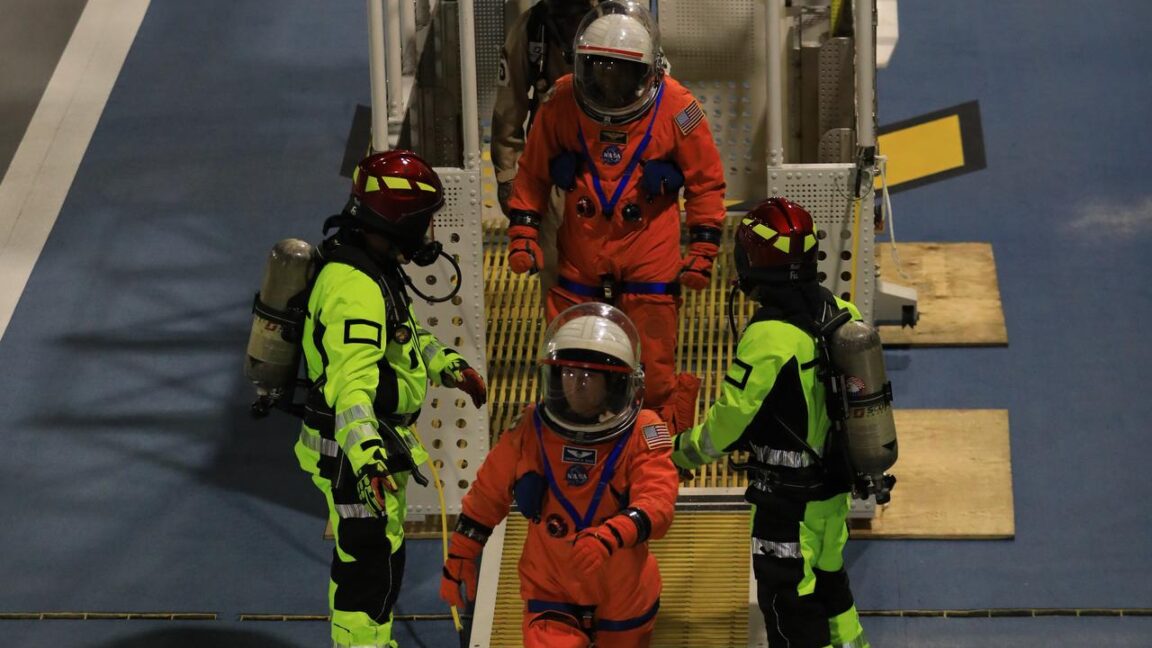
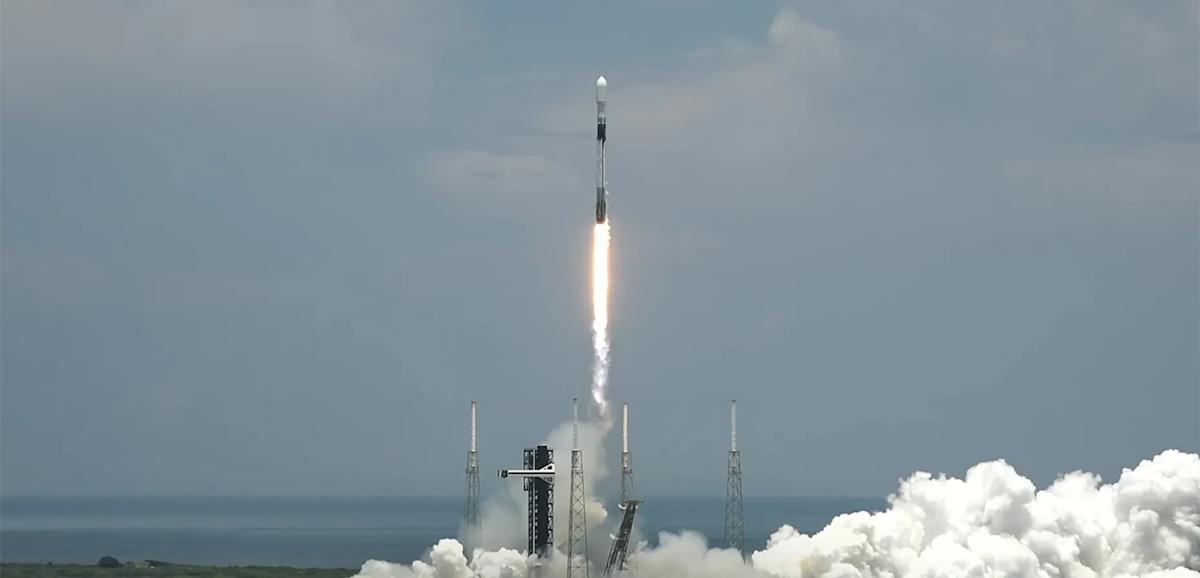
Ariane 6 successfully launched its third mission, beating Vulcan to this milestone, while China deployed its sixth batch of Guowang satellites using the Long March 5B. SpaceX launched its 100th mission of the year, including satellites for Amazon's Project Kuiper, highlighting its dominant role in commercial space launches. The Portuguese government approved a spaceport in the Azores, and China revealed its first marine rocket recovery ship. ULA's Vulcan rocket achieved its first national security launch, marking a key operational milestone. Additionally, NASA's Artemis II astronauts trained for nighttime launch procedures, and China continues expanding its satellite internet constellation.
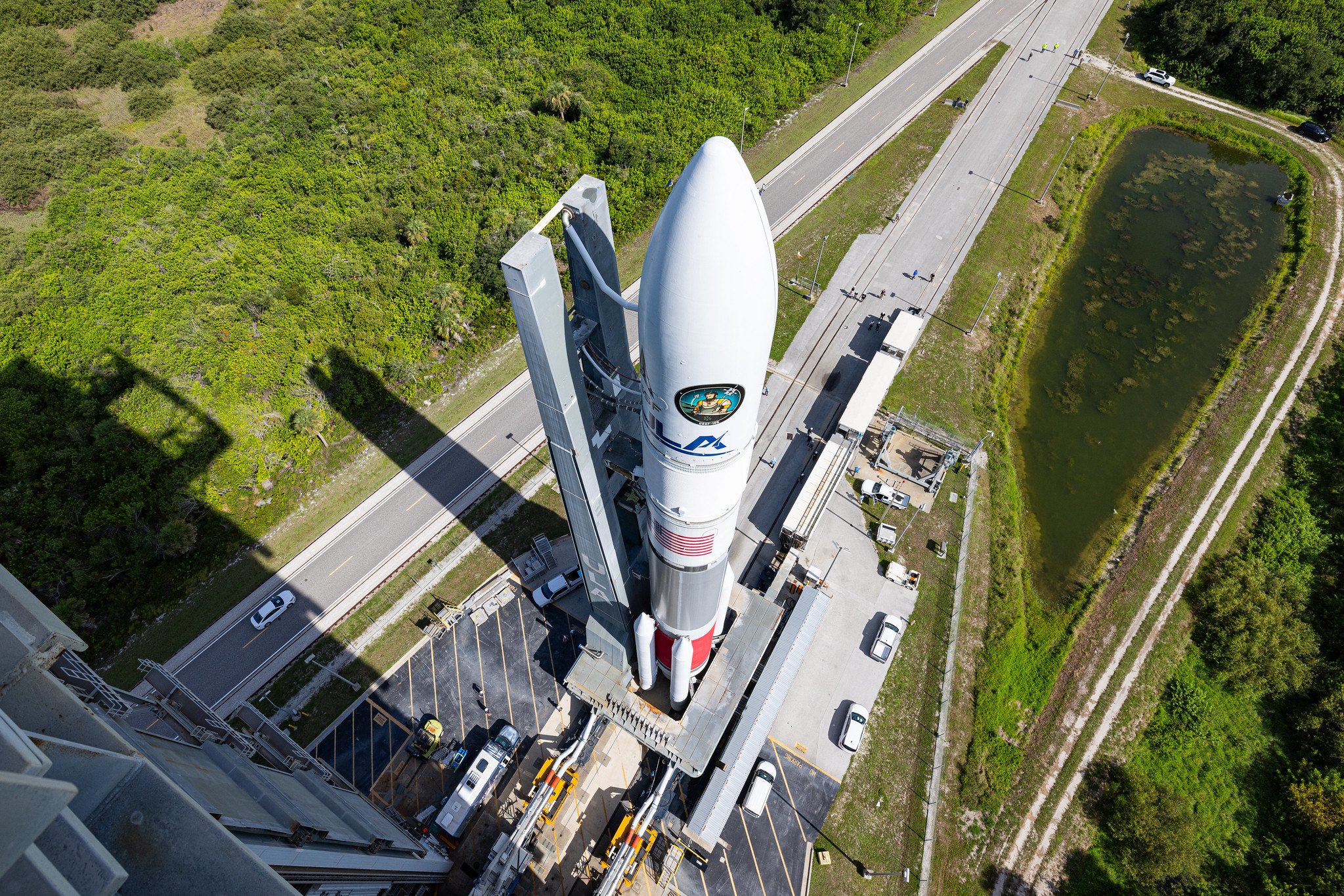
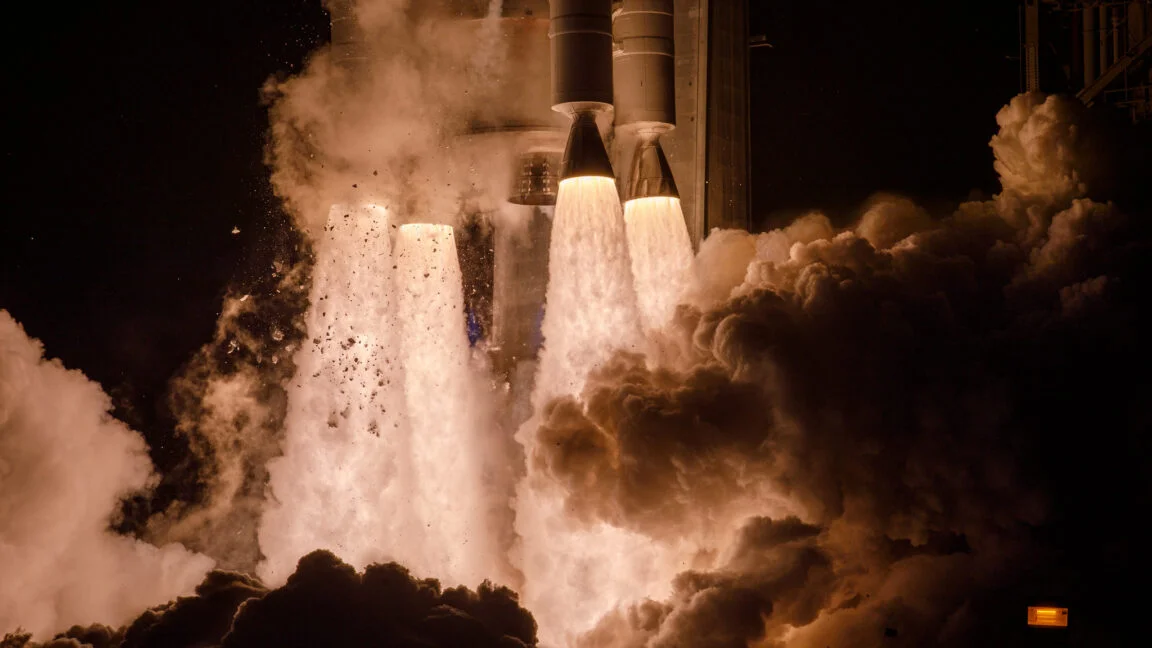
United Launch Alliance's Vulcan rocket is set to launch its first national security mission, USSF-106, from Cape Canaveral, marking its debut for the U.S. Space Force's NSSL program with a high-profile experimental payload, NTS-3.
SpaceX has become the primary provider for U.S. national security launches due to delays and issues faced by ULA's Vulcan rocket, including recent successful GPS satellite launches and ULA's ongoing certification problems, leading to a shift in government contracts and increased reliance on SpaceX's Falcon 9.
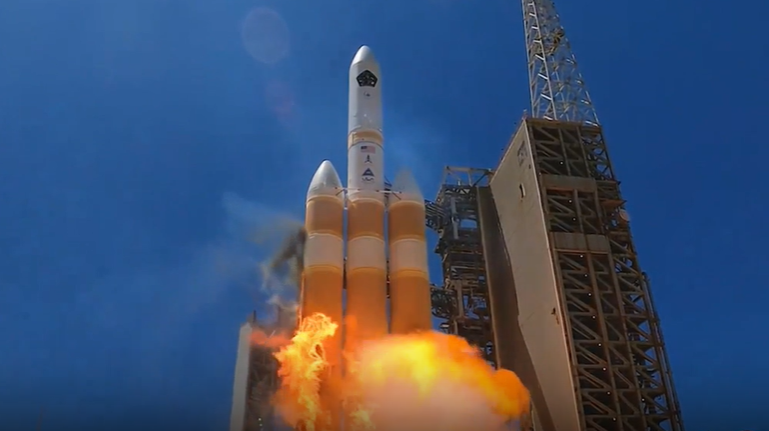
The Delta IV Heavy rocket, known for deploying national security satellites and critical NASA missions, is set to take its final flight from the Cape Canaveral Space Force Station. United Launch Alliance's next-generation rocket, the Vulcan, will seamlessly replace the Delta IV Heavy, offering increased capabilities and reusability. The last launch of the Delta IV Heavy is scheduled for Thursday, marking the end of an era and the beginning of a new chapter in space exploration.
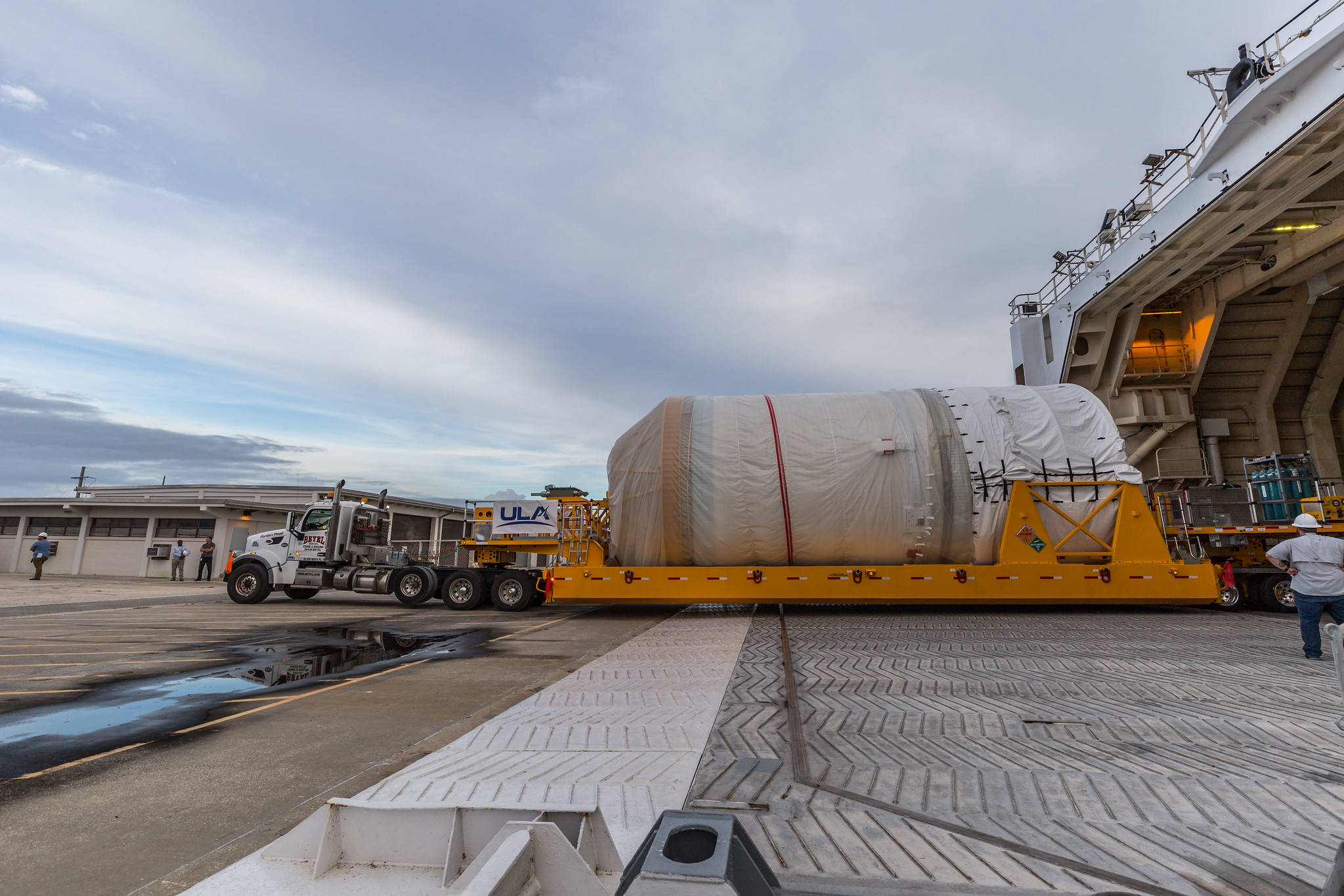
United Launch Alliance (ULA) is preparing for the first launch of its Vulcan Centaur rocket, with all major components now at the Cape Canaveral launch site. The Centaur upper stage, called Cert-1, arrived on November 13 and will be integrated with the Vulcan booster. The primary payload for the launch is Astrobotic's Peregrine lunar lander, which will carry payloads for NASA's Commercial Lunar Payload Services program. The launch is scheduled for December 24, with two backup windows on December 25 and 26. ULA plans to increase the Vulcan launch rate to twice a month by the end of 2025.
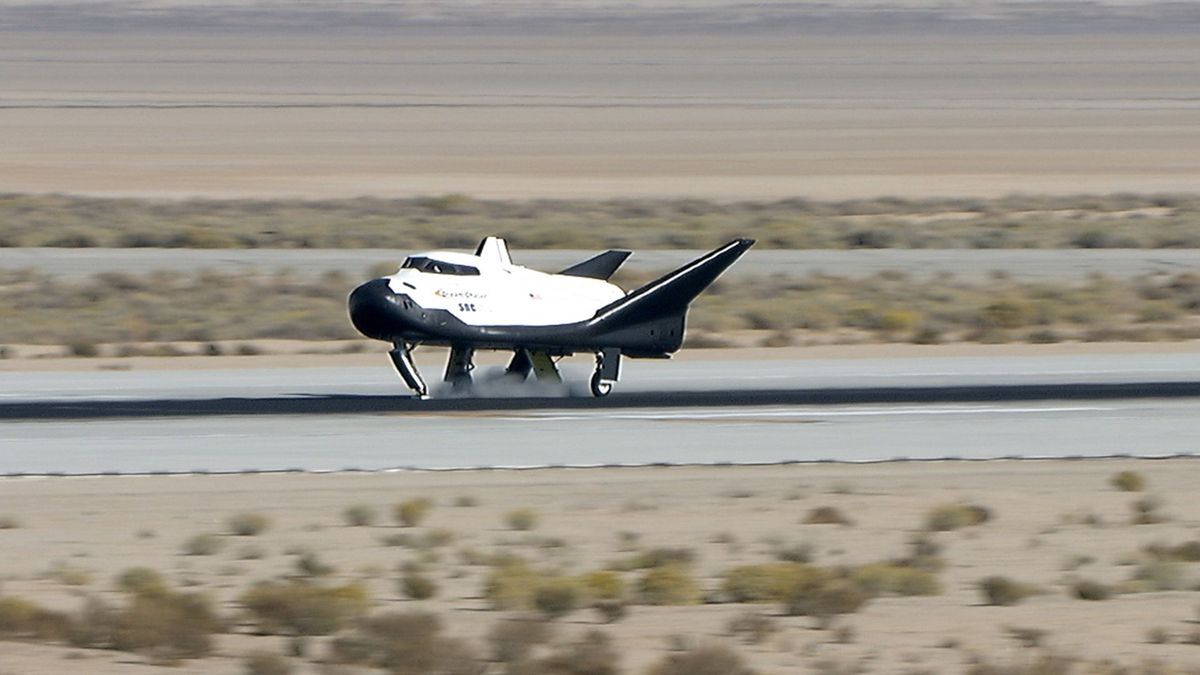
Sierra Space's Dream Chaser, one of NASA's commercial cargo spacecraft, will delay its first launch to the International Space Station until December, a five-month delay from August, due to unknown reasons. The spacecraft will be launched using a new booster from United Launch Alliance called Vulcan. Vulcan is also facing development issues of its own ahead of flying the two certification missions. This will leave NASA with a single operational rocket type that supplies cargo vehicles: The SpaceX Falcon 9.
The exoplanet 40 Eri b, previously thought to be the real-life version of the fictional planet Vulcan from Star Trek, has been disproved by a new study. The gravitational pull thought to be caused by the planet was actually caused by the star's surface activity. The radial velocity method used to detect exoplanets has limitations in detecting smaller exoplanets and those orbiting further away. While there may be other planets orbiting 40 Eridani A, none are currently suspected.