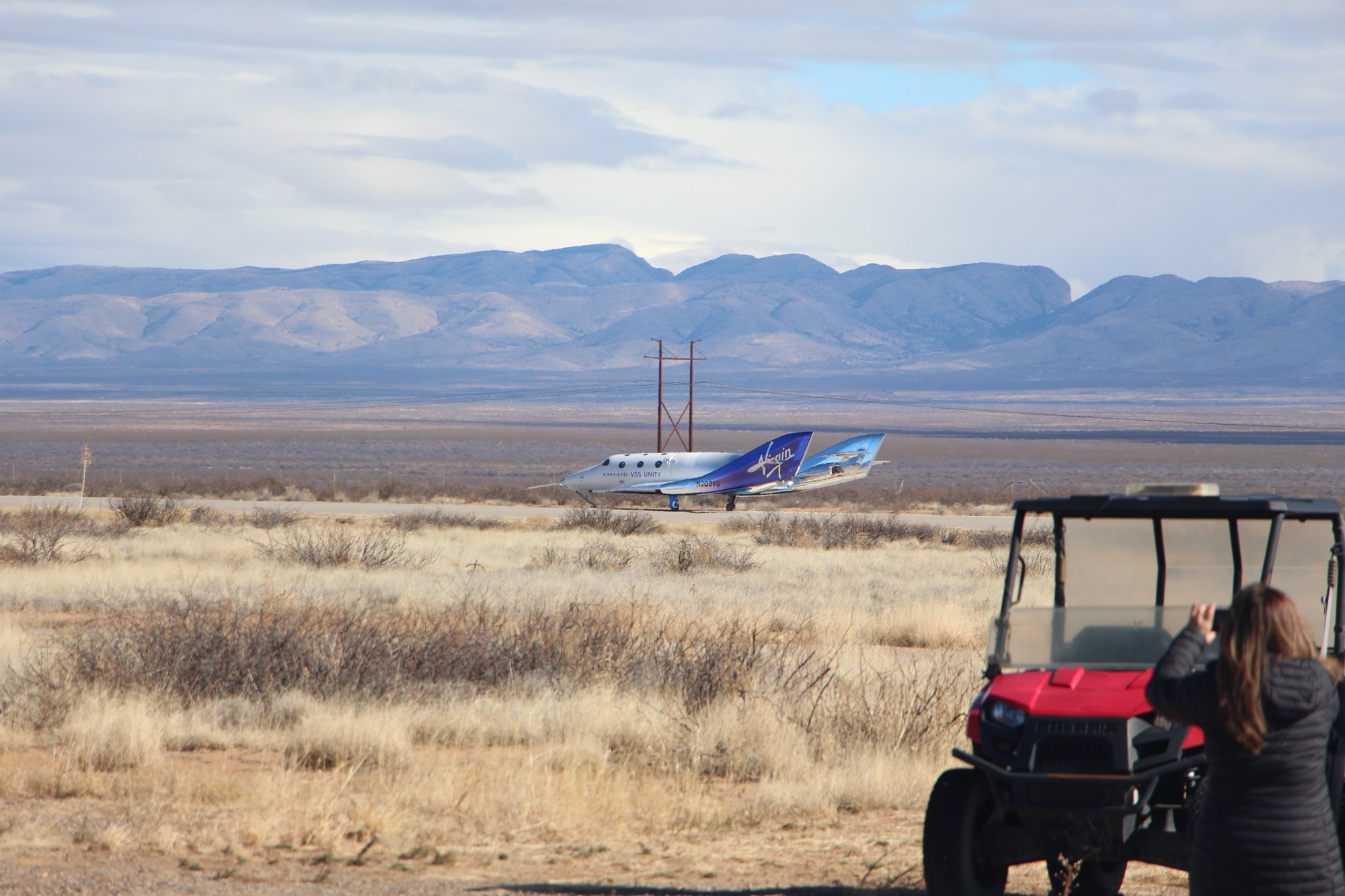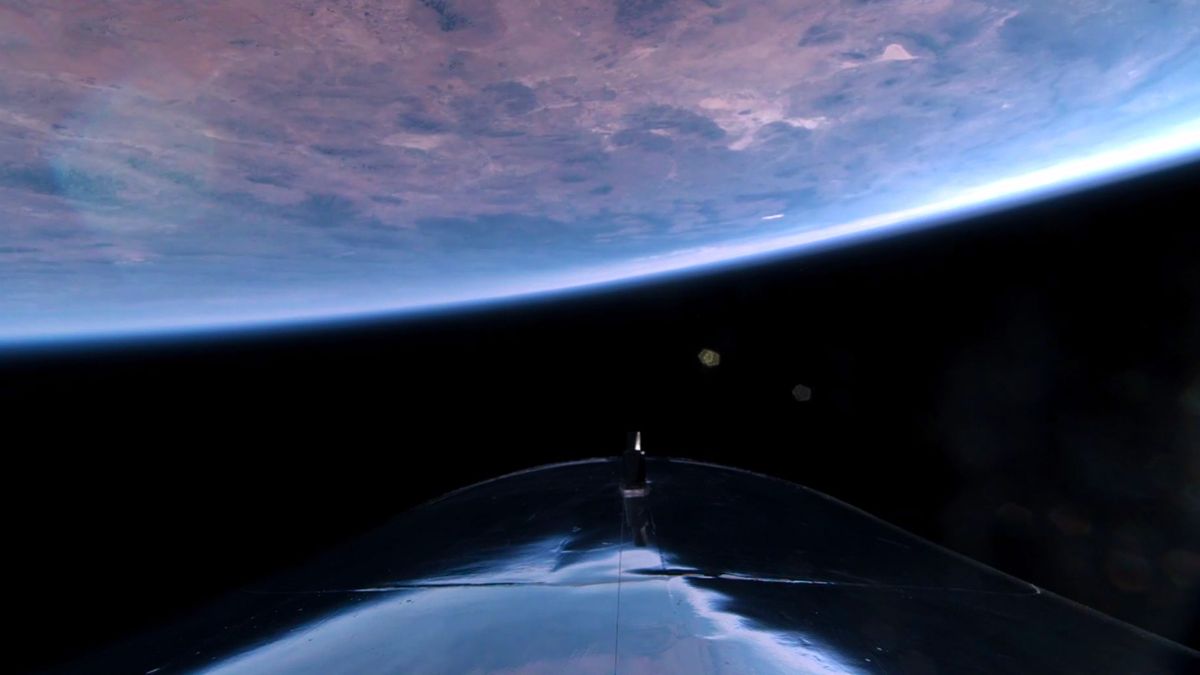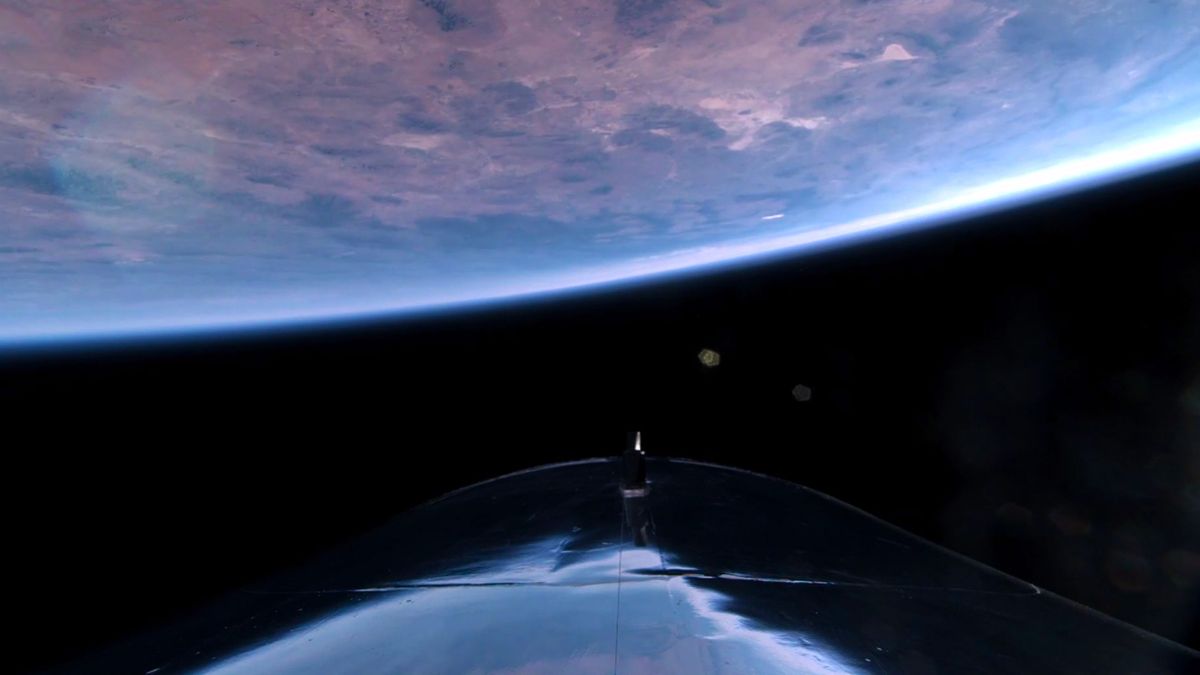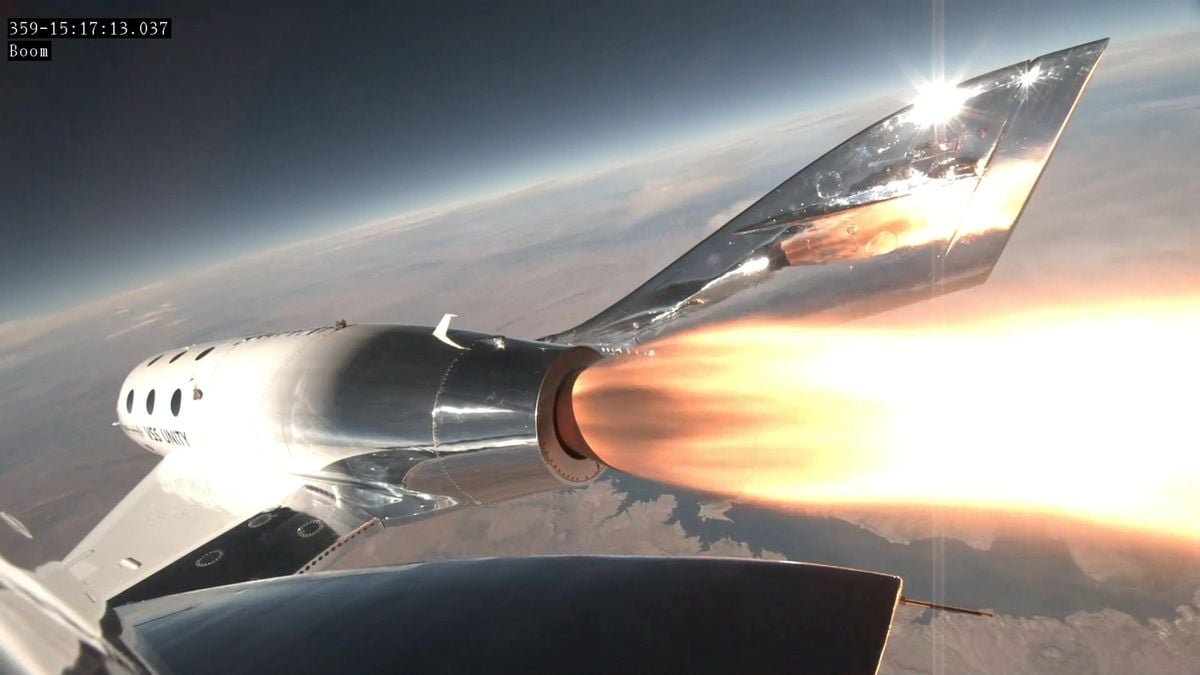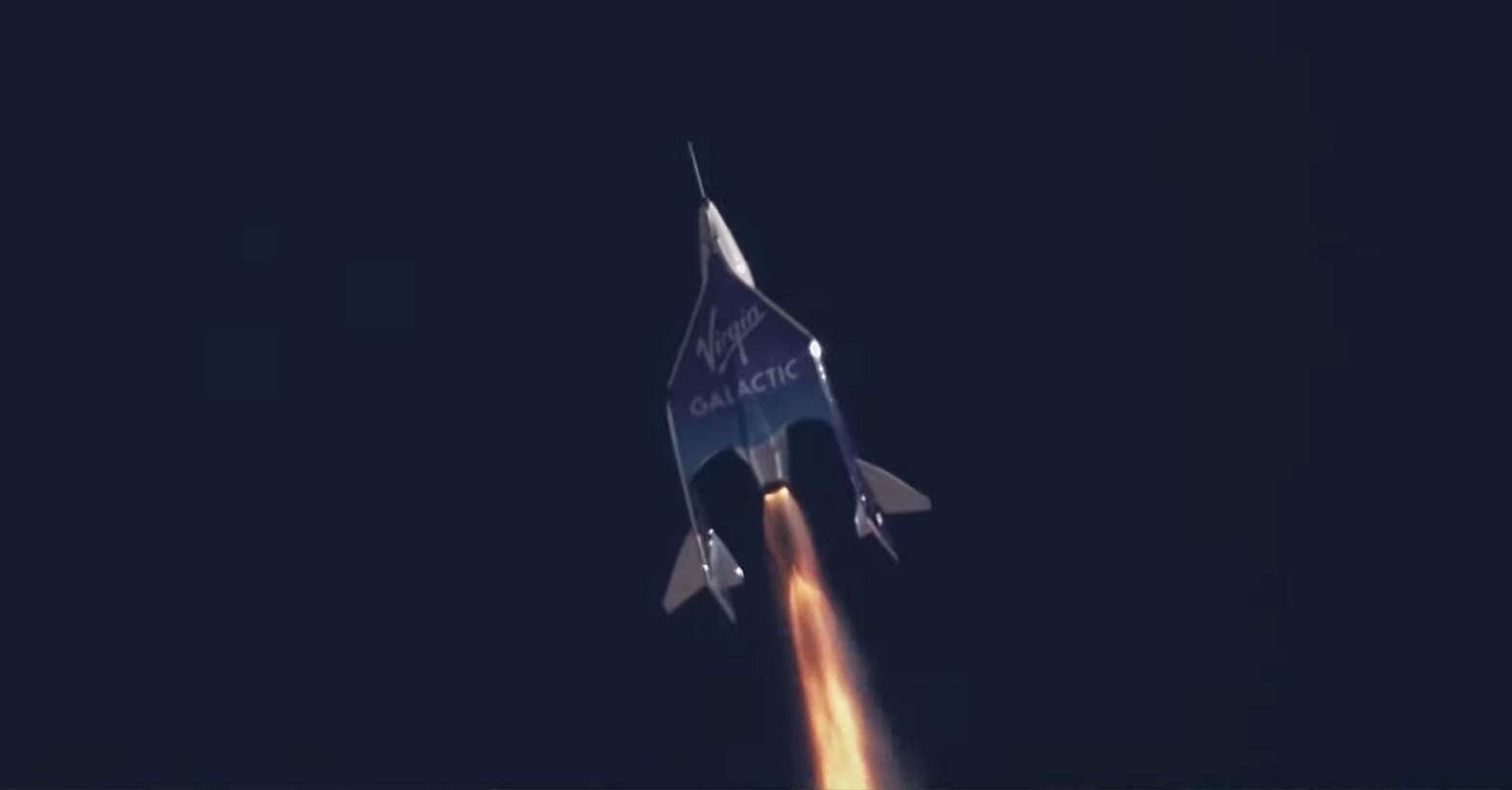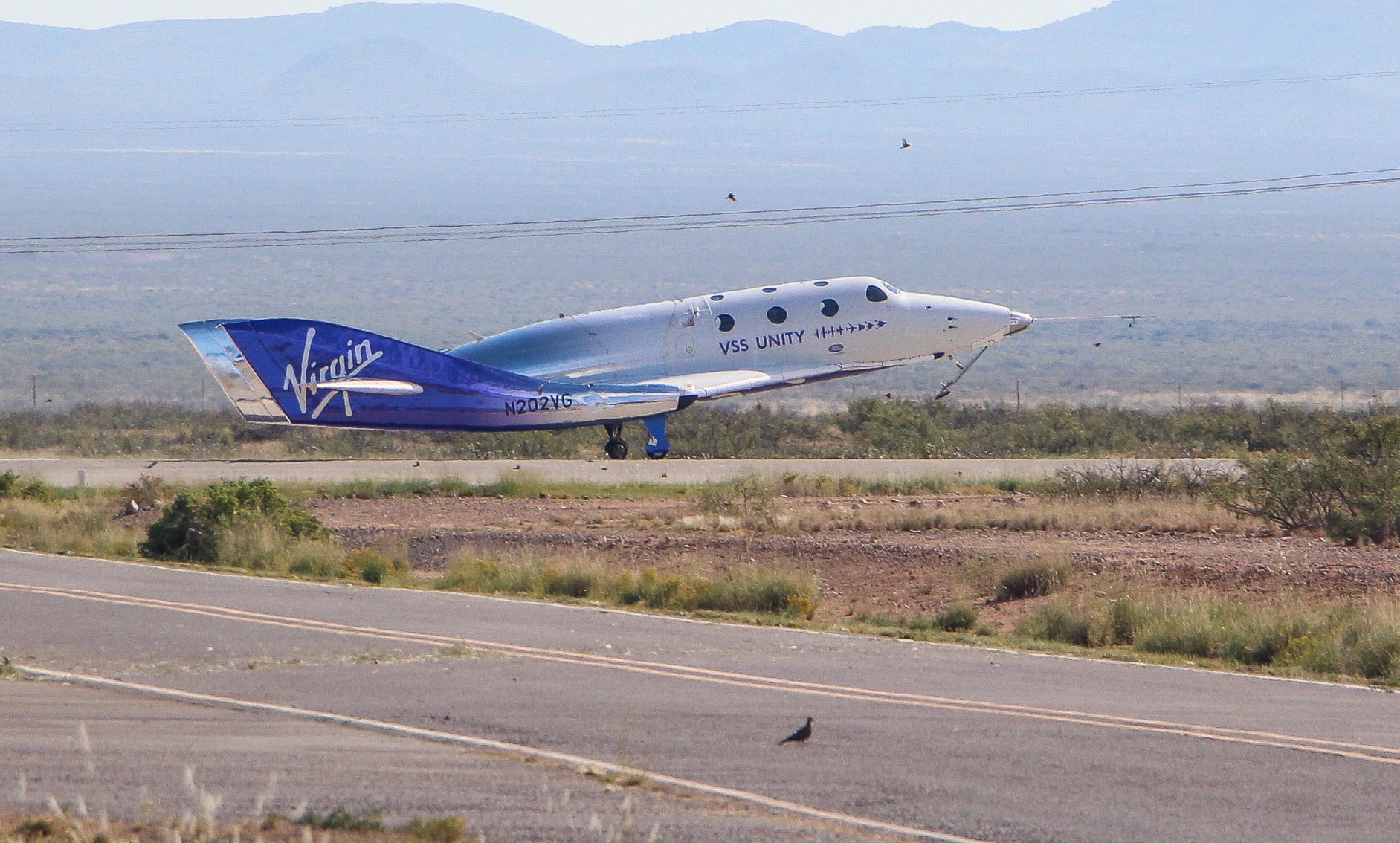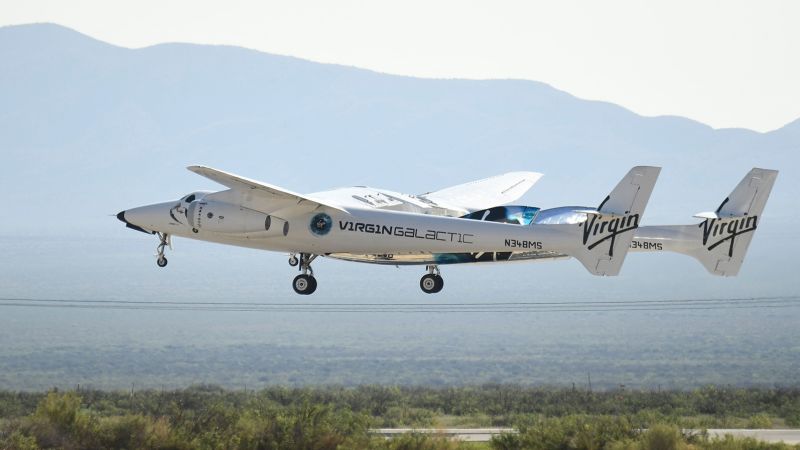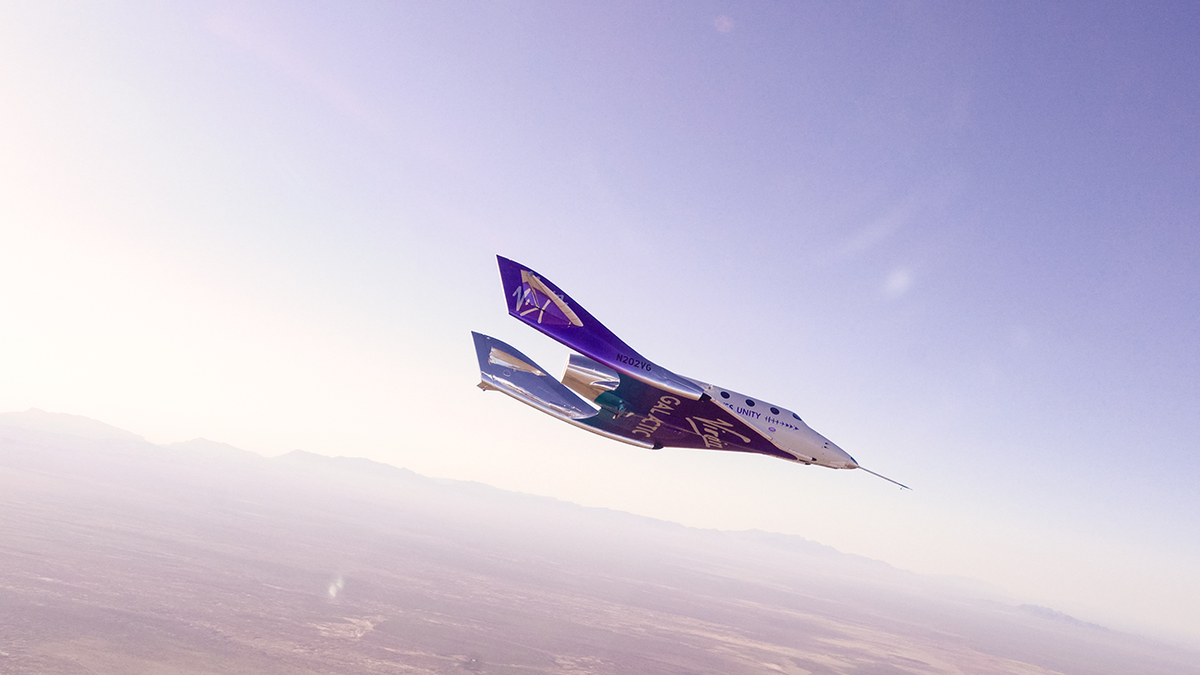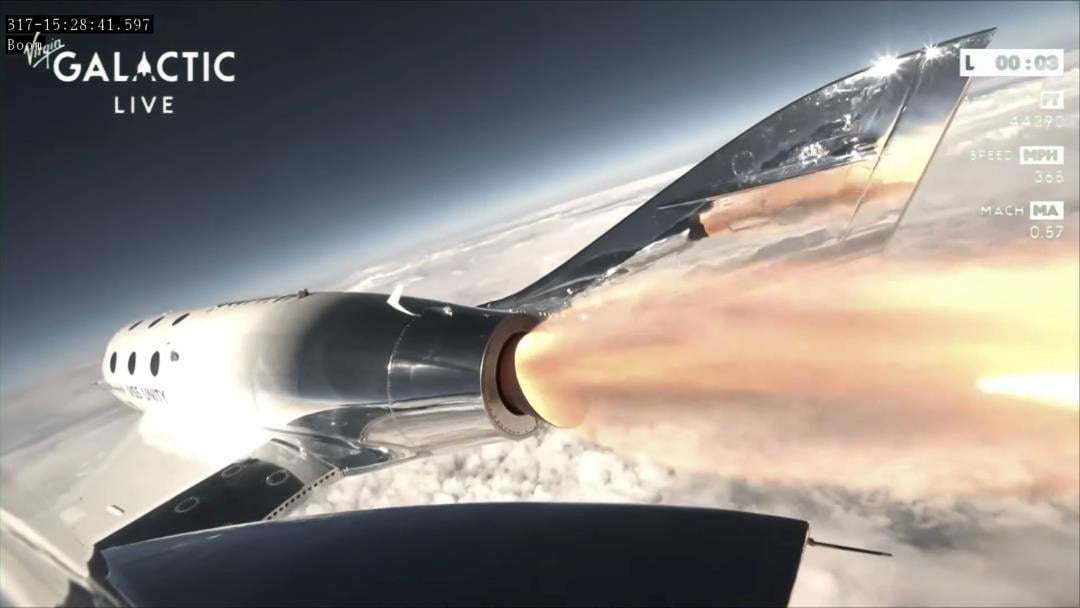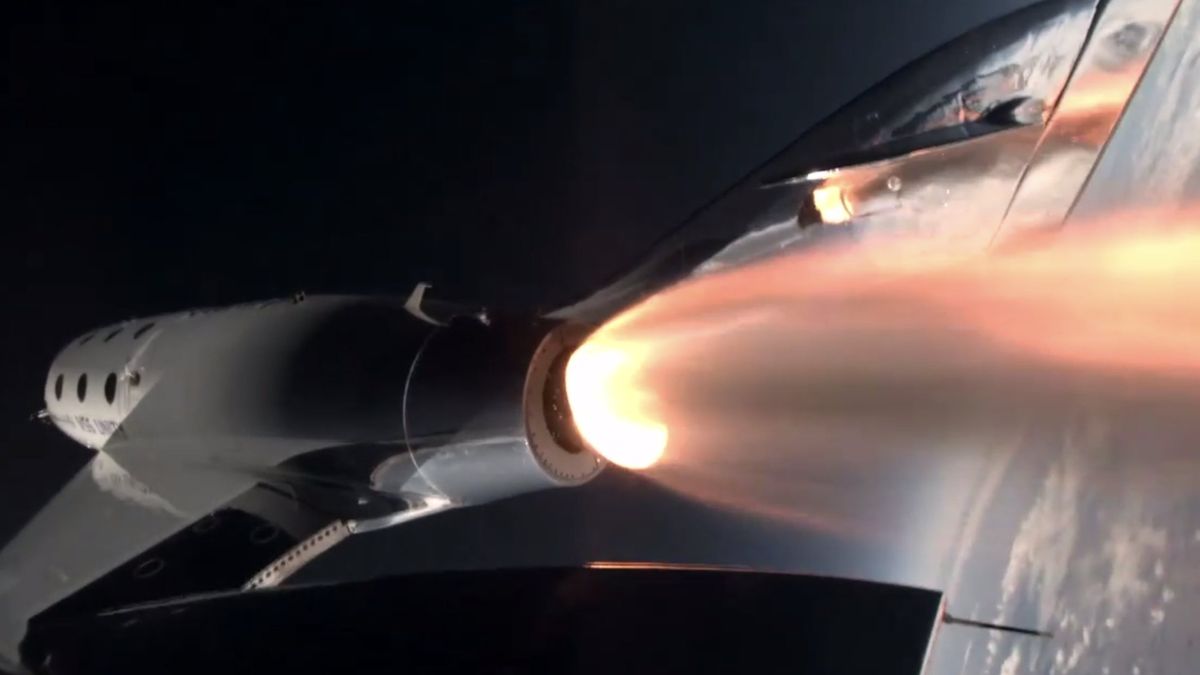
During Virgin Galactic's Galactic 06 suborbital mission, the VMS Eve mothership lost an alignment pin used to mate with the VSS Unity space plane, prompting an FAA investigation. Despite the lost pin, the company stated that there was no danger or damage to either aircraft, and the flight was conducted safely. Virgin Galactic will conduct an investigation alongside the FAA and provide an update ahead of its next mission, Galactic 07. The FAA has grounded Virgin Galactic until the investigation is completed, and the company plans to retire its current fleet of suborbital vehicles in favor of new "Delta class" space planes.
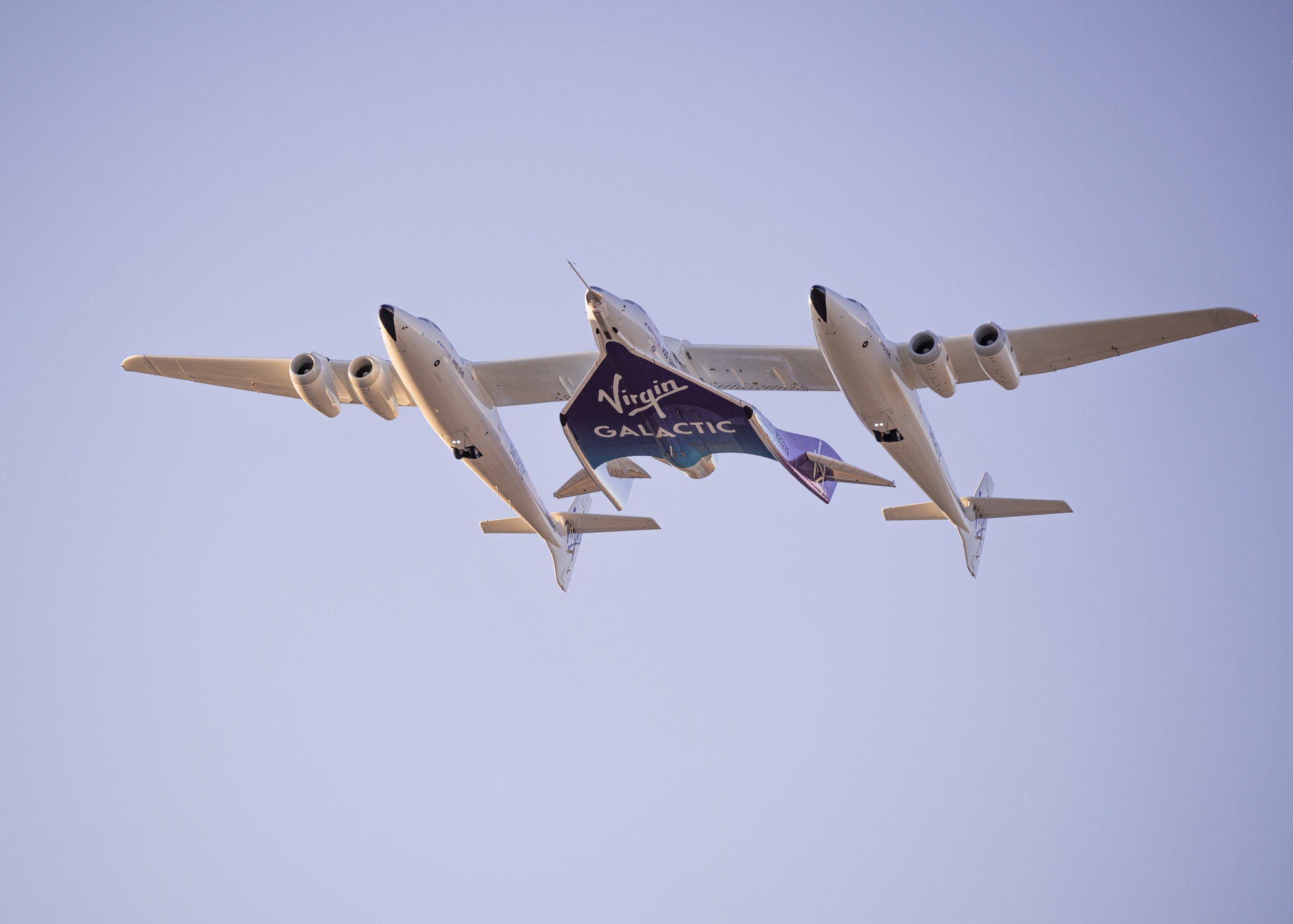
Virgin Galactic is investigating why a pin fell from the aircraft used by its VSS Unity suborbital spaceplane on its most recent flight, stating that the incident did not pose a safety risk. The alignment pin detached after Unity separated from its carrier aircraft, VMS Eve, during the Galactic 06 suborbital flight in January. The company notified the FAA of the incident and is reviewing it in conjunction with the agency. Virgin Galactic plans to provide an update after completing the investigation about the next commercial flight of VSS Unity.
Virgin Galactic conducted its first suborbital mission of 2024, carrying four private astronauts for the first time along with its two pilots. The VSS Unity spaceplane reached a peak altitude of 88.8 kilometers before gliding back to a runway landing at Spaceport America in New Mexico. The company plans to end flights of its current spaceplane and shift resources into the development of its next-generation Delta class of suborbital vehicles, with commercial service expected in 2026.
Virgin Galactic is set to launch its sixth commercial spaceflight, Galactic 06, today, carrying four private passengers, including the first Ukrainian woman to reach space. The passengers will experience a few minutes of weightlessness and see Earth from suborbital space before landing at Spaceport America. This mission marks one of the final flights for the VSS Unity space plane, as Virgin Galactic plans to focus on its forthcoming "Delta class" vehicle.
Virgin Galactic's VSS Unity space plane will be grounded until January 2024 and will fly just once or twice more before being permanently grounded in mid-2024. This move is to free up resources for the development of the next-generation suborbital vehicle, the Delta class. The Delta craft will have a higher flight cadence and revenue generation potential compared to Unity. Virgin Galactic aims to begin flight tests of the first Delta spacecraft in 2025 and bring it into service in 2026. The company also announced layoffs of about 18% of its workforce to decrease costs and strategically realign resources.
Virgin Galactic has announced the date and crew for its fifth commercial spaceflight, Galactic 06, set to open on November 2, 2023. The crew will include an unnamed private astronaut, planetary scientist Alan Stern, and bioastronautics researcher Kellie Gerardi. They will conduct research related to the effects of spaceflight on the human body and perform practice activities for future experiments. This flight marks Stern's first trip to space and represents a new era where space is accessible for researchers. Virgin Galactic's space tourism flights use a mothership aircraft to carry its space plane to an altitude of around 50,000 feet before releasing it.
Virgin Galactic is set to perform its final suborbital spaceflight of the year, Galactic 05, in early November. The mission will include two researchers, Alan Stern and Kellie Gerardi, who will conduct various experiments and collect biomedical data. Stern, an advocate for suborbital research, will evaluate a harness and test an astronomical camera, while Gerardi will test a biomonitoring device and conduct a fluid dynamics experiment. The flight represents a new kind of space activity, allowing scientists to train in space for future experiments funded by NASA. Virgin Galactic sees suborbital research as a potentially lucrative application for its vehicles and plans to enhance its research capabilities for future missions.
Virgin Galactic successfully completed its fourth commercial suborbital spaceflight, carrying three customers, including the first person from Pakistan to go to space. The VSS Unity vehicle reached an apogee of 87.5 kilometers before gliding back to a runway landing at Spaceport America. The company plans to maintain a monthly flight cadence to gradually work through its backlog of approximately 800 customers.
Virgin Galactic successfully completes its fifth human spaceflight mission in five months, known as 'Galactic 04'. The mission included three new astronauts, including the first person from Pakistan to fly to space. The company will now conduct post-flight inspections and analysis in preparation for the next commercial space mission, 'Galactic 05'.
Virgin Galactic has postponed its next space tourism mission, Galactic 04, by one day to October 6th, to allow for additional vehicle preparation and checks. The mission will send three paying customers, including the first Pakistani to reach space, on Virgin Galactic's VSS Unity space plane. The company plans to increase the frequency of flights with the introduction of their new "Delta class" of space planes in 2026.
Virgin Galactic is set to launch its third commercial spaceflight, Galactic 03, on Friday, September 8. The mission will carry three paying customers, who are part of Virgin Galactic's group of "Founder" astronauts. The identities of the customers have not been revealed, but they have been ticket holders since 2005. The customers will fly aboard the VSS Unity space plane with an astronaut instructor, and the launch will not be livestreamed. This will be Virgin Galactic's third commercial spaceflight, following Galactic 02 and Galactic 01.
Virgin Galactic successfully launched its first space tourists, marking a major milestone for the space tourism company founded by Richard Branson. The rocket-powered space plane, VSS Unity, carried three customers, including the first space travelers from Antigua and the second person with Parkinson's disease to travel to space. The vehicle reached an altitude of more than 50 miles above Earth's surface, experiencing weightlessness before gliding back to the spaceport for a runway landing. This mission follows Virgin Galactic's first commercial flight in June and signifies the company's transition to including tourists on its flights.
Virgin Galactic is scheduled to launch its second commercial spaceflight mission, Galactic-02, on August 10. The mission will carry three private astronauts on a suborbital spaceflight aboard the reusable space plane, VSS Unity. The exact launch time has not been announced, but coverage will begin at 11:00 a.m. EDT. Viewers can watch the livestream on Virgin Galactic's website. The mission is expected to last around 90 minutes, with approximately four minutes of weightlessness for the passengers.
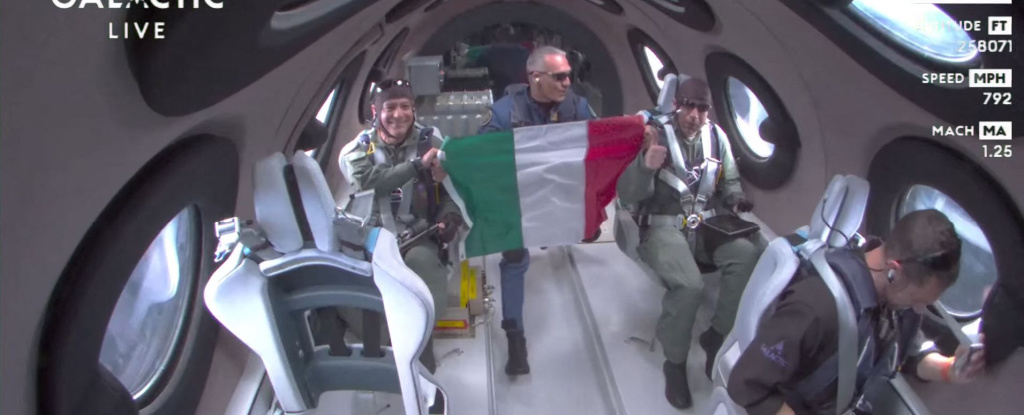
Virgin Galactic successfully took its first paying customers to the edge of space after almost 20 years since its founding. The VSS Unity rocket plane carried three Italian passengers who conducted experiments during the 72-minute suborbital journey. This marks the first time any of the approximately 800 people who have purchased tickets have made the trip. Virgin plans to start monthly passenger flights in August, but it would take nearly 17 years to clear the backlog at that rate. The company aims to bring a new series of rocket planes into service by 2026 to increase the frequency to one journey per week.
Virgin Galactic successfully flew its first paying customers to space, reaching an altitude of 52.9 miles above sea level. The mission, named Galactic 01, marked a significant milestone for the company after facing setbacks and a pause in spaceflights. The crew conducted experiments and collected data during the flight, including measuring radiation levels and studying microgravity effects. Virgin Galactic plans to resume monthly space hops, with the next mission, Galactic 02, scheduled for August. The company competes with Blue Origin and SpaceX in the suborbital space tourism sector.