Tag

Virus Spread

All articles tagged with #virus spread

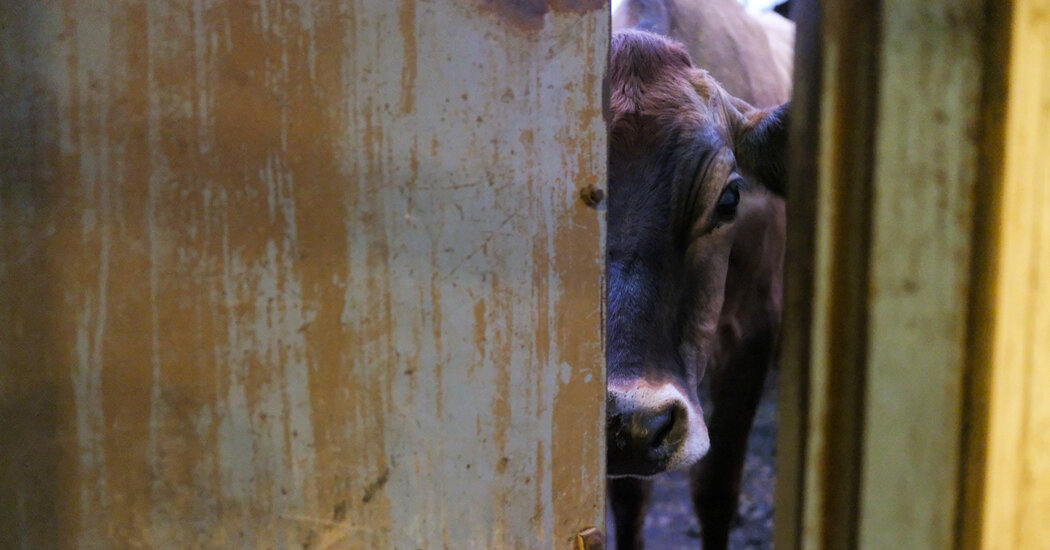
Bird Flu Risks and Transmission on Dairy Farms

Originally Published 5 months ago — by The New York Times

Featured image for Bird Flu Risks and Transmission on Dairy Farms
Source: The New York Times

Scientists have found evidence that bird flu may spread through the air in milking parlors and contaminated wastewater on dairy farms, with live virus detected in the air and on equipment, suggesting inhalation and environmental routes as possible transmission pathways, which raises concerns about undetected spread and potential risks to farmworkers and humans.

Hantavirus Outbreak in the U.S.: Experts Warn of Rising Cases and Prevention Tips

Originally Published 7 months ago — by Daily Mail

Featured image for Hantavirus Outbreak in the U.S.: Experts Warn of Rising Cases and Prevention Tips
Source: Daily Mail

Experts warn of the spread of hantavirus, a deadly rodent-borne virus, after two cases in Nevada, highlighting the need for vigilance as warmer weather increases rodent activity; the virus, which can be fatal, is more widespread among rodent species in the US than previously thought, prompting public health advisories on prevention.

Can Closing the Toilet Lid Reduce Disease Transmission?

Originally Published 1 year ago — by The Mainichi

Featured image for Can Closing the Toilet Lid Reduce Disease Transmission?
Source: The Mainichi

A Japanese research team led by Takashi Fukuda at the National Institute of Advanced Industrial Science and Technology conducted a study to assess the effectiveness of closing toilet lids in preventing disease spread. Using a water-saving Japanese toilet, they found that closing the lid reduced aerosol generation to a quarter of that with the lid open, though some particles still escaped. Virus samples placed in the bowl showed minimal risk of infection from surfaces like toilet seats or walls. The team recommends closing the lid, standing 15 cm away when flushing, and cleaning nearby walls regularly.

"Scientists Seek Answers to Bird Flu Mysteries Amid Heightened Biosecurity"

Originally Published 1 year ago — by STAT

Featured image for "Scientists Seek Answers to Bird Flu Mysteries Amid Heightened Biosecurity"
Source: STAT

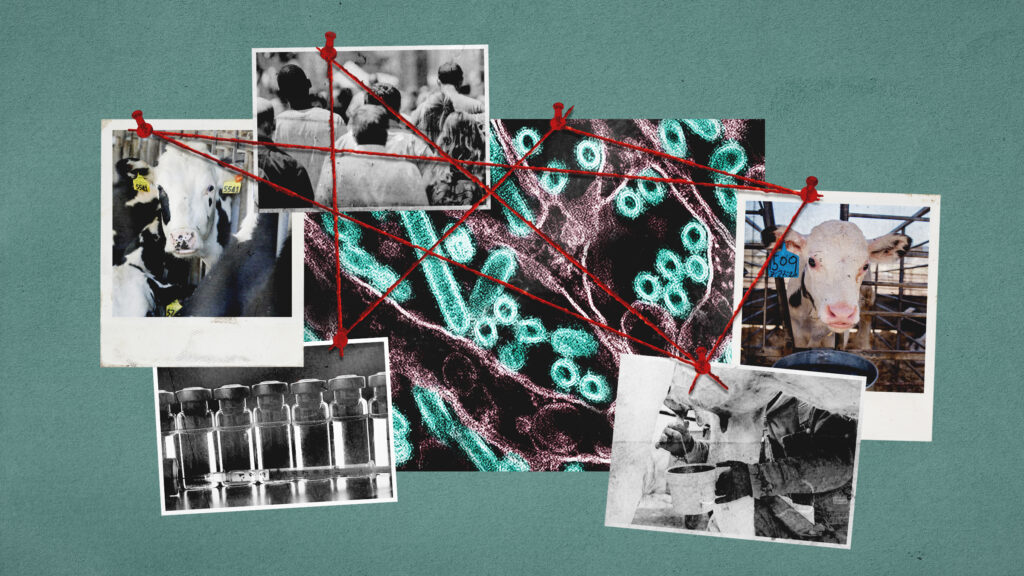
Scientists are struggling to understand the H5N1 bird flu outbreak affecting dairy cattle in the U.S. due to farmers' reluctance to allow research on their farms. Key questions include how the virus spreads among cows, its impact on farmworkers, and the potential for the virus to adapt to mammals. The lack of data is reminiscent of early Covid-19 information gaps, and experts stress the urgency of containing the outbreak to prevent long-term health risks.

Avian Influenza Spreads to Dairy Cows in Multiple US States

Originally Published 1 year ago — by Yahoo Finance

Featured image for Avian Influenza Spreads to Dairy Cows in Multiple US States
Source: Yahoo Finance

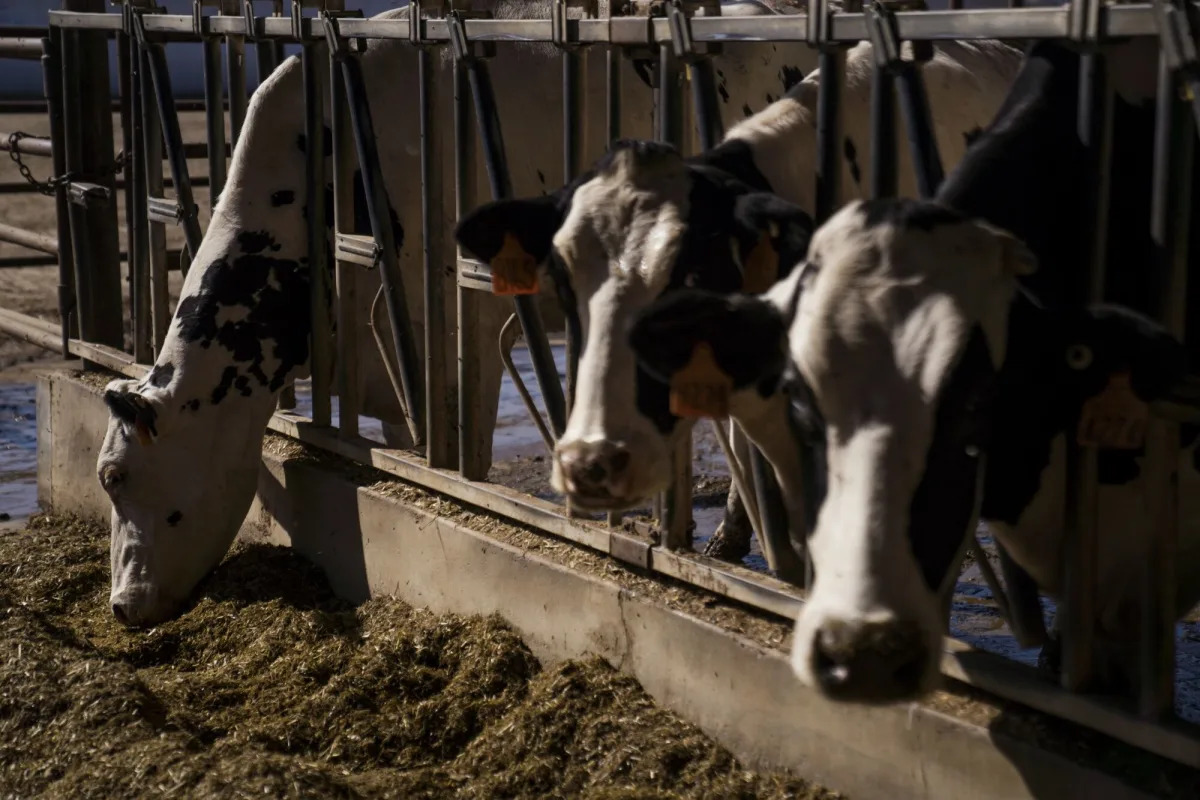
Highly pathogenic avian influenza has been found in dairy herds in Michigan and Idaho, indicating the virus is spreading into new US states. The virus strain found in Michigan appears to have been introduced by wild birds, and transmission between cattle can’t be ruled out. There is no concern about the safety of the commercial milk supply, and initial testing hasn’t found changes to the virus that would make it more transmissible to humans. Concerns arise about the flu potentially spreading across borders, with speculation of infections in cows in Europe.

"Rising H5N1 Bird Flu Cases Threaten South American and Antarctic Wildlife"

Originally Published 1 year ago — by VOA Learning English

Featured image for "Rising H5N1 Bird Flu Cases Threaten South American and Antarctic Wildlife"
Source: VOA Learning English

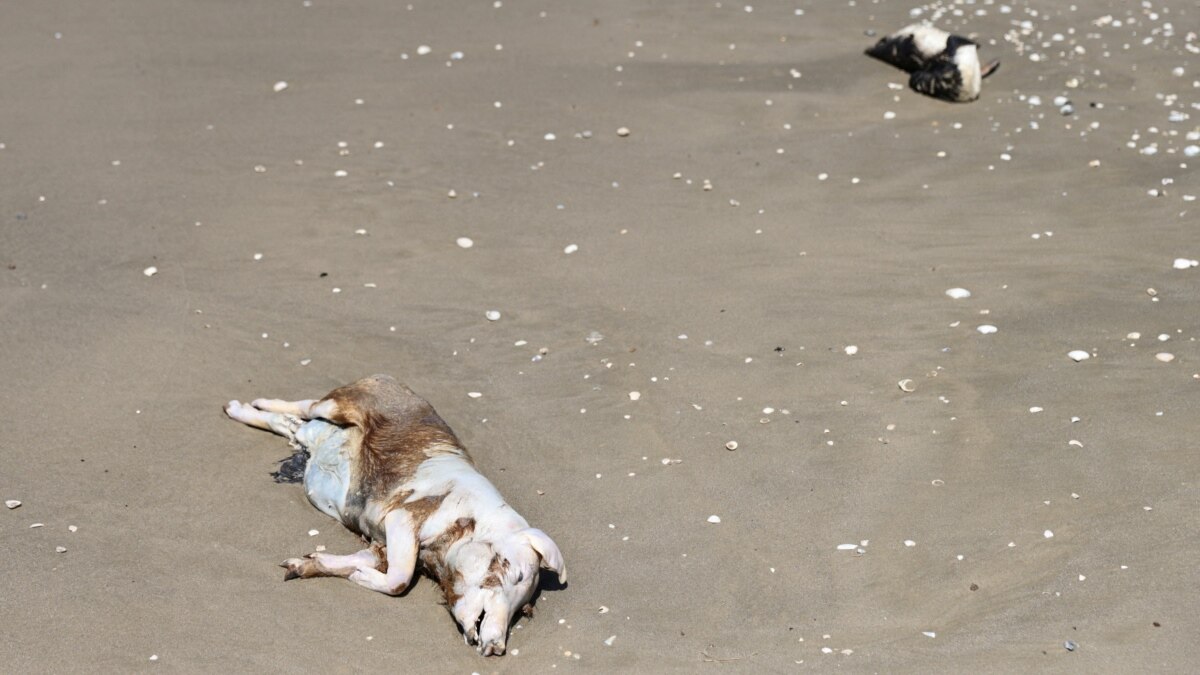
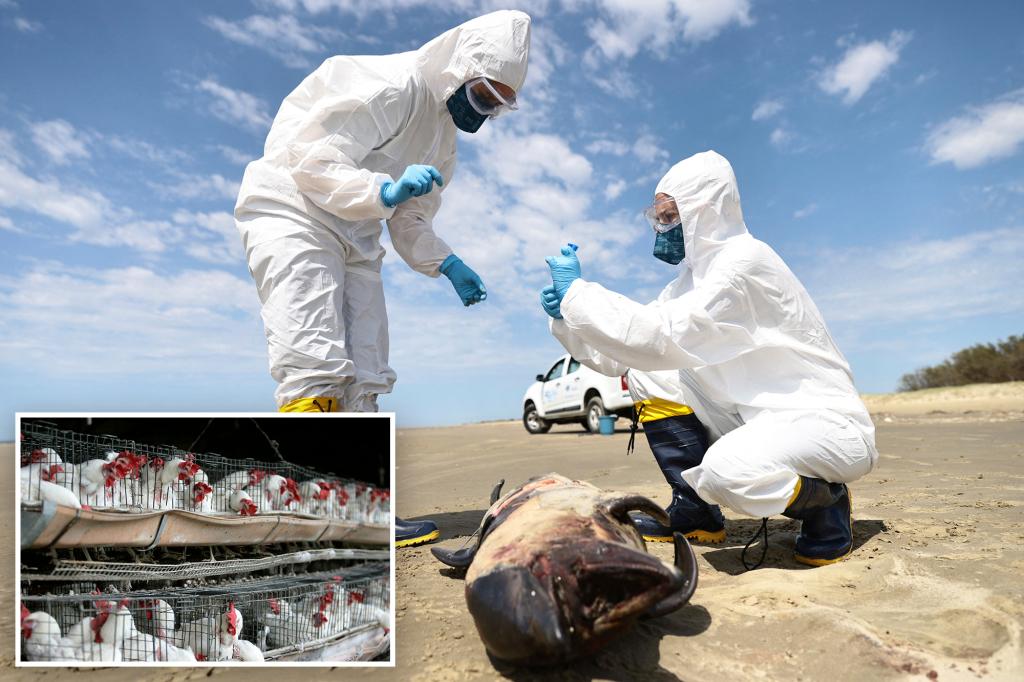
The H5N1 bird flu virus is spreading aggressively in South America, killing wild birds and marine mammals, raising concerns about potential threats to humans. The virus has killed thousands of seals, sea lions, and birds, and has been detected in several mammal species. Experts fear the virus could adapt to infect humans, prompting the Pan American Health Organization to launch a regional program to supervise bird flu spread. Limited resources and data in the region have hindered disease surveillance, prompting the need for increased monitoring and response efforts.

"Rising Concerns as Bird Flu Spreads to Mammals and Urgent Action is Needed"

Originally Published 1 year ago — by New York Post

Featured image for "Rising Concerns as Bird Flu Spreads to Mammals and Urgent Action is Needed"
Source: New York Post

The USDA has reported cases of avian flu in mammals in three states, sparking fears of potential transmission to humans. Dr. Chris Walzer of the Wildlife Conservation Society believes it is "quite likely" that humans could catch the virus, urging better tracking and monitoring. The virus has also been found in marine animals in South America. The outbreak has caused significant impact on the poultry industry, with millions of birds affected and egg prices surging.

"Understanding Variations in COVID-19 Susceptibility Among Close Contacts"

Originally Published 1 year ago — by Yahoo Life

Featured image for "Understanding Variations in COVID-19 Susceptibility Among Close Contacts"
Source: Yahoo Life

A recent study published in Nature Communications suggests that genetics may account for 30% to 70% of one's chance of getting COVID-19, with environmental factors playing a larger role at the beginning of the pandemic. Researchers analyzed health records of over 12,000 people who tested positive for COVID-19 in New York City and found that genetic factors became more important as the pandemic progressed, likely due to increased immunity and homogenized environmental factors. Understanding the interplay between genetics and public health measures can help experts determine the most impactful interventions.

Cats implicated in COVID-19 transmission.

Originally Published 2 years ago — by Earth.com

Featured image for Cats implicated in COVID-19 transmission.
Source: Earth.com

A study from the American Society for Microbiology reveals that domestic cats can contract and spread SARS-CoV-2, the virus responsible for COVID-19, to other cats and contaminate their environment. The study found that cats are susceptible to the virus and can efficiently transmit it to their peers. The average duration of infectiousness was slightly more than one-third of a day. The primary mode of transmission is human-to-human through respiratory droplets, but there is concern about humans transmitting the virus to wildlife, particularly to species that are already endangered.