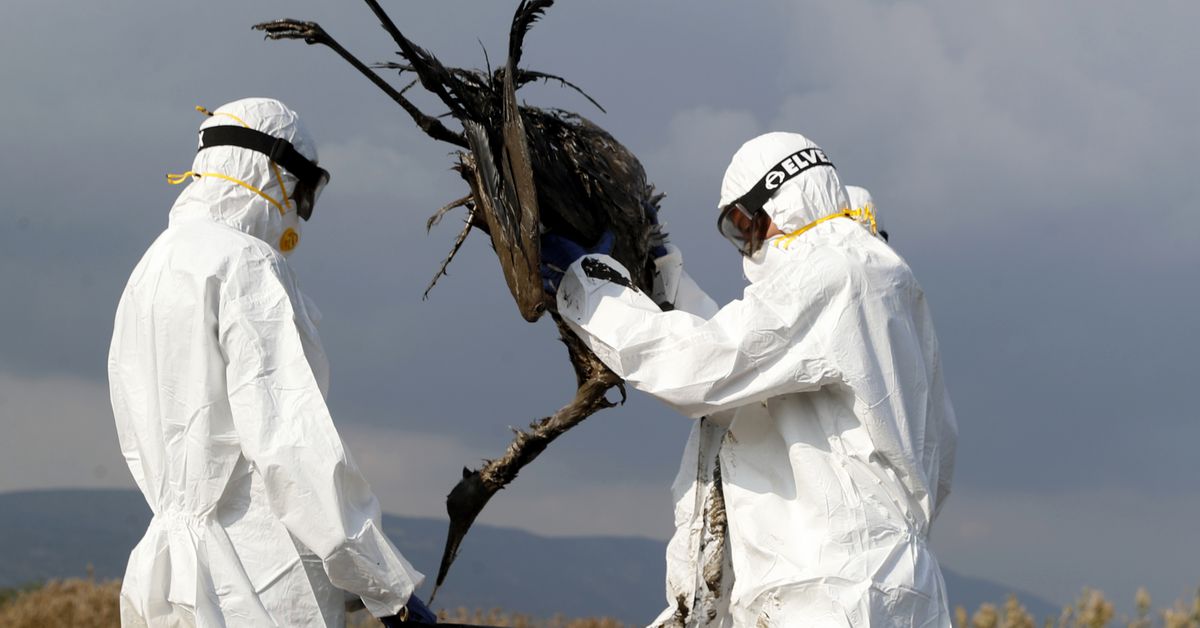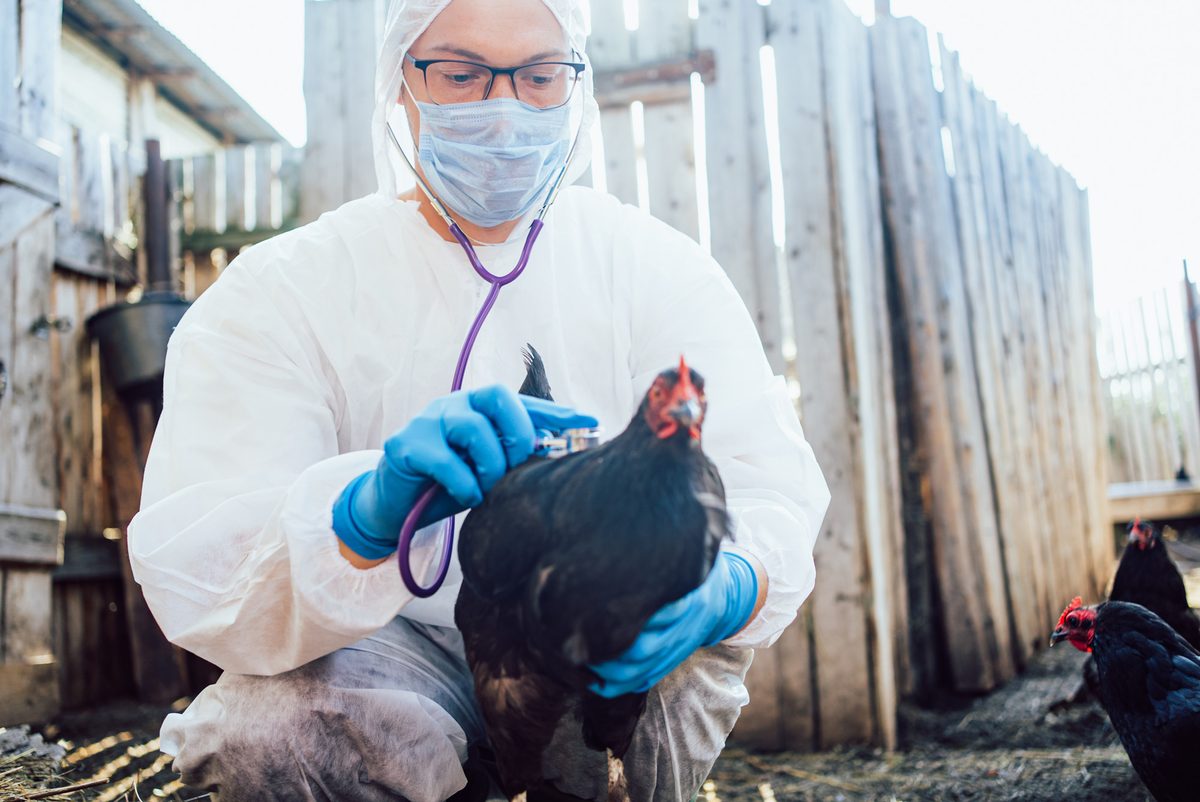
Scientists warn that the highly pathogenic bird flu strain H5N1 has spread globally, infecting wild birds, poultry, mammals, and even dairy cattle in the US, raising concerns about potential human transmission and a future pandemic, with experts calling for increased surveillance, vaccination, and global cooperation.
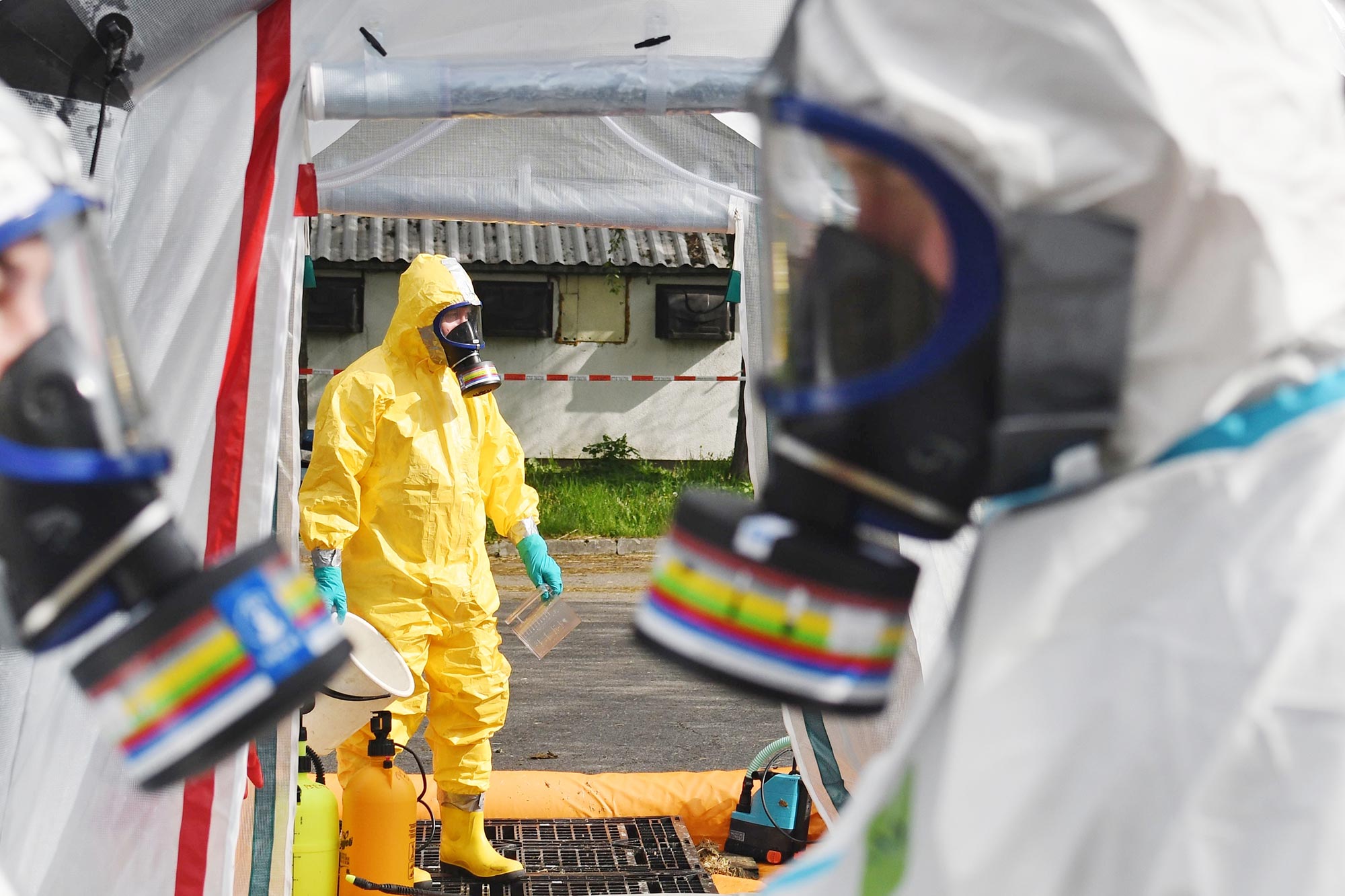
A new study reveals that certain bird flu strains can withstand higher temperatures associated with fever due to a specific gene, increasing their potential to cause severe illness in humans and possibly fueling future pandemics. The research highlights the importance of monitoring these heat-resistant strains for better pandemic preparedness.
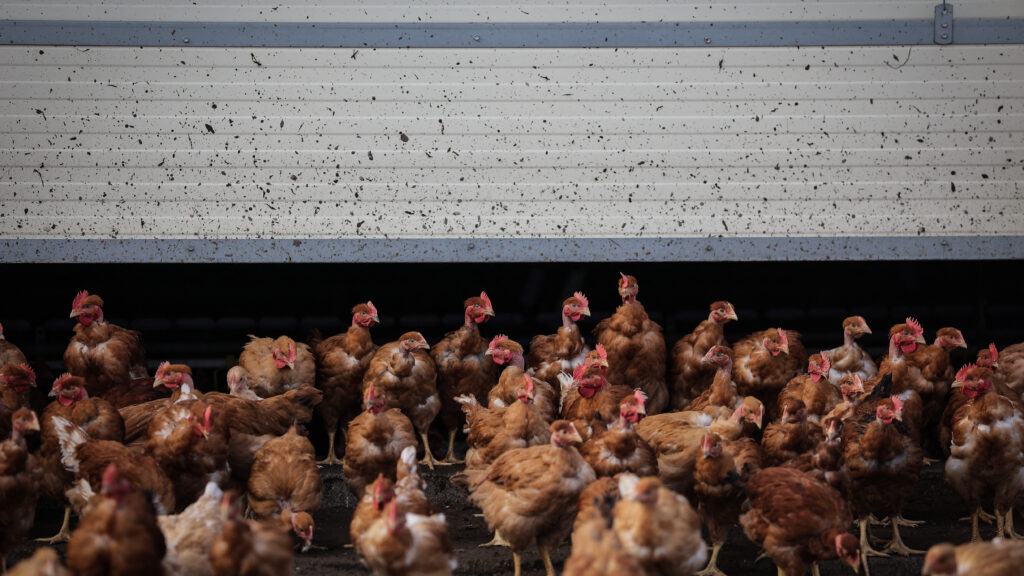
The bird flu has caused the death of nearly 9 million birds worldwide and affected multiple animal species, but the risk to humans remains low. The outbreak, driven mainly by the H5N1 subtype, has led to extensive culling and concerns about biodiversity and animal health, with experts emphasizing the importance of biosecurity and international cooperation to control the spread and prevent potential mutations that could threaten human health.
A new study shows that bird flu viruses, including the H5N5 strain responsible for the first human death, can replicate at higher temperatures than typical fevers, potentially making them more severe and harder to combat. The research highlights the evolving threat of bird flu and the importance of monitoring these viruses to prevent future pandemics.
Scientists warn that the H9N2 bird flu virus, which has become more adapted to infect human cells, has the potential to cause a human pandemic if it undergoes further genetic changes, highlighting the need for increased surveillance.
Experts warn that RFK's suggestion to let bird flu spread through poultry farms could increase the risk of a human pandemic by allowing the virus to mutate and jump species, emphasizing the importance of containment and biosecurity measures instead of letting the virus run its course.
Experts warn that RFK's suggestion to let bird flu spread through poultry farms could increase the risk of a human pandemic by allowing the virus to mutate and jump to humans, emphasizing the importance of containment and biosecurity measures instead.
A recent study warns that a bat coronavirus in China, HKU5-CoV-2, could potentially cause a human outbreak with just one mutation in its spike protein, raising concerns about its pandemic potential due to its similarity to MERS and ability to infect animal hosts. Researchers used AI tools to analyze the virus's capacity to bind to human receptors, emphasizing the need for vigilance despite no current human infections.
A Canadian teenager infected with the H5N1 bird flu virus has shown mutations that could potentially make the virus more capable of infecting humans, though there is no evidence of human-to-human transmission. The mutations were identified in the virus's hemagglutinin protein, which is crucial for cell attachment. While the teenager remains in critical condition, the case highlights the potential pandemic risk if the virus acquires the ability to spread easily among humans. Scientists emphasize the need for increased surveillance and monitoring of such mutations.
The Astronomer Royal, Prof Lord Martin Rees, has criticized Elon Musk's plan to establish a colony on Mars, calling it a "dangerous illusion" and emphasizing the need to focus on solving Earth's problems, particularly climate change. He believes that space exploration should be left to private pioneers and not be a goal for national governments. Additionally, Lord Rees expressed concerns about the potential risks of engineered viruses through gain-of-function research and called for better regulation and surveillance of lab experiments.
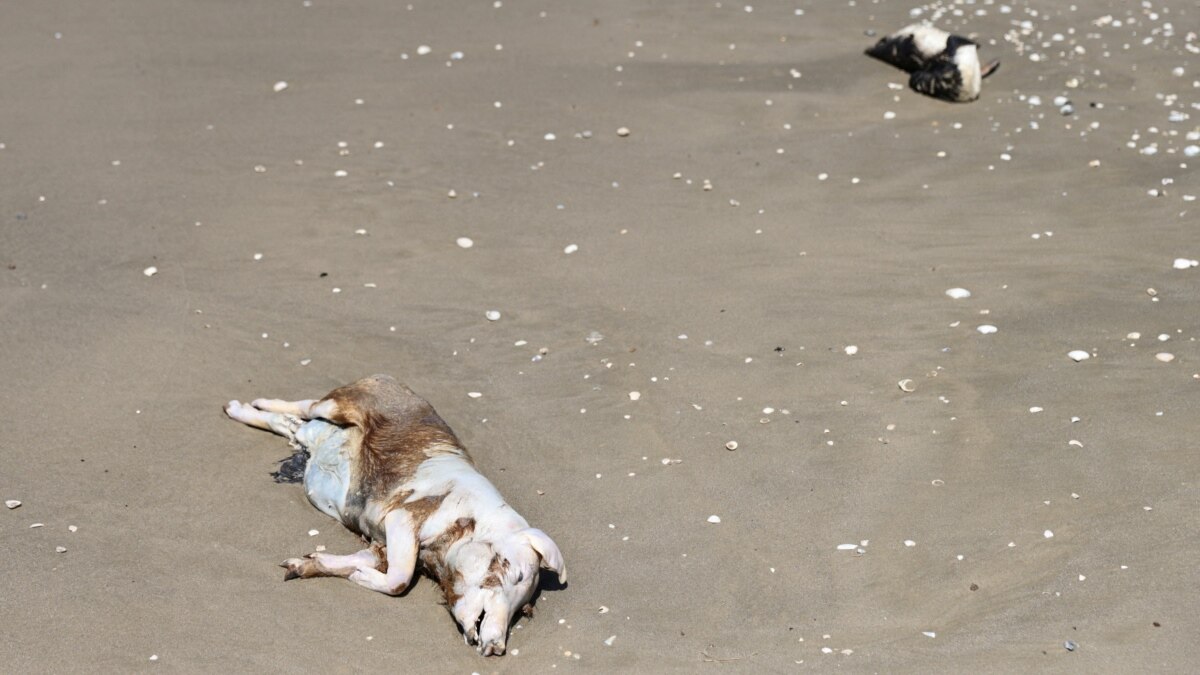
The H5N1 bird flu virus is spreading aggressively in South America, killing wild birds and marine mammals, raising concerns about potential threats to humans. The virus has killed thousands of seals, sea lions, and birds, and has been detected in several mammal species. Experts fear the virus could adapt to infect humans, prompting the Pan American Health Organization to launch a regional program to supervise bird flu spread. Limited resources and data in the region have hindered disease surveillance, prompting the need for increased monitoring and response efforts.
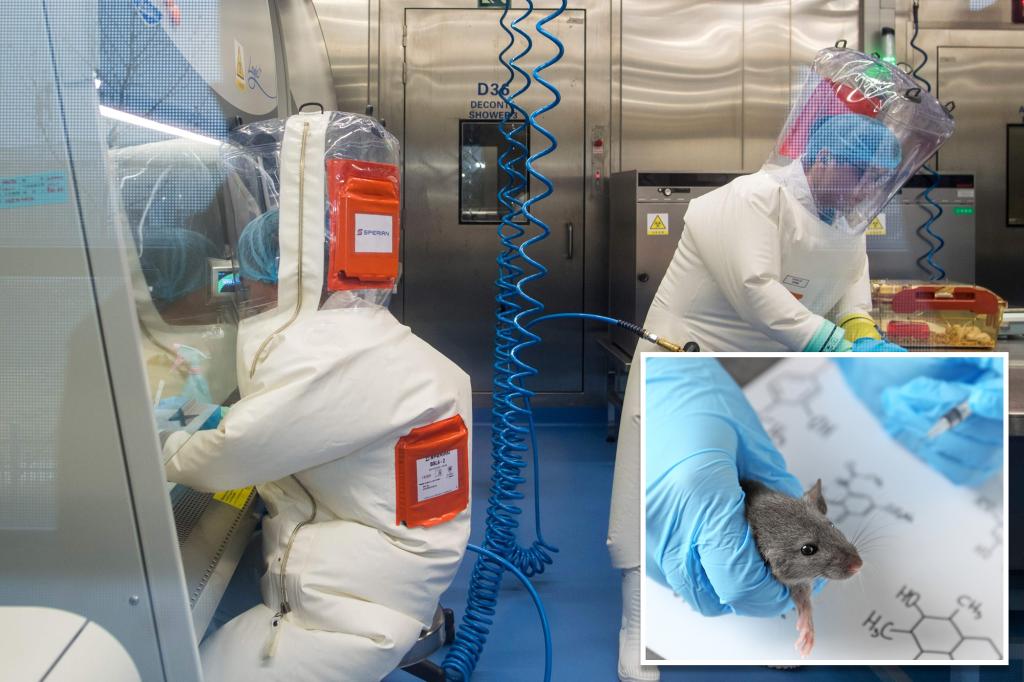
Chinese scientists have created a mutant COVID-19 strain, GX_P2V, with a 100% mortality rate in "humanized" mice, causing rapid and severe symptoms leading to death within eight days. The virus, a mutated version of a coronavirus found in Malaysian pangolins in 2017, infected multiple organs including the brain, raising concerns about spillover risk into humans. Critics have condemned the study as scientifically pointless and potentially dangerous, emphasizing the lack of biosafety information and the need to halt such research. The study is not linked to the Wuhan lab and does not clarify the virus's impact on humans, leaving the origin of COVID-19 still uncertain.
A new taxpayer-funded lab is being built in Colorado that will import bats from around the world and experiment on dangerous diseases, including Ebola, Nipah virus, and Covid-19. The collaboration between the National Institutes of Health (NIH), Colorado State University (CSU), and EcoHealth Alliance (EHA) has raised concerns among Republican Senators who fear the facility could start a pandemic on US soil. The lab, due to open in 2025, has faced opposition from Fort Collins residents who worry about the potential spread of diseases. The project has been criticized for its controversial collaboration with EHA, which has been linked to the Covid lab leak theory.
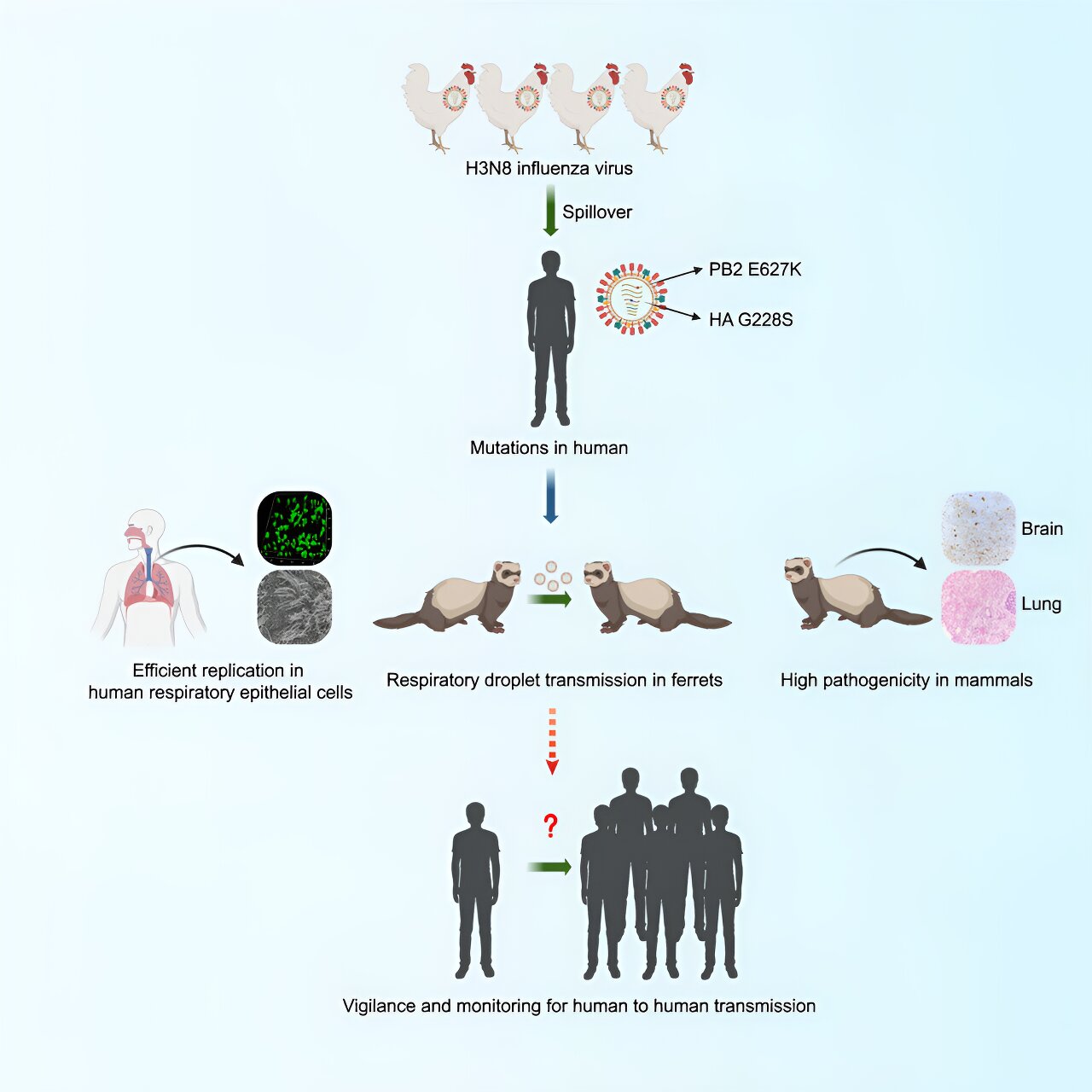
A subtype of avian flu virus in China is undergoing mutational changes that could increase the risk of transmission to humans, potentially leading to an epidemic or pandemic. The virus has shown adaptive changes that allow it to cause severe infections in animals and be transmitted through respiratory droplets. The avian H3N8 virus has acquired human receptor binding preference and amino acid substitution necessary for airborne transmission. Human populations, even those vaccinated against human H3N2 virus, may be vulnerable to infection. Researchers emphasize the need for continued monitoring and research on these viruses in poultry and humans.
Bird flu, or avian influenza, is a growing threat as it spreads rapidly among both farmed and wild birds, as well as mammals. While the risk of humans contracting bird flu is currently low, health officials are concerned that the virus could evolve traits that make it more dangerous to humans. The current outbreak has resulted in the deaths of over half a billion birds globally, and has also infected endangered species and mammals such as mink and sea lions. While the virus does not have the biological machinery to cause a pandemic among humans, scientists are closely monitoring its spread and evolution.