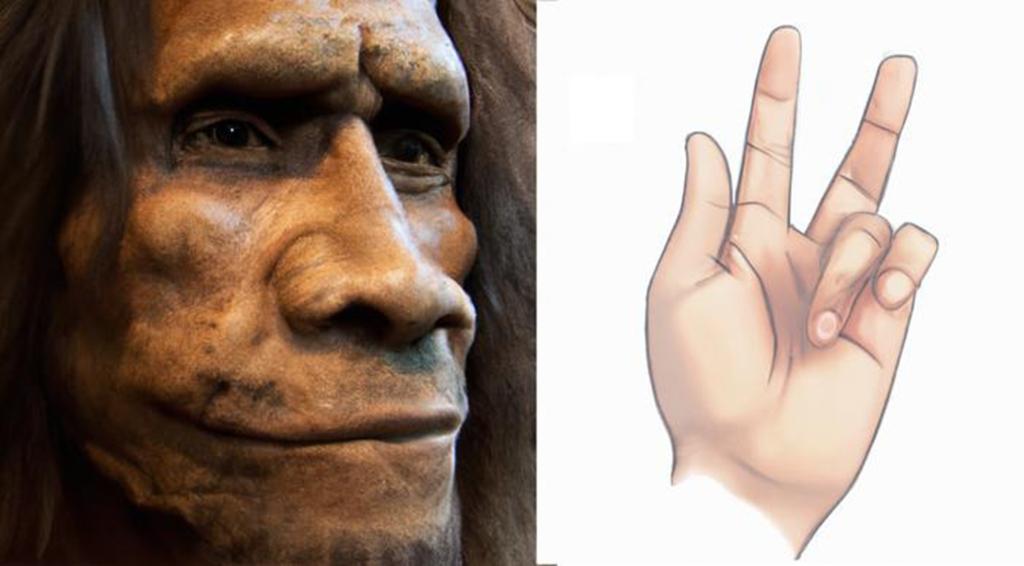
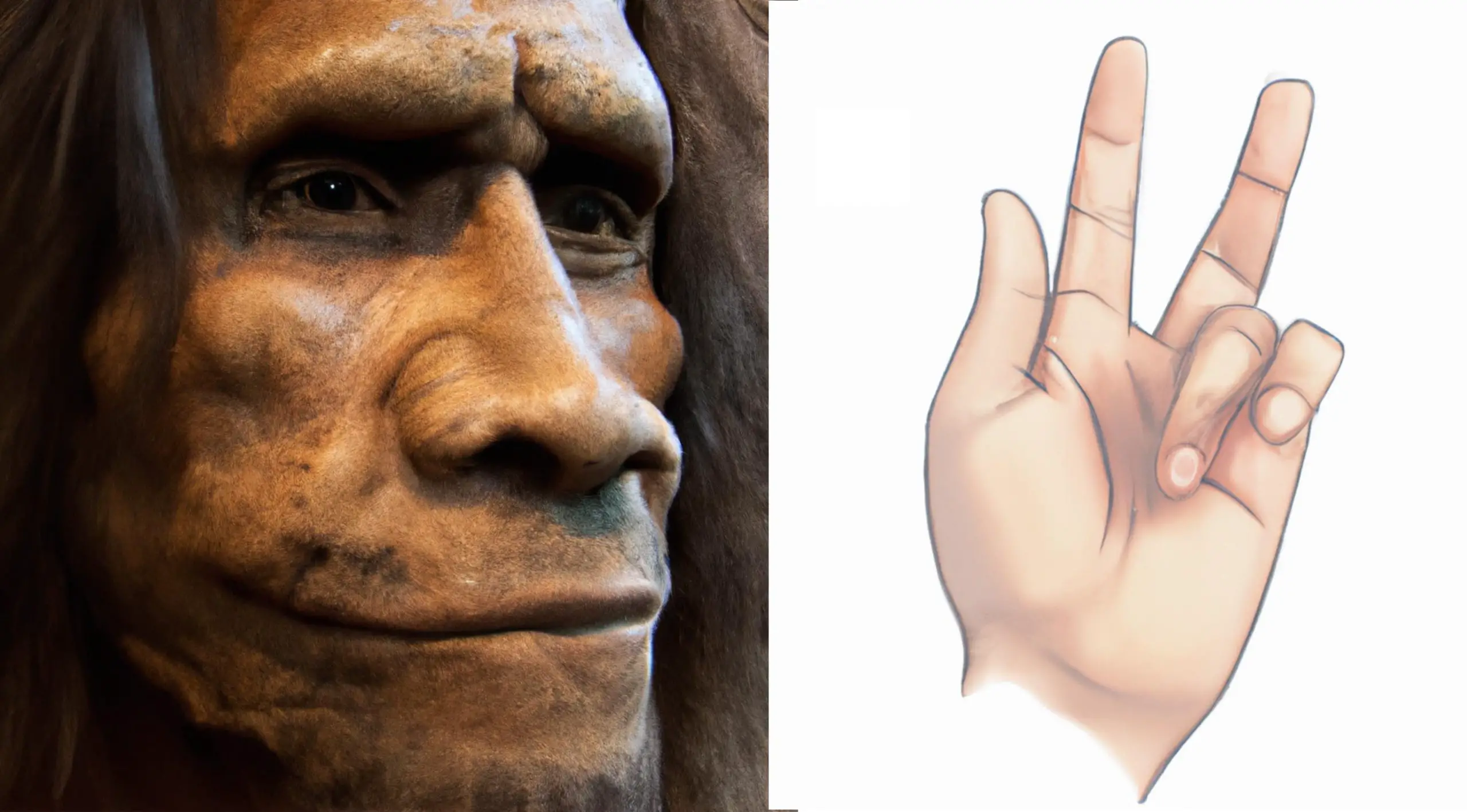
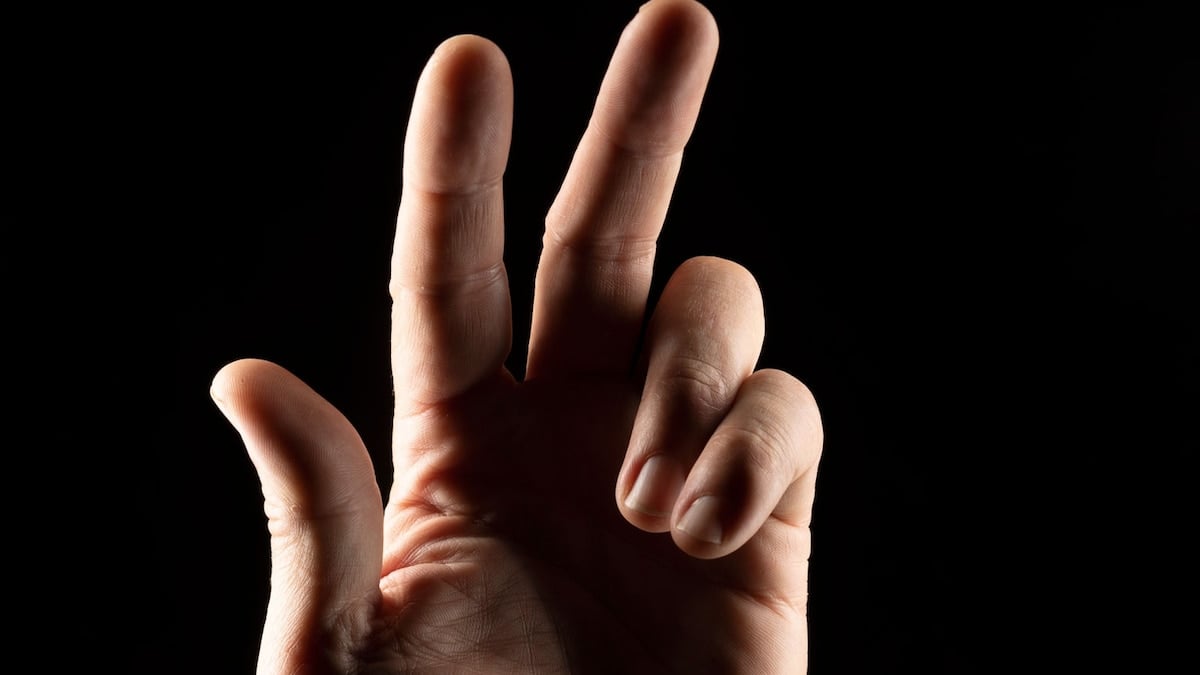
Neanderthal genes are linked to an increased risk of Dupuytren's contracture, also known as "Viking disease," which causes the fingers of one or both hands to freeze into a permanently bent position. The condition is most common in men of Scandinavian or northern European descent and is rarely seen in individuals of African descent. Researchers discovered 61 genetic risk factors for the disease, of which three were inherited from Neanderthals. The discovery highlights the health consequences of intermingling with Neanderthals, who share up to 98.5% of our DNA.
Researchers have found that the genetic origins of "Viking disease," a condition that affects older Northern European men, can be traced back to Neanderthals. The disease, also known as Dupuytren's contracture, causes fingers to lock in a bent position and is significantly more common in men than women. The study identified 61 genetic risk factors for the disease, with three of the strongest risk factors inherited from Neanderthals. The findings provide further evidence of the consequences of intermingling between Neanderthals and modern humans.
A new study has found that people who carry Neanderthal genes are at a higher risk of developing 'Viking Disease', a type of arthritis that affects the spine. The study analyzed genetic data from over 28,000 people and found that those with the Neanderthal gene variant were 40% more likely to develop the condition. This highlights the role of genetics in the development of arthritis and the importance of understanding the impact of ancient DNA on modern health.