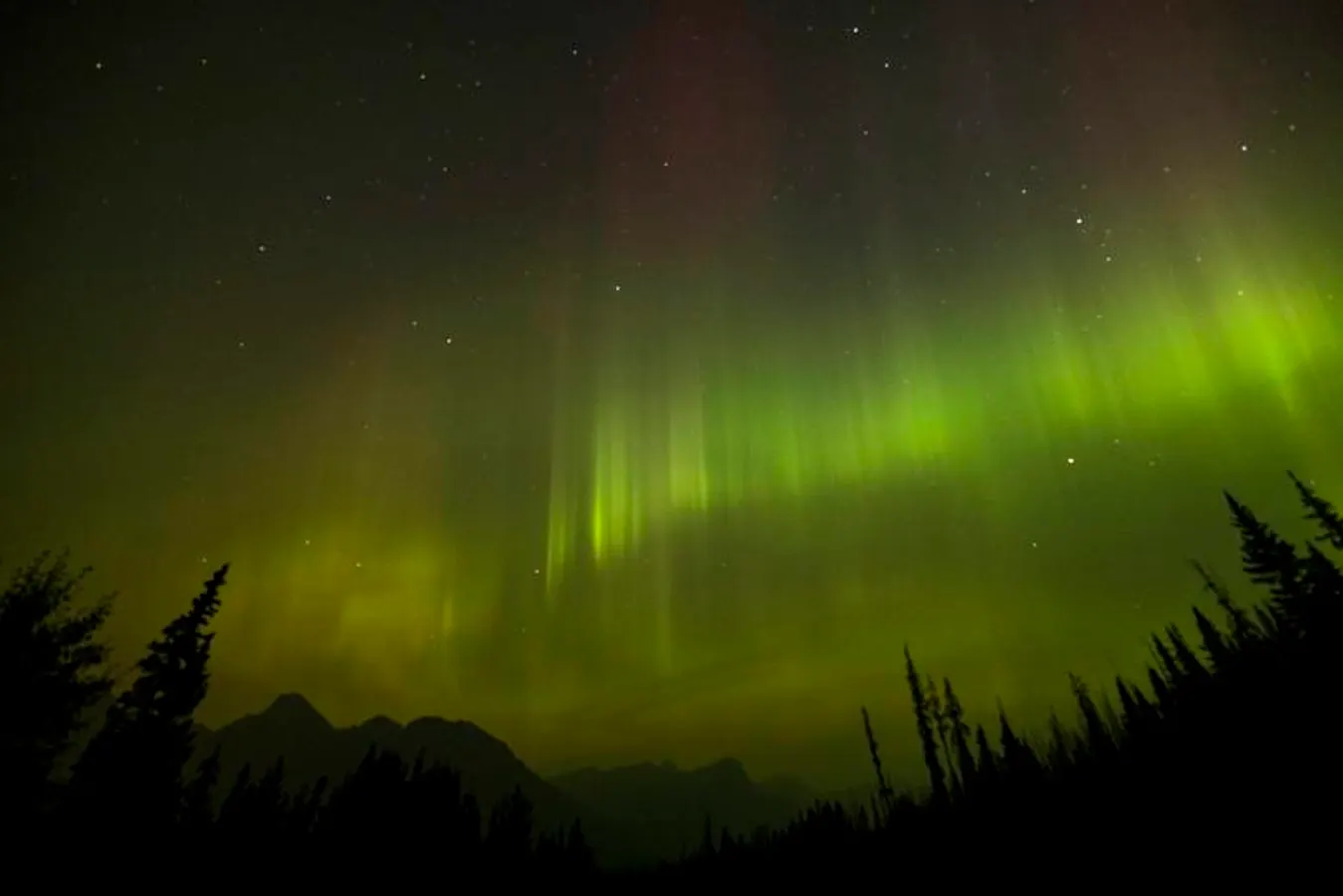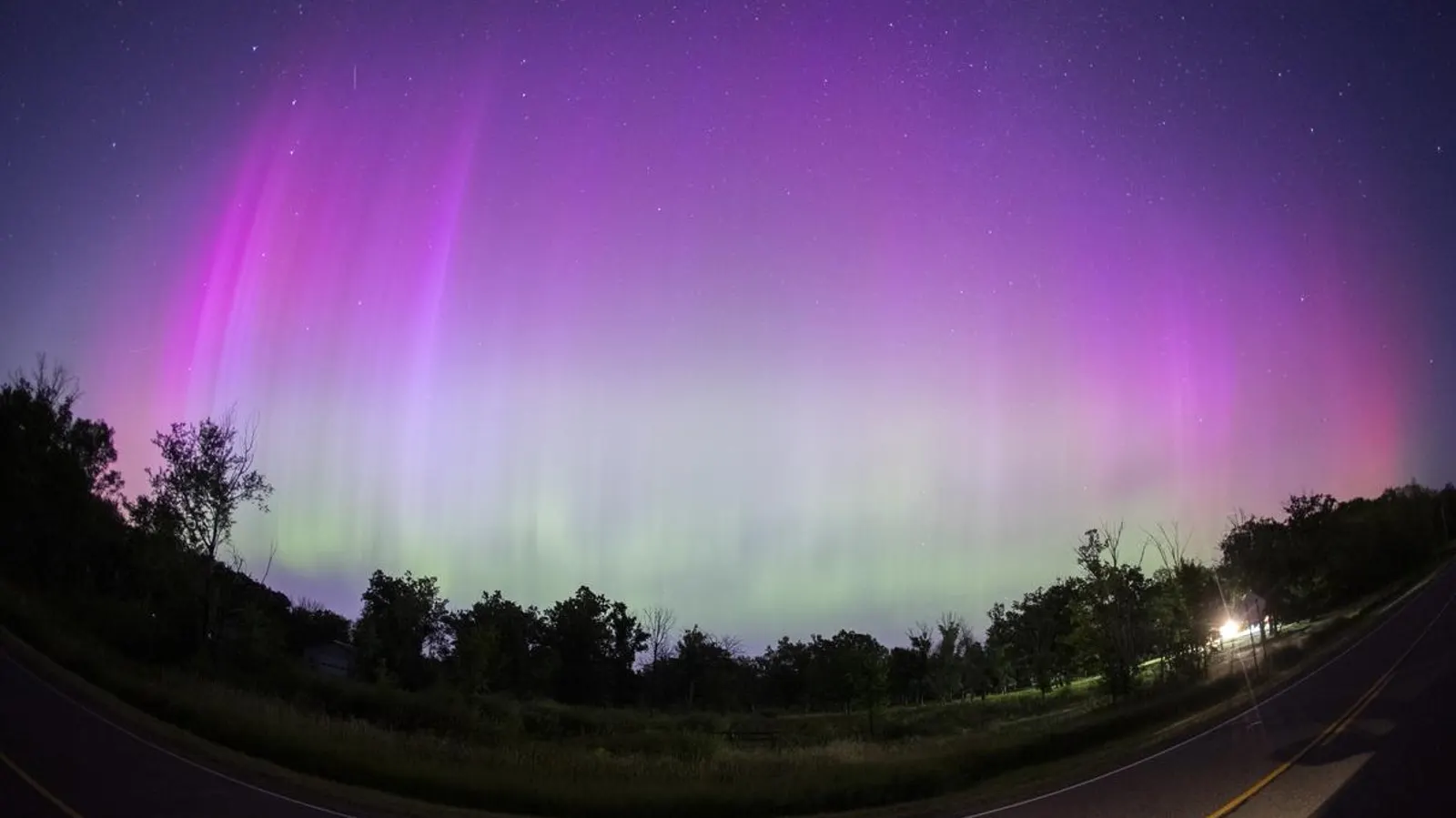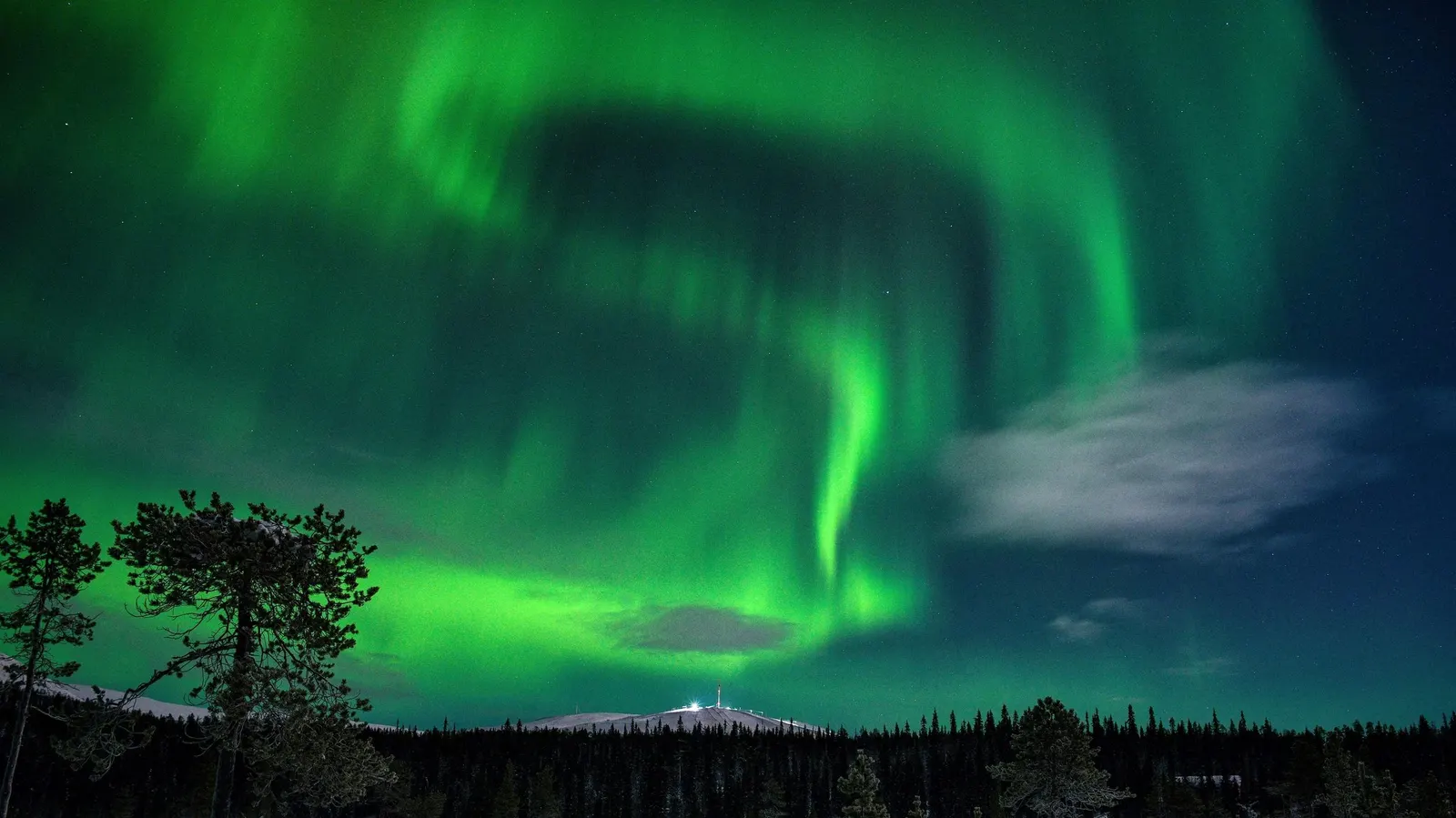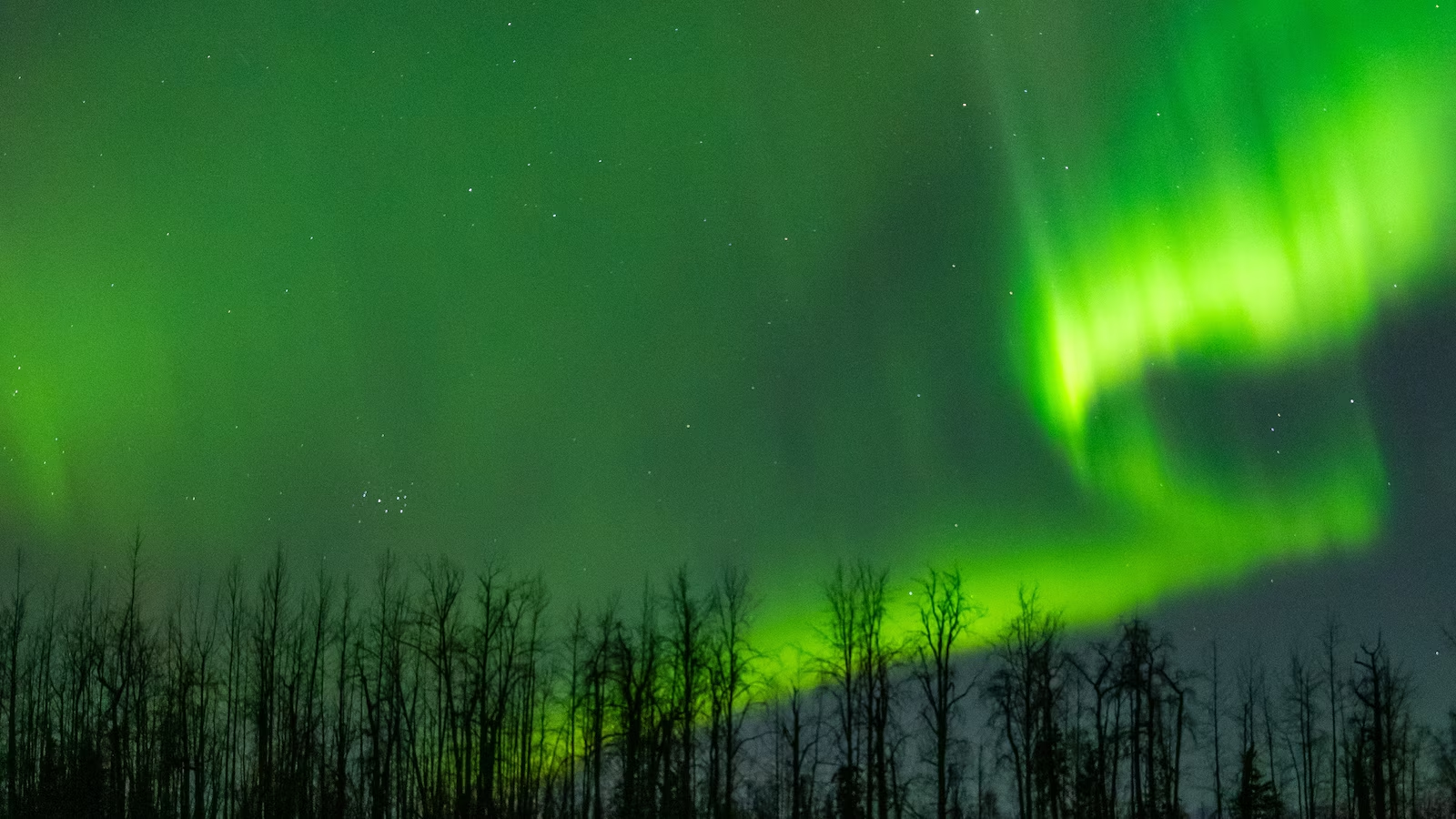
The aurora borealis, or northern lights, are colorful atmospheric phenomena caused by solar particles interacting with Earth's magnetic field, primarily visible in the auroral zone during clear, dark nights, especially around the equinoxes and solar maximum periods. They can also be observed on other planets with magnetic fields, and guided tours are available for optimal viewing. Patience, proper clothing, and photography equipment enhance the experience.
A strong forecast from NOAA indicates that the northern lights could be visible across many northern U.S. states along the Canada border on Monday and Tuesday nights, with the best viewing times between 10 p.m. and 2 a.m. in areas with minimal light pollution, and increased activity due to the solar cycle.
The NOAA forecasts that residents in seven northern U.S. states and parts of Canada and Alaska may see the Northern Lights tonight, despite no major geomagnetic storms, with the best viewing conditions between 10 p.m. and 3 a.m. local time, especially from high vantage points away from light pollution.
The NOAA forecasts a potential viewing of the Northern Lights in up to 10 northern U.S. states tonight, especially in Canada and Alaska, with the best viewing conditions between 10 p.m. and 2 a.m. from high, dark vantage points, although no significant solar activity is expected to enhance visibility.
Several northern US states, including Alaska, Montana, North Dakota, Minnesota, Wisconsin, and Michigan, have a chance to see the Northern Lights on Monday night, although weather conditions may limit visibility. The best viewing opportunities are away from city lights, and the display is expected to continue into Tuesday with reduced visibility in most areas except Alaska.
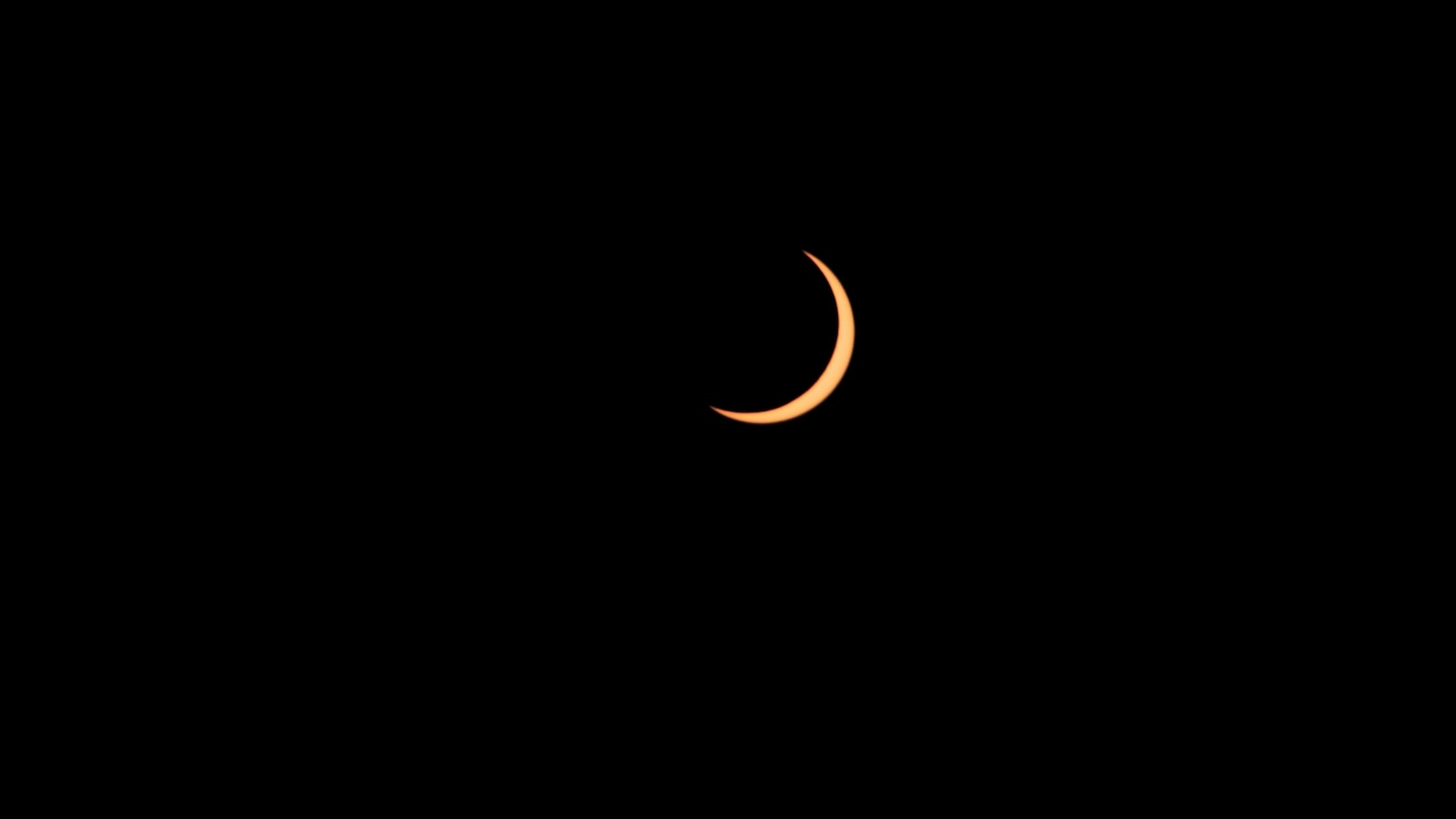
The Great American Eclipse is set to cross the mainland United States today, with Michigan not falling in the path of totality except for a small section of Monroe County near Toledo. The eclipse will begin in Michigan around 1:55 p.m., with Detroit, Grand Rapids, Lansing, and Marquette experiencing varying degrees of sun coverage. Eclipse glasses or a safe viewer are recommended for viewing, and a ZIP code locator can be used to find the specific timing for each area.
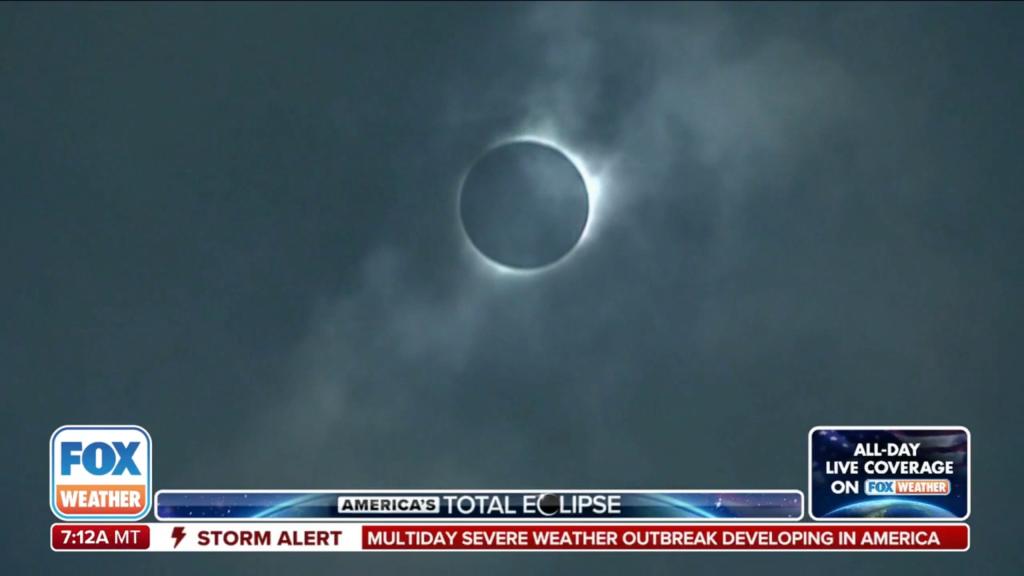
The 2024 solar eclipse will occur on Monday, with the path of totality impacting areas in southern Illinois and central Indiana. Special glasses will be needed to view the eclipse, and the forecast for viewing is uncertain due to potential cloud cover. It's crucial to use approved eclipse glasses to avoid irreversible eye damage, and other safe viewing methods include pinhole viewers and live streaming. This eclipse is considered a rare and historic event, and the next total solar eclipse visible in Illinois won't occur until 2099. Many schools in Illinois have announced closures for the event, and experts are urging Americans to witness the spectacle if possible.
On April 8, a partial solar eclipse will be visible in Chicago, with around 94-95% coverage. To safely view it, approved solar eclipse glasses are essential, as regular sunglasses are not safe. The Adler Planetarium warns of the danger of counterfeit glasses and advises checking for the ISO 12312-2 standard. Approved glasses can be obtained from recommended suppliers or at select stores and events. Additionally, creating a pinhole viewer is a safe way to indirectly view the eclipse, while using phones or binoculars without proper filters is not recommended.
The 2024 solar eclipse will be visible in Middle Tennessee and Southern Kentucky, with 90% to 98% totality expected. The eclipse will begin in Nashville around 12:44 p.m., reaching maximum eclipse at 2:03 p.m. The weather forecast indicates the possibility of cloud breaks during the event, with the best chance of clearer skies north of I-40.
The National Weather Service office in Indianapolis has released estimated times for the total solar eclipse in Central Indiana on Monday, with the eclipse expected to span just over 2.5 hours and totality lasting for four minutes and six seconds. The eclipse will begin around 1:47 p.m. in Vincennes, 1:49 p.m. in Bloomington, 1:50 p.m. in Indianapolis, and 1:52 p.m. in Muncie. Officials advise using solar filters to view the eclipse, but it is safe to take them off during totality.
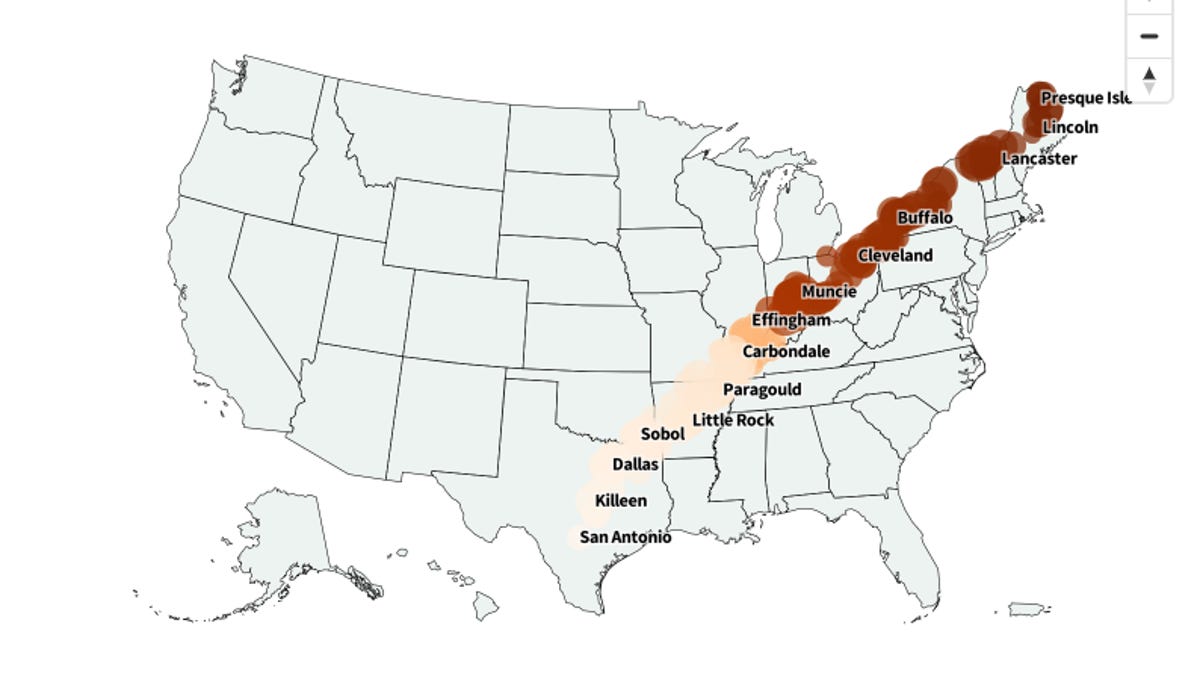
The April 2024 total solar eclipse will be visible in parts of the U.S., but weather conditions could affect visibility even in the path of totality. The eclipse will pass over Mexico, the United States, and Canada, and the best chances for clear skies are in the southern parts of the U.S. The National Centers for Environmental Information created an interactive map showing the average heat index, temperature, dewpoint, wind chill, and obscuration levels across the path of totality in the U.S. Meteorologists can provide general guidance on what specific locations can typically expect in terms of cloud cover based on past weather data and climatology. Fred Espenak, a former astrophysicist from NASA, recommends avoiding clouds and notes that seeing a total eclipse is a must-see event for everyone.
Cloudy skies may obstruct views of the upcoming solar eclipse on April 8 for parts of the US, particularly in the zone of totality stretching from Texas to Maine. Over 30 million Americans are expected to witness the event, with clear skies being crucial for optimal viewing. While early forecasts indicate potential cloud cover in inland areas like Ohio and Indiana, experts advise staying flexible and monitoring the weather closely. Protective eyewear is essential for safe viewing, even if the sun is obscured by clouds.
The total solar eclipse is just one week away, with millions expected to travel to see it. The latest weather forecast indicates a grim outlook for Texas and other Southern areas, with high probability of cloud cover. The best chances for clear conditions are in New England and upstate New York. Ways to watch the eclipse include in person, outside the path of totality, or via livestream. The eclipse will begin in Texas at 1:27 p.m. CDT and end in Maine at 3:35 p.m. EDT, with varying times for totality in different cities. Clouds may impact the viewing experience, but the type of clouds can determine the extent of obstruction.
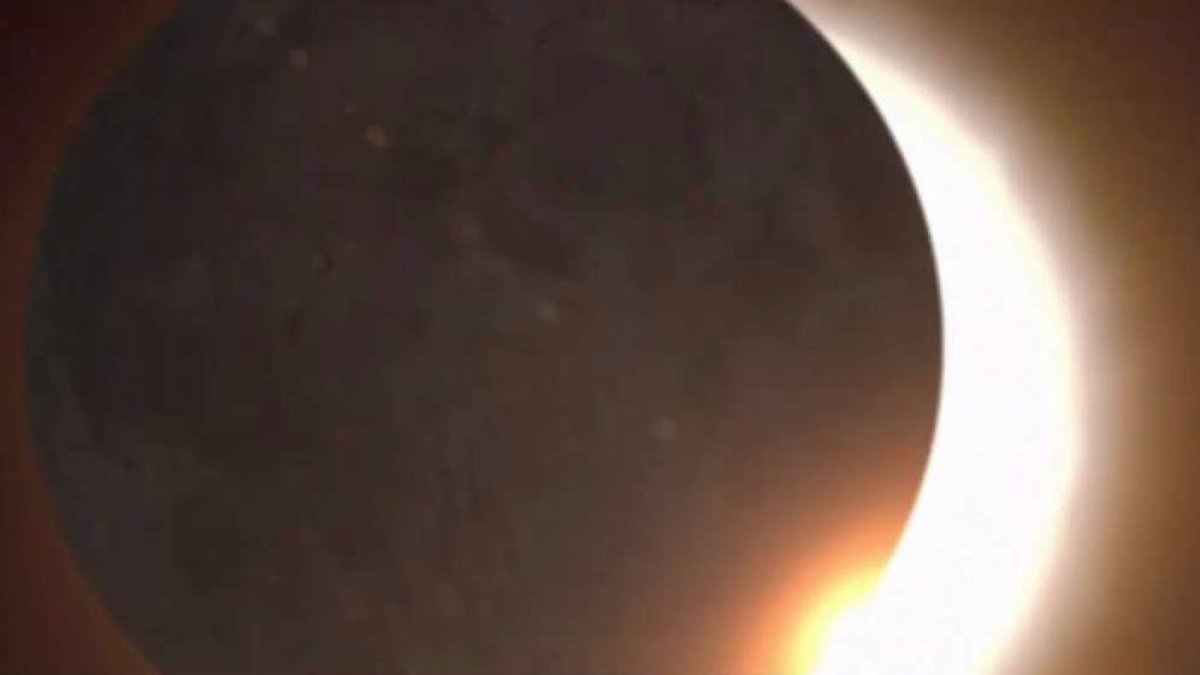
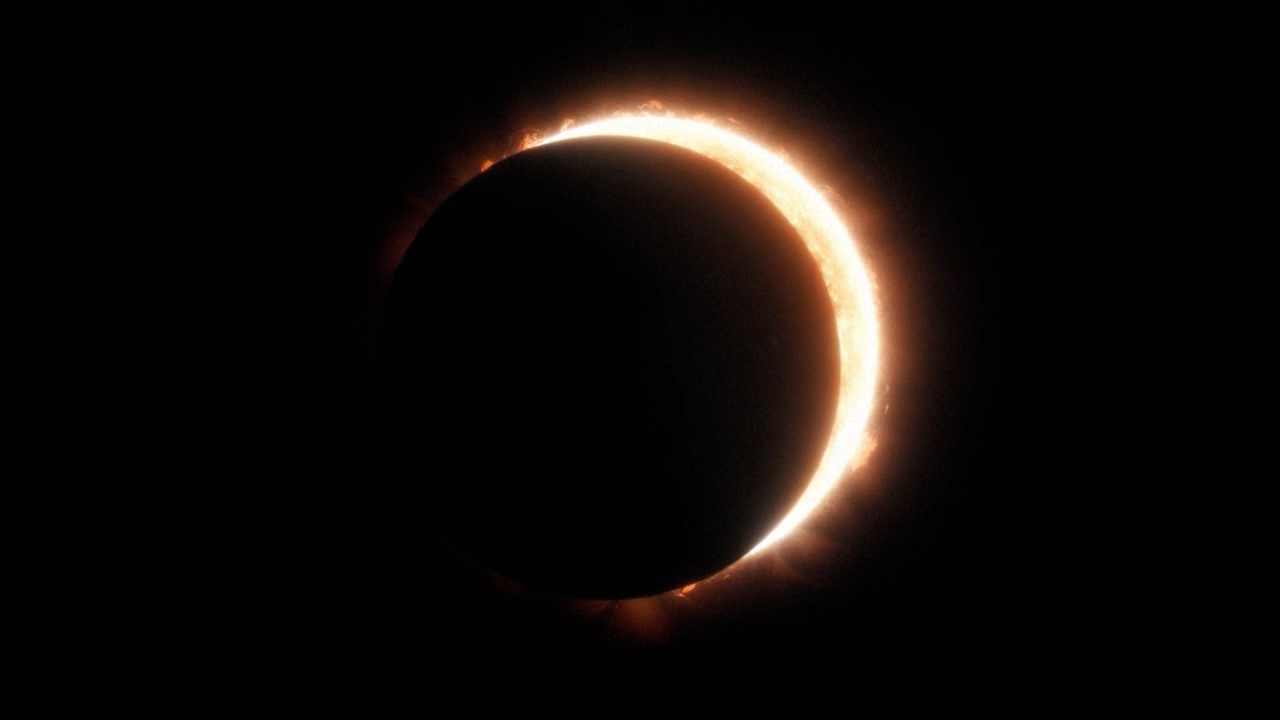
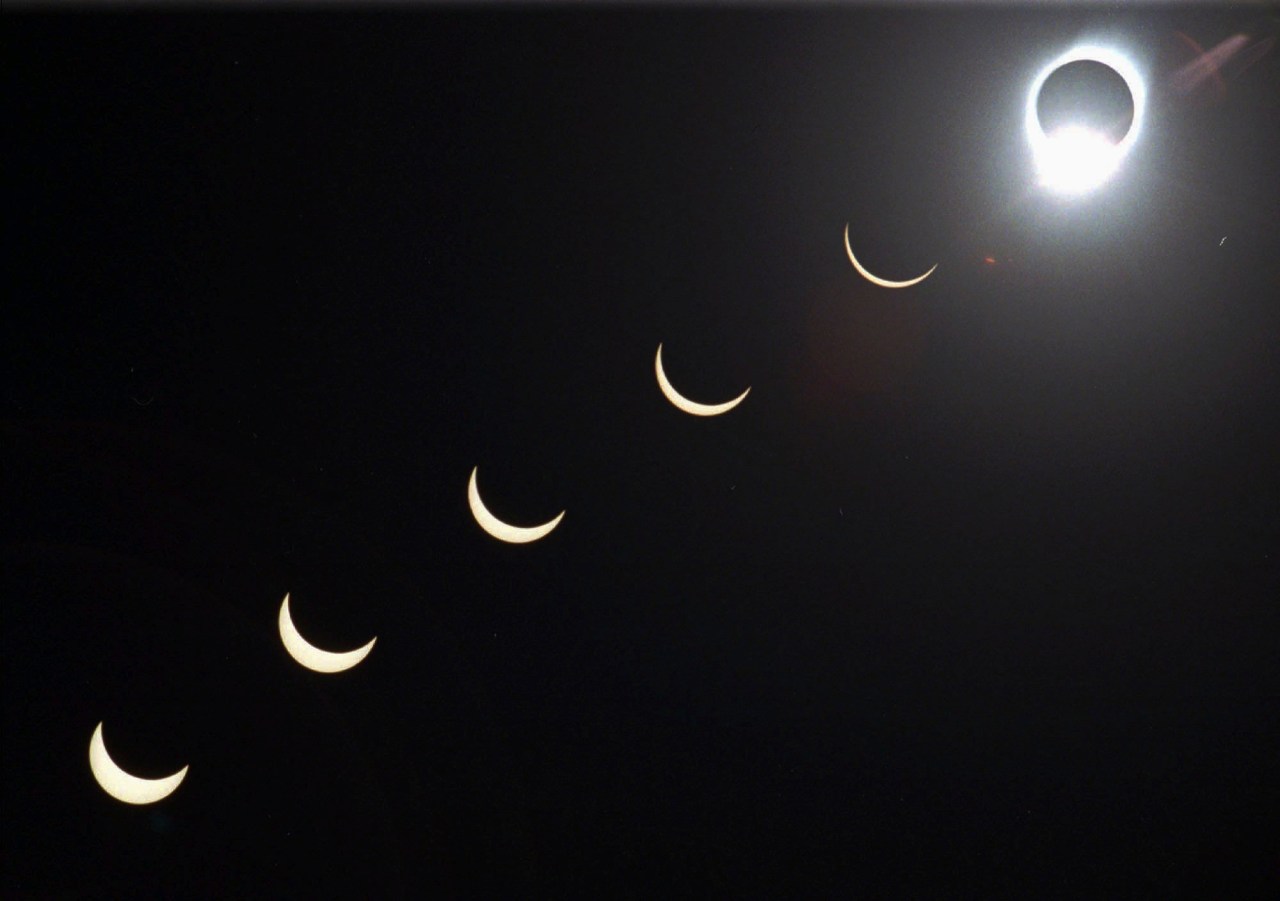
The 2024 solar eclipse is expected to last about two-and-a-half hours, with totality lasting only a few minutes and occurring in a path stretching from Texas to Maine, including a sliver of Michigan. Viewers are advised to spend a couple of hours watching the eclipse, with totality lasting about 4 minutes for those in its path. Tips for watching the eclipse include using proper eyewear, observing shadow bands and Baily's Beads, and being mindful of temperature changes and emotional responses. The next total solar eclipse visible from the contiguous United States will take place in 2044, with the next solar eclipse crossing Michigan's path of totality occurring in 2099.
A total solar eclipse is set to occur on April 8, but Southern California will only experience a partial view. The eclipse's path of totality will stretch from Mexico to Canada, with the totality lasting about four minutes. In California, the Los Angeles area will see 48.6% coverage of the sun, while the Bay Area will see 35.9%. It is crucial to use specialized eye protection when viewing the eclipse, as looking directly at the sun can cause severe eye injury.