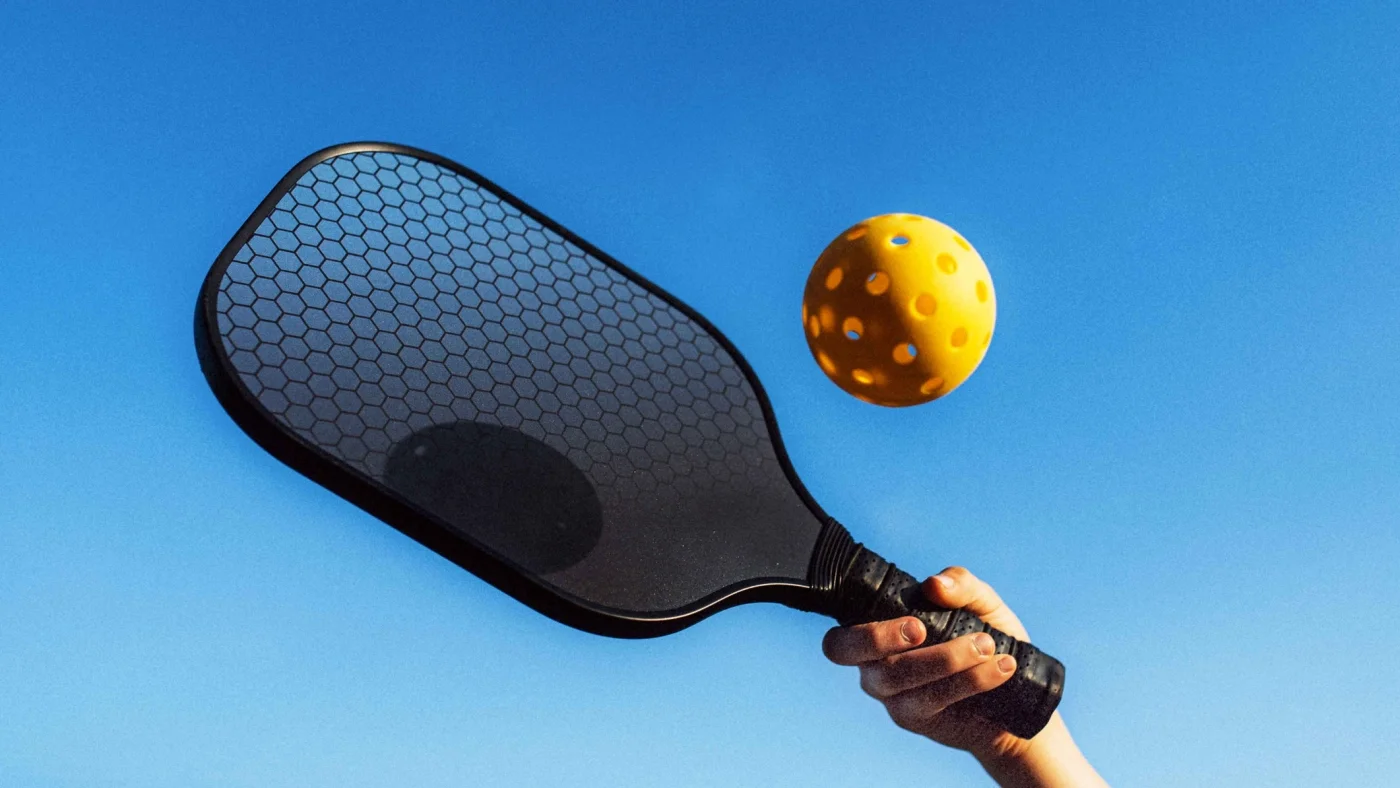
Pickleball's rising popularity in the U.S. has led to a significant increase in eye injuries, prompting calls for standardized protective eyewear guidelines to prevent such injuries, especially among older players.
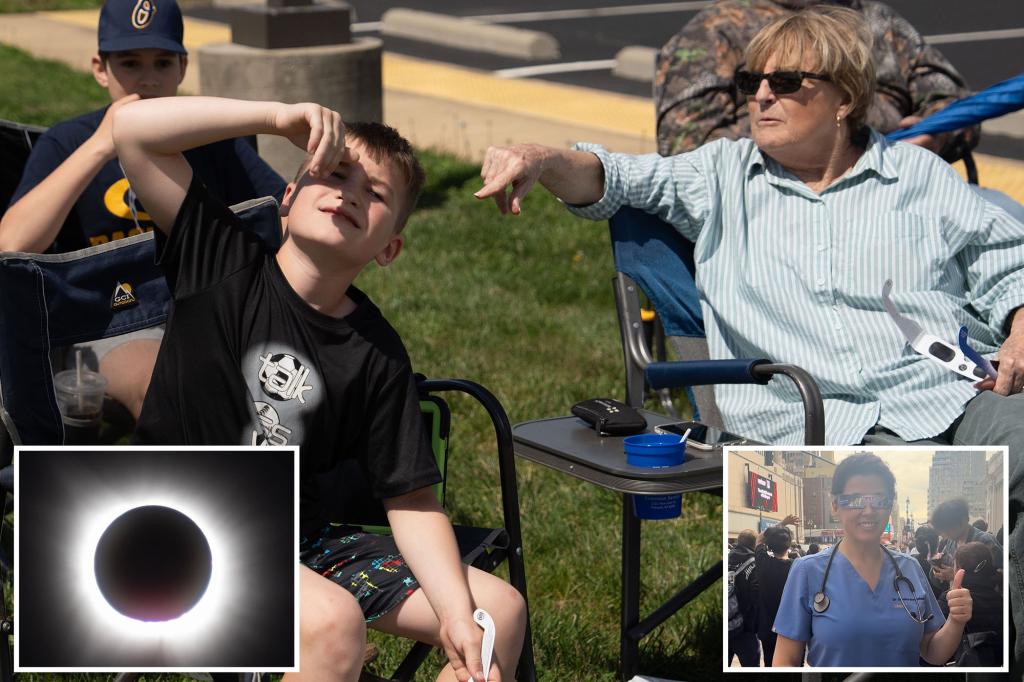
Following the recent solar eclipse, there has been a surge in eye injuries, with people seeking medical attention for eye pain and concerns about potential blindness after looking at the sun without proper protection. Doctors emphasize that the damage to the retina and macula from direct sun exposure can be irreversible, and caution against using recalled eclipse glasses that may not meet safety standards. Despite warnings, some individuals may have disregarded the advice, leading to an increase in eye-related issues following the eclipse.
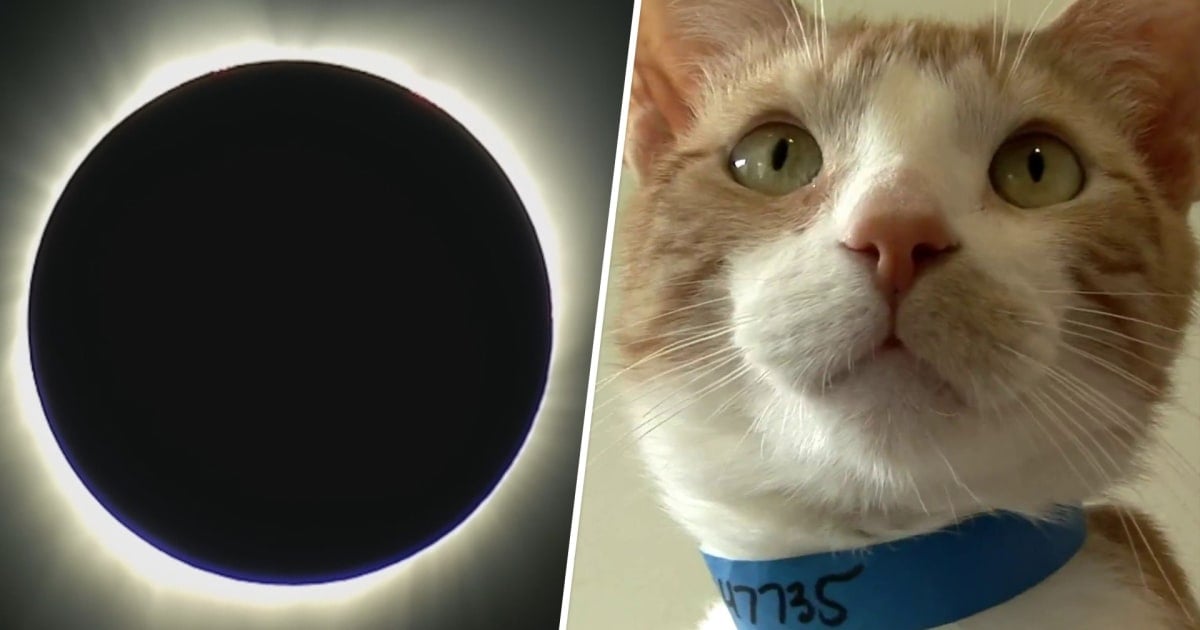
With the solar eclipse approaching, it's important to take precautions to protect your family and pets. Experts advise keeping pets indoors, as they may become disoriented by the sudden darkness, and ensuring that children and adults wear protective eyewear to prevent eye damage. Additionally, it's recommended to avoid using cameras or binoculars without proper filters and to be mindful of traffic and potential crowds while viewing the eclipse.
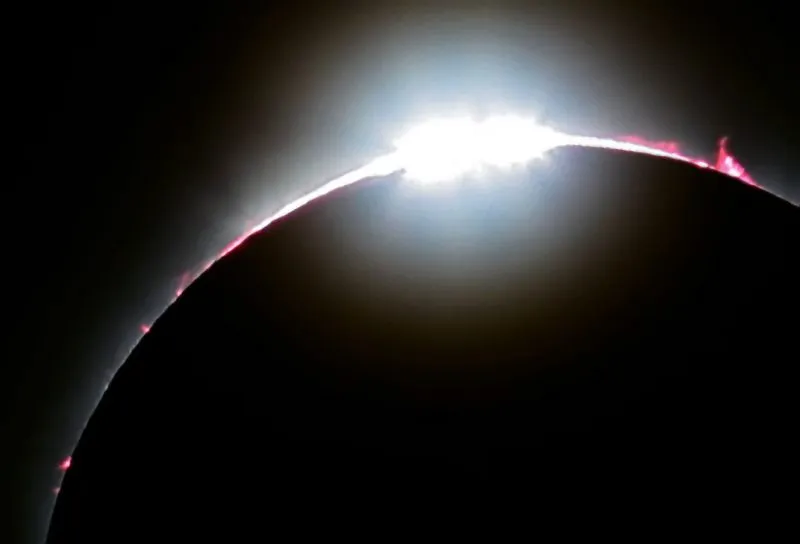
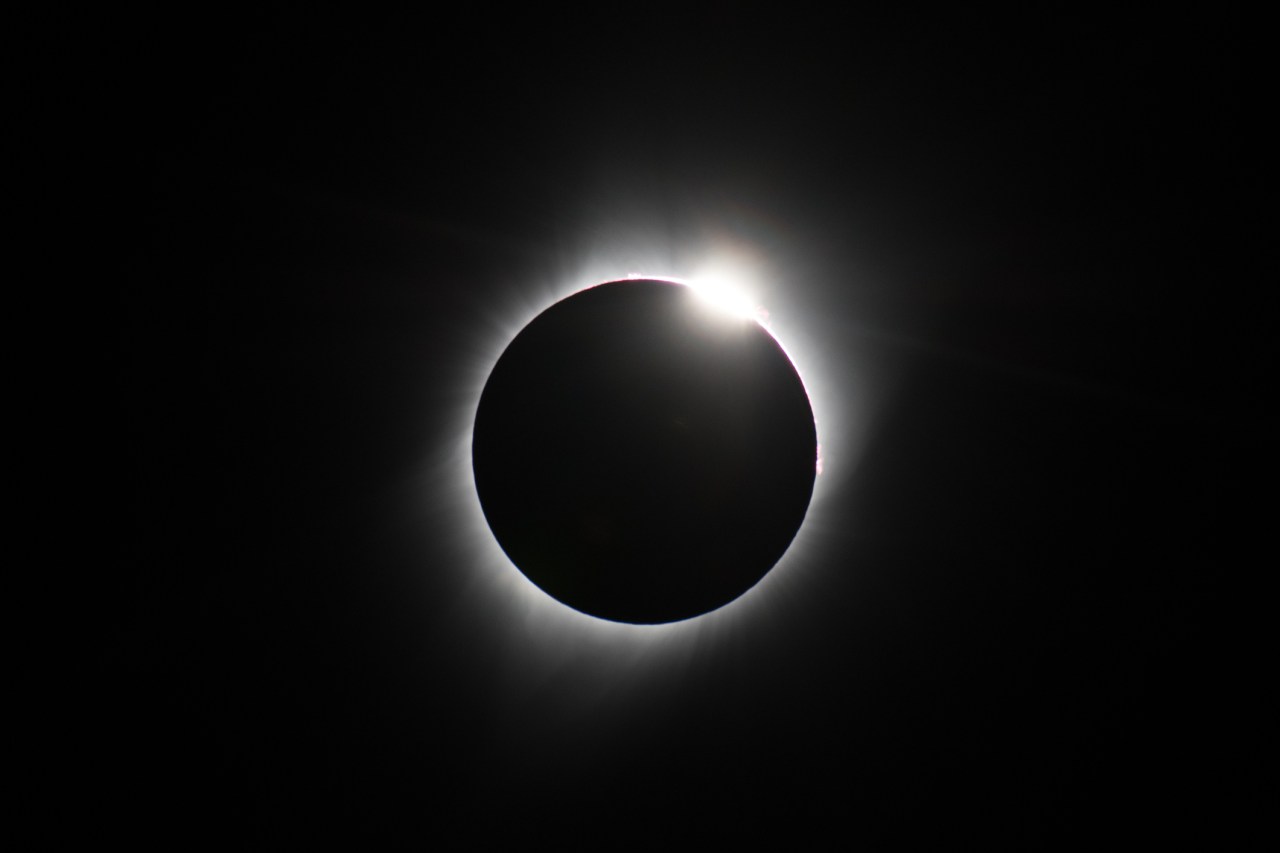
The 2024 solar eclipse will start in St. Louis, Missouri, at around 12:42 p.m., with the maximum eclipse occurring at 2:00 p.m. The southeast portion of Missouri near Cape Girardeau will experience a total eclipse at around 1:58 p.m., with varying durations of totality across different locations. Protective eyewear is necessary to view the eclipse in St. Louis, where the moon will cover 99.164% of the sun. The eclipse event is expected to last over two and a half hours, and a total solar eclipse will cross North America on April 8, 2024, with totality lasting up to 4 minutes and 28 seconds in certain spots.
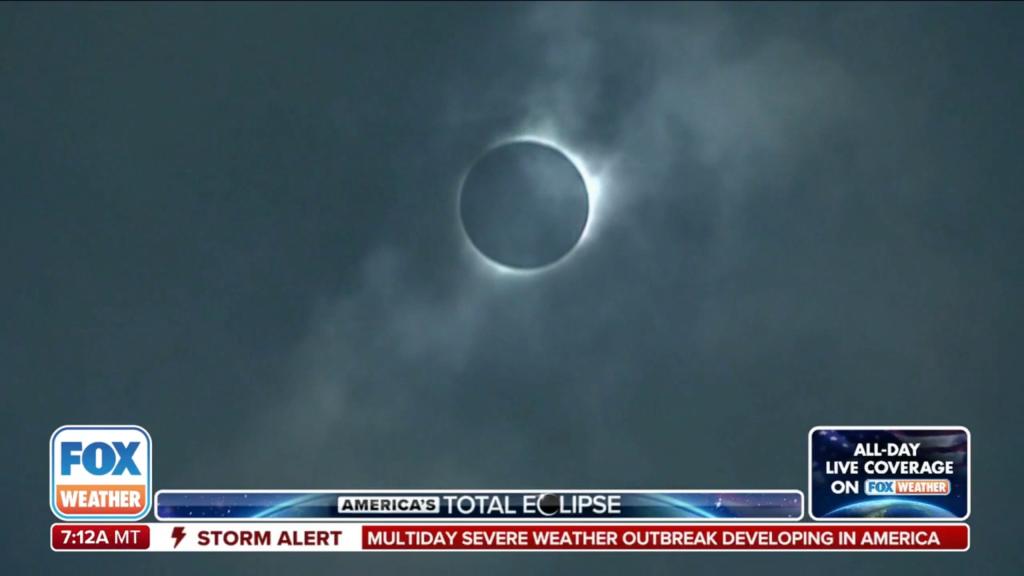
Cloudy skies may obstruct views of the upcoming solar eclipse on April 8 for parts of the US, particularly in the zone of totality stretching from Texas to Maine. Over 30 million Americans are expected to witness the event, with clear skies being crucial for optimal viewing. While early forecasts indicate potential cloud cover in inland areas like Ohio and Indiana, experts advise staying flexible and monitoring the weather closely. Protective eyewear is essential for safe viewing, even if the sun is obscured by clouds.
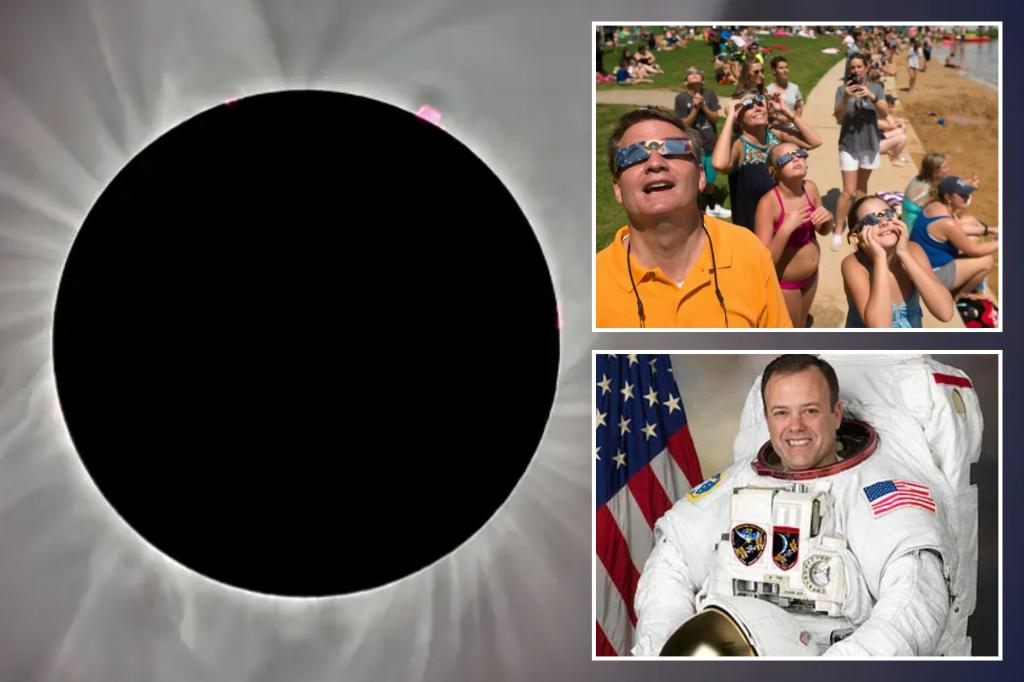
Retired NASA astronaut Ron Garan is promoting the upcoming April 8 solar eclipse as a rare opportunity for earthbound observers to witness the "cosmic dance" usually seen from space. He emphasizes the importance of protective eyewear and highlights the eclipse as a chance for people to experience a shift in perspective and appreciate the unity and wonder of the universe. Garan encourages people to take notice of routine astronomical events, such as sunrises and sunsets, and not to take them for granted.
A total solar eclipse is set to occur on April 8, 2024, and while Kansas is not in its direct path, residents can still witness around 95% of the event. The eclipse will be visible in northeast Kansas starting around 12:30 p.m. CST, reaching its peak at 1:48 p.m. Protective eye coverings are recommended to avoid eclipse blindness, and the next eclipse visible over the U.S. won't occur until 2029.
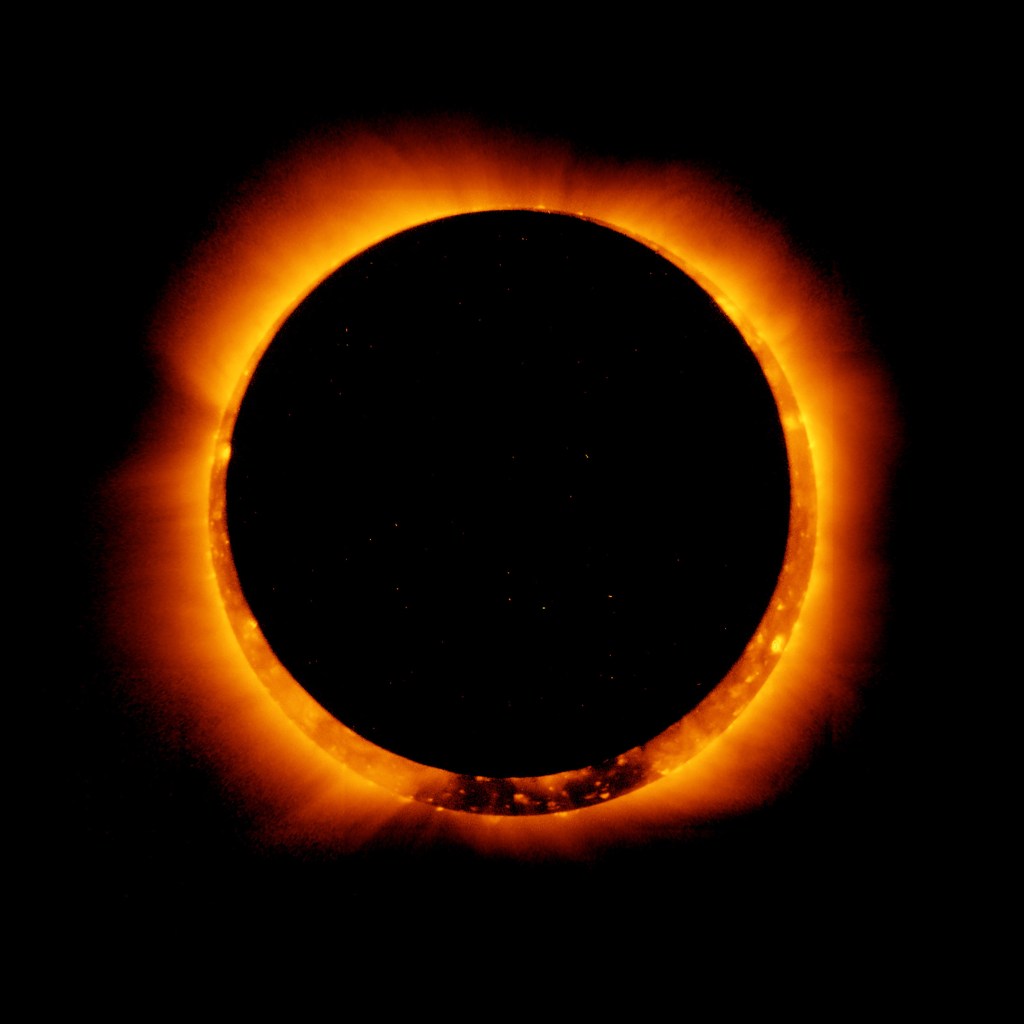
Thirteen Utah state parks will be within the full coverage zone of the upcoming annular solar eclipse, with six others just outside it. All of Utah will experience a significant amount of sun coverage, weather permitting, during the event on October 14. State parks such as Escalante Petrified Forest, Fremont Indian, Goblin Valley, and Goosenecks will offer eclipse events. Antelope Island and Dead Horse Point State Parks, although outside the direct path, will also have special events. NASA has provided the times for viewing the eclipse in Utah, and officials advise planning ahead for crowds and traffic, as well as bringing protective eyewear.
Mesa Verde National Park in Colorado will be in line with an annular solar eclipse on October 14, a celestial event that hasn't been visible from North America in over a decade. The park is expecting robust crowds and will have three viewing areas where rangers will distribute protective glasses. NASA representatives will also be present to provide educational information about the eclipse. Standard entry fees to the park apply, and camping options within the park are currently sold out. Cliff dwelling tours will be canceled in the morning but will resume in the afternoon.