Idaho has passed a law banning vaccine mandates for all individuals, positioning itself as a model for health freedom advocates nationwide, amid ongoing debates over public health and personal liberty.
The Idaho Medical Freedom Act, signed into law in 2024, prohibits vaccine mandates by government and private entities, setting a precedent for vaccine mandate bans in the U.S. and sparking national attention from anti-vaccine advocates and some policymakers, while raising concerns among public health officials about the potential impact on disease control and community immunity.
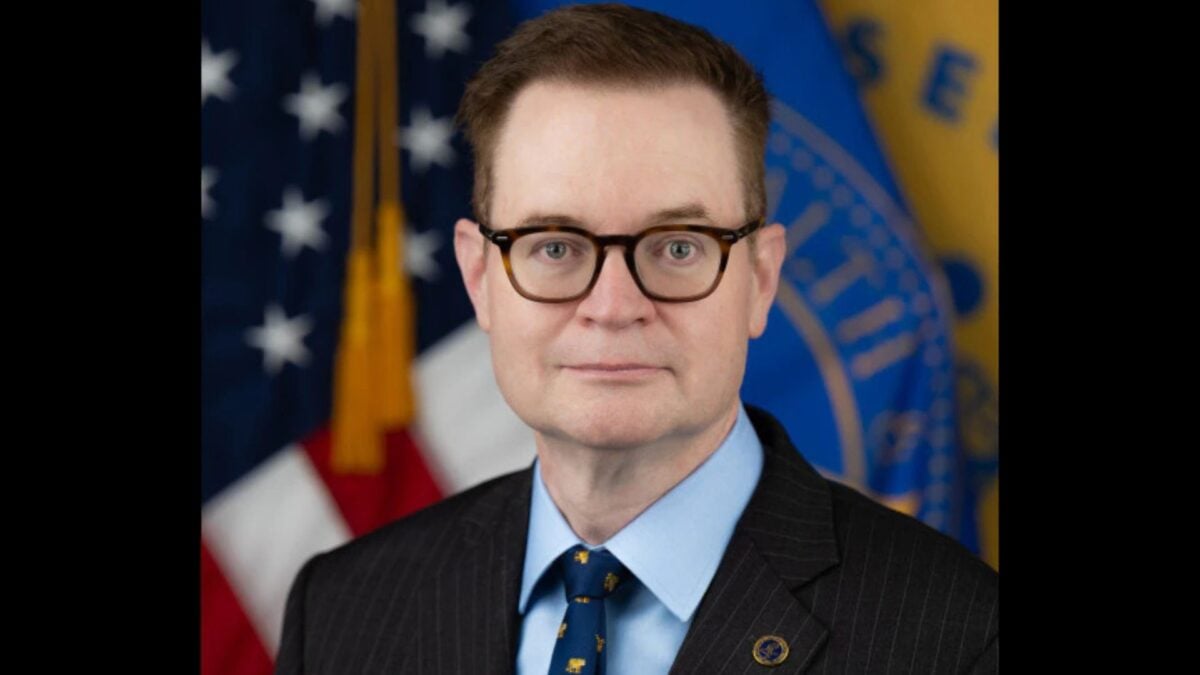
The acting CDC chief, Jim O’Neill, has proposed breaking up the MMR vaccine into three separate shots, a move unsupported by evidence and potentially harmful, as it could reduce vaccination rates and increase disease risk. This stance aligns with vaccine skepticism promoted by political figures like RFK Jr., amidst ongoing measles outbreaks and declining vaccine coverage, raising concerns about public health safety.
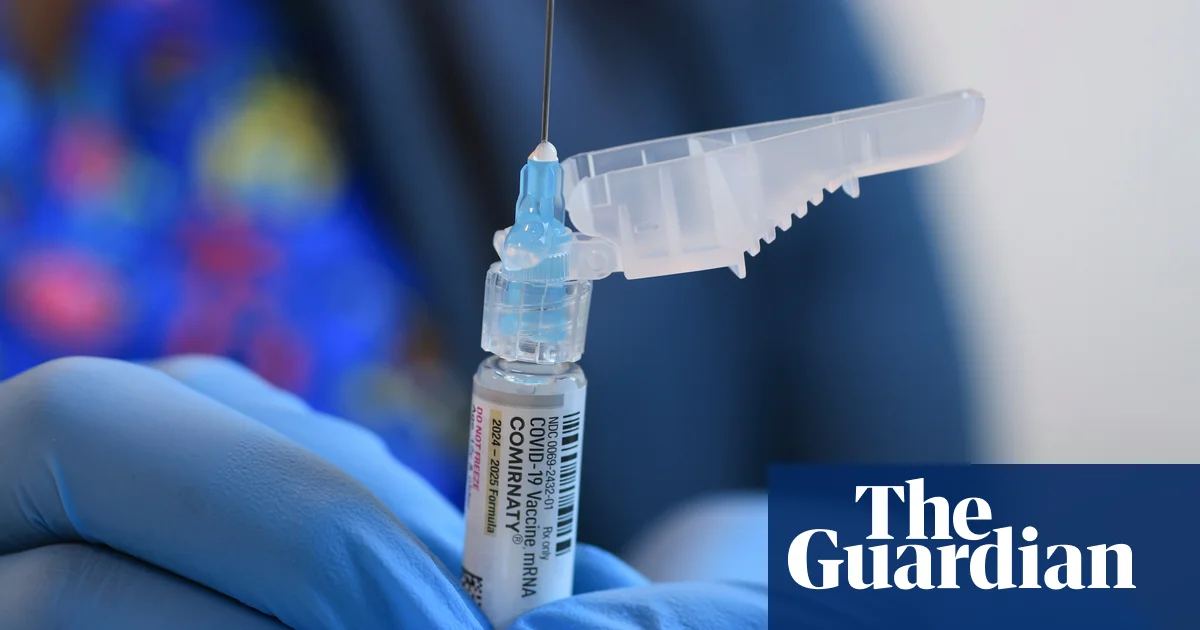
US health officials are moving away from mRNA COVID-19 vaccines, raising concerns among experts about the country's preparedness for future pandemics and the potential impact on other vaccines. The administration's actions include funding cancellations, regulatory restrictions, and disbanding vaccine advisory committees, which some believe could undermine vaccine development and public trust, especially amid misinformation and anti-vaccine activism.
A measles outbreak in a West Texas Mennonite community highlights the clash between evidence-based public health efforts and anti-vaccine misinformation, with community distrust, alternative treatments, and high-profile anti-vaccine advocates complicating containment and prevention efforts, ultimately leading to preventable deaths and a public health crisis.
Robert F. Kennedy Jr.'s attorney, Aaron Siri, is attempting to challenge the FDA's approval of the polio vaccine, despite Kennedy's claims of not restricting vaccine access if he leads U.S. health policy. Siri, who has a history of anti-vaccine litigation, is also involved in interviewing candidates for health positions, raising concerns about potential anti-vaccine influence in health agencies. This move aligns with Kennedy's controversial stance on vaccines, despite extensive studies disproving links between vaccines and autism.
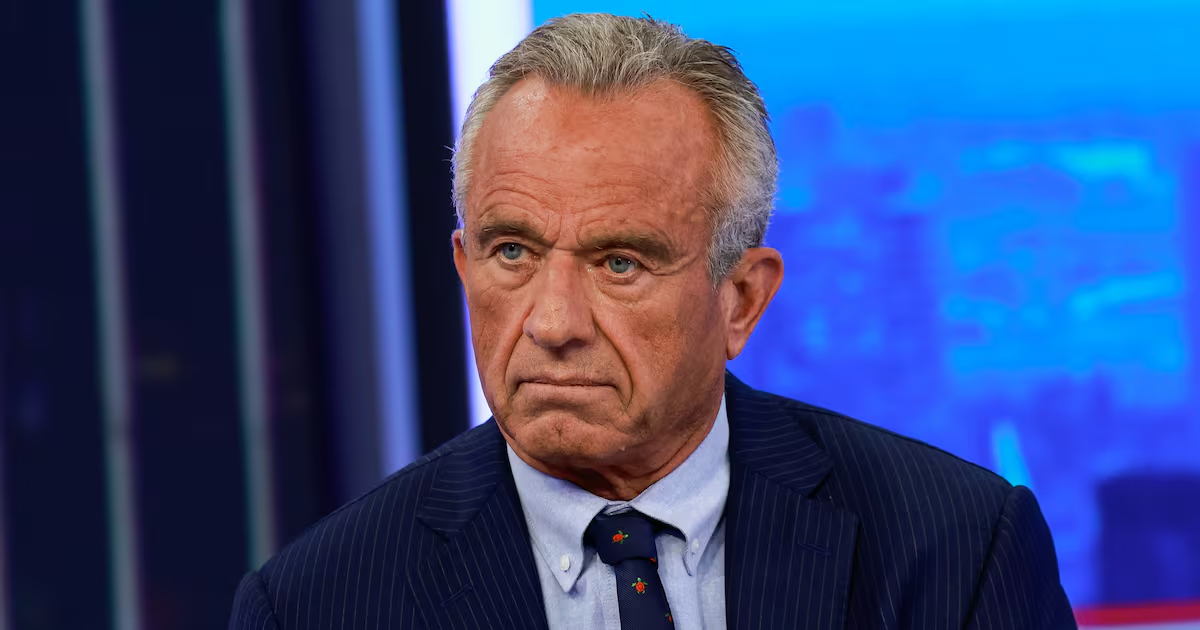
Robert F. Kennedy Jr., nominated to lead the Department of Health and Human Services (HHS) under President-elect Donald Trump, is involving individuals with ties to the anti-vaccine movement in his transition team. Despite publicly distancing himself from vaccine denial, Kennedy's reliance on these advisers raises concerns about their influence on public health policy. The transition process, marked by a lack of federal oversight and transparency, has sparked criticism over potential conflicts of interest and the prioritization of vaccine skepticism in candidate vetting.
Vaccines have been instrumental in eradicating diseases like measles, mumps, and polio in the US, significantly boosting life expectancy and economic growth. However, vaccine skepticism is rising, partly due to figures like Robert F. Kennedy Jr., who has been nominated to lead the Department of Health and Human Services by President-elect Donald Trump. This trend threatens to reverse decades of public health progress, as declining vaccination rates have already led to a resurgence of measles cases in the US.
Vaccine hesitancy is rising in Florida, exacerbated by the state's surgeon general, Joseph Ladapo, who has been criticized for his anti-vaccine stance. This has contributed to a decline in routine childhood vaccination rates, now at their lowest in over a decade, and an increase in vaccine-preventable diseases like measles. Pediatricians are concerned that national health policy led by vaccine skeptics could further undermine public trust in vaccines, risking the resurgence of diseases like polio.
As measles outbreaks spread globally, anti-vaccine activists downplay the disease's dangers, falsely claiming it's not severe. Despite the availability of an effective vaccine, measles cases are rising due to factors like access issues and vaccine skepticism. Health agencies warn of dire complications from measles, and recent outbreaks in Europe and the U.K. have been attributed to drops in vaccine uptake. Anti-vaccine influencers continue to spread misinformation, while experts emphasize the suffering and potential fatal consequences of measles, advocating for widespread vaccination to eliminate the virus.
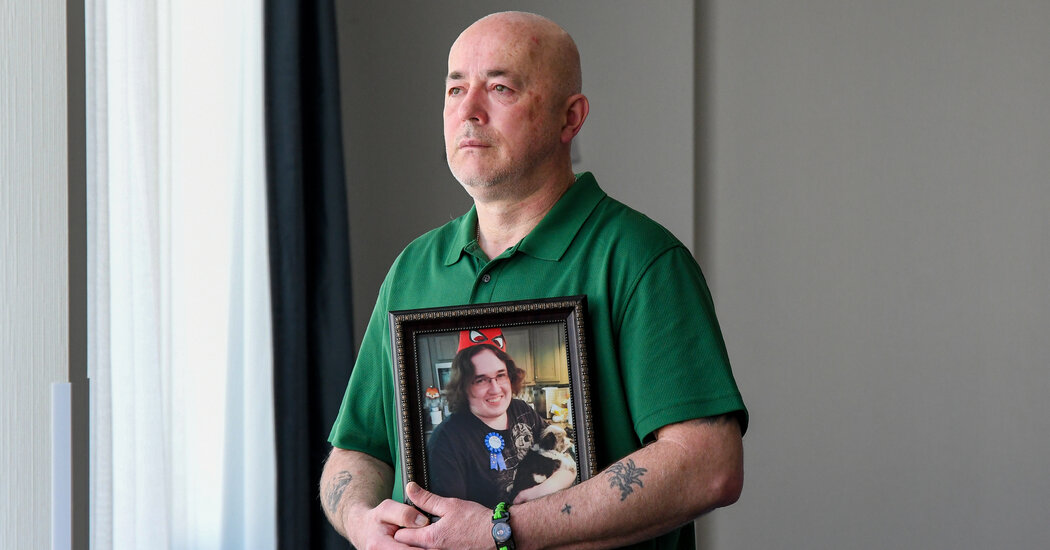
The death of George Watts Jr., a 24-year-old who died from Covid-19 vaccine-related myocarditis, has become a rallying point for the anti-vaccine movement. His case, which spread online as proof of vaccine dangers, has raised questions among medical experts who argue that further examination is needed to determine if the vaccine was the cause. While myocarditis is a known risk associated with mRNA vaccines, the overall numbers are small, and the benefits of vaccination outweigh the risks. Vaccine opponents, however, continue to use George Jr.'s death as evidence that vaccines can be deadly, despite the lack of conclusive evidence.
Desiree Jennings, known as the "Flu Shot Cheerleader," gained national attention when she claimed that a flu vaccine caused her to develop dystonia, a neurological movement disorder. Her story went viral, with media outlets repeating her unverified claims about the vaccine. However, doctors expressed doubt about her diagnosis, suggesting that her symptoms may be psychogenic or stress-related. The media storm occurred during the H1N1 flu pandemic, providing an opportunity for the anti-vaccine movement to expand their message. Desiree aligned herself with the movement, but the promised documentary warning against vaccines was never made.
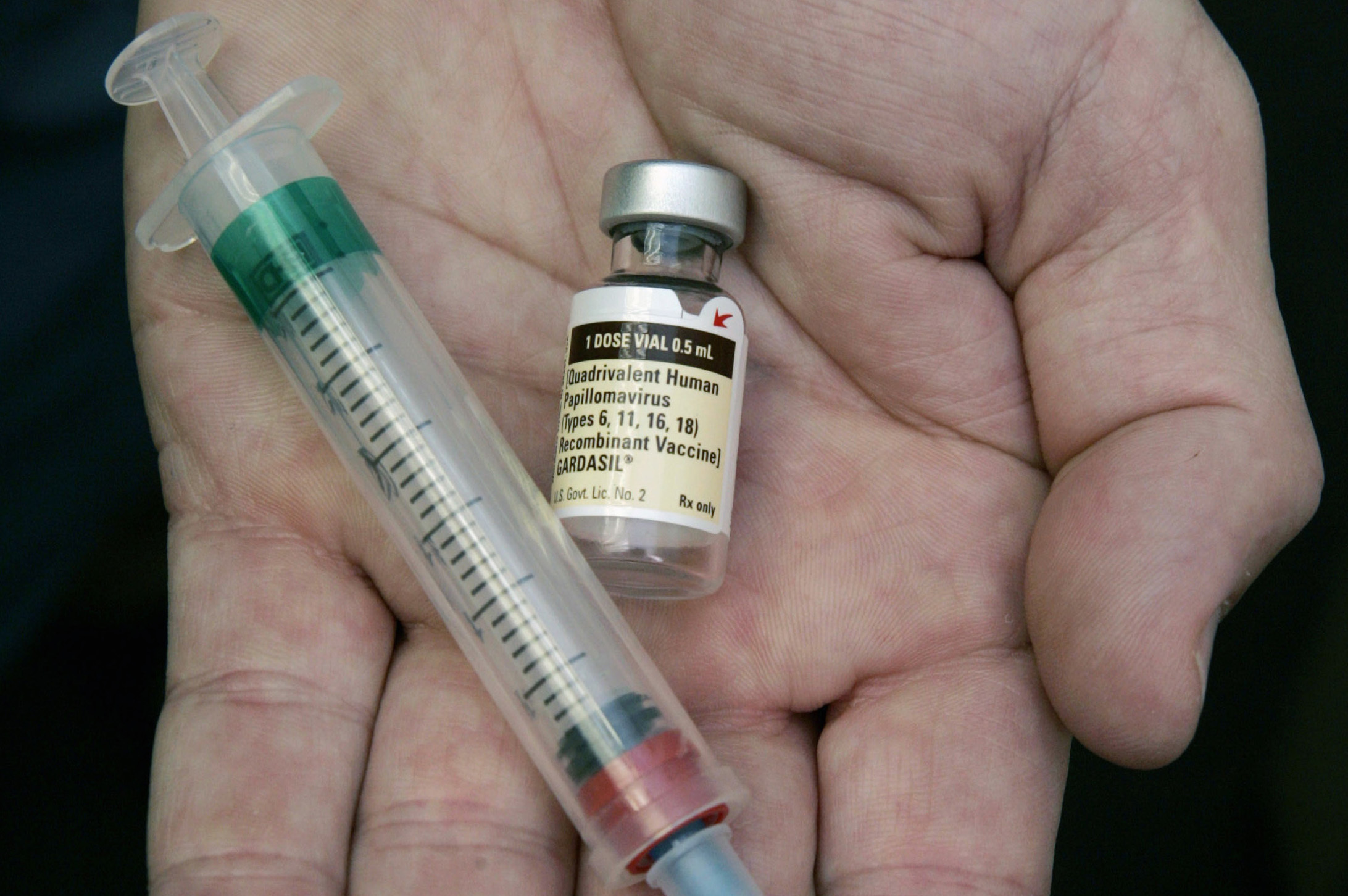
Attempts to pass new vaccine mandates for schoolchildren have been thwarted in several US states, including California, due to the growing influence of the anti-vaccine movement and pandemic fatigue. Even in deep-blue California, a bill to mandate the HPV vaccine was watered down beyond recognition due to opposition from education groups. Across the country, blue-state policymakers are now simply trying to hold the line on existing vaccine policies. The anti-vaccine movement has become more organized and successful, seizing on pandemic weariness and public resentment toward public health mandates.
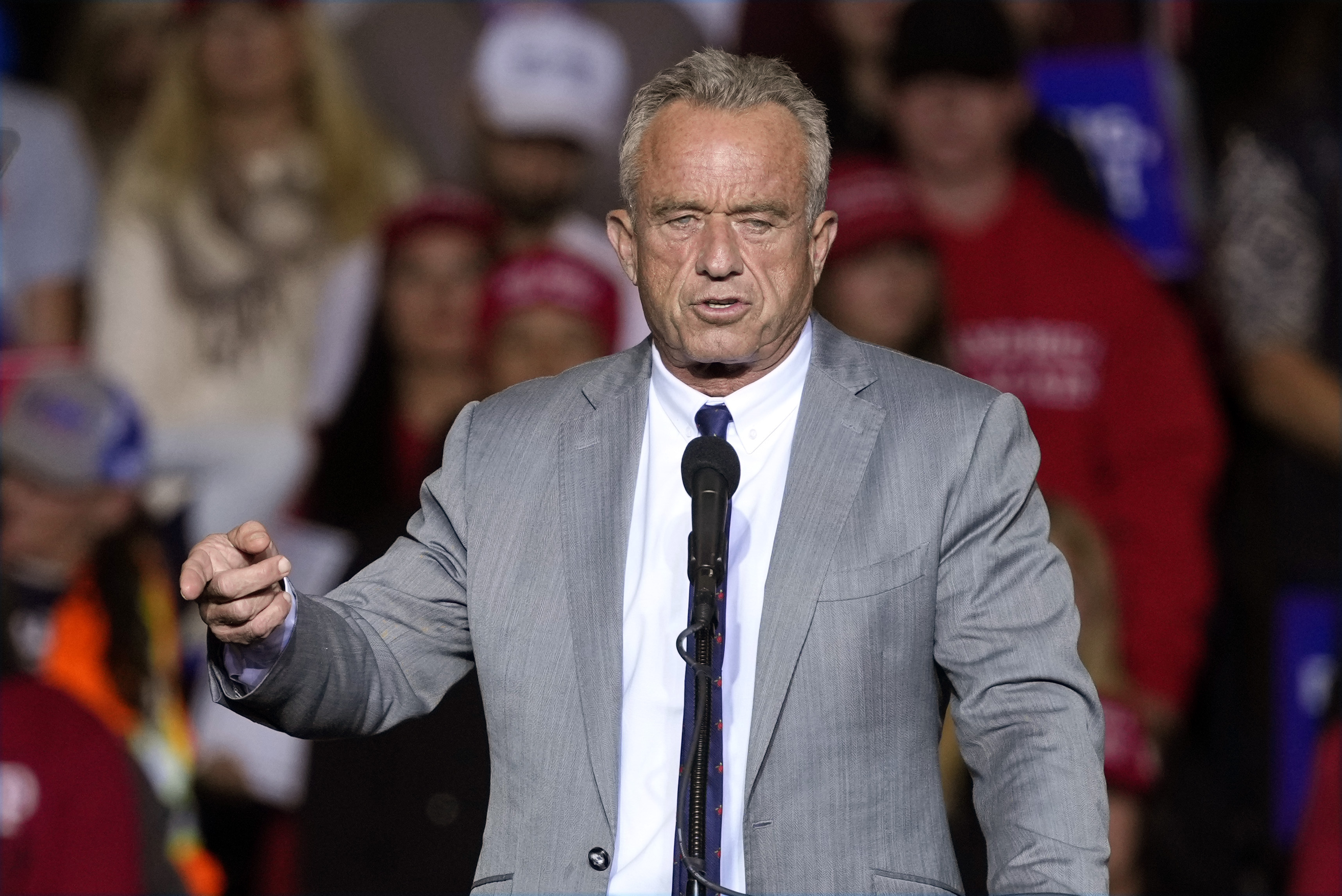
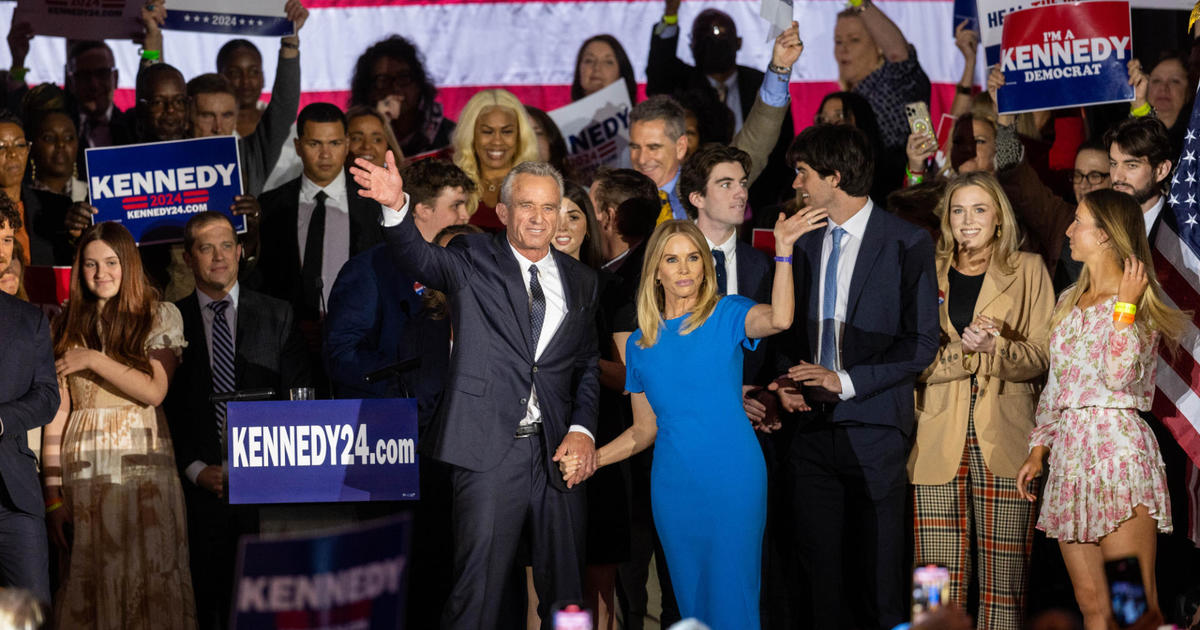
Robert F. Kennedy Jr., a member of the famous Kennedy family, formally announced his run for president in Boston, with a focus on ending the "corrupt merger of state and corporate power." However, his recent association with far-right figures and anti-vaccine movement has drawn criticism from public health experts and some members of his own family. Kennedy's candidacy may face hurdles, but he remains a contender for the Democratic nomination.
Robert F. Kennedy Jr., the son of Senator Robert F. Kennedy, has filed a statement of candidacy with the Federal Election Commission to run for president as a Democrat in the 2024 election. Kennedy, who is 69 years old, will formally announce his candidacy on April 19 at the Boston Park Plaza hotel. However, his campaign to challenge incumbent President Biden for the Democratic nomination is considered a long shot. Kennedy is known for his work in the anti-vaccine movement, which has been described as misleading and dangerous by public health experts.