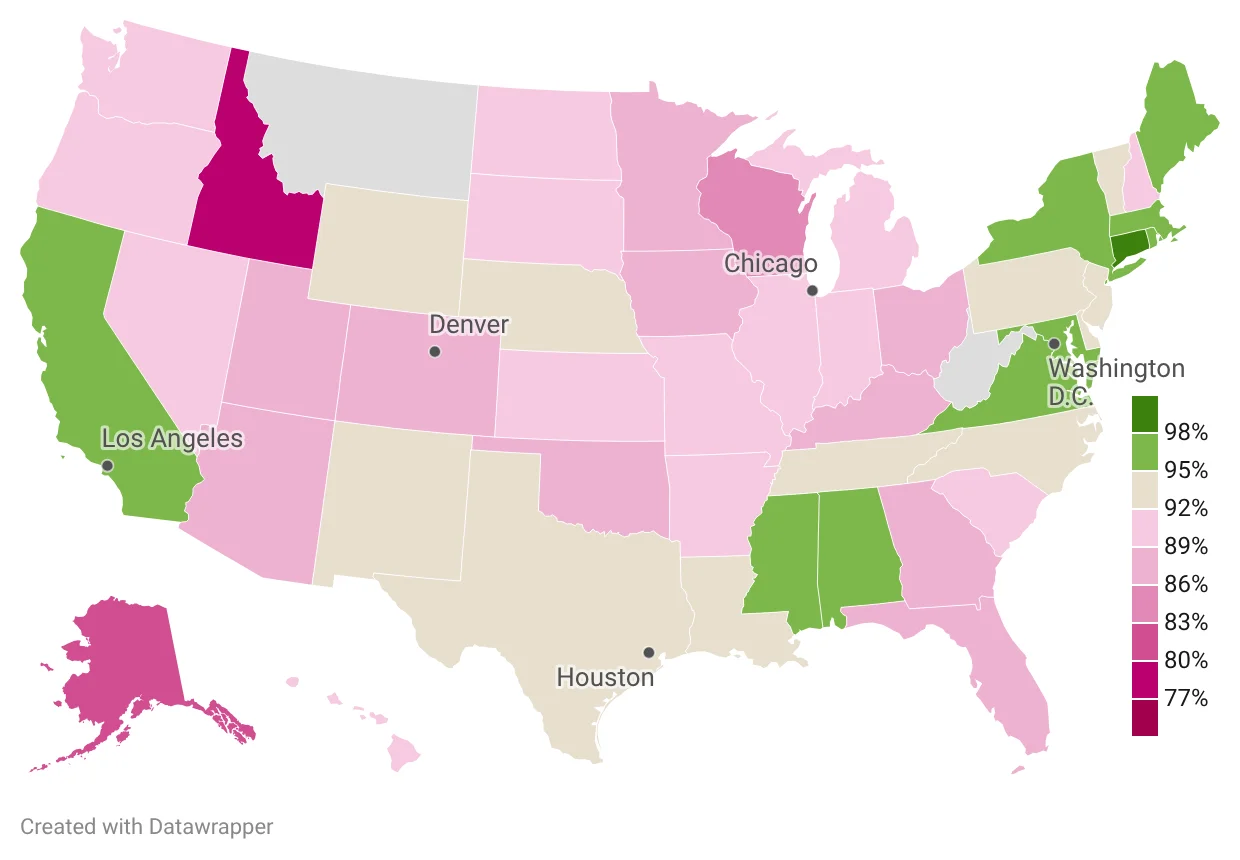
Connecticut has the highest kindergarten MMR vaccination rate in the U.S. at 98.2%, surpassing the herd immunity threshold, with overall vaccination rates increasing since 2020. Despite high vaccination coverage, some schools still fall below herd immunity levels, and flu vaccination rates are declining amid rising flu cases. The state eliminated religious exemptions in 2021, allowing only medical exemptions.
Vaccination rates for children in many U.S. counties have declined significantly, leading to increased risks of outbreaks of preventable diseases like measles and whooping cough, and threatening the country's herd immunity status amid recent policy debates and changes in vaccine recommendations.
U.S. kindergarten vaccination rates have significantly declined since before the pandemic, with only 28% of counties maintaining herd immunity levels, due to political backlash, lax enforcement, and misinformation, increasing vulnerability to outbreaks of measles and other preventable diseases.
Increasing HPV vaccination among boys, alongside girls, could significantly accelerate the elimination of HPV-related cancers, including cervical cancer, by achieving herd immunity more efficiently, as demonstrated by a new mathematical model based on South Korea's data.
Cases of whooping cough in Florida have surged by 81% between 2024 and 2025, driven by declining vaccination rates amid vaccine hesitancy influenced by political figures, raising concerns about herd immunity and potential endemic spread of preventable diseases.
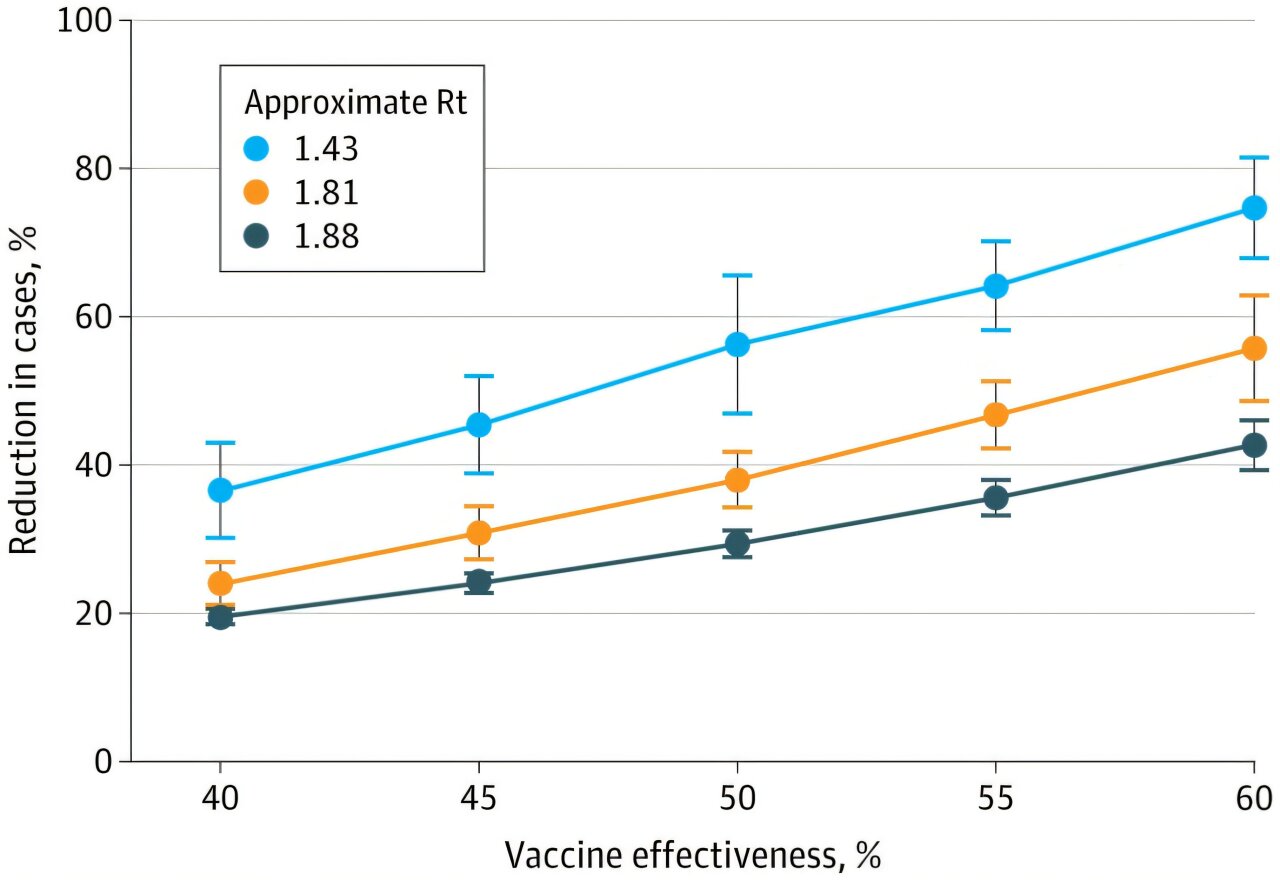
A simulation study from the University of Pittsburgh confirms that higher influenza vaccination rates protect both vaccinated and unvaccinated individuals, with vaccinated people gaining the most protection. The study emphasizes that increasing vaccination coverage reduces overall flu cases and highlights the importance of vaccination for community health, especially when transmission rates are high. However, in scenarios of rapid spread, herd immunity alone may not suffice to protect unvaccinated individuals, underscoring the need for widespread vaccination.
A study using a simulated population found that seasonal flu vaccines prevented approximately 33% to 42% of infections and provided indirect protection to unvaccinated individuals, especially during typical transmission seasons, highlighting the community-wide benefits of vaccination beyond individual protection.
The article explains that vaccine hesitancy among rational individuals can be understood through game theory, which shows that individual decisions to skip vaccines are influenced by the collective behavior and incentives within communities. High vaccination rates create a free rider problem, leading to potential outbreaks when rates decline, especially in pockets of low coverage. Effective communication and community engagement, rather than moral blame, are key to improving vaccination uptake and maintaining herd immunity.
The article presents a series of critical questions for Drs. Marty Makary and Jay Bhattacharya, challenging their past statements and positions on COVID-19, herd immunity, and vaccines. It scrutinizes their claims about the pandemic's severity, vaccine safety, and the effectiveness of public health measures, highlighting discrepancies and potential misinformation. The questions aim to hold them accountable for their public statements and affiliations, questioning their credibility and the impact of their views on public health.
Michigan is at risk of a measles outbreak due to low vaccination rates, with only 66% of toddlers vaccinated. Three recent cases have prompted a scramble to track down potential exposures, and rising school-age vaccination waivers are a concern. The pandemic has led to missed vaccinations and increased hesitancy, making it challenging for public health leaders to promote vaccines. Achieving herd immunity is crucial, and revaccination is recommended for those unsure of their vaccination history.
Data from a CBS News investigation shows that at least 8,500 U.S. schools have measles vaccination rates among kindergartners below the 95% threshold crucial for protecting communities from measles outbreaks. The declining vaccination rates are raising concerns among scientists and doctors, as lower rates reduce herd immunity and increase the risk of disease spread. Factors contributing to the decline include political influences, misinformation, mistrust in government, and fear of vaccines. Efforts to address this issue include public education campaigns, enforcement of vaccination requirements, and legislative actions to eliminate exemptions.
A study in Scotland found no cases of cervical cancer among women born between 1988-1996 who were fully vaccinated against HPV before age 14, highlighting the vaccine's effectiveness. The study emphasizes the importance of timely vaccination and the impact of vaccination on lower socioeconomic groups. While the vaccine targeted aggressive HPV strains, continued screenings are still necessary for early detection of cervical cancers caused by other HPV types. The results support the effectiveness of cohort vaccination in creating herd immunity against HPV.
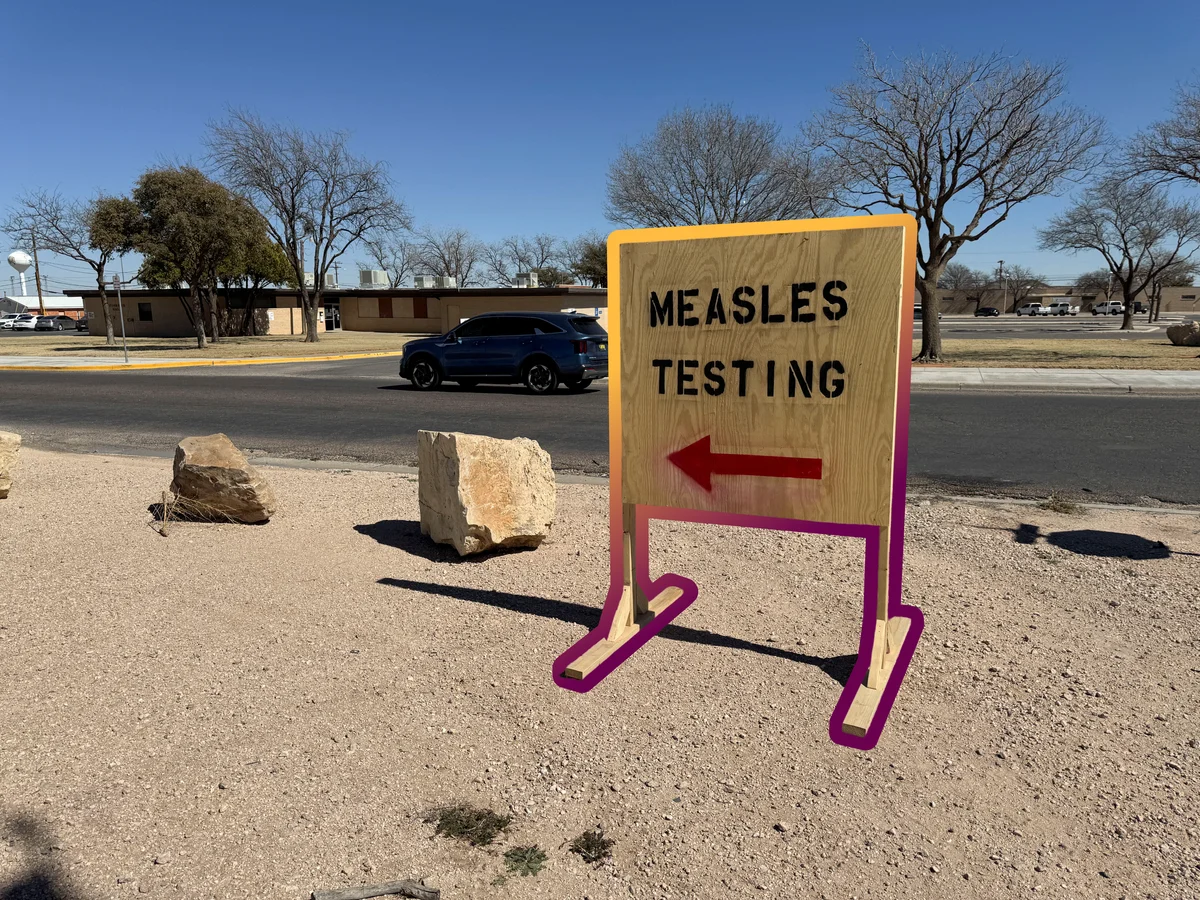
Measles outbreaks are on the rise in the U.S. due to declining vaccination rates, which are compromising herd immunity. Experts warn that vaccination levels for the MMR vaccine, which protects against measles, mumps, and rubella, have dropped below the 95% threshold needed for herd immunity, leading to an increase in measles cases. Additionally, a record number of kindergarten students have received exemptions from key vaccines, with nonmedical exemptions on the rise. This trend poses a significant risk of further measles outbreaks across the country.
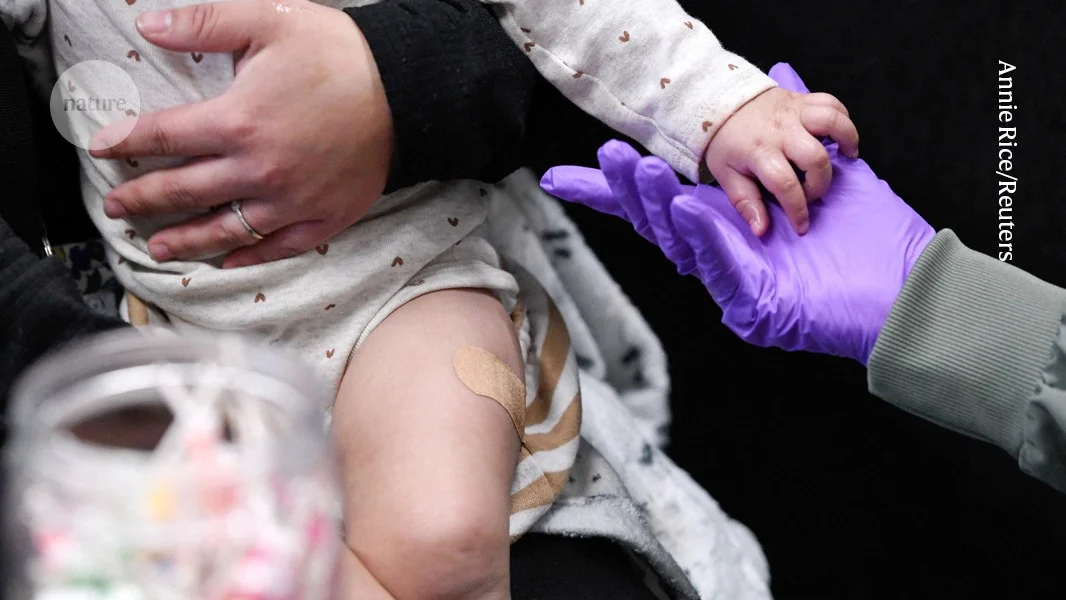
The number of vaccine exemptions for U.S. kindergartners has risen to 3% during the 2022-23 school year, with rates exceeding 5% in 10 states. While most exemptions are due to religious or philosophical reasons, some parents seek exemptions for medical reasons, such as allergic reactions or medical conditions that make vaccination unsafe. Pediatricians attribute the rise in exemptions to growing misinformation and a lack of trust in medical institutions. The most commonly refused vaccines are the MMR and HPV vaccines, while seasonal influenza and COVID-19 vaccines have the highest total refusal rates. Children with medical concerns, such as cancer or immunodeficiency, are unable to receive certain vaccines, making herd immunity crucial for their protection.
Over 200 students in Lafayette, Indiana, were sent home from school for not being up to date on their vaccinations, as local school corporations are now enforcing vaccine requirements more strictly. County Health Officer Dr. Greg Loomis attributes the issue to "vaccine apathy" rather than denial, as vaccination rates in the area are significantly lower than the statewide average. Concerns are raised about the potential loss of herd immunity. Administrators had sent letters and reminder emails to parents before excluding their children from school.