
RFK Jr. and Kid Rock unleash a fitness video urging Americans to get active
RFK Jr. teamed with Kid Rock to post a workout video—featuring workouts, pickleball, and pool lounging—as a push for Americans to get active.

All articles tagged with #health and human services
RFK Jr. teamed with Kid Rock to post a workout video—featuring workouts, pickleball, and pool lounging—as a push for Americans to get active.
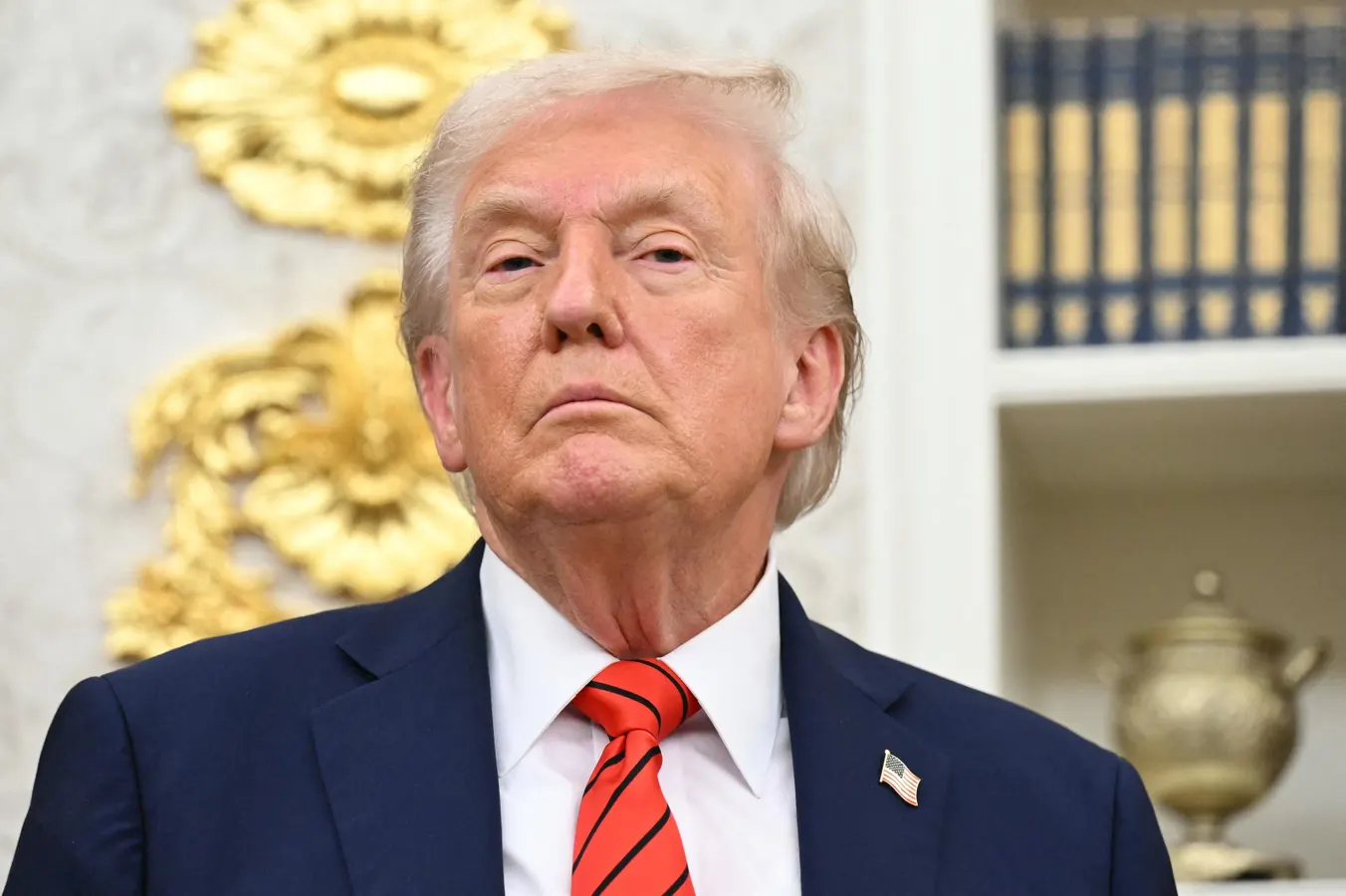
The US federal government has begun laying off around 4,200 employees across multiple agencies, including the Treasury and Health Departments, due to the ongoing government shutdown, with layoffs expected to continue and more layoffs possibly on the horizon amid political disagreements.
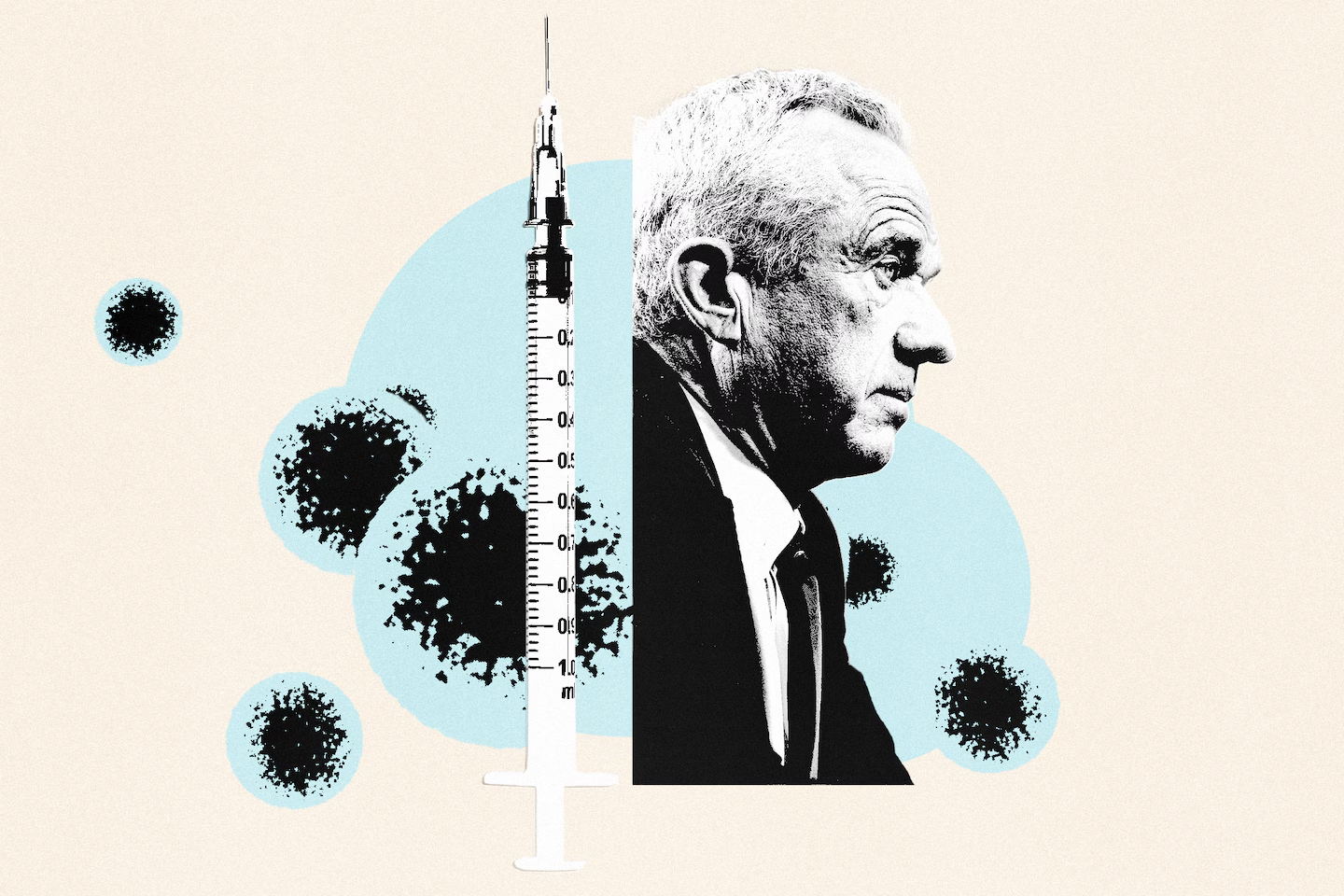
Under RFK Jr.'s leadership at Health and Human Services, there have been notable changes in vaccine recommendations and access, raising concerns among medical experts.
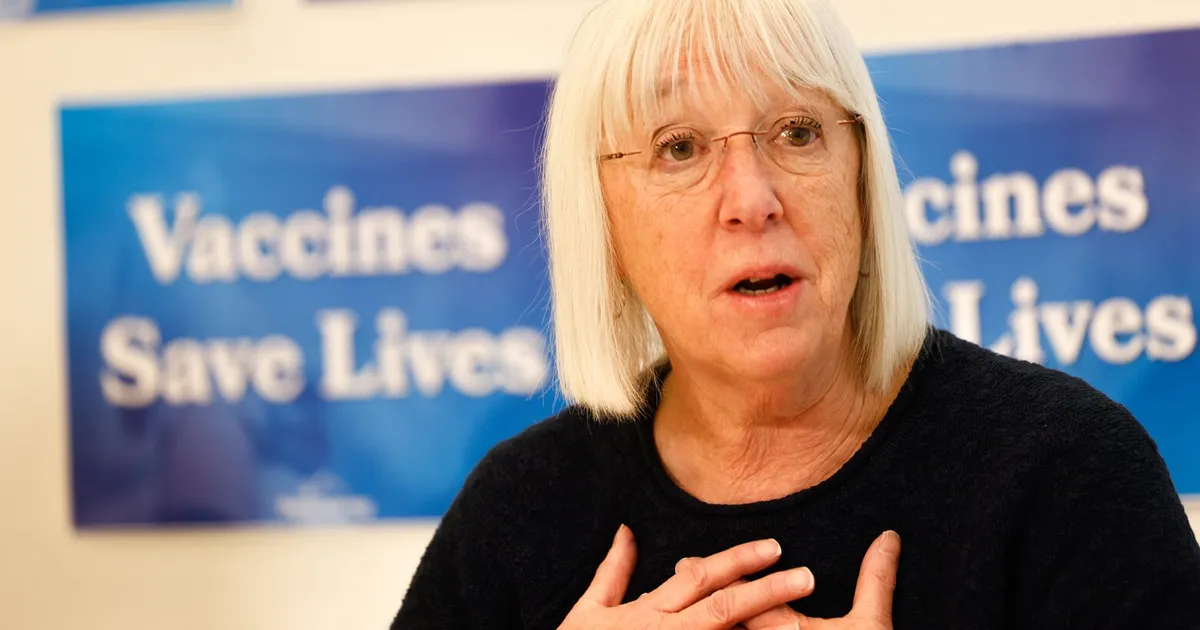
U.S. Senator Patty Murray has expressed strong concerns over the potential appointment of Robert F. Kennedy Jr. as Secretary of Health and Human Services, citing his anti-vaccine stance and its potential impact on public health. Kennedy, known for promoting debunked vaccine theories, could influence vaccine approval and funding for medical research if confirmed. Murray highlighted the importance of vaccines and bipartisan support for public health, warning that Kennedy's leadership could undermine vaccination efforts and public health research. The confirmation process may proceed without Democratic support due to a Republican Senate majority.
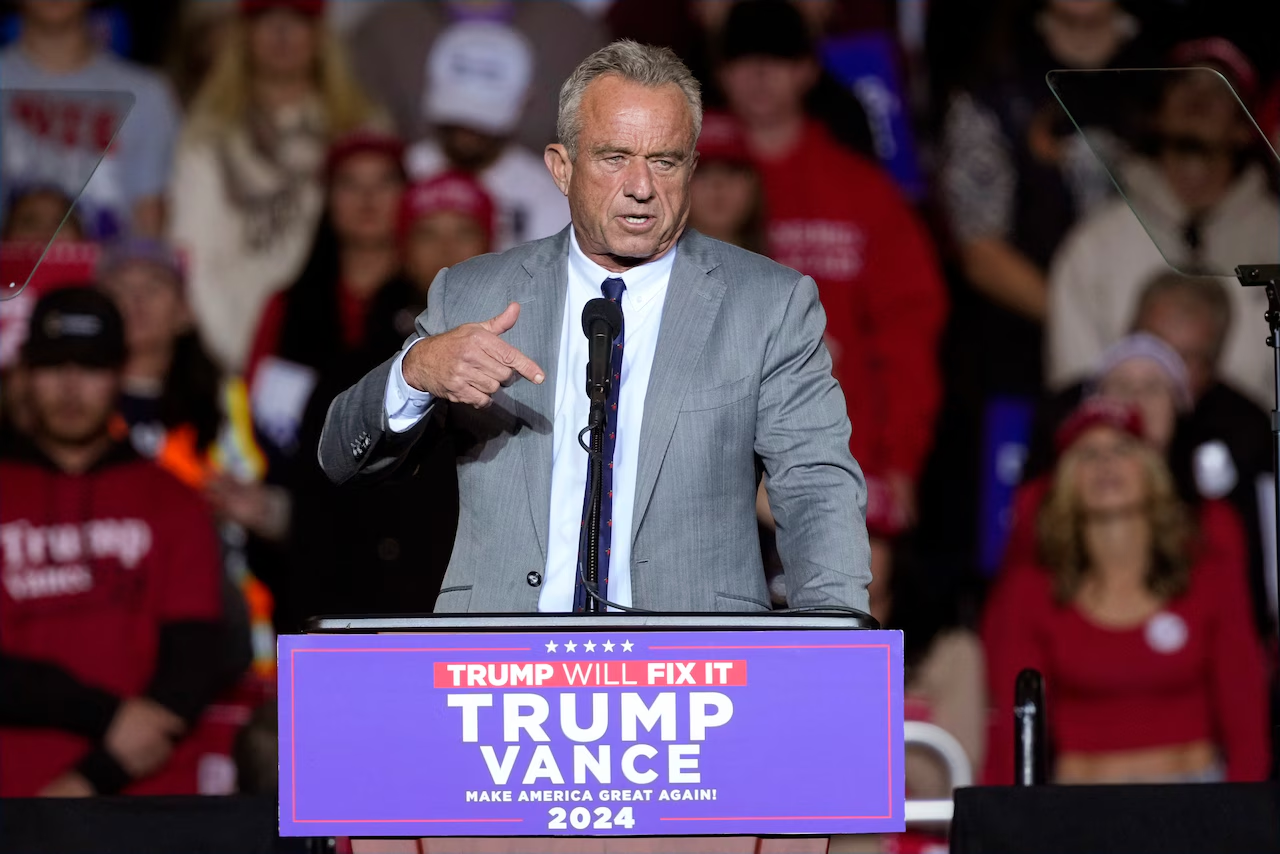
Massachusetts politicians, including U.S. Rep. Stephen Lynch and Gov. Maura Healey, have expressed concerns over Robert F. Kennedy Jr.'s nomination to lead the U.S. Department of Health & Human Services due to his vaccine skepticism and controversial health views. The nomination, made by President-elect Donald Trump, has raised fears about potential negative impacts on federal funding and public health in Massachusetts. Kennedy's confirmation will require Senate approval, where opposition is expected from figures like U.S. Sen. Elizabeth Warren and U.S. Sen. Ed Markey.
Robert F. Kennedy Jr., Donald Trump's pick for the Department of Health and Human Services, was photographed eating McDonald's with Trump despite previously criticizing the president-elect's diet as "poison." Kennedy, who advocates for healthier eating, has been vocal about the negative health impacts of seed oils used in fast food. The image, featuring Trump, Kennedy, Donald Trump Jr., Elon Musk, and Mike Johnson, highlights the contrast between Kennedy's health campaign and the fast food meal. Kennedy's stance on diet has sparked debate, though experts argue seed oils are not harmful.
CNN's Jake Tapper criticized Donald Trump's nomination of Robert F. Kennedy Jr. as Secretary of Health and Human Services, highlighting Kennedy's controversial stance against childhood vaccines. Tapper and CNN's Dr. Sanjay Gupta expressed concerns about Kennedy's potential impact on public health, given his history of promoting vaccine misinformation. While some, like Colorado Governor Jared Polis, praised Kennedy for his stance on vaccine mandates, the broader medical community remains apprehensive about his appointment.
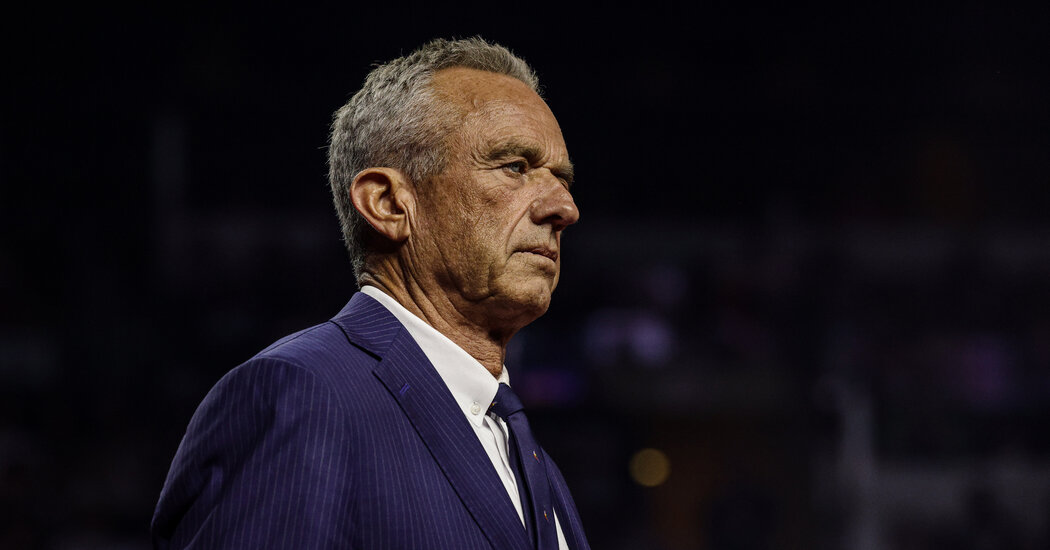
Former President Donald Trump has selected Robert F. Kennedy Jr. to lead the Department of Health and Human Services. This appointment is notable given Kennedy's controversial views on vaccines and public health. The decision is part of Trump's broader strategy to reshape his administration's approach to health policy.

The CDC has reported a staggering 80% increase in syphilis cases in the US since 2018, reaching the highest level in over 70 years. Health and Human Services Secretary Xavier Becerra has declared the situation "unacceptable" and a "critical" public health crisis. The disease, known as "The Great Pretender," can lead to severe health issues if left untreated and is disproportionately affecting certain demographics. The surge in syphilis cases comes amid an "out of control" STD epidemic, with gonorrhea cases also spiking by 28% in 2021.
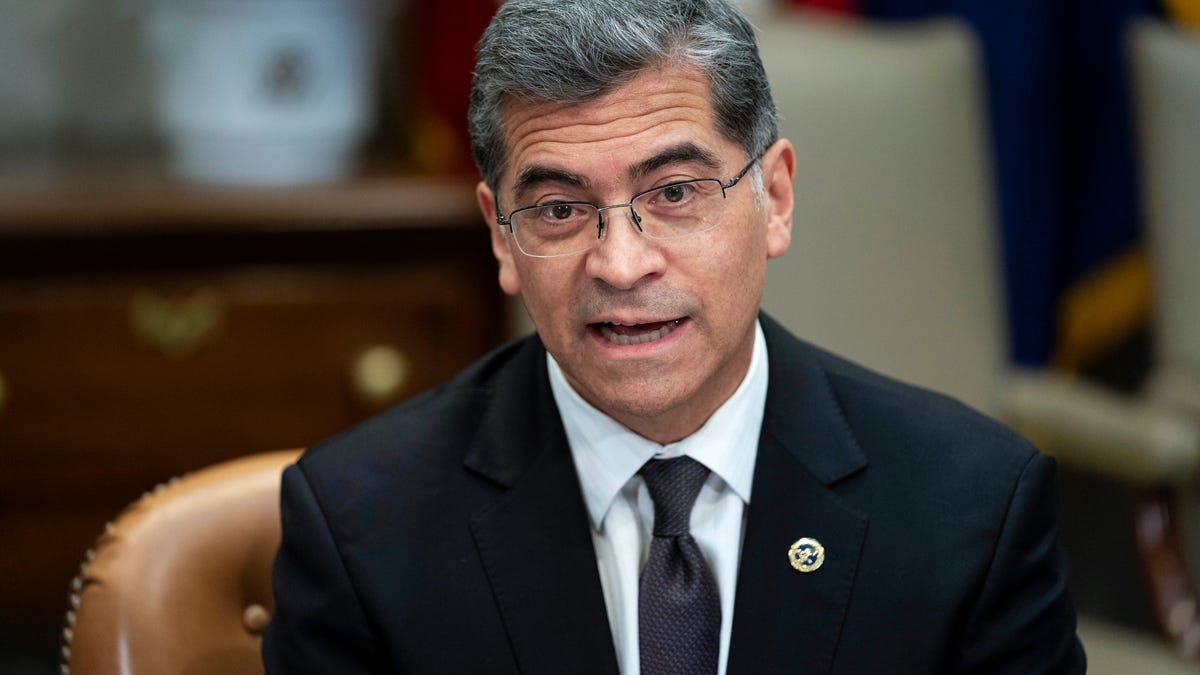
The Department of Health and Human Services (HHS) has recommended reclassifying marijuana as a schedule three substance, indicating it has a moderate to low potential for dependence, according to a letter obtained by Bloomberg News. Currently classified as a schedule one substance, this move could be a first step towards wider legalization. President Joe Biden had requested a review of marijuana's classification under federal law last year. As of April, 38 states and the District of Columbia allow for medical marijuana use, while 23 states and the District of Columbia have passed measures to regulate cannabis for adult non-medical use.