The appointment of Robert F. Kennedy Jr. as Secretary of Health and Human Services has raised concerns among medical professionals due to his history of vaccine skepticism. Experts worry that his influence could exacerbate vaccine hesitancy, particularly among parents, potentially leading to lower vaccination rates and increased outbreaks of diseases like measles and whooping cough. Kennedy's past claims, including those linking vaccines to autism and criticizing COVID-19 vaccines, have been widely discredited by health authorities. Doctors emphasize the need for continued education to counteract potential misinformation.
Vaccine hesitancy is rising in Florida, exacerbated by the state's surgeon general, Joseph Ladapo, who has been criticized for his anti-vaccine stance. This has contributed to a decline in routine childhood vaccination rates, now at their lowest in over a decade, and an increase in vaccine-preventable diseases like measles. Pediatricians are concerned that national health policy led by vaccine skeptics could further undermine public trust in vaccines, risking the resurgence of diseases like polio.
Idaho has the lowest percentage of kindergartners meeting school vaccination requirements for major vaccines compared to the rest of the US, with an overall rate of 81% compared to the nationwide rate of 93%. The state also has the highest percentage of exemptions from required vaccines at 12.1%, compared to the national rate of about 3%. Public health experts are concerned about the potential for outbreaks of preventable diseases, such as measles, due to clusters of unvaccinated or under-vaccinated children. Reasons for low vaccination rates in Idaho include access issues, vaccine hesitancy exacerbated by the COVID-19 pandemic, and a lack of awareness about the seriousness of these diseases. Efforts are being made to educate parents and improve vaccine uptake, including honest conversations with healthcare providers and bringing vaccines to underserved communities.
Israel announces four-hour daily pauses in fighting in Gaza to distribute supplies and allow evacuations; Democratic Senator Joe Manchin announces he won't run for reelection, potentially endangering the Democrats' Senate majority; US government prepares for possible shutdown as federal funding deadline approaches; record number of kindergartners miss required vaccinations, increasing the risk of disease outbreaks; popular video chat app Omegle shuts down.
The shortage of the RSV vaccine, Beyfortus, reveals deeper problems with the US administration of childhood vaccinations. The Centers for Disease Control and Prevention (CDC) recommended prioritizing the drug for the youngest and highest-risk babies due to the shortage. However, pediatric infectious disease specialist Sean O'Leary argues that the shortage should never have occurred. The fragmented US healthcare system and the financial risks associated with stocking expensive vaccines like Beyfortus create barriers for pediatricians. Unlike other industrialized countries, the US lacks a universal vaccination program that provides vaccines free of charge across the lifespan.
Arizona ranks fourth highest in the country for vaccine exemptions, with 6.8% of kindergartners granted exemptions, more than double the national average. Concerns are raised about the impact on children's health and safety, particularly with diseases like polio and measles. The state allows exemptions not only for religious or medical reasons but also for personal beliefs. Pediatricians emphasize the importance of routine vaccinations and urge parents to consult trusted professionals rather than relying on misinformation online.
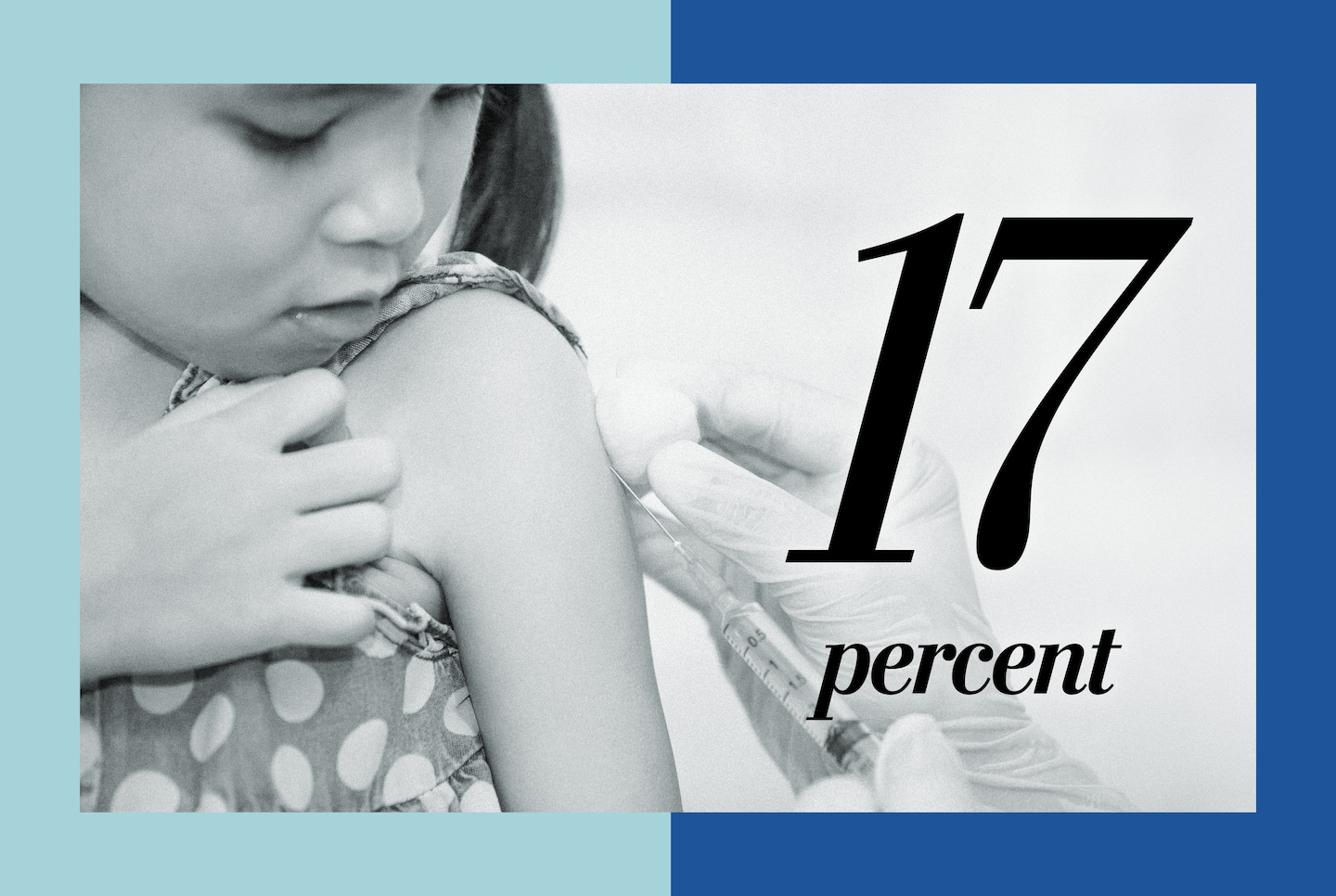
A study published in Pediatrics reveals that approximately 17 percent of toddlers in the United States are not receiving all the necessary doses of early-childhood vaccinations, leaving them vulnerable to preventable diseases. The incomplete vaccination not only puts the children at risk but also hampers the development of herd immunity at a population level. Reasons for incomplete vaccination include family moves, insurance problems, lack of transportation, parental hesitancy, and being from lower-income households or large families. To address this issue, researchers suggest implementing reminder-recall systems, making vaccines available in alternative locations, and raising awareness about support for low-income families.
The World Health Organization, along with the Bill & Melinda Gates Foundation and other organizations, is launching an initiative to reverse the decline in routine childhood vaccinations caused by the pandemic. The effort will focus on boosting rates in 20 countries that account for 75% of the children who missed vaccinations in 2021. According to the WHO, 25 million children under the age of 1 year did not receive basic vaccines in 2021, and global immunization coverage for children dropped to 81% that year from 86% in 2019.