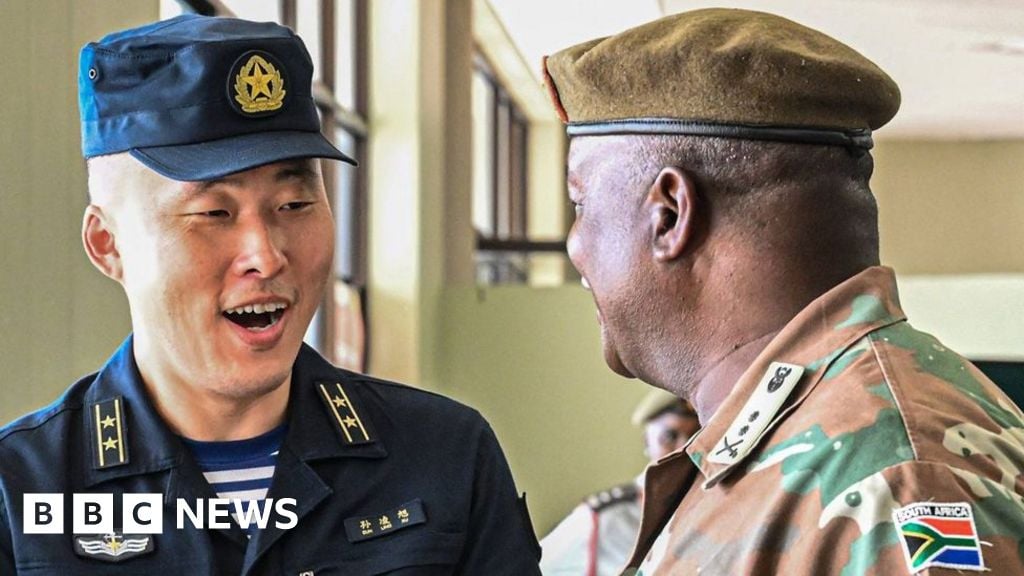
South Africa's hosting of military drills with China, Iran, and Russia amid geopolitical tensions could further strain its already fragile relationship with the US, highlighting the country's balancing act between major global powers and its economic and diplomatic interests.
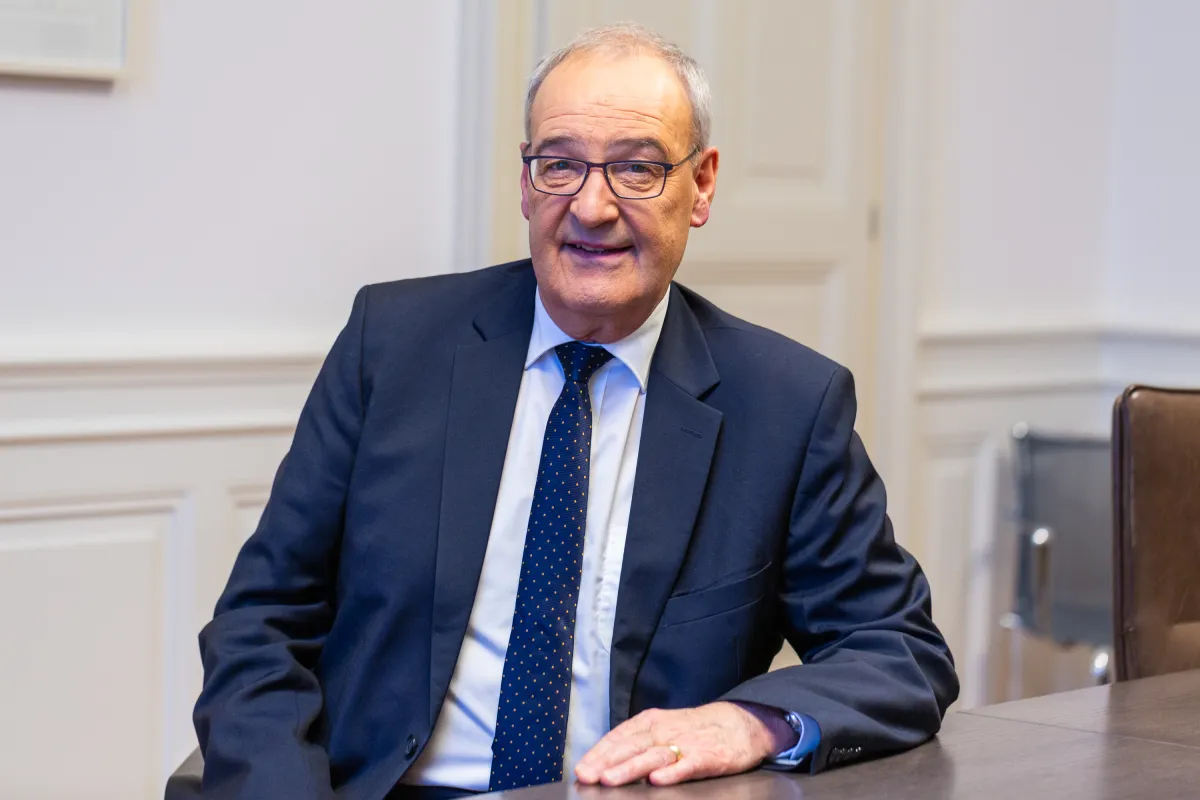
Guy Parmelin begins his second term as Swiss president, emphasizing Switzerland's need for new international partnerships while acknowledging the US's indispensable role, and discussing ongoing negotiations with the US and EU, economic challenges, and domestic political issues.
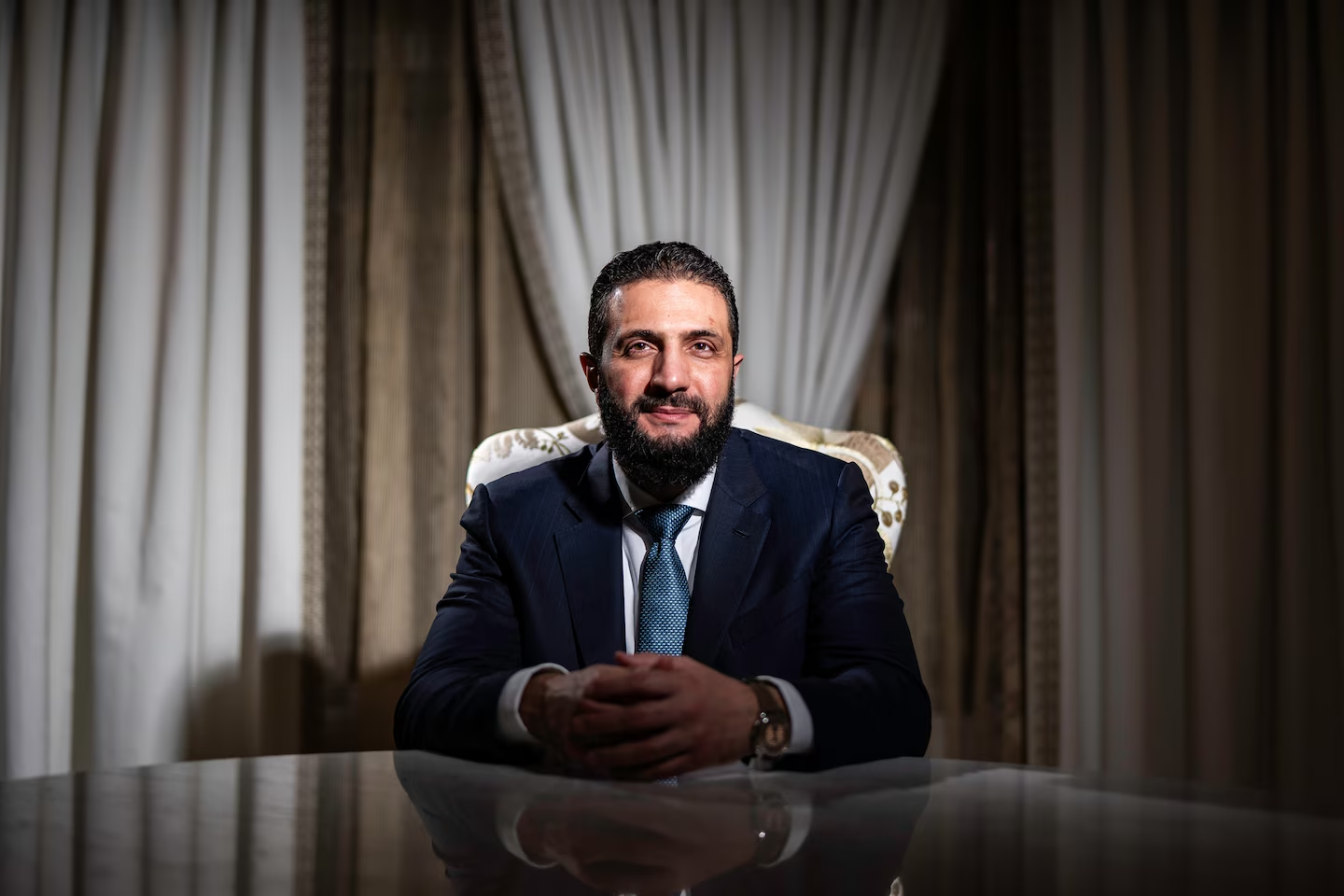
Syrian President Ahmed al-Sharaa, after his historic visit to the White House, discussed efforts to rebuild Syria-US relations, ongoing talks with Israel, and his personal journey from insurgent to head of state in an interview with The Washington Post.
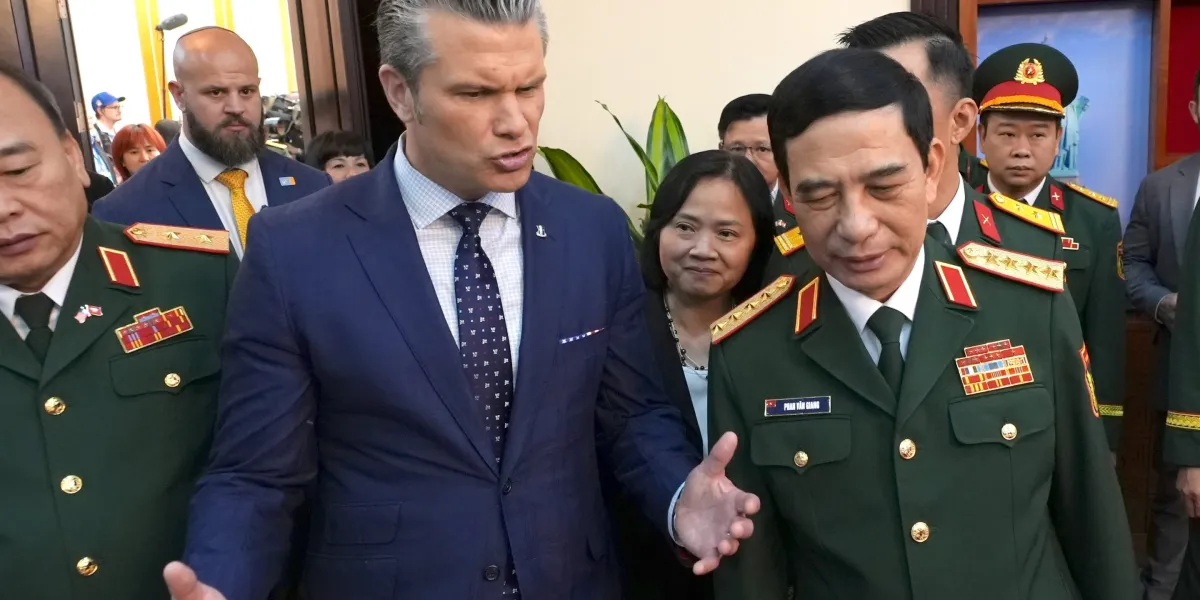
U.S. Defense Secretary Pete Hegseth visited Vietnam to reaffirm the longstanding partnership, focusing on healing war legacies by returning wartime artifacts and strengthening defense ties, amid ongoing regional geopolitical considerations.
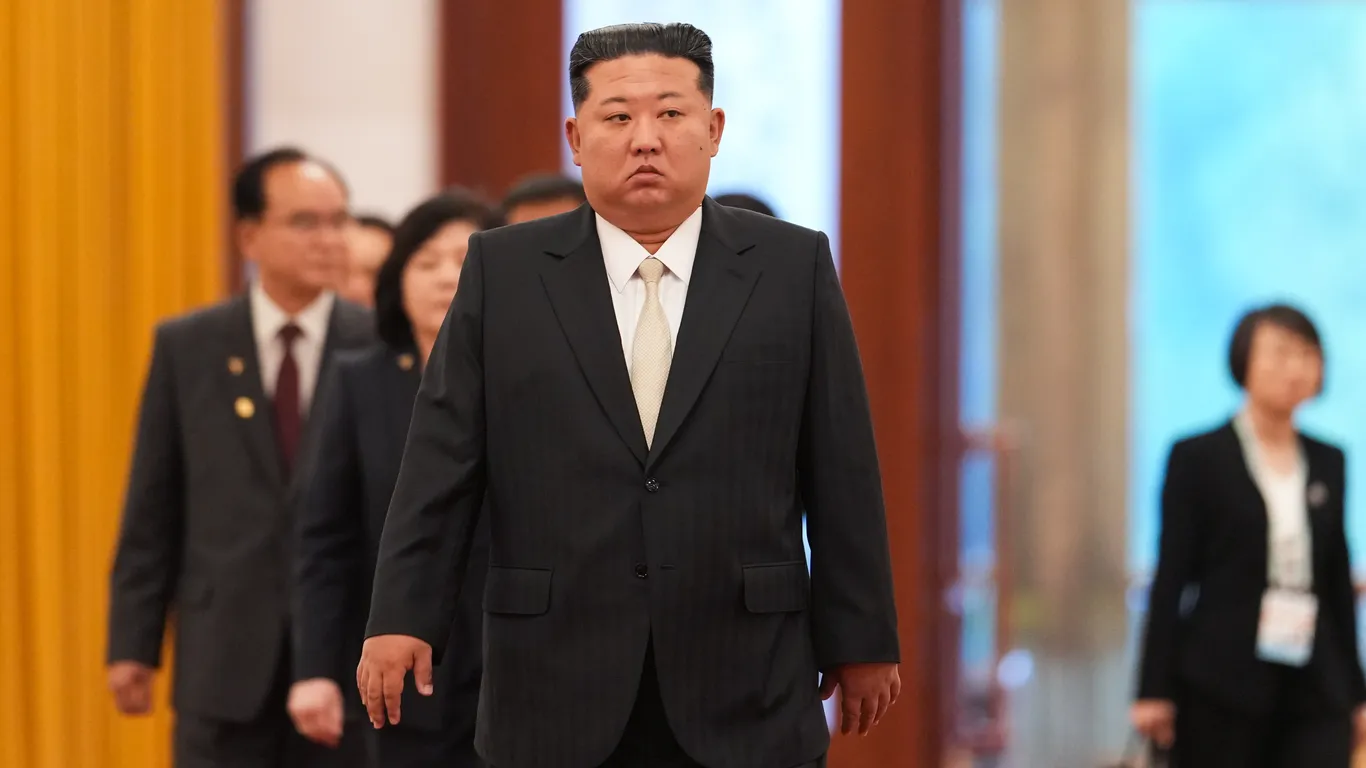
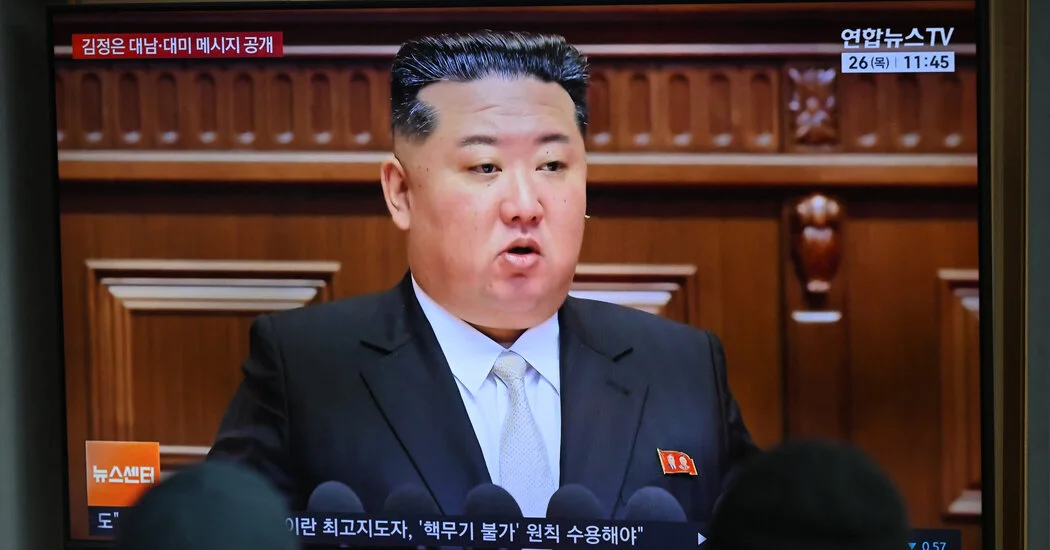
North Korean leader Kim Jong-un indicated willingness to resume talks with the U.S. if Washington drops its calls for denuclearization, expressing a desire for peaceful coexistence and recalling fond memories of Trump, though he reaffirmed North Korea's commitment to nuclear weapons. The potential for renewed dialogue is being considered amid ongoing tensions and diplomatic efforts in the region.
The upcoming UN General Assembly will be overshadowed by concerns over the U.S.'s role, the Israeli-Palestinian conflict, and the organization's future, with world leaders navigating complex diplomatic tensions amid ongoing crises like Gaza, Ukraine, and Syria, while also debating reforms and leadership succession.
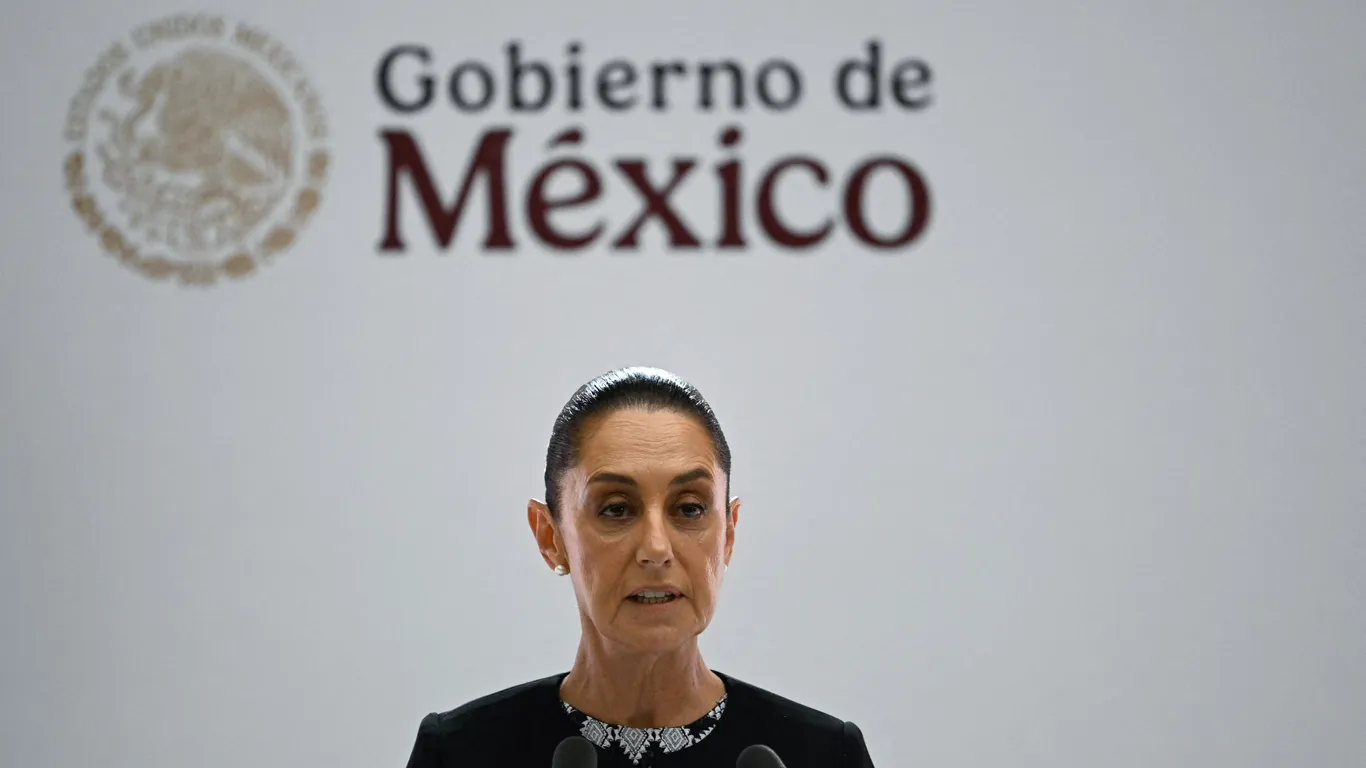
Mexican President Claudia Sheinbaum emphasized Mexico's willingness to cooperate with the U.S. on security and immigration issues without subordination, amid tensions over tariffs, drug cartel fighting, and potential military strikes, while asserting Mexico's sovereignty and highlighting shared responsibilities in trade and security agreements.
Russia's top diplomat Sergei Lavrov defended Russia's actions in Ukraine on 'Meet the Press,' criticizing Western allies and downplaying prospects for peace talks, while emphasizing Russia's stance and blaming Ukraine for setbacks in negotiations.
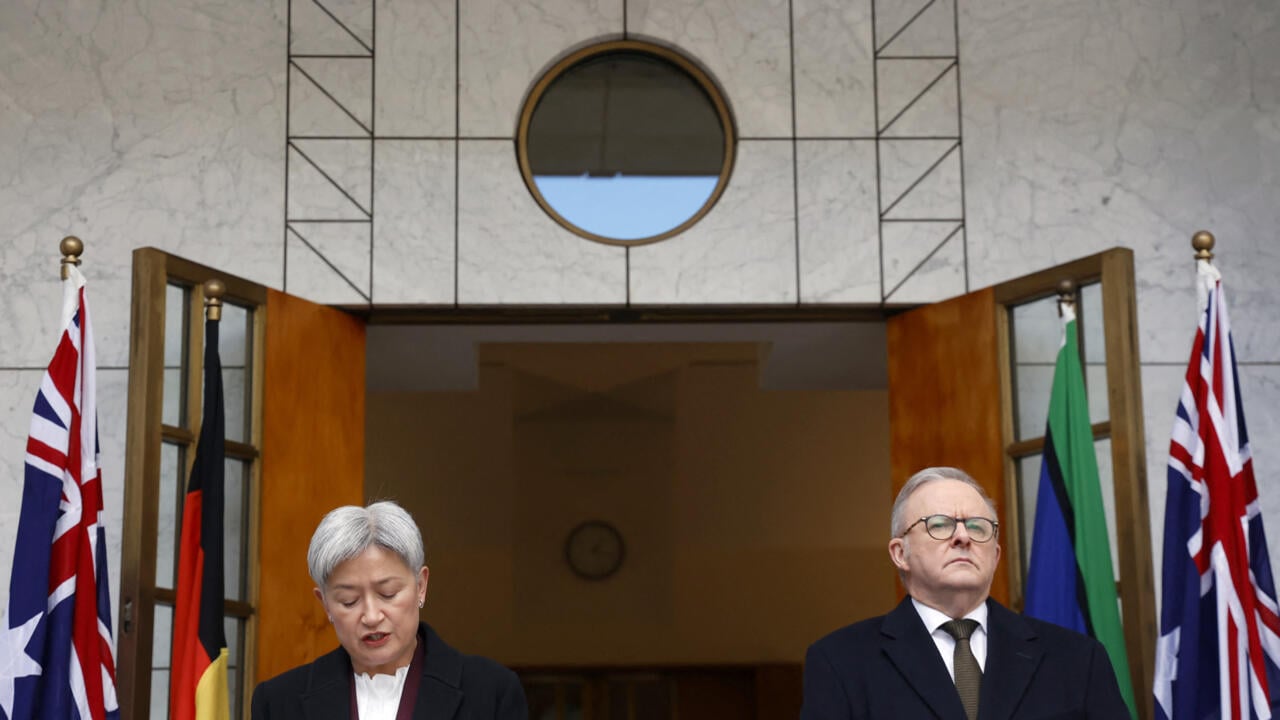
Australia plans to recognize a Palestinian state at the UN, diverging from US policy, driven by moral outrage over Gaza's humanitarian crisis and domestic political pressures, despite potential strain with the US and implications for its foreign policy stance.
The article discusses the upcoming tariff deadline set by the Trump administration, highlighting countries that have reached trade agreements with the US, such as the UK, Vietnam, Indonesia, the Philippines, Japan, the EU, South Korea, and ongoing negotiations with China, while also noting countries without deals like India, Canada, Mexico, and Australia, and the potential impact of higher tariffs on global trade.
North Korea's sister Kim Yo Jong has stated that the US must accept North Korea as a nuclear weapons state and warned that dialogue aimed at denuclearisation would be seen as a mockery, emphasizing that North Korea is open to defending its current nuclear status and that recent geopolitical changes have altered the prospects for traditional denuclearisation talks.
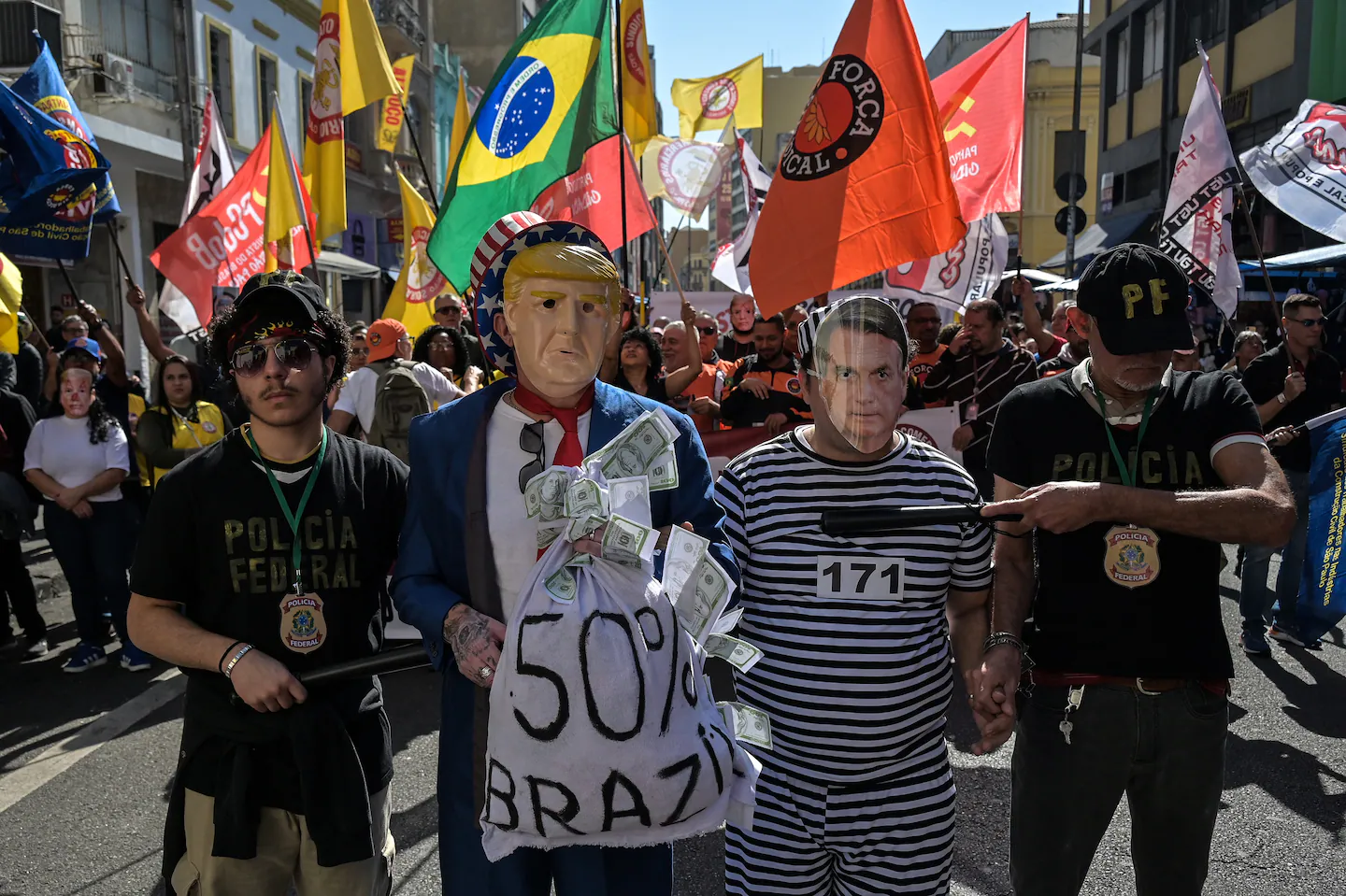
The article discusses how U.S. President Jimmy Carter's shift towards promoting human rights and ending unconditional support for Latin American dictatorships helped foster Brazil's transition to democracy, contrasting with recent U.S. President Trump's confrontational approach towards Brazil which is now backfiring.
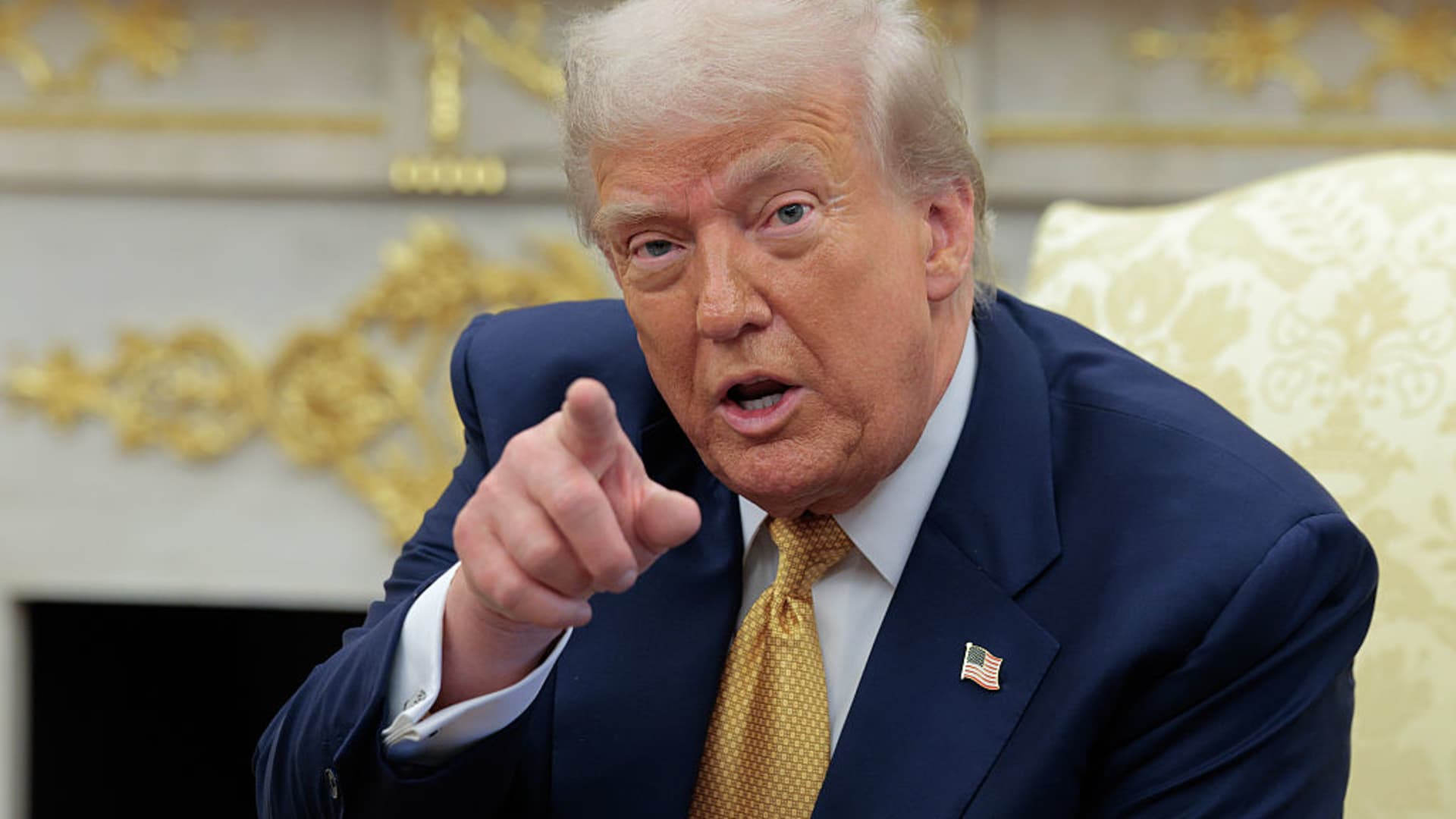
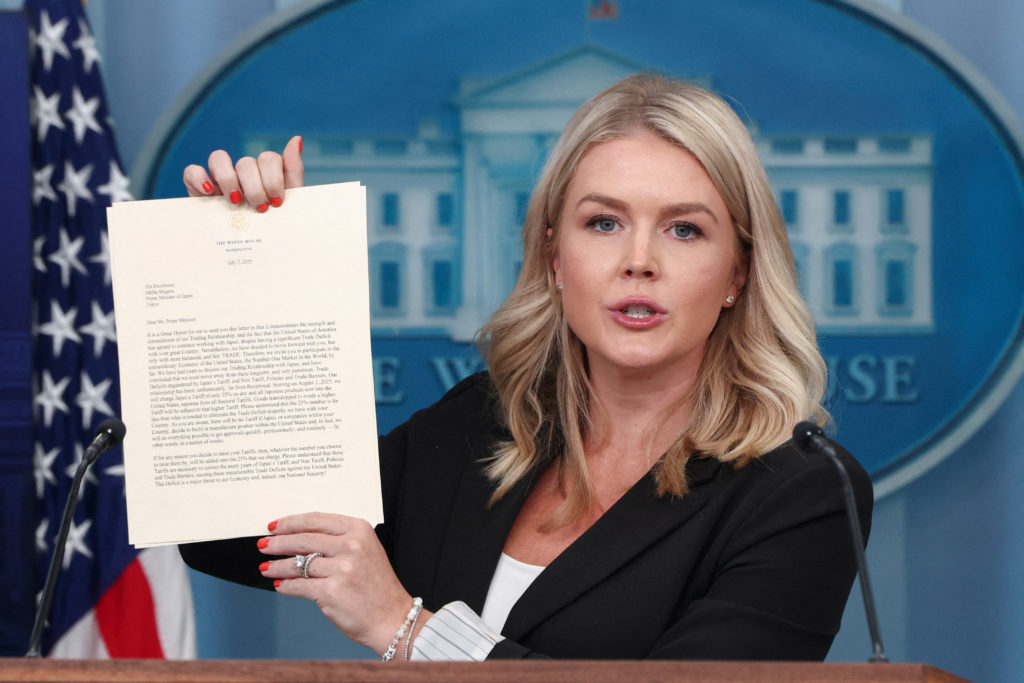
President Donald Trump sent tariff threat letters to 14 countries, warning of increased tariffs if trade deals are not negotiated by August 1, with responses ranging from negotiations to protests, affecting key exports like clothing, electronics, and natural resources.
Canada and the European Union signed a comprehensive defense partnership amid strained US relations, aiming to enhance military cooperation and reduce dependence on the United States, with Canada gaining access to EU defense programs and bolstering its defense industry.
King Charles delivered a speech at Canadian parliament emphasizing national sovereignty, praising Canada's values, and subtly criticizing US President Trump's threats to annex Canada, while highlighting the country's strong relationship with Indigenous peoples and recent efforts to redefine US-Canada relations.