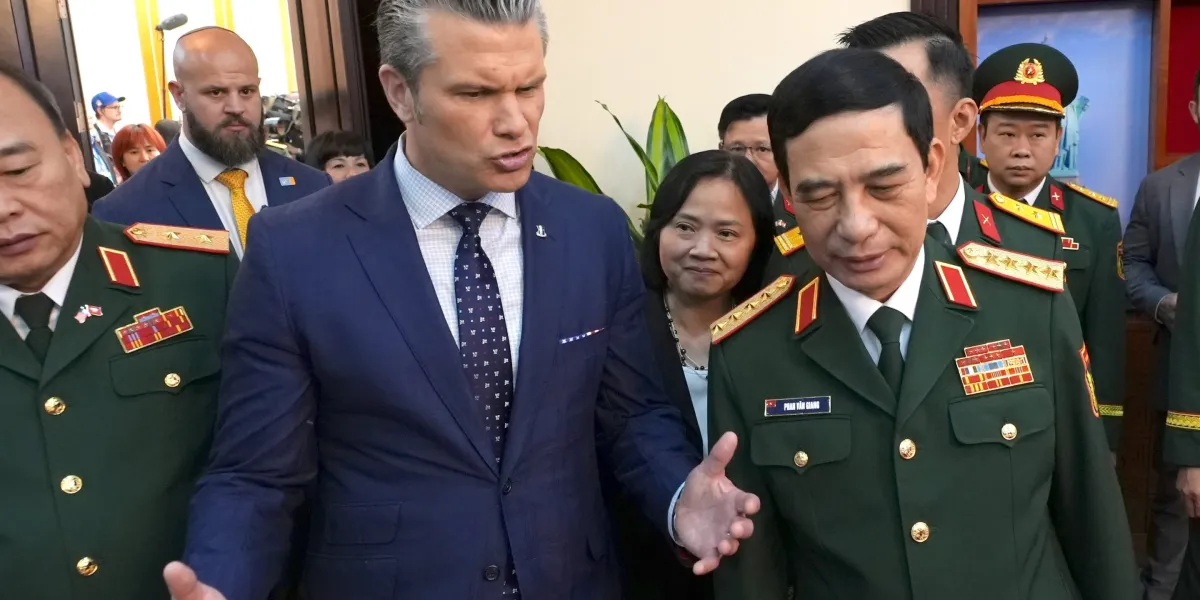
U.S. Defense Secretary Pete Hegseth visited Vietnam to reaffirm the longstanding partnership, focusing on healing war legacies by returning wartime artifacts and strengthening defense ties, amid ongoing regional geopolitical considerations.
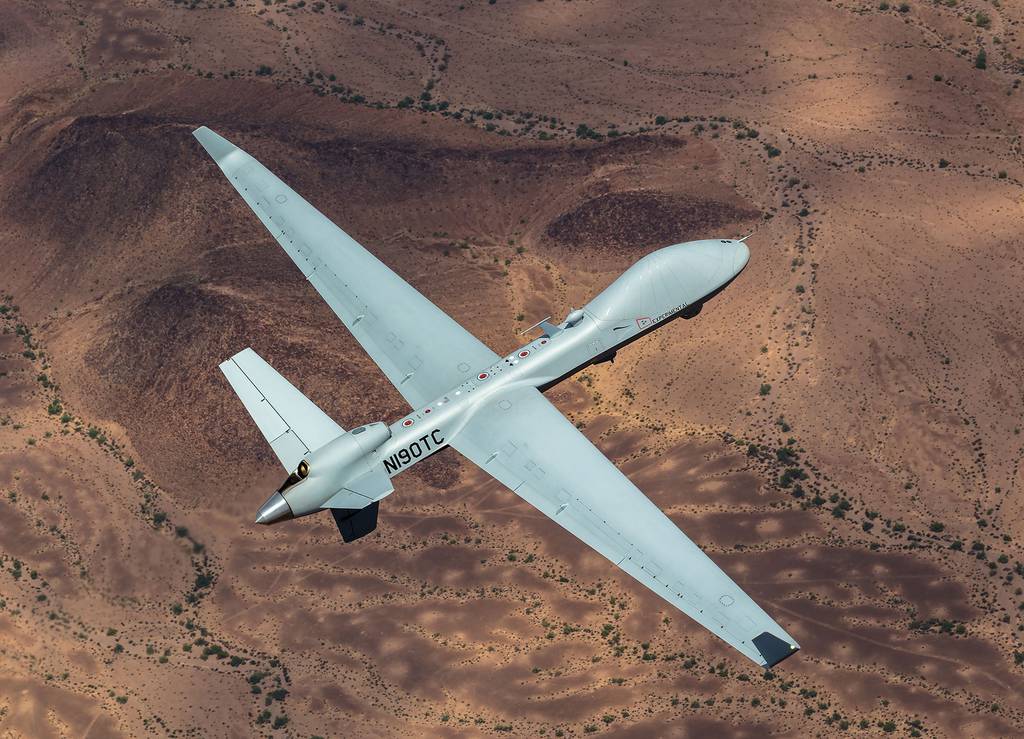
The Biden administration has approved a $4 billion drone sale to India, signaling a deepening defense partnership between the two countries as part of efforts to counter China in the Indo-Pacific region. The deal includes 31 MQ-9B SkyGuardian aircraft made by General Atomics Aeronautical Systems and is part of a broader set of agreements aimed at enhancing strategic technology cooperation and military collaboration. This move reflects the U.S. administration's efforts to strengthen ties with India while reducing its reliance on Russian arms and supporting India's development of its own defense-industrial base.
The defense ministers of the United States, Australia, and the United Kingdom met to discuss the AUKUS enhanced defense and security partnership. They emphasized the importance of modernizing and enhancing partnerships to address global security challenges and maintain stability in the Indo-Pacific region. The collaboration includes the acquisition of conventionally armed, nuclear-powered submarines, as well as deepening cooperation on advanced capabilities. The ministers reaffirmed their commitment to upholding non-proliferation standards and announced various initiatives to strengthen trilateral collaboration, including joint experiments and exercises, advancements in artificial intelligence and quantum technologies, and enhanced cyber security measures.
The United States and India released a joint statement following the Fifth Annual U.S.-India 2+2 Ministerial Dialogue, highlighting the progress in their comprehensive global strategic partnership. The ministers reaffirmed their commitment to a free, open, and inclusive Indo-Pacific, and discussed developments in regions such as the Indo-Pacific, Middle East, and Ukraine. They pledged to continue humanitarian assistance to Ukraine and expressed support for Israel against terrorism. The ministers also emphasized the deepening defense partnership, bolstering counter-terrorism cooperation, expanding science and technology partnerships, and strengthening people-to-people ties. They affirmed the importance of the Quad and expressed support for India's G20 Presidency.
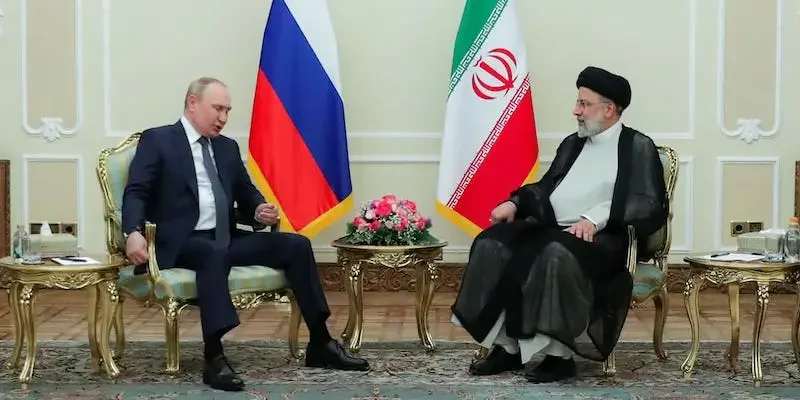
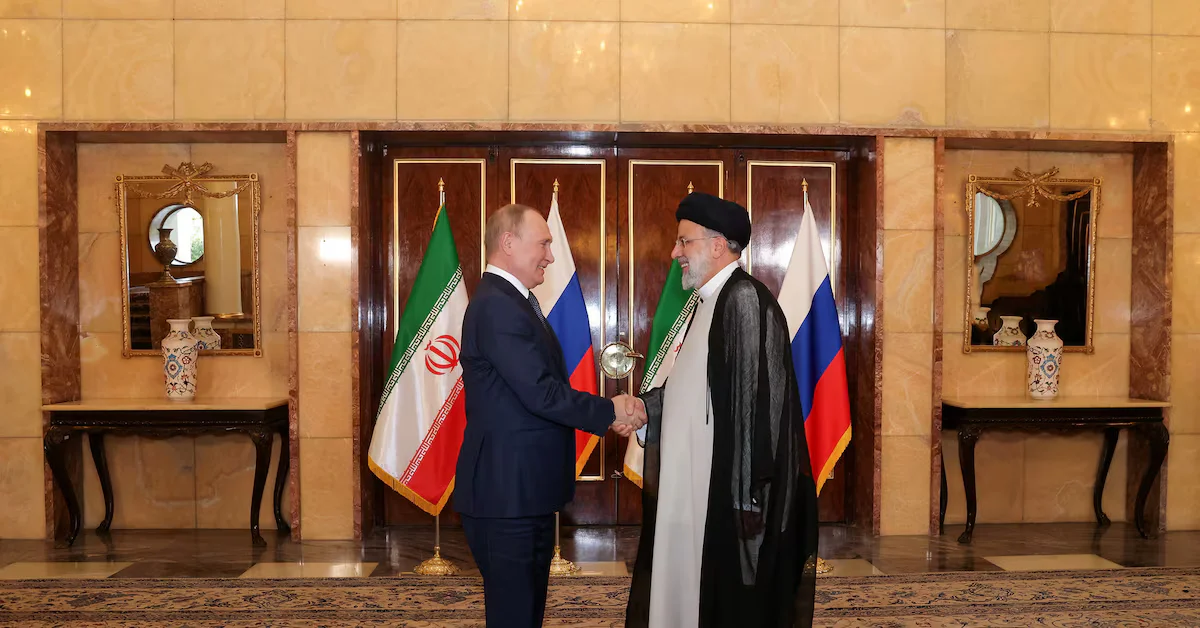
The US is concerned about the growing defense partnership between Russia and Iran, with Iran supplying arms to Russia for use in Ukraine. However, there are signs of increasing friction between the two countries, with Moscow proving to be an unreliable partner. Iran expected to receive Russian Su-35 jets and other military equipment, but there is no indication that they have received or will receive any of it in the foreseeable future. Iranian officials feel embarrassed by Russia's failure to adhere to commitments. Additionally, Moscow's support for the United Arab Emirates' claim over disputed islands in the Persian Gulf has strained relations with Iran. The head of Britain's Secret Intelligence Service suggests that Iran seeks a transactional relationship with Russia rather than a strategic defense partnership.
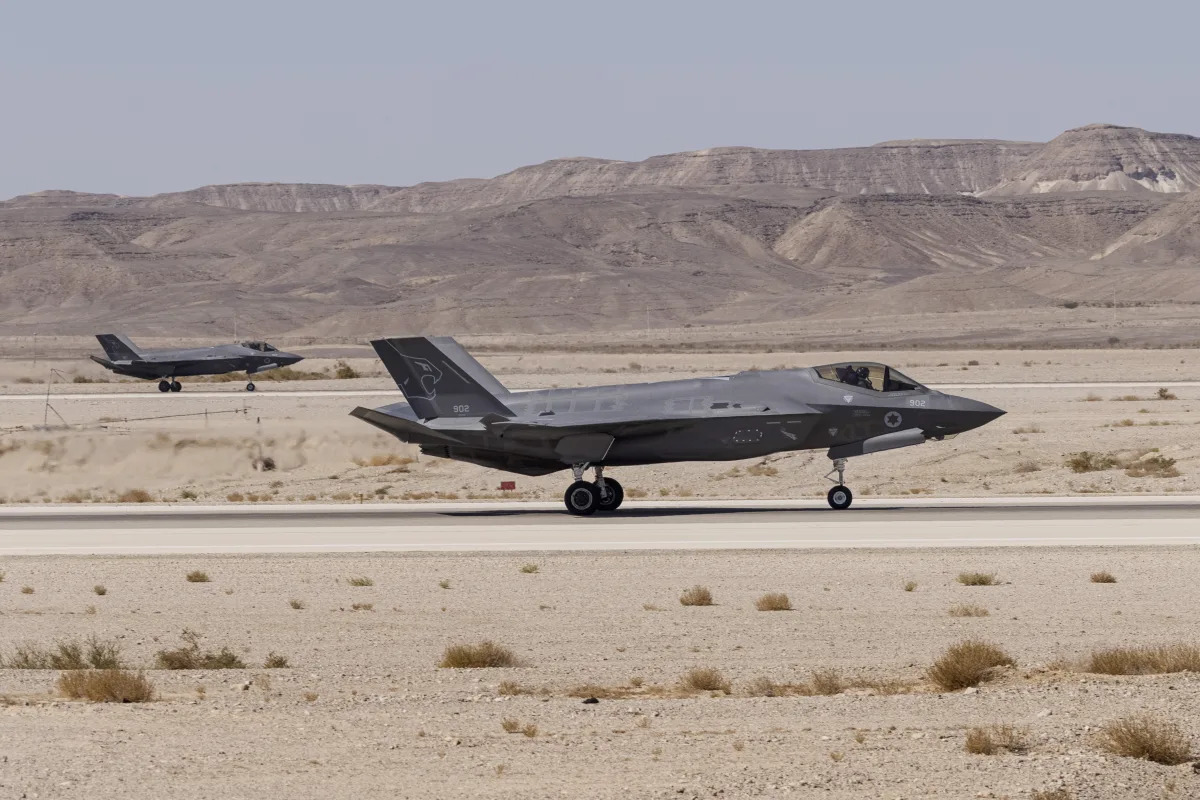
Israel has announced plans to purchase an additional 25 F-35 fighter jets from the United States, increasing its fleet by 50%. The $3 billion deal, set to be finalized in the coming months, will be financed through American military aid to Israel. The purchase highlights the deepening defense partnership between the two countries, with Israeli companies expected to be involved in the production process. The move comes amid heightened tensions between Israel and Iran, with Israel using F-35 jets in the past to shoot down Iranian drones and threatening long-range strikes on Iranian nuclear targets.
The United States has observed more indications of an expanding defense partnership between Russia and Iran, which includes Iran providing Russia with one-way attack drones. The partnership poses a threat to Iran's neighbors and allows Russia to prolong its war in Ukraine. The US plans to announce additional designations targeting increased military cooperation between the two countries.
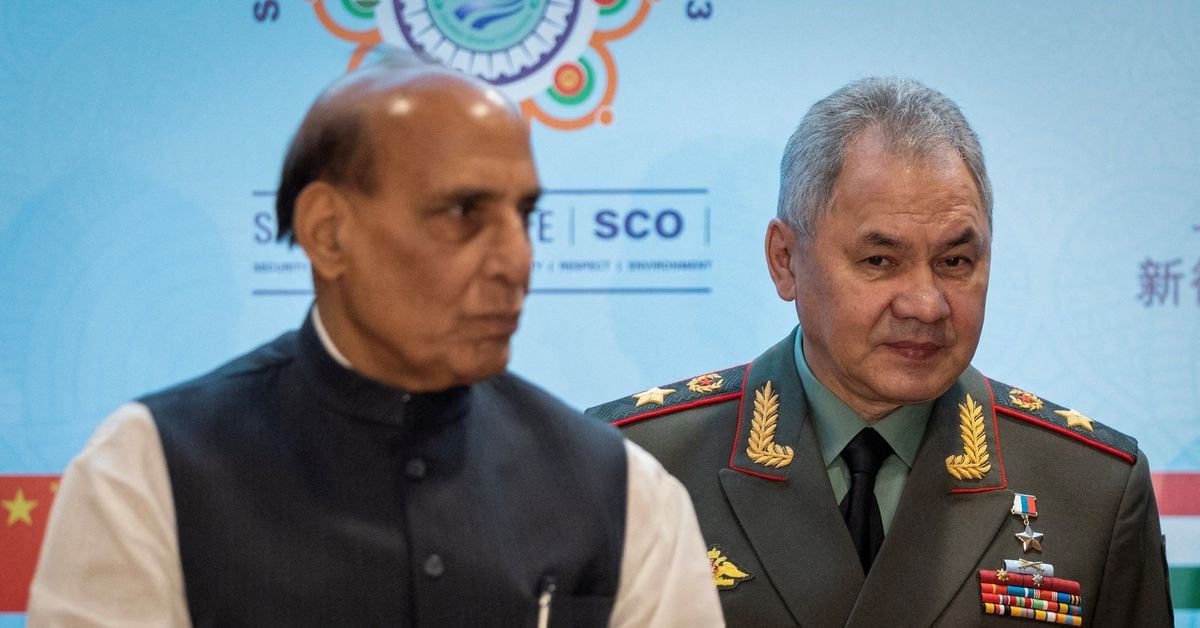
India and Russia have agreed to strengthen their defense partnership, acknowledging their unique and long-lasting relationship. India, the world's largest arms importer, depends on Russia for nearly half its military supplies, but the war in Ukraine has held up supplies of Russian spares critical for India to maintain its tank and fighter jet fleets. Despite criticism from Western leaders, India has increased its trade with Moscow to a record high, driven largely by the import of Russian oil.