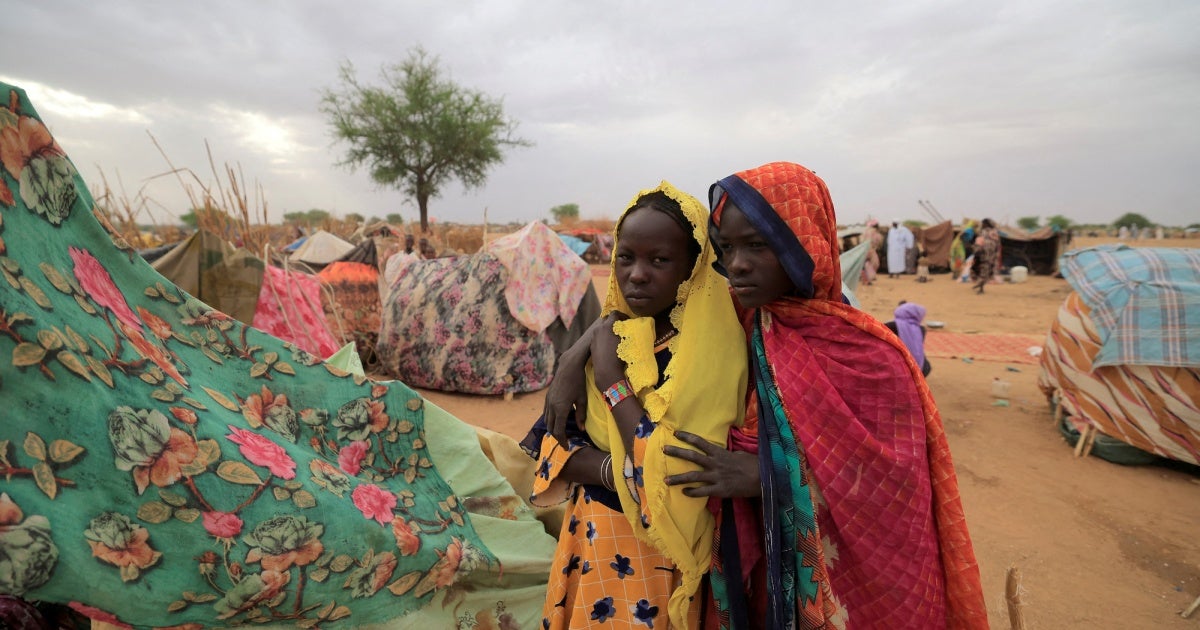
The US announced a $2 billion pledge for UN humanitarian aid amidst significant aid cuts by the Trump administration, which demands reforms to streamline UN operations and reduce costs, despite increasing global needs due to crises like famine and natural disasters.
The US announced a $2 billion pledge for UN humanitarian aid amidst significant aid cuts by the Trump administration, which aims to reform and consolidate aid delivery, focusing on efficiency and results, despite rising global needs and reduced funding from other Western donors.
Pope Leo XIV surprised rain-soaked attendees in St. Peter’s Square with a heartfelt greeting and apology for not accommodating everyone inside the basilica during his first Christmas Eve Mass, delivering a nearly two-and-a-half-hour homily that touched on the birth of Jesus and global issues.
The upcoming UN General Assembly will be overshadowed by concerns over the U.S.'s role, the Israeli-Palestinian conflict, and the organization's future, with world leaders navigating complex diplomatic tensions amid ongoing crises like Gaza, Ukraine, and Syria, while also debating reforms and leadership succession.
The human rights system is facing significant challenges in 2024, with governments showing selective outrage and engaging in transactional diplomacy that undermines the universal principles of international human rights and the rule of law. Despite ongoing human rights and humanitarian crises in various regions, there have been some positive developments, such as the adoption of a political declaration to protect civilians from the use of explosive weapons in armed conflict and advancements in the rights of marginalized communities in countries like Japan, Nepal, and Mexico. However, the lack of consistent and principled human rights leadership from governments, coupled with transactional diplomacy, continues to perpetuate human rights abuses and erode the legitimacy of the international human rights framework.
The article argues that while many proposed solutions to global crises focus on addressing specific issues such as carbon-free energy or renewable resources, they fail to address the underlying problem of ever-rising consumption. The author suggests that reducing consumption, also known as "degrowth," is necessary to achieve a steady-state economy and avoid potential collapse. However, this approach is often overlooked in favor of technological solutions that require ongoing access to capital, geopolitical stability, and plentiful resources. The article emphasizes the need to confront the root cause of the problem and consider the implications of continuous consumption on energy, resources, and the environment.