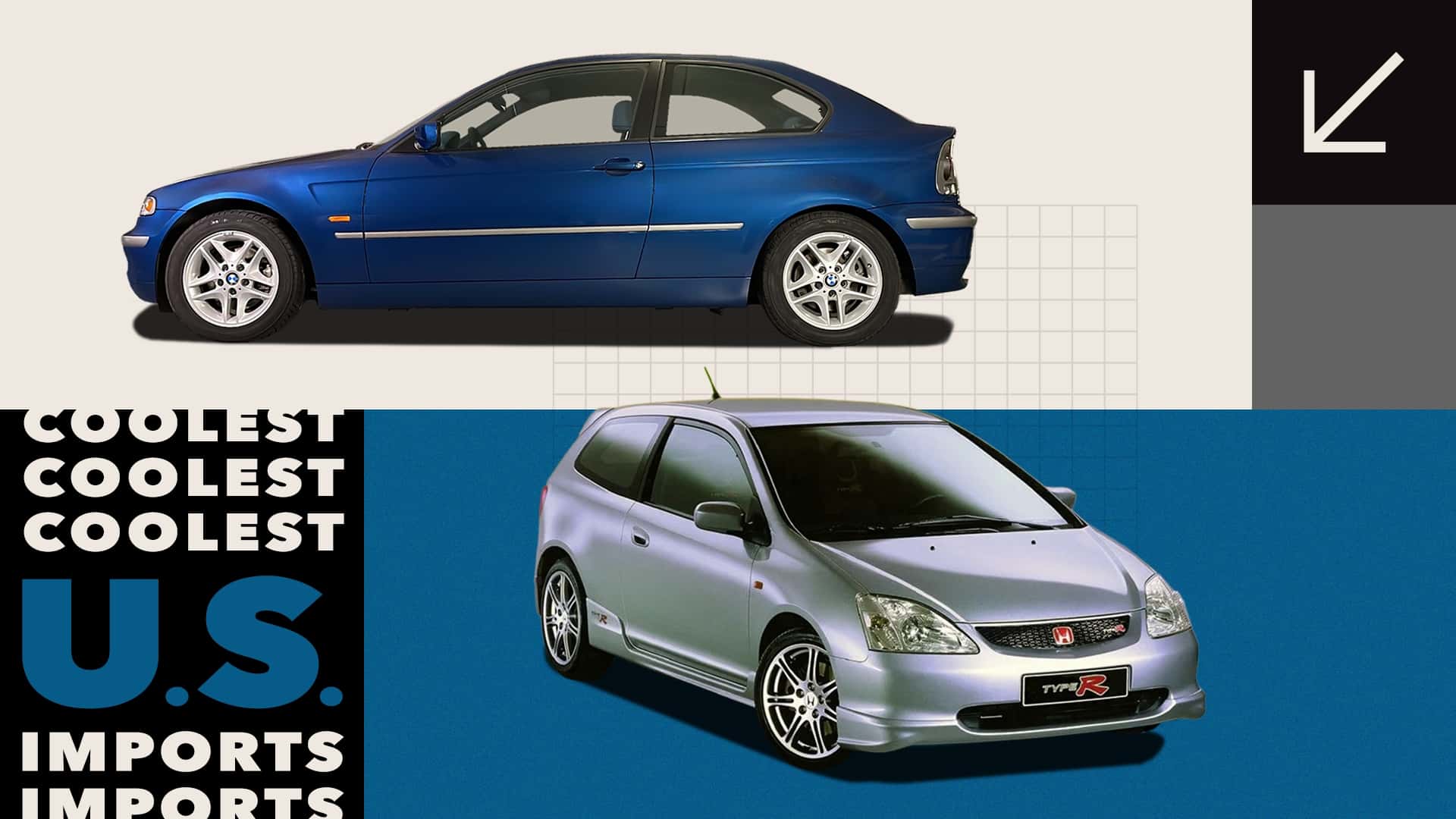
The article lists 10 interesting cars from 2001 that Americans can legally import starting in 2026 due to the 25-year rule, including models like the BMW E46 Compact, M3 GTR Strassenversion, Fiat Stilo, Honda Civic Type R, and Renault Avantime, highlighting their unique features and appeal.
The US has expanded its drone ban to include all foreign-made UAVs, effectively halting new consumer drone sales and development in the US, which could slow innovation and increase costs for aerial photography until American companies can fill the gap.
Research shows that diquat, a widely used weedkiller in the US, can damage organs and gut bacteria, and is more toxic than glyphosate, yet it remains unbanned in the US due to weak regulatory oversight, raising concerns about human health risks.
US sunscreens are considered less effective against UVA rays compared to those available in other countries due to regulatory differences, but they are still safe and effective when used properly. Experts recommend using broad-spectrum SPF 30+ sunscreens daily, especially during heatwaves, and suggest mineral sunscreens for better protection.
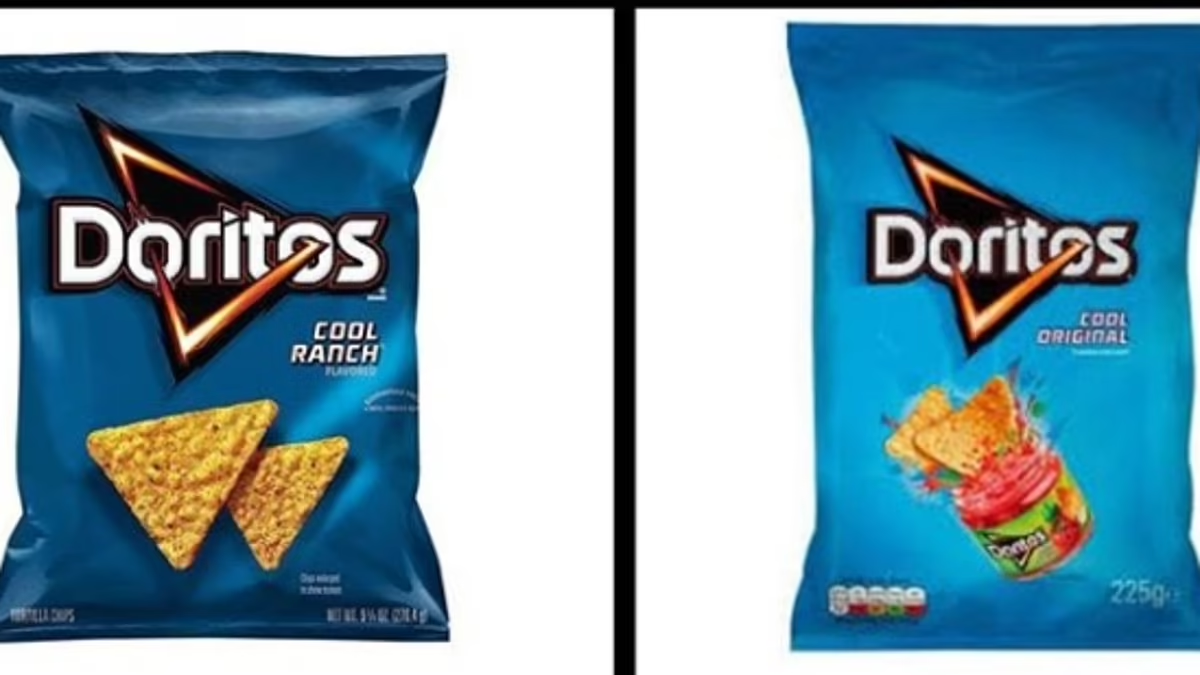
Experts are raising concerns about the high number of chemicals in American food, many of which are linked to health issues like cancer and behavioral problems. Unlike the US, European countries have stricter regulations, banning several harmful additives. American products often contain more additives than their European counterparts, with ingredients like Red 40 and potassium bromate being common in the US but banned in Europe. The FDA's GRAS system allows companies to self-report ingredient safety, leading to less regulatory oversight. Health advocates are pushing for stricter regulations to protect consumers.
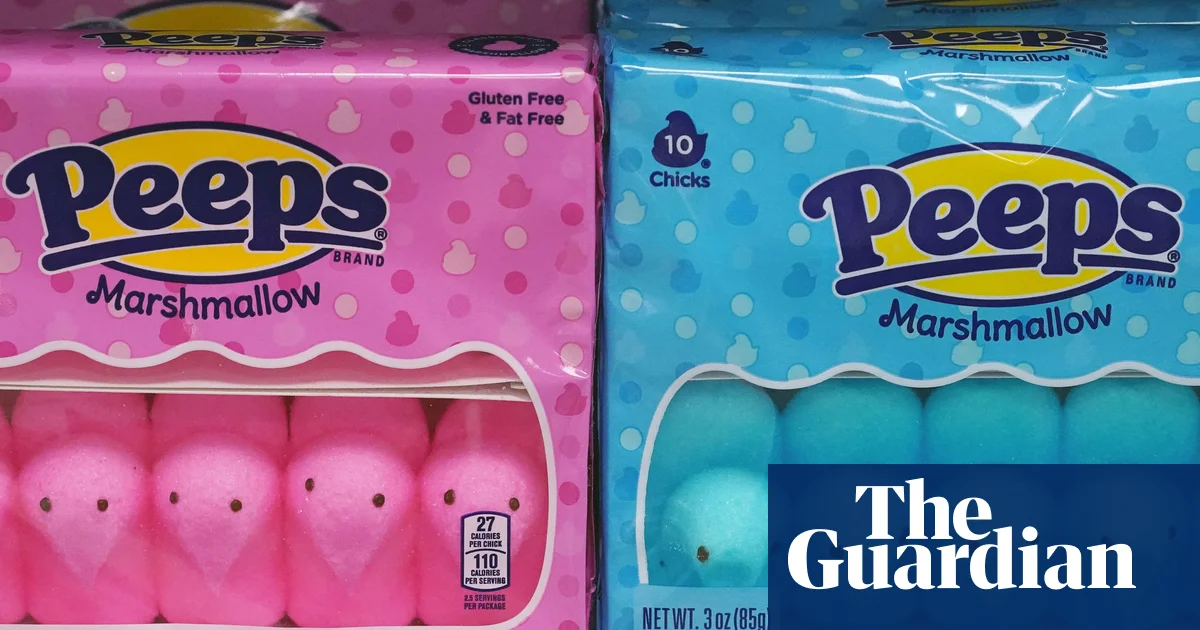
The US Food and Drug Administration (FDA) is considering banning red dye 3, a petroleum-derived additive used in thousands of food products, due to health concerns, particularly its carcinogenic effects in animals and potential behavioral impacts on children. Despite being banned in cosmetics since 1990 and in some states like California, red dye 3 remains prevalent in American foods. The FDA faces increasing pressure to align with stricter regulations seen in the European Union and address public health concerns.
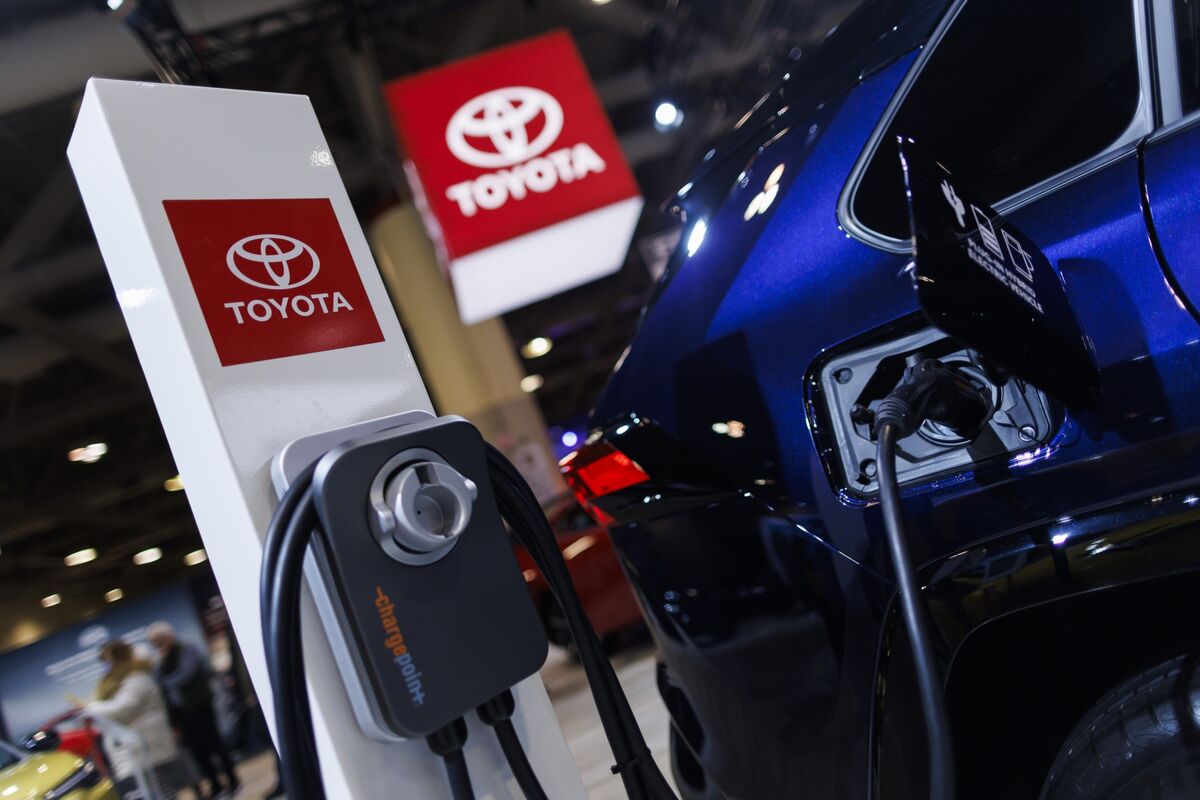
Toyota's North American COO, Jack Hollis, criticized US policies promoting rapid electric vehicle adoption, describing them as "de facto mandates" that don't align with consumer demand. Hollis argues that EV sales should increase naturally without penalizing gas-powered vehicles, highlighting the contentious nature of government support for EVs in the US presidential election.
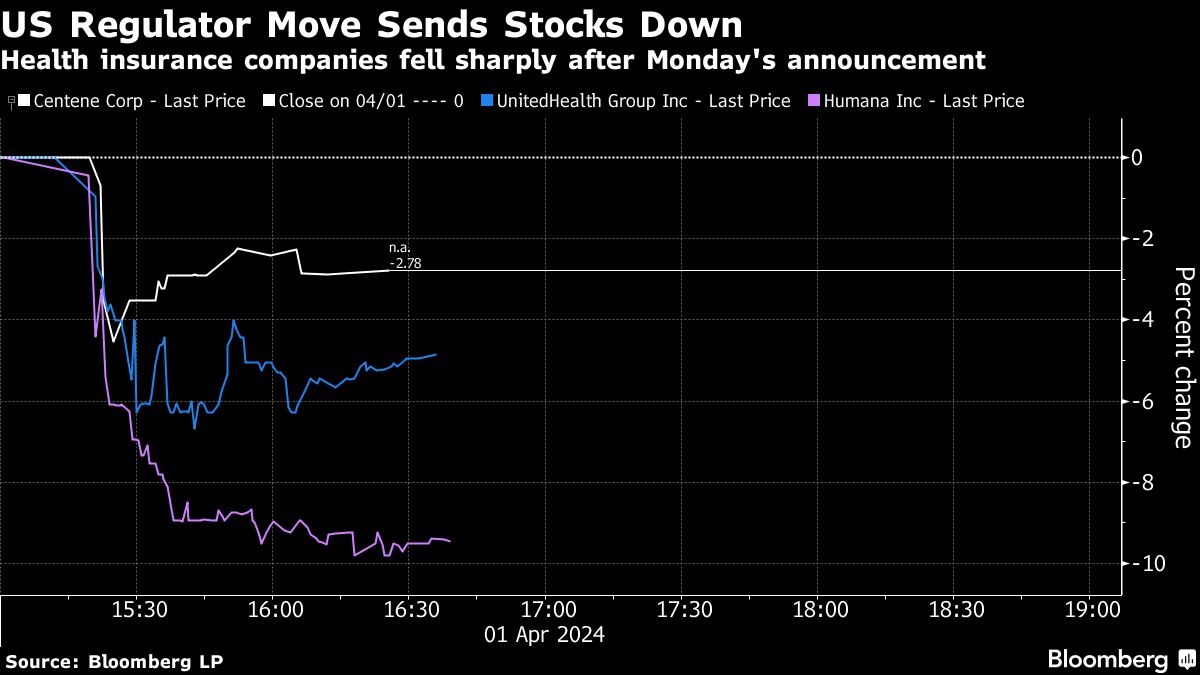
Health insurance stocks tumbled as US regulators decided not to increase payments for private Medicare plans, breaking from recent practice and surprising Wall Street. The decision signals another hurdle for insurers already facing faster-than-expected increases in medical costs. The announcement, which will result in a 0.16% decline in payments after excluding an estimate of how plans code for patient illnesses, is expected to put more pressure on health insurance plans. This move by the Biden administration reflects a tightening of payment policies and efforts to claw back past overpayments, impacting the industry's growth and profits.
Startups in the space industry are calling for streamlined US regulations to keep pace with industry progress, emphasizing the need for modernized satellite licensing rules and support for nascent space businesses. Executives from Orbit Fab and True Anomaly highlighted the importance of enabling collaboration with international partners and the need for a speedy licensing regime to address emerging space threats. The Federal Communications Commission has released a draft Notice of Proposed Rulemaking to set up a licensing framework for in-space servicing, assembly, and manufacturing activities.
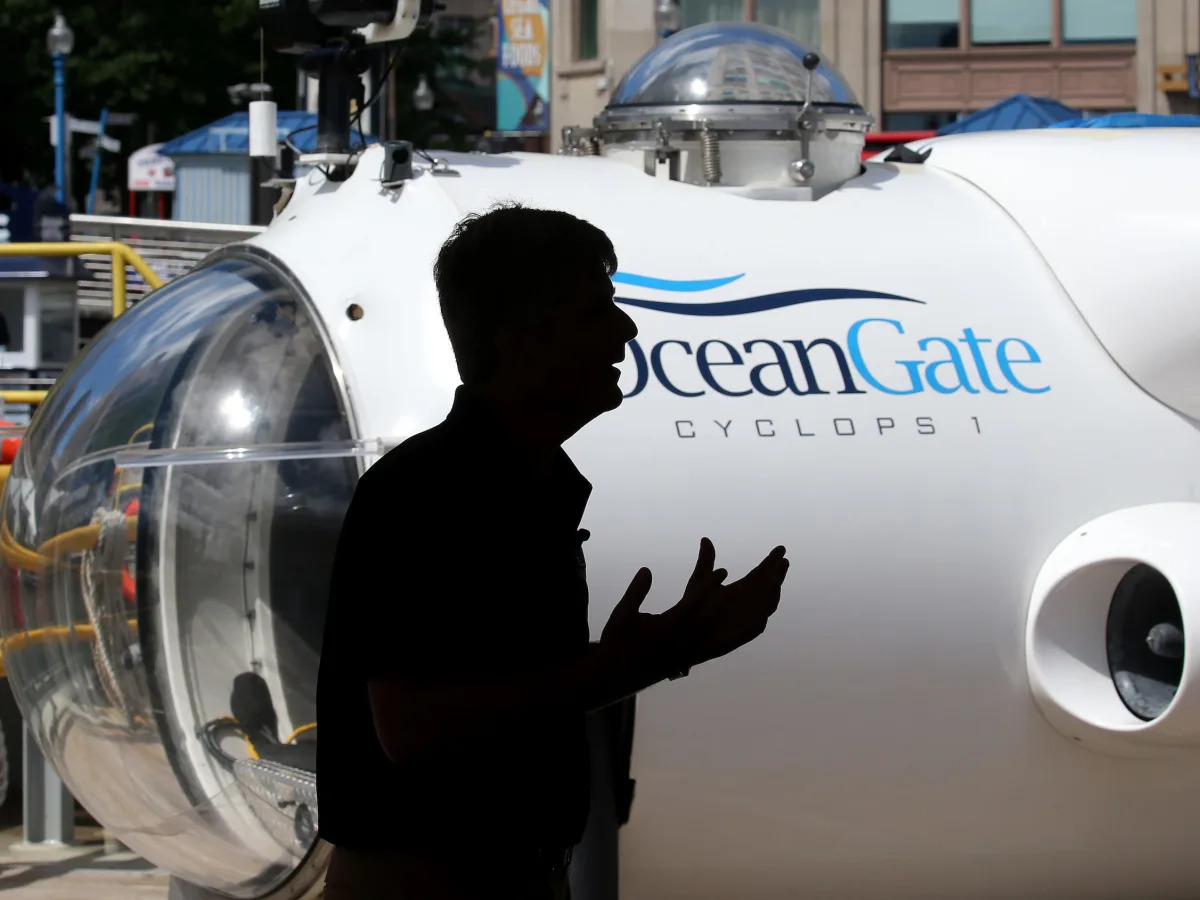
A former employee of OceanGate, the submersible company whose vessel imploded on a trip to see the Titanic, has claimed that the company deliberately structured its operations to evade US regulations, according to The New Yorker. The employee stated that OceanGate CEO Stockton Rush strategically structured everything to be outside US jurisdiction for its Titanic pursuits. The vessel, named Titan, imploded on June 18, killing all five people on board. Questions have been raised about why the Titan was not inspected for safety by independent watchdogs and regulators, with experts noting that because the vessel operated in international waters, it did not fall under US laws governing passenger safety.
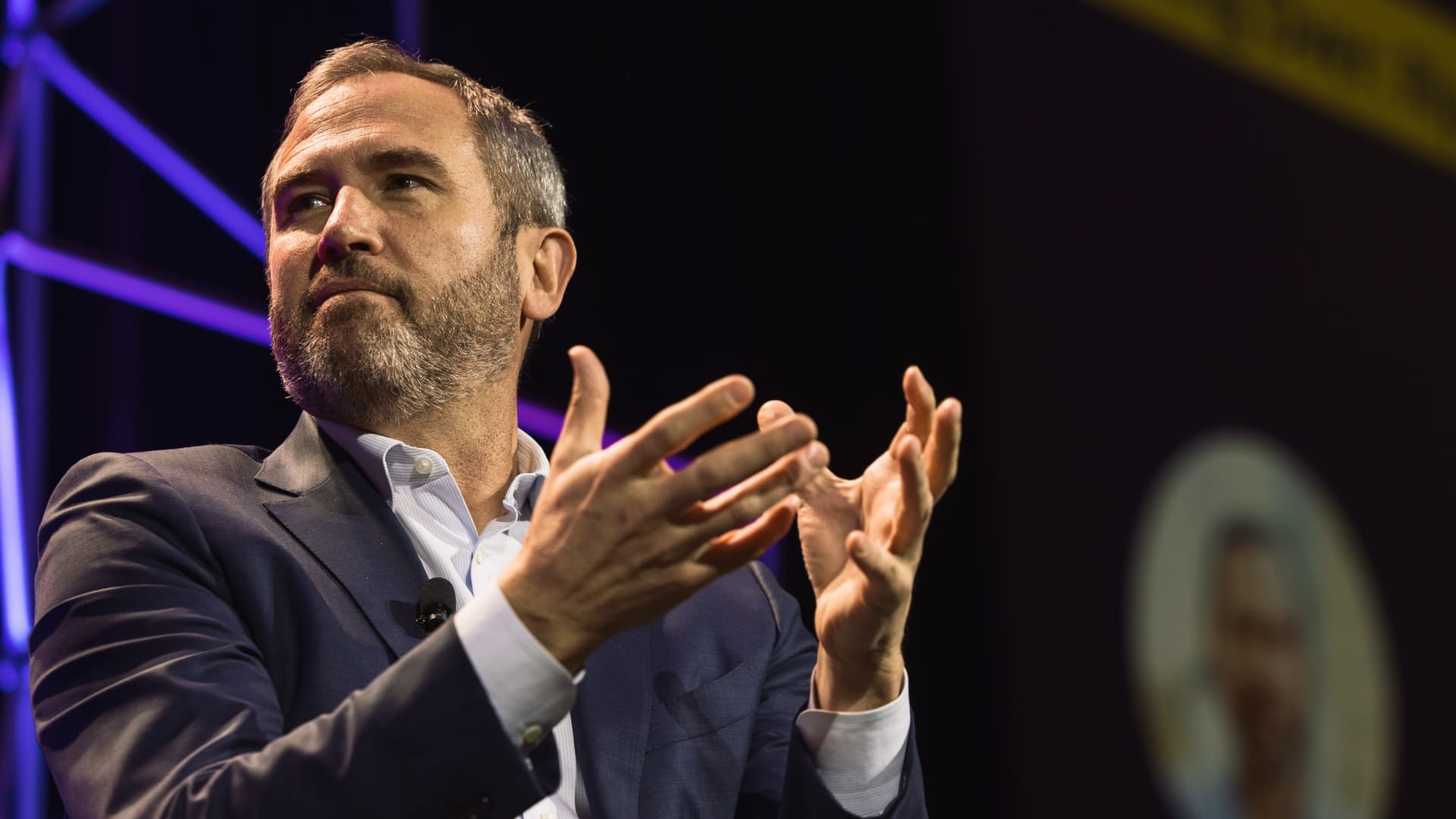
Ripple CEO Brad Garlinghouse has said that "confusing" regulations in the U.S. will push more crypto companies to leave the country. He added that Europe and countries like the UAE, the U.K., and Singapore are providing clarity on how they will regulate digital assets, which is attracting entrepreneurship and investment. Garlinghouse said that Ripple is in a good financial position and funded the purchase of Swiss crypto custody services firm Metaco with $250 million of cash off its own balance sheet.
Coinbase is reportedly planning to set up a crypto trading platform outside the US, where it is currently headquartered, to service global clients. The move comes amid increased scrutiny from US regulators on certain crypto companies, including Kraken. Coinbase has discussed the non-US platform with some of its institutional clients, but the location has not yet been confirmed.