Starting in 2026, Medicare Advantage plans will no longer cover certain items due to new CMS restrictions, marking a change from the expanded coverage seen in 2018.
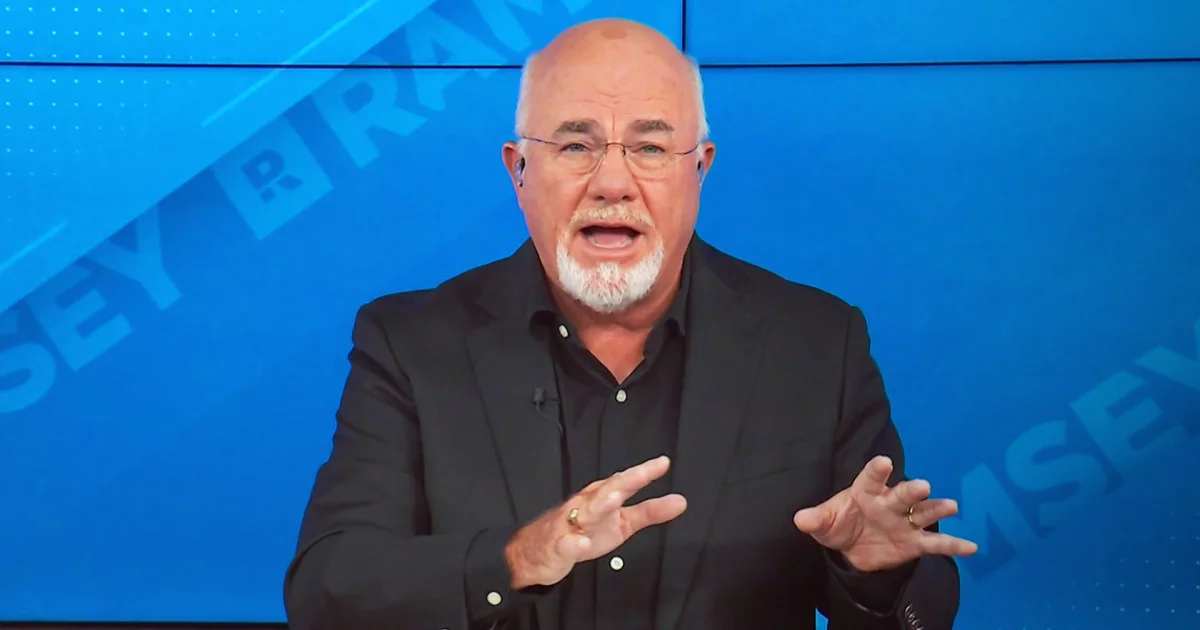
Dave Ramsey emphasizes that the Medicare Annual Enrollment Period (AEP) is for current beneficiaries to modify their coverage, not for first-time enrollees, who should sign up at age 65. He explains the differences between Original Medicare and Medicare Advantage, and highlights upcoming changes in 2026, including a cap on out-of-pocket drug costs at $2,100.
UnitedHealth Group's stock rose over 4% after a better-than-expected quarterly earnings report, driven by improved medical loss ratios and cautious optimism about future growth, despite industry challenges like rising medical costs and regulatory changes.
The 2026 Medicare Advantage star ratings remained stable overall, with some insurers like Elevance and Centene improving, while others like Humana and Aetna saw declines. Clover Health experienced a significant drop below 4 stars, potentially impacting its earnings. The ratings influence insurer revenues and strategies, with some plans adjusting their offerings to maintain or improve their scores amid regulatory and market pressures.
Major health insurers are reducing their Medicare Advantage plans due to financial pressures, leading to fewer choices and potential disruptions for millions of older Americans, especially in rural areas, as insurers reassess their market presence amid rising costs and regulatory changes.
Medicare Advantage enrollment is expected to slightly decline in 2026, dropping from 34.9 million to 34 million, and its market share may decrease from 50% to 48%, due to rising costs and changing plan benefits, leading some seniors to opt for original Medicare instead. Despite this, experts believe the market will remain stable or grow in the long term, with continued access and slight plan reductions.
Medicare's open enrollment begins October 15, emphasizing the importance of understanding coverage options, reviewing plans annually, and seeking trusted advice to avoid costly mistakes, especially with complex choices like Medigap and Medicare Advantage plans.
Major U.S. health insurers CVS Health, Humana, and UnitedHealth are reducing their Medicare Advantage offerings in 2026 due to decreased government reimbursements and rising healthcare costs, leading to plan cuts across numerous counties and states, affecting hundreds of thousands of beneficiaries.
UnitedHealth announced it will discontinue over 100 Medicare Advantage plans starting in 2026, impacting many beneficiaries and signaling strategic changes in their healthcare offerings.
Nearly all Medicare Advantage plans in Vermont will be discontinued in 2026, leaving thousands of seniors with limited options and potential financial challenges, as major providers like UnitedHealthcare and Vermont Blue Advantage withdraw from the market due to profitability issues and regulatory challenges.
Medicare Advantage enrollment is expected to decline in 2026 due to insurers cutting unprofitable plans and raising premiums, with market stability anticipated despite the shrinkage, as insurers focus on profitability amid higher costs and regulatory pressures.
Investors are reacting to emerging details about Medicare quality ratings for 2026, which significantly impact insurer profits through bonus payments. Major swings in healthcare stocks like Humana and UnitedHealth reflect concerns over the new rating system, with some companies expecting tougher evaluation criteria that could affect their earnings and bonus payouts.
Humana's shares fell significantly after reports indicated that the criteria for earning Medicare bonus payments are becoming more difficult, potentially impacting the company's revenue from Medicare Advantage plans.
UnitedHealth Group's stock rose after the company announced it is performing as expected and that its Medicare Advantage quality ratings are in line with expectations, alleviating investor concerns despite its year-long decline and past management issues.
UnitedHealth expects about 78% of its members to be enrolled in top-rated Medicare plans in 2026, which aligns with its expectations and could lead to higher government payments, positively impacting its revenue. The forecast is ahead of upcoming CMS star ratings that influence plan choices and reimbursements, with the company reaffirming its 2025 profit outlook amidst industry pressures.