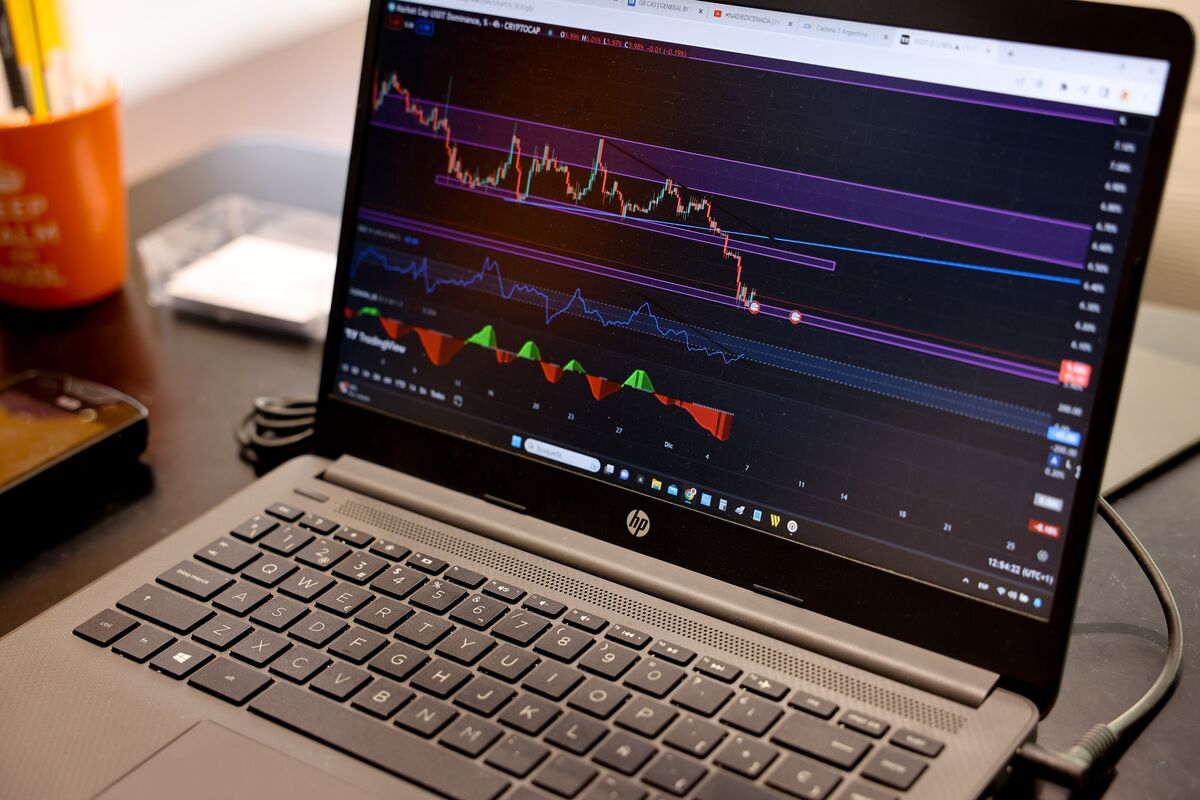
The crypto market is experiencing a significant downturn, with major promoters and digital-asset treasury firms facing losses as Bitcoin and other tokens decline in value, leading to a reevaluation of the crypto treasury model and its reliance on confidence and market sentiment.
Bitcoin (BTC) slid to $26,500 as interest rates and the U.S. dollar surged, while equities declined. The Federal Reserve's hawkish stance on keeping financial conditions tight and interest rates high for longer put pressure on crypto firms. The equity sell-off could drag BTC prices lower, according to QCP Capital. Higher rates also increase refinancing costs for crypto firms, making borrowing and refinancing a challenge.
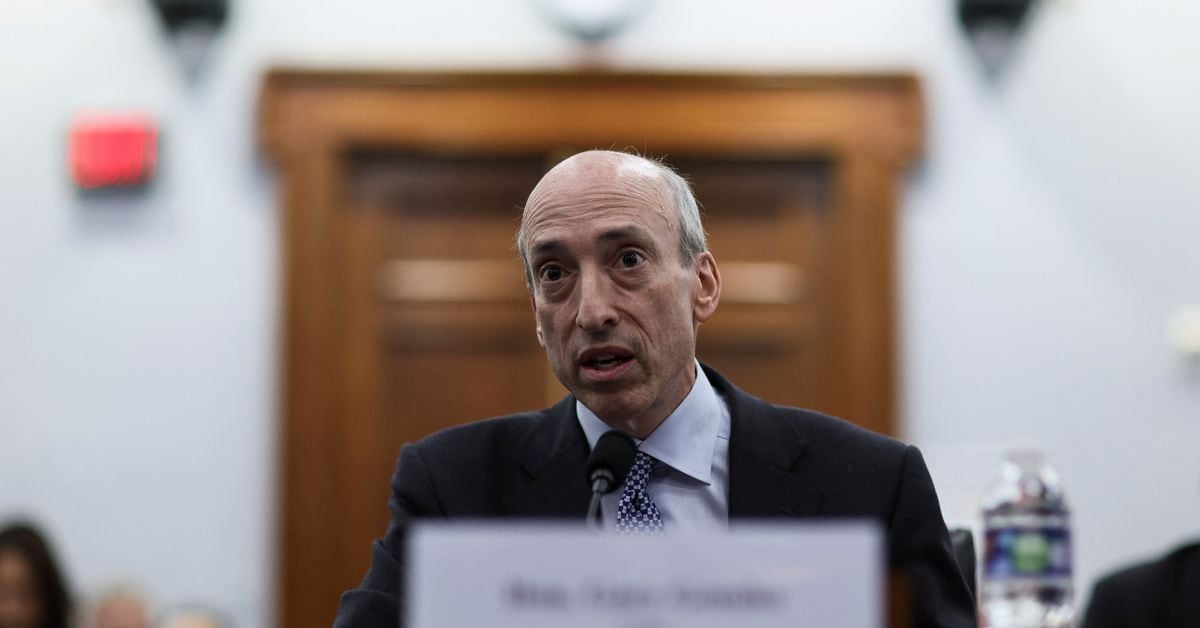
Hester Pierce, commissioner of the SEC, has criticized the watchdog's recent warning to accounting firms about taking on non-audit work for crypto firms. Pierce argues that discouraging good-faith efforts to provide transparency may hinder the crypto industry's progress. The SEC's chief accountant, Paul Munter, believes that partial engagements could lead to selective disclosure and misleading statements. He suggests that accounting firms should consider making public statements or reporting clients to the SEC if they make misleading claims about non-audit work. However, auditing and accounting ethics professor Mike Shaub points out the challenge of making public statements due to confidentiality obligations.
The G20's Financial Stability Board (FSB) has published final recommendations for supervising firms that trade cryptocurrencies, emphasizing the need for basic safeguards to prevent financial instability. The FSB's guidelines focus on robust governance, risk management, and disclosures to ensure customer funds are segregated from company cash. The collapse of FTX exchange in November 2022 highlighted vulnerabilities in the crypto sector, prompting the FSB to urge all countries, including non-members, to apply the recommendations. FSB Secretary General John Schindler emphasized that crypto firms can no longer operate outside the regulatory perimeter, as the framework provides clarity on the standards that should apply. The FSB's global baseline standards are expected to be complemented by additional measures from global banking and securities watchdogs.

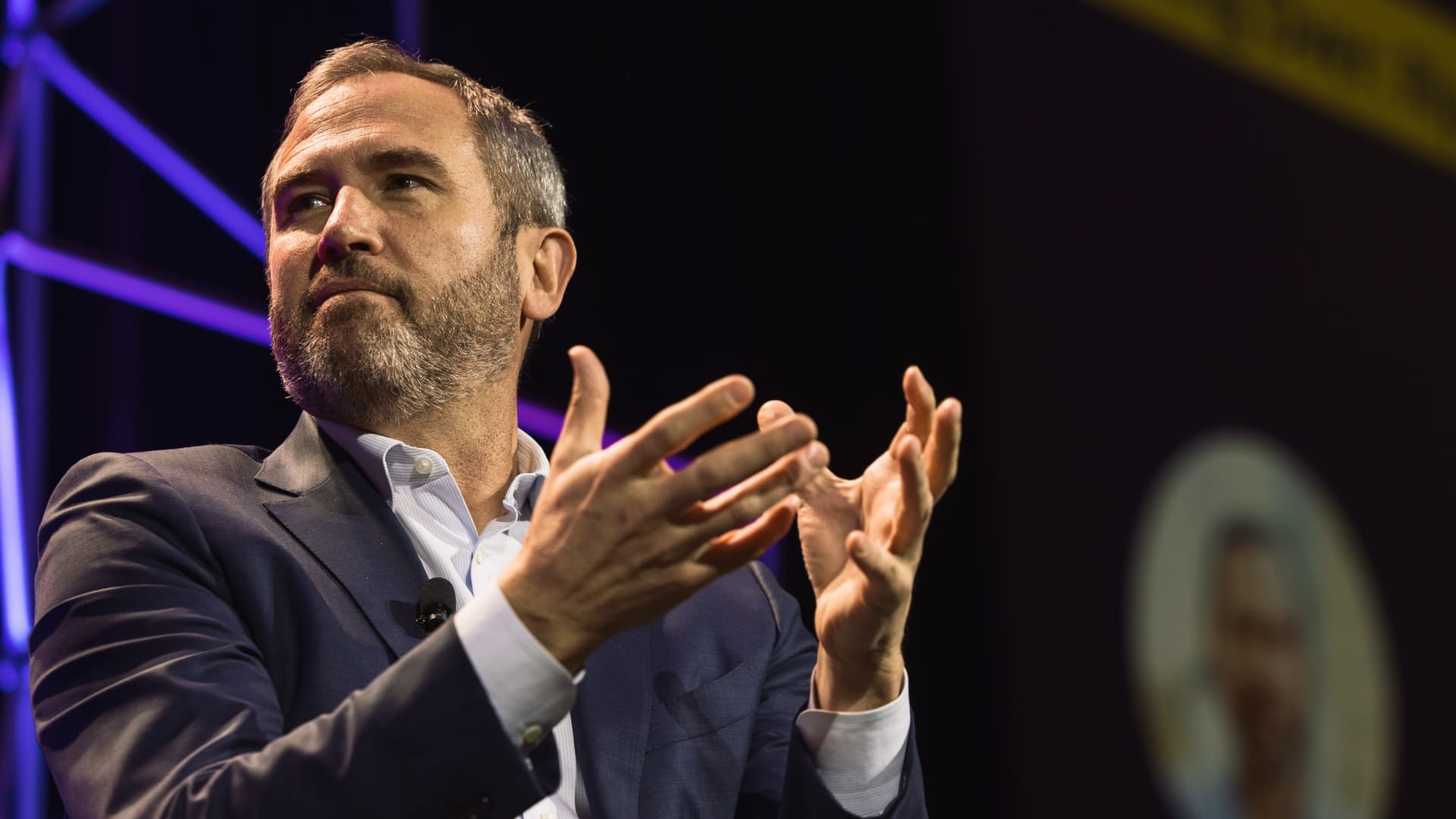
Ripple CEO Brad Garlinghouse has said that "confusing" regulations in the U.S. will push more crypto companies to leave the country. He added that Europe and countries like the UAE, the U.K., and Singapore are providing clarity on how they will regulate digital assets, which is attracting entrepreneurship and investment. Garlinghouse said that Ripple is in a good financial position and funded the purchase of Swiss crypto custody services firm Metaco with $250 million of cash off its own balance sheet.
The US SEC has voted 3-2 to seek public comment on its proposal to expand the definition of an "exchange" to include decentralized cryptocurrency platforms, also known as DeFi platforms. The proposal, first introduced in January 2022, aims to capture many more venues for regulation beyond traditional exchanges. While some DeFi platforms may fall under the proposed definition, others may already be considered exchanges by the existing one. The move has raised additional questions for the sector, with many in the industry calling for regulatory clarity.
Crypto companies are frustrated with the lack of clear regulations from the US government and the Securities and Exchange Commission's (SEC) aggressive actions against digital currency firms. The SEC has stepped up enforcement action against companies since the collapse of crypto exchange FTX last year. The SEC is currently in legal disputes with a number of other companies including Ripple, Genesis, and Gemini. Many in the crypto industry feel that applying existing regulations to the crypto industry is not the right path to take. Executives have warned that the lack of clear regulation in the US could see it fall behind other countries and jurisdictions.
With major crypto-supportive banks in the US failing, crypto firms are turning to Swiss banks for financial support. Crypto-focused banks in Switzerland are reporting an increase in traffic from American clients, with SEBA Bank experiencing a "pronounced uptick." Arab Bank has also seen an increase in interest from crypto venture capital businesses since early March. However, regulatory issues around onboarding US clients ultimately restrict the bank to absorbing an estimated one or two more firms at most. Some industry leaders suspect that the sudden lack of major crypto banks in the US is a deliberate government attempt to drive the industry from its borders.