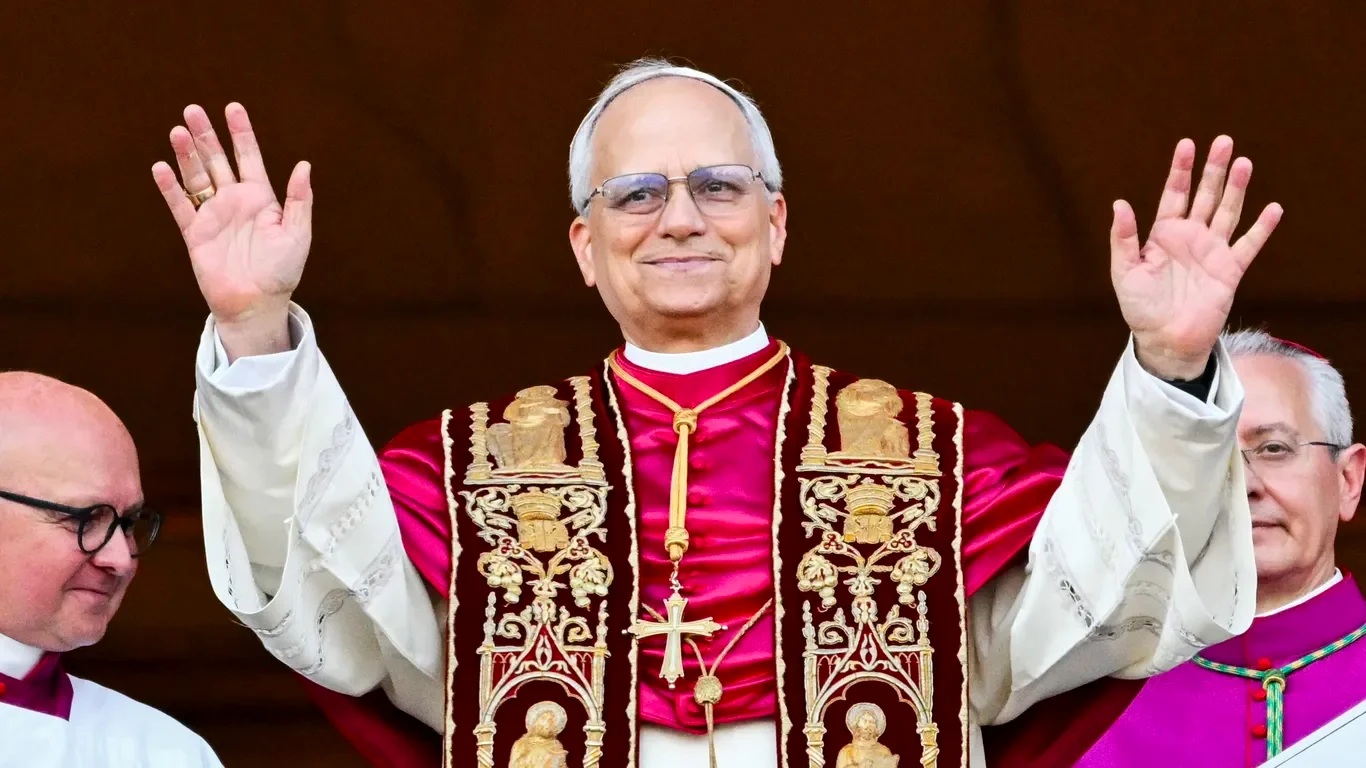
Pope Leo XIV has issued indirect critiques of President Trump's foreign and immigration policies, condemning 'zeal for war,' urging peaceful solutions in Venezuela, warning against U.S.-Europe alliance tensions, and advocating for humane treatment of immigrants, reflecting ongoing tensions between the Vatican and the Trump administration.
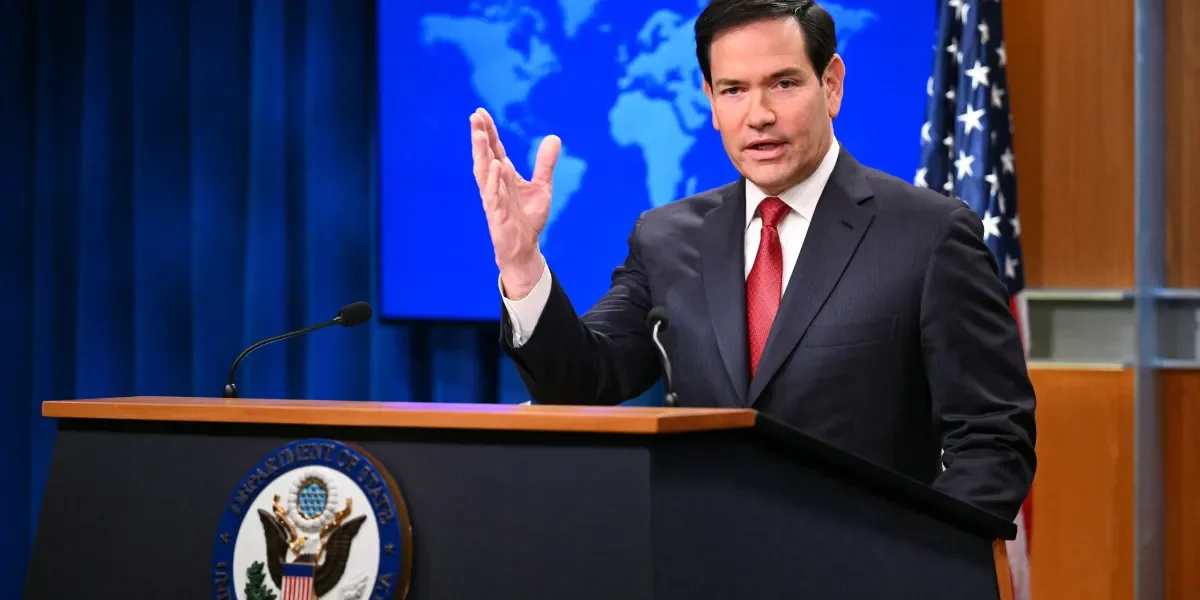
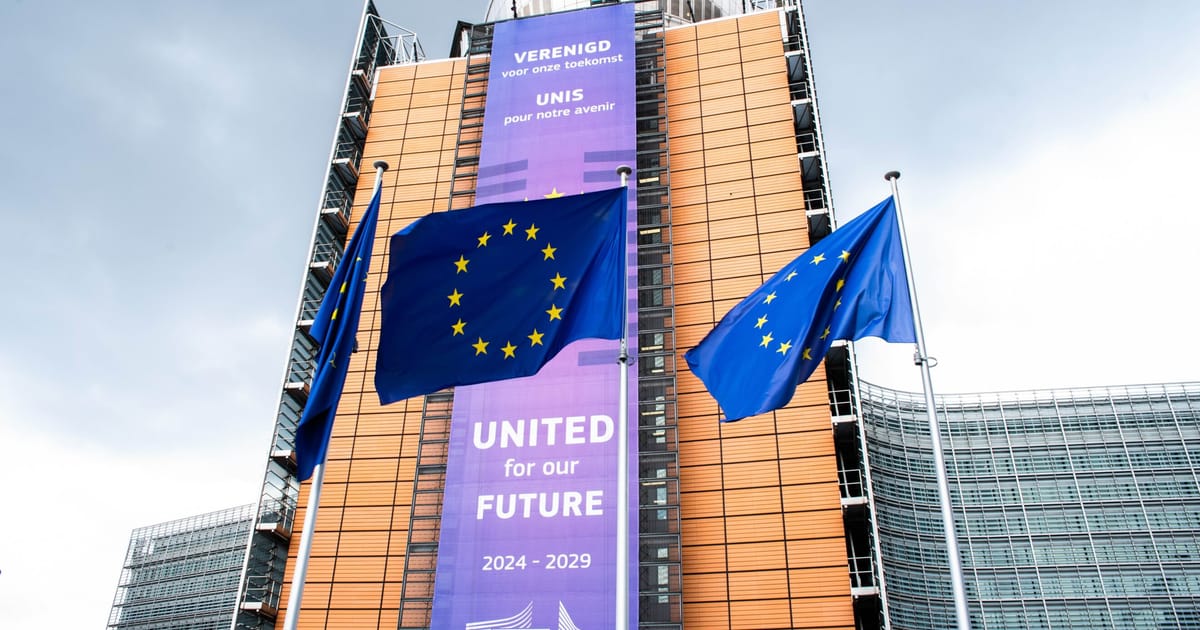
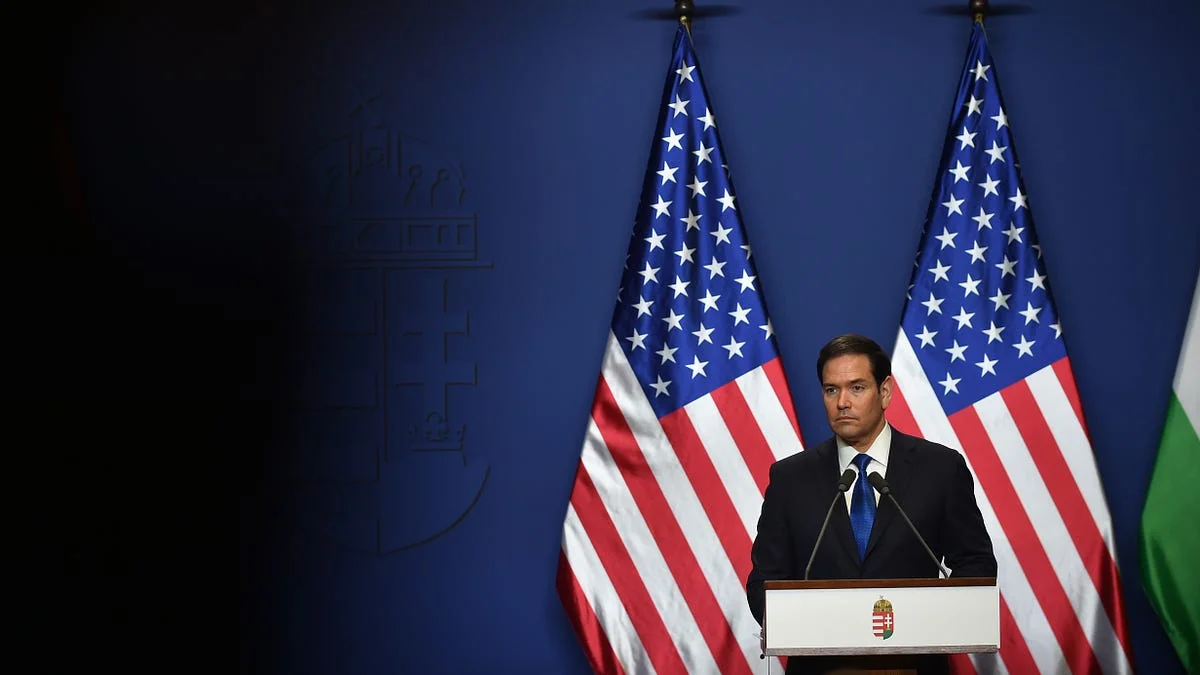
The US has reaffirmed its criticism of Europe, framing its recent national security strategy as a warning rather than an insult, citing concerns over Europe's economic decline and advocating for reforms to reduce regulation and boost growth, amidst ongoing trade tensions and efforts to strengthen the transatlantic alliance.
European investors are optimistic about growth in 2026, driven by global recovery hopes and German fiscal stimulus, but geopolitical tensions, especially around Ukraine and US-Europe relations, pose significant risks. A potential peace deal may not substantially boost long-term growth and could introduce political instability, with US opposition to European integration and energy dependencies complicating Europe's path forward.
The Trump administration has imposed visa bans on European officials and organizations involved in enforcing the EU's Digital Services Act, citing concerns over extraterritorial censorship, which has sparked diplomatic tensions and accusations of repression and threats to European digital sovereignty.
EU leaders face significant challenges at a critical Ukraine summit, amid tensions involving US policies and leadership, with concerns over Trump's social media rules, US-Europe relations, and internal European unity.
Europe is experiencing a shift in its geopolitical and economic power, with recent trade deals and US pressure revealing its dependence on US military and technological strength, reminiscent of historical unequal treaties like China's 'century of humiliation.' Experts warn that Europe must invest in its security, technology, and diversify trade to avoid further weakness and irrelevance on the global stage.
The article argues that Donald Trump is exploiting Europe's vulnerabilities to strengthen US dominance, highlighting recent diplomatic moves that favor US interests over European sovereignty, and discusses the broader decline of US hegemony amid Europe's political and economic crises, emphasizing the complex and competitive nature of modern multipolar global power dynamics.
The US and EU reached an agreement to limit tariffs on pharmaceuticals, lumber, and semiconductors to 15%, with the US planning to roll back some tariffs to pre-January levels and the EU committing to purchase US energy and AI technology, signaling a step towards improved trade relations despite ongoing disagreements on certain exemptions.
European leaders expressed cautious optimism following White House talks with Trump and Zelenskyy, highlighting progress towards security guarantees for Ukraine and potential ceasefire discussions, though significant hurdles remain, including the need for detailed negotiations and the political implications for Europe.
German Chancellor Friedrich Merz acknowledges Europe's past reliance on the US for defense, emphasizes increased European self-sufficiency, and strengthens Germany's alliances with the UK and France through a new friendship treaty, amid ongoing US trade tensions and support for Ukraine.
The European Union is considering a third retaliatory strike against the US, targeting US aircraft, cars, and food, in response to President Trump's threat of a 30% tariff, with ongoing efforts to coordinate with G7 allies and potentially impose tariffs on an additional €72 billion worth of US goods.
Angela Merkel criticized Donald Trump as an attention seeker and shared her emotional experience during the Greek debt crisis, emphasizing the importance of European unity and contrasting her approach with that of Obama on Greece's financial issues.
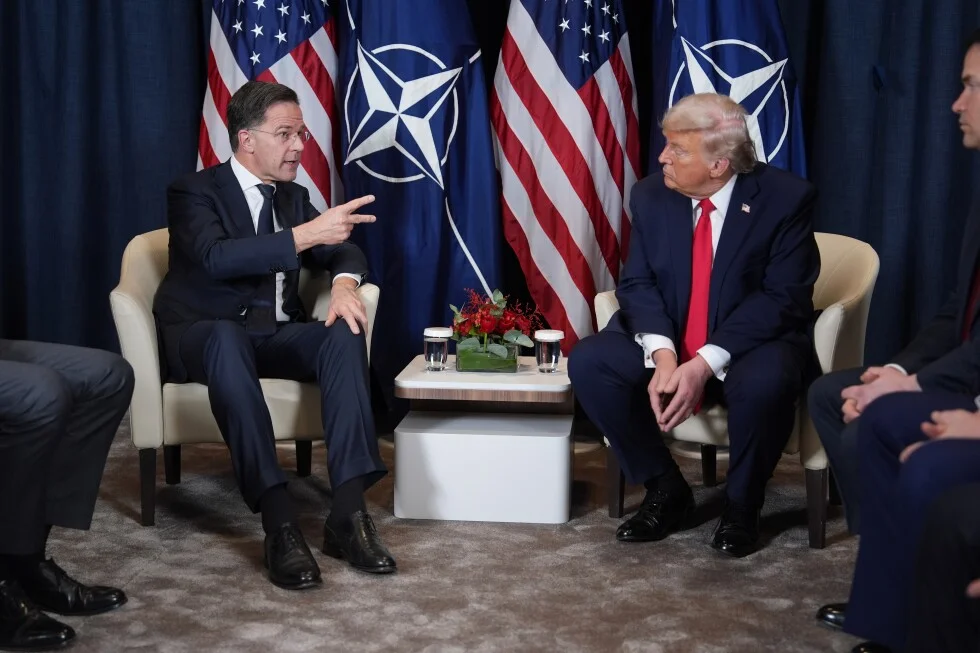
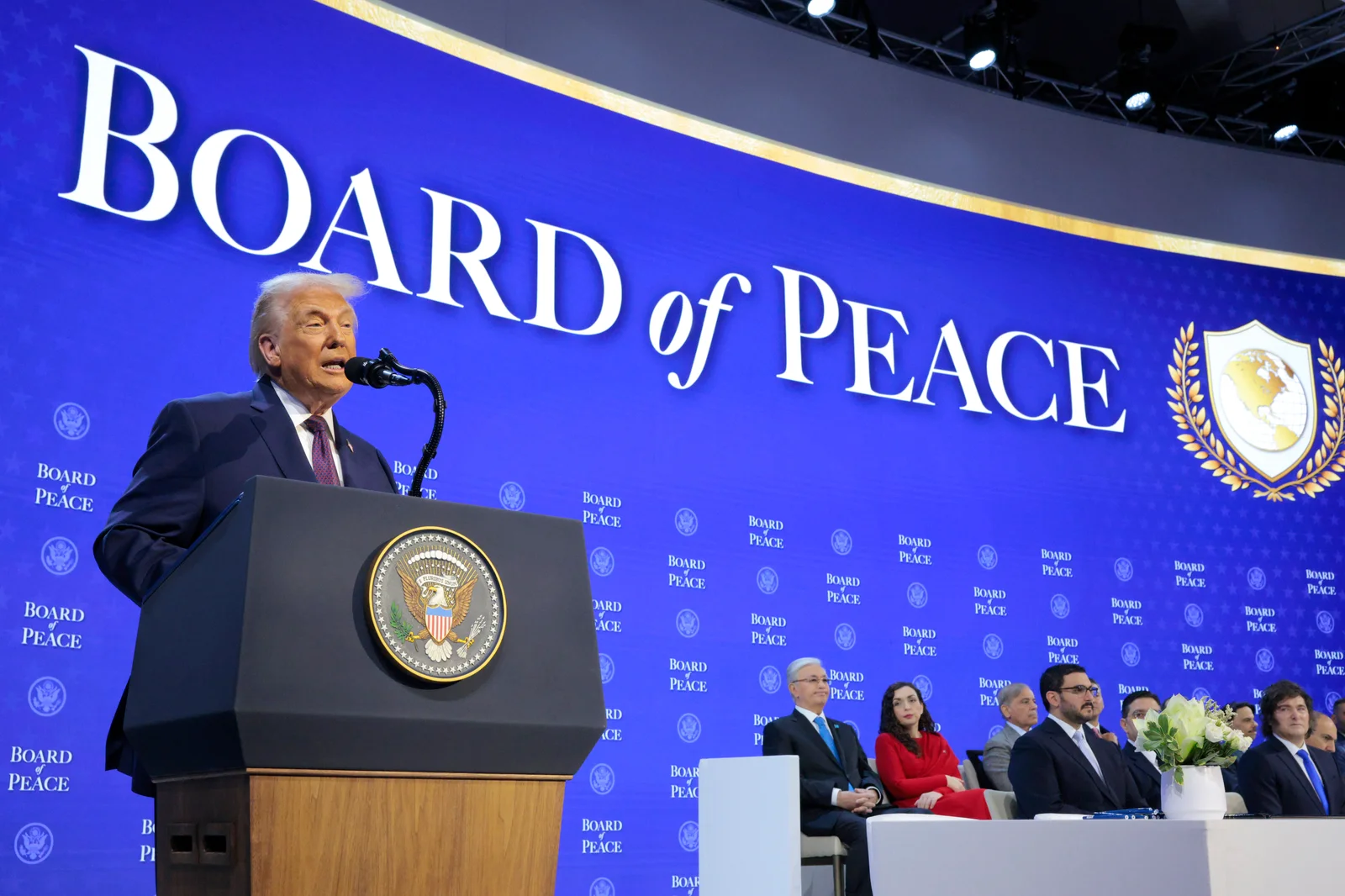
At the 2025 NATO summit, President Trump emphasized US military actions and his unconventional views on NATO's Article V, while also pushing for increased European defense spending and expressing skepticism about the alliance's commitment, reflecting his focus on US self-interest and a shift away from traditional transatlantic cooperation.
Europe has increased its defense spending and military capabilities, signaling a move towards independence from US leadership, which could reshape the transatlantic alliance and US strategic interests. While this shift offers benefits like better European self-reliance and burden-sharing, it also presents challenges such as reduced US influence, potential disagreements over Ukraine and sanctions, and the need for a recalibrated partnership based on mutual interests and compromise.
The upcoming NATO summit in the Netherlands is potentially the most significant since the Cold War, as European allies aim to meet US defense spending demands and take greater responsibility for their security amid strained US-Europe relations and uncertainties about US commitments under President Trump.