Senator Rubio predicts significant interest from Western oil companies in returning to Venezuela if sanctions are eased, emphasizing that current U.S. policy aims to pressure Venezuela's government to reform its oil industry, which is currently in disrepair and benefiting only a few elites.
Top Republicans, including Rubio, distanced themselves from Trump's claim that the US will run Venezuela after the operation to capture Maduro, emphasizing leverage and influence rather than direct control, amid ongoing debates about the legality and future of US involvement in Venezuela.
Senator Rubio remains vague about a specific transition plan for Venezuela following the recent political upheaval, emphasizing the importance of stability and U.S. interests, particularly regarding oil reserves, while acknowledging the complexities of Venezuela's political system and the need for a process to establish a new government.
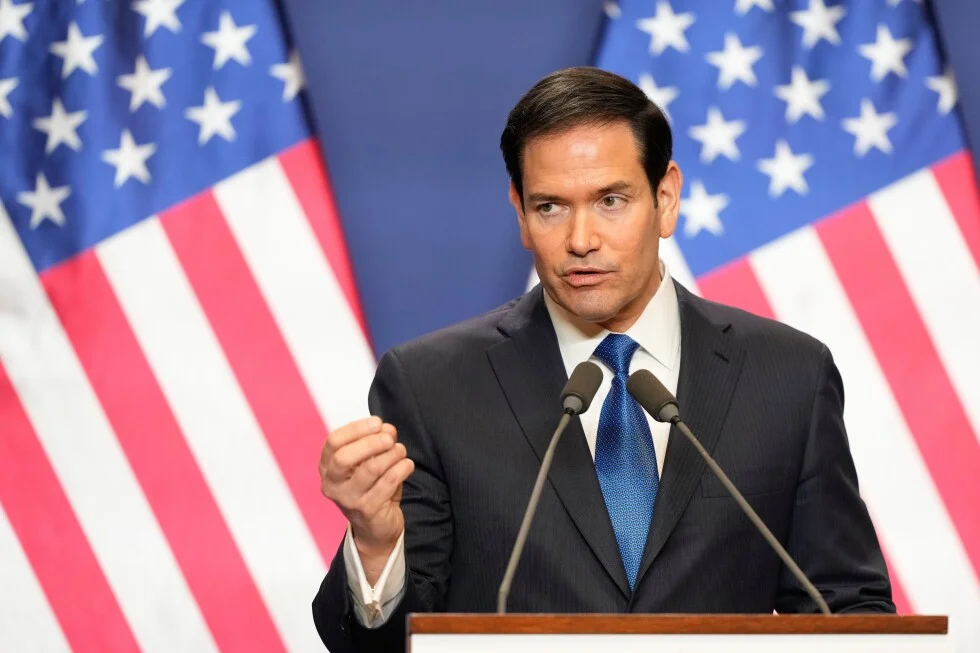
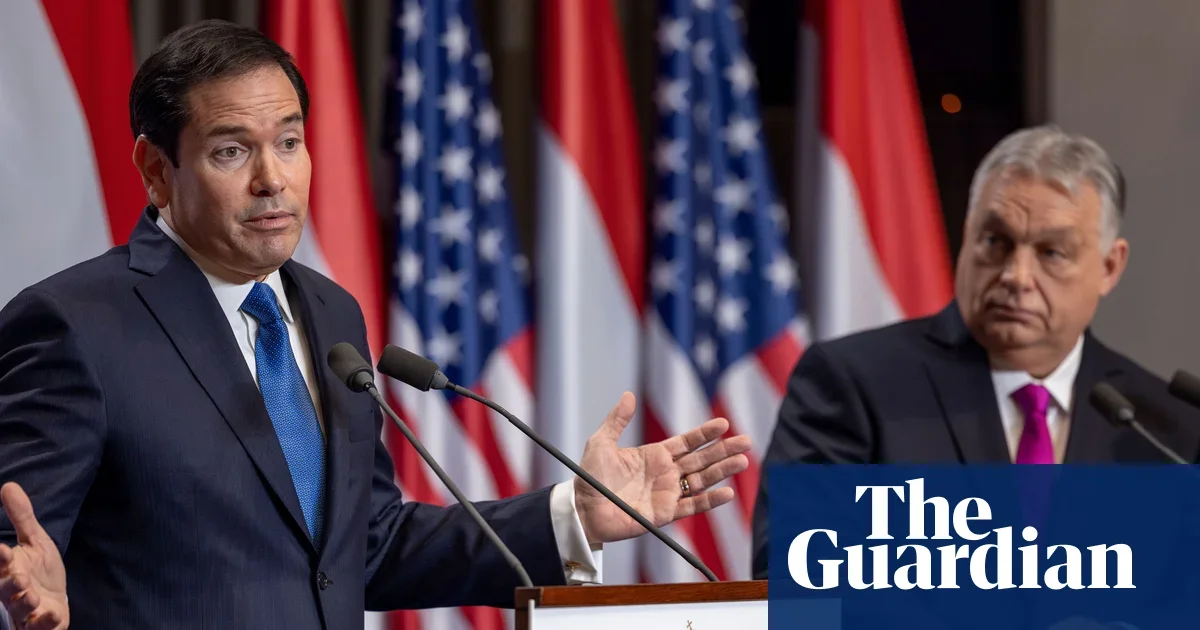
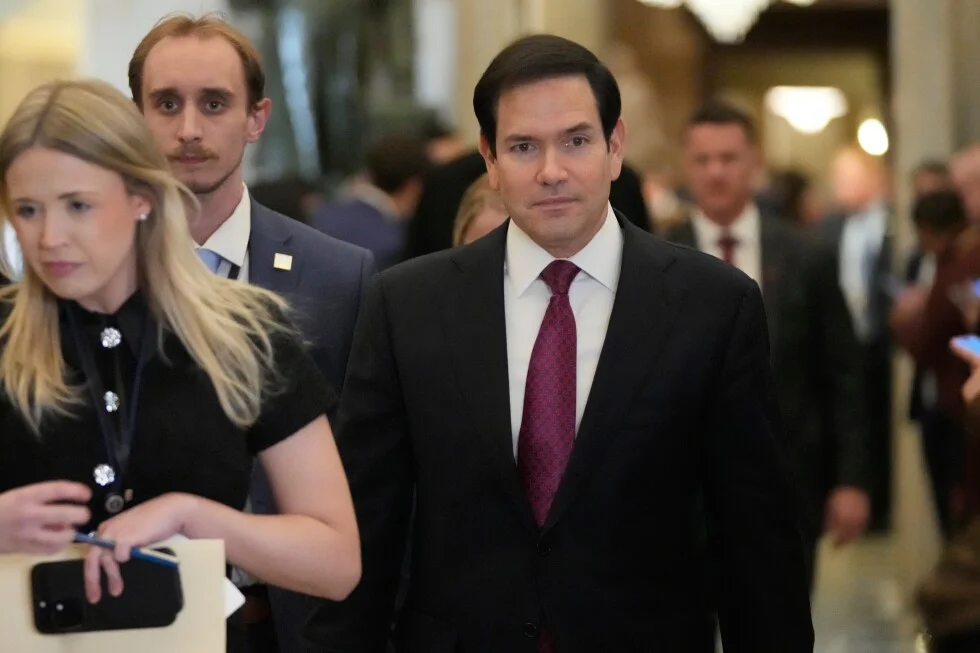
Secretary of State Marco Rubio held an unusually long and civil press conference, answering questions from 46 reporters for over two hours, promoting the Trump administration's foreign policy achievements while avoiding making news on sensitive issues. The event was notable for its length, civility, and Rubio's engagement with the press, contrasting with other officials' media interactions.
Senator Rubio announced that the White House is prepared to provide immediate humanitarian aid to Cuba for hurricane recovery, despite recent U.S. sanctions and policy reversals under Trump and Biden. The aid will be delivered directly and through local partners, similar to assistance provided to other Caribbean nations like Jamaica and Haiti.
President Trump reversed his previous stance and imposed sanctions on Russia, influenced by Marco Rubio's assessment that Moscow was not making substantive concessions in Ukraine, leading to a shift in US policy and a cancellation of planned peace talks with Putin.
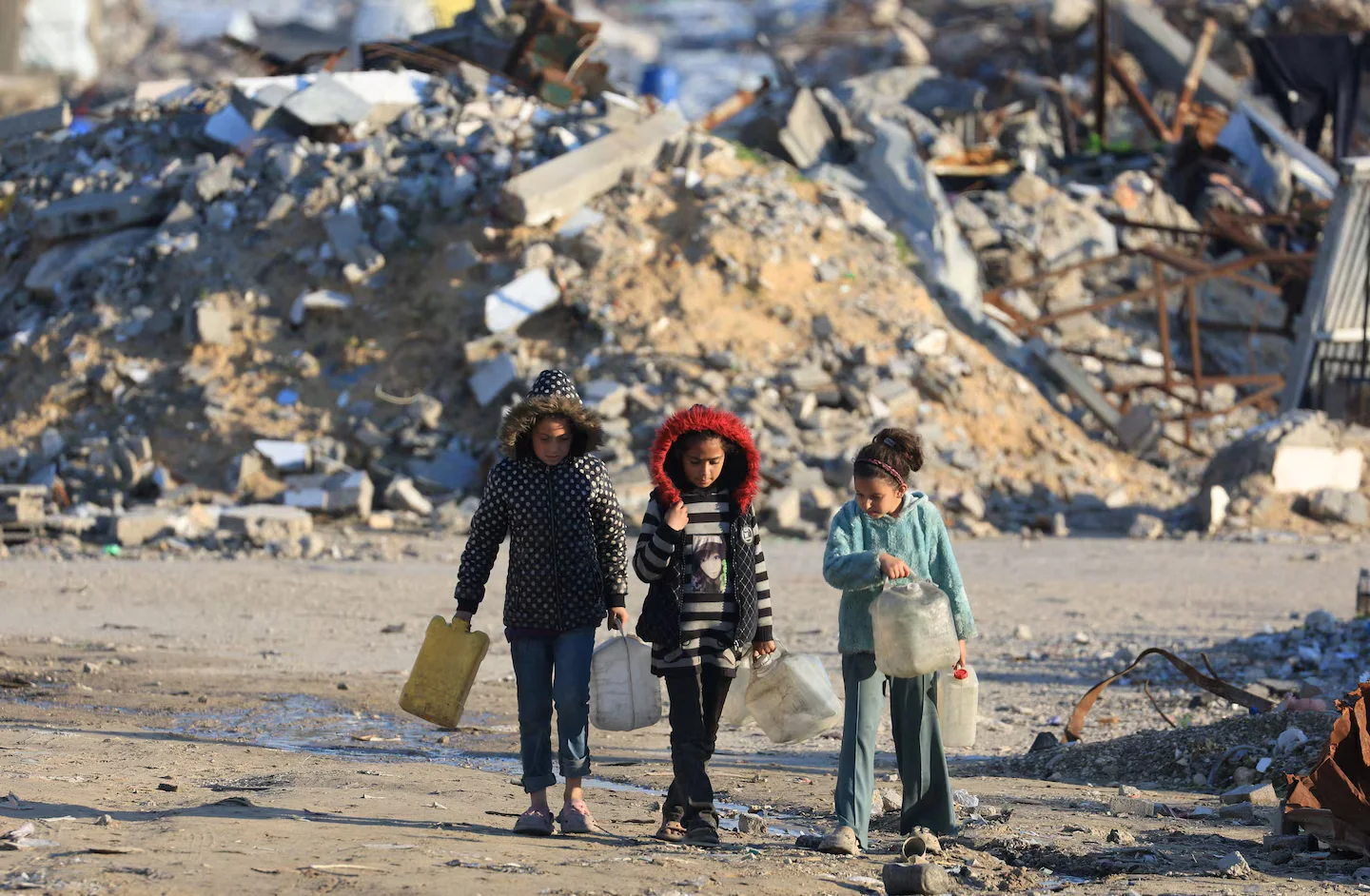
US Secretary of State Marco Rubio warned against Israel's move to annex the West Bank, stating it would threaten the Gaza ceasefire and US efforts for peace. The Israeli parliament approved a preliminary bill for annexation, which Palestinians and international bodies oppose, citing illegal occupation and settlement expansion. Rubio emphasized that annexation would be counterproductive to peace efforts amid ongoing conflicts in Gaza.
Senator Marco Rubio allegedly promised Salvadoran President Nayib Bukele to facilitate the return of MS-13 gang leaders in U.S. custody, despite knowing some were informants protected by the U.S. government, in exchange for a prison deal in El Salvador.
China condemned US criticism over the detention of church leaders, asserting it governs religious affairs according to law and opposes US interference, amid ongoing tensions over religious freedoms and government control of religious groups.
During a White House event on antifa, Secretary of State Marco Rubio discreetly handed President Trump a note indicating that a Middle East peace deal was imminent, prompting Trump to prepare to leave the event and focus on negotiations in the region.
President Trump received an urgent note from Secretary of State Rubio during a White House event, indicating a near agreement on a Middle East peace deal, which Trump announced later on social media, celebrating a historic breakthrough involving Israel and Hamas.
The article explores the future trajectory of the Republican Party post-Trump, highlighting the integration of MAGA with new power centers like Turning Point USA, the rise of JD Vance as a potential 2028 nominee, Marco Rubio's strategic positioning, and the continued influence of Trump's family and media allies, indicating a more combative and media-centric GOP.
Israel unveiled the fully exposed Pilgrimage Road in Jerusalem's City of David, a significant archaeological site linking the Pool of Siloam to the Temple Mount, attended by Israeli and American officials, highlighting shared heritage and historical continuity, amid political controversy over its location.
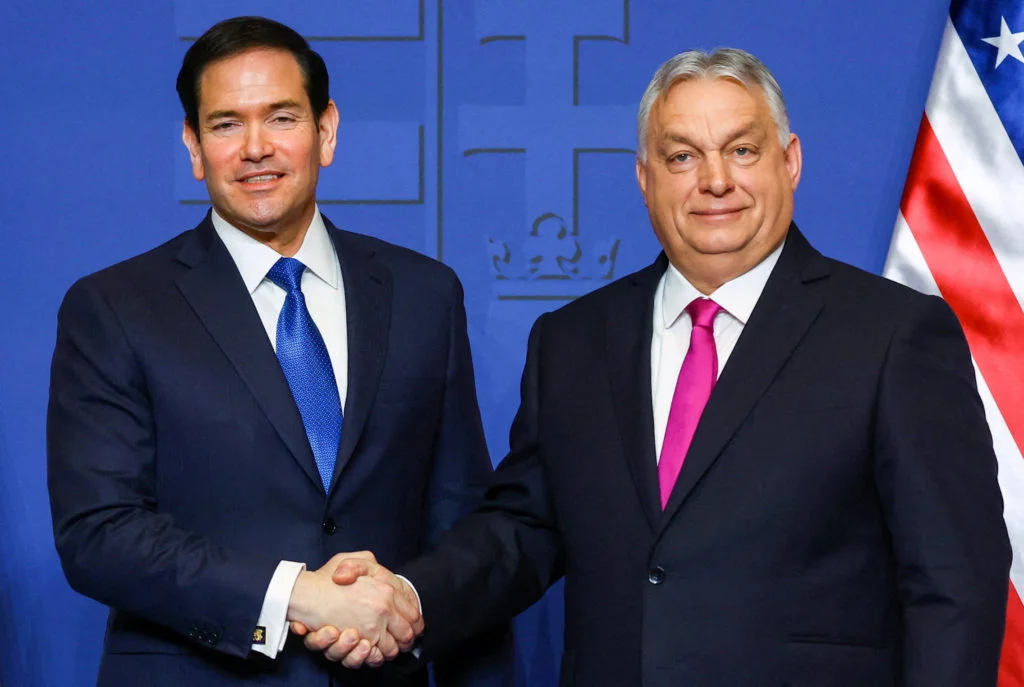
U.S. Secretary of State Marco Rubio visited Israel to discuss the Gaza conflict, U.S.-Israel relations, and support for Palestinian state recognition amid ongoing military operations and international tensions, including disagreements with President Trump and concerns over potential annexation of the West Bank.