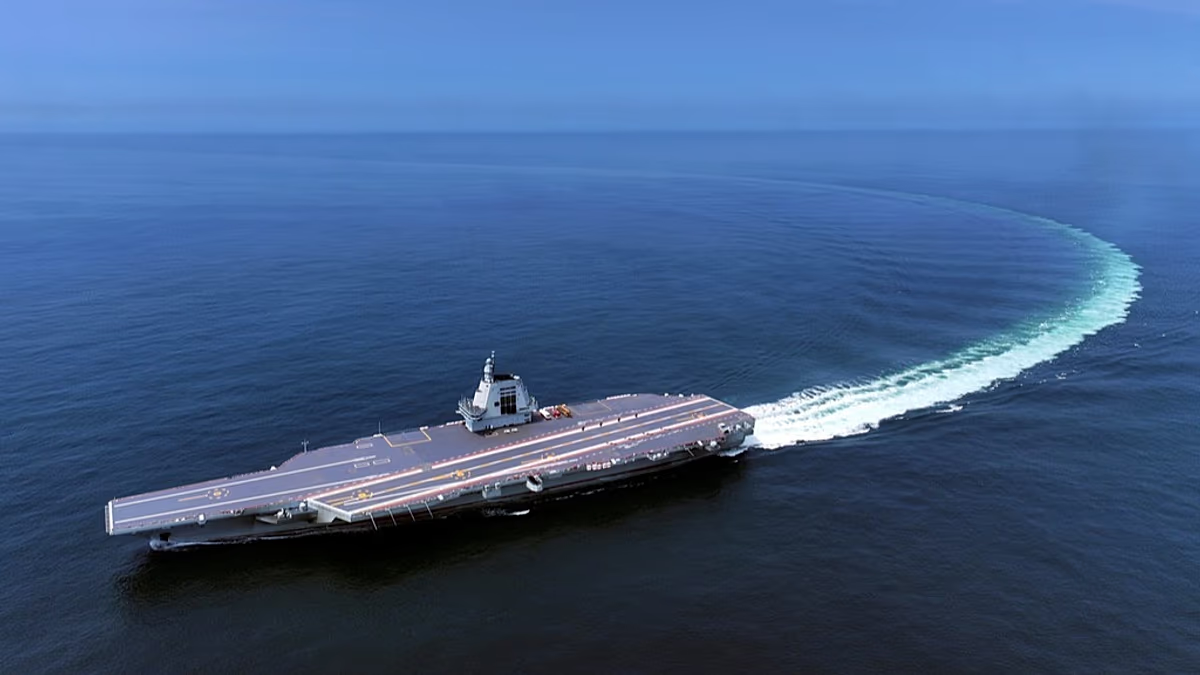
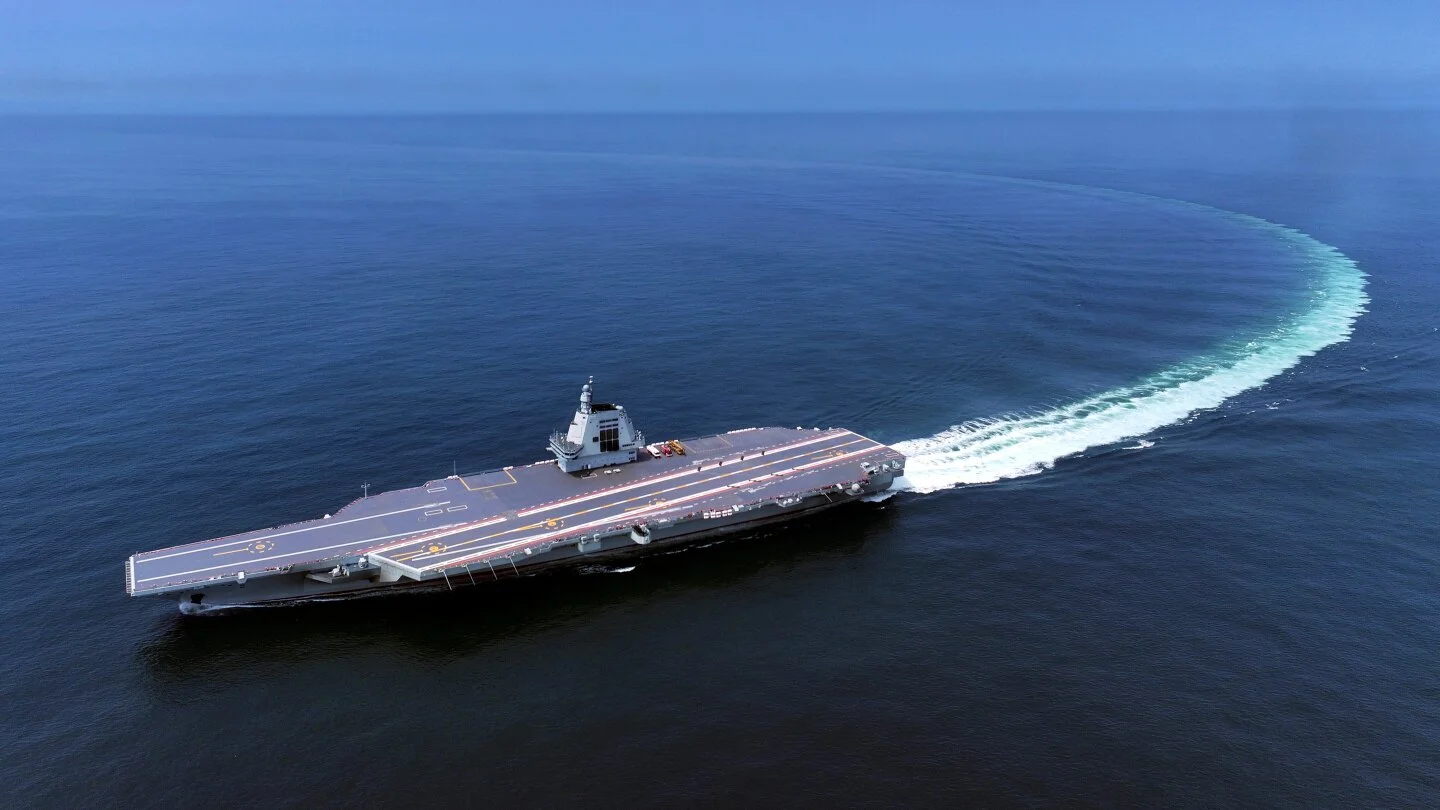
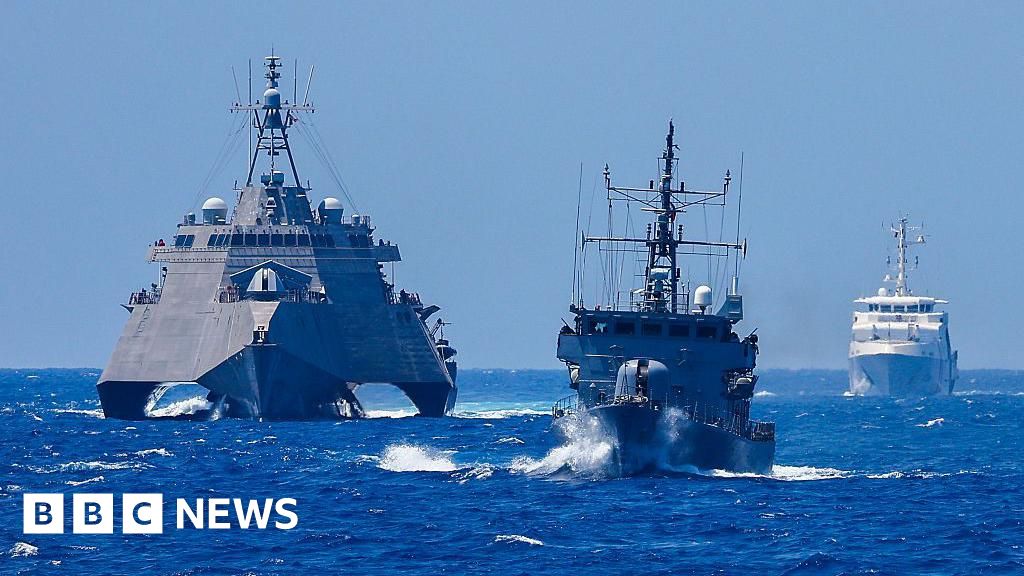
China has launched its first domestically built aircraft carrier, the Fujian, marking a significant step in its military modernization and efforts to challenge US naval dominance, with advanced features like electromagnetic launch systems and the ability to operate heavy aircraft, signaling China's ambition to project power in the Indo-Pacific region.
China has commissioned its third aircraft carrier, the Fujian, marking a significant step in its military modernization and expansion of its blue-water navy capabilities, aiming to project power far beyond its coast and challenge U.S. dominance in the Indo-Pacific region.
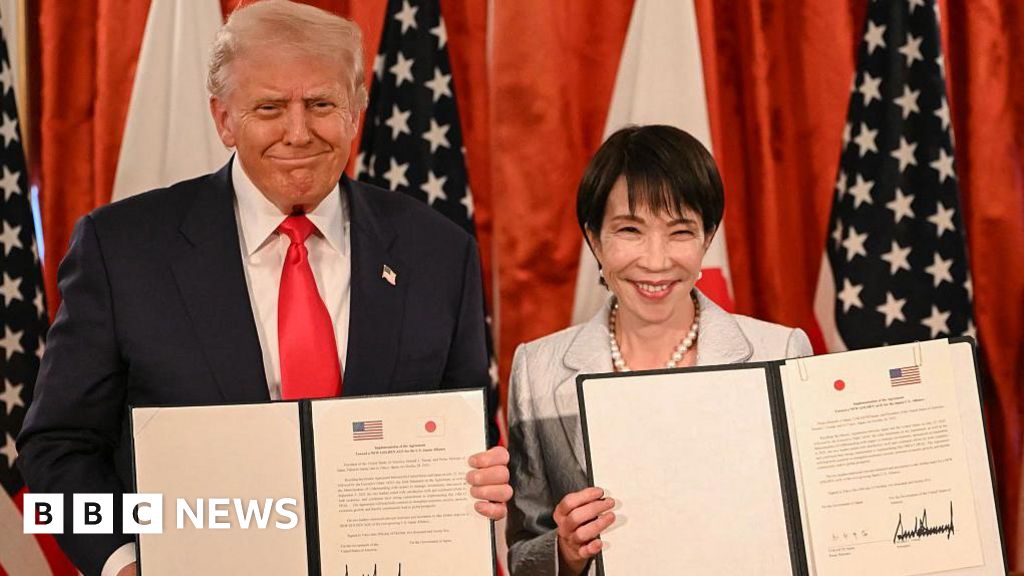
US President Trump has signed multiple deals with Asian countries to diversify and reduce dependence on China's dominance in the rare earths sector, crucial for modern manufacturing. While these agreements mark a strategic shift, building new processing capacity outside China is costly and time-consuming, and China's control over processing remains significant. The efforts are a step in the ongoing US-China rivalry, but overcoming China's entrenched position will require years of investment and regulatory challenges.
China's upcoming five-year plan will continue to prioritize high-tech manufacturing and supply-side growth, despite domestic consumption challenges and escalating US-China tensions, reflecting a commitment to its traditional 'all about production' economic approach amid geopolitical competition.
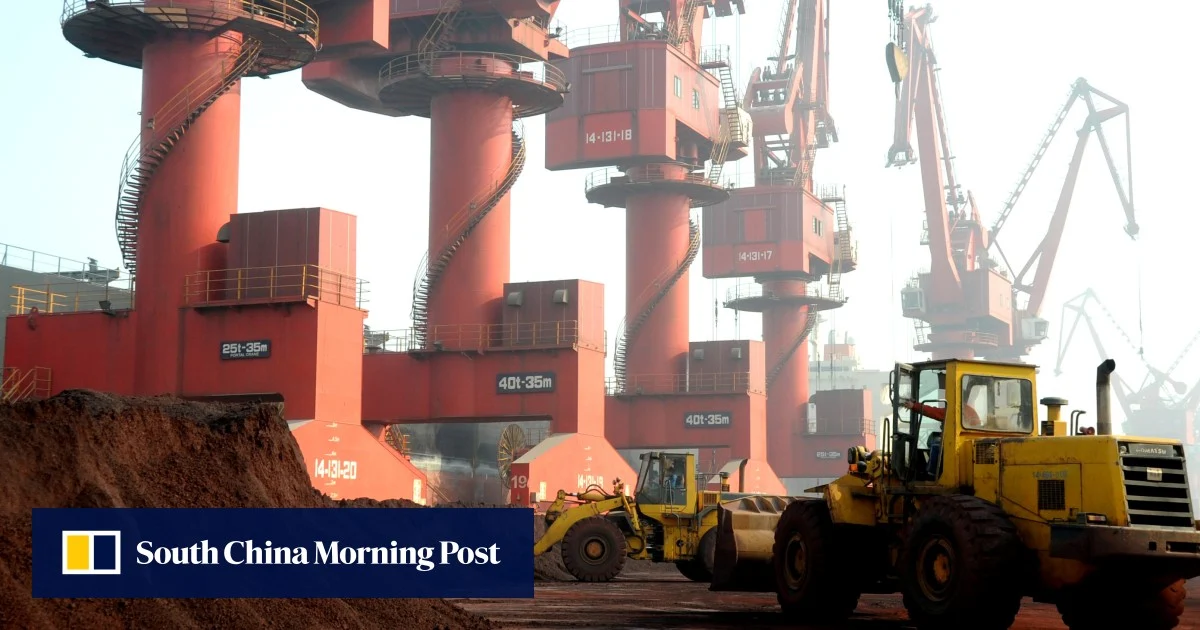
China has implemented new export controls on rare earth production technology to strengthen its dominance in the sector amid ongoing US-China trade tensions, controlling a significant share of global rare earth resources and processing capacity.
The Shangri-La Dialogue in Singapore highlights the escalating strategic competition between the US and China in the Asia-Pacific, focusing on military build-up, territorial disputes, and regional alliances, amid concerns over China's ambitions to dominate the region and North Korea's nuclear advancements.
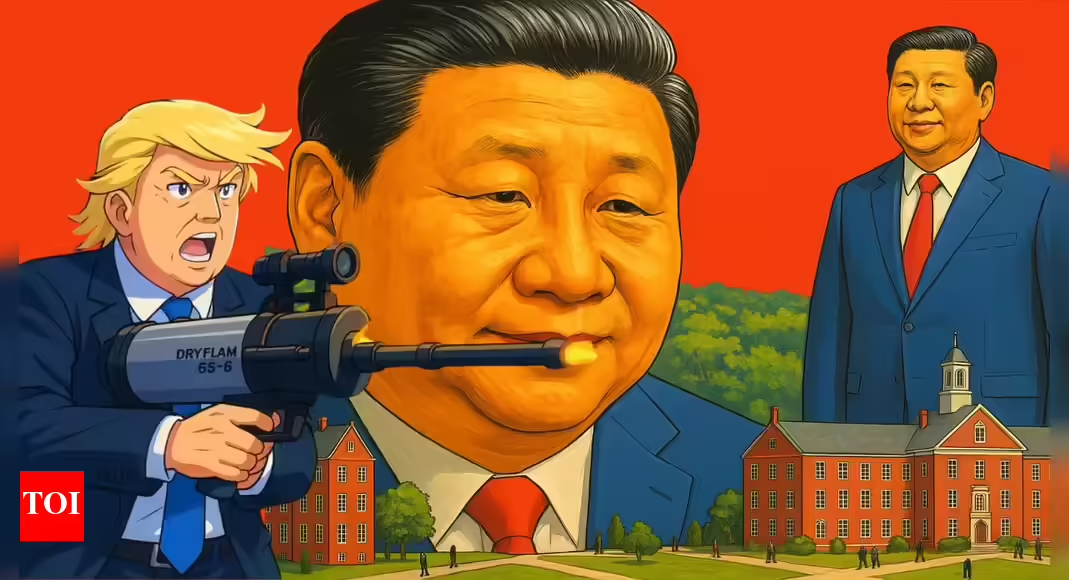
The US Department of Homeland Security revoked Harvard University's certification to enroll foreign students due to alleged ties with the Chinese Communist Party and issues related to campus safety and antisemitism, marking a significant escalation in US efforts to curb Chinese influence in American academia amid broader geopolitical tensions.
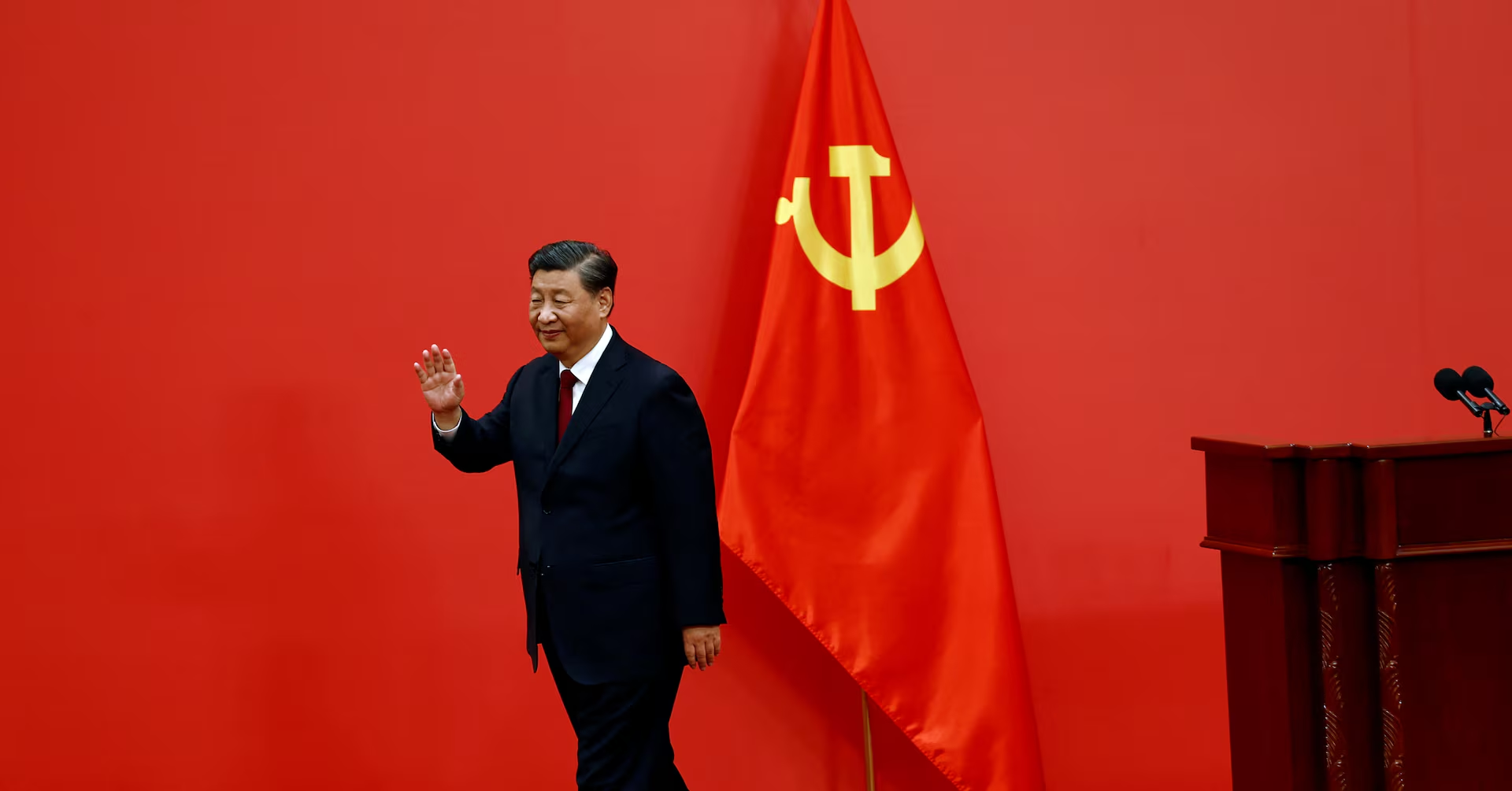
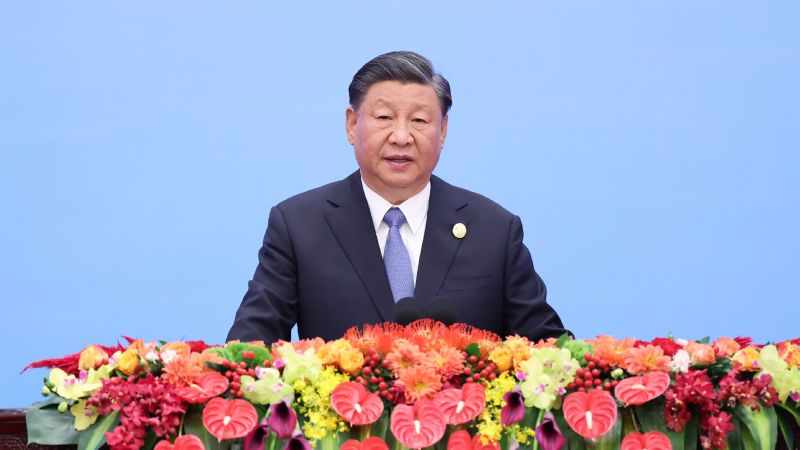
Chinese President Xi Jinping is intensifying his push to challenge America's global leadership and reshape the international system, which China sees as favoring the United States and its allies. Through various initiatives, speeches, and diplomatic meetings, China aims to win support for its alternative model. However, concerns are raised that accepting China's vision could lead to globally accepted practices of heavy surveillance, censorship, and political repression. As the US faces questions about its global leadership and calls for a more representative international system grow, some countries are listening to China's message, while others remain wary of its politics and ambitions.
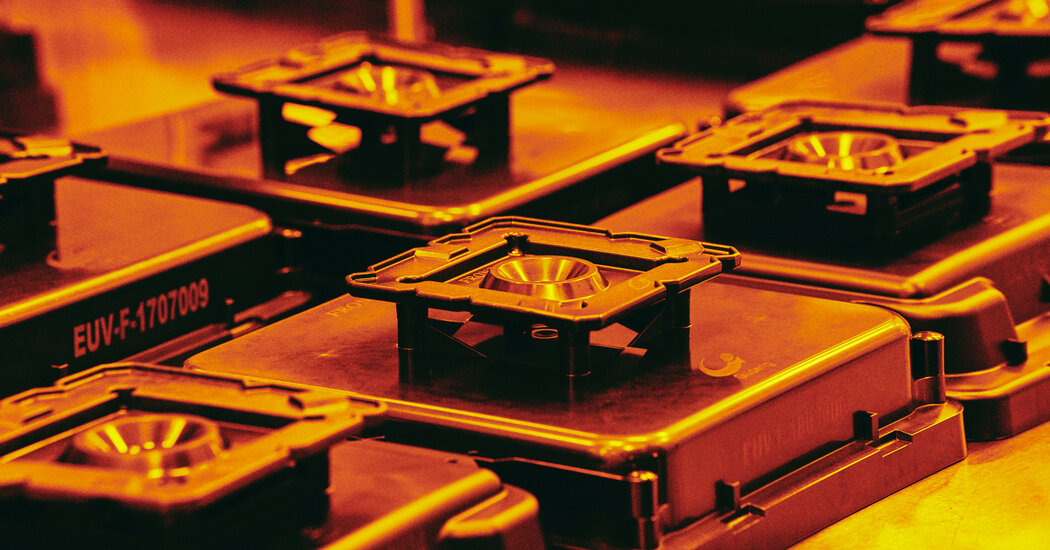
The United States has implemented new rules to restrict the sale of chip-making machinery to China, particularly targeting the complex lithography machines that are crucial for China's efforts to develop its own chip-making industry. The rules require companies worldwide to obtain a special license from the US government before sending certain types of chip-making machines to China. This move could significantly hinder China's chip-manufacturing ambitions and represents an unusual flexing of American regulatory power. The restrictions particularly affect machines that use deep ultraviolet (DUV) technology, mainly manufactured by the Dutch firm ASML, which dominates the lithography market. The US decision to regulate equipment manufactured outside the country if it contains even one American-made part gives American officials new influence over companies in the Netherlands and Japan.
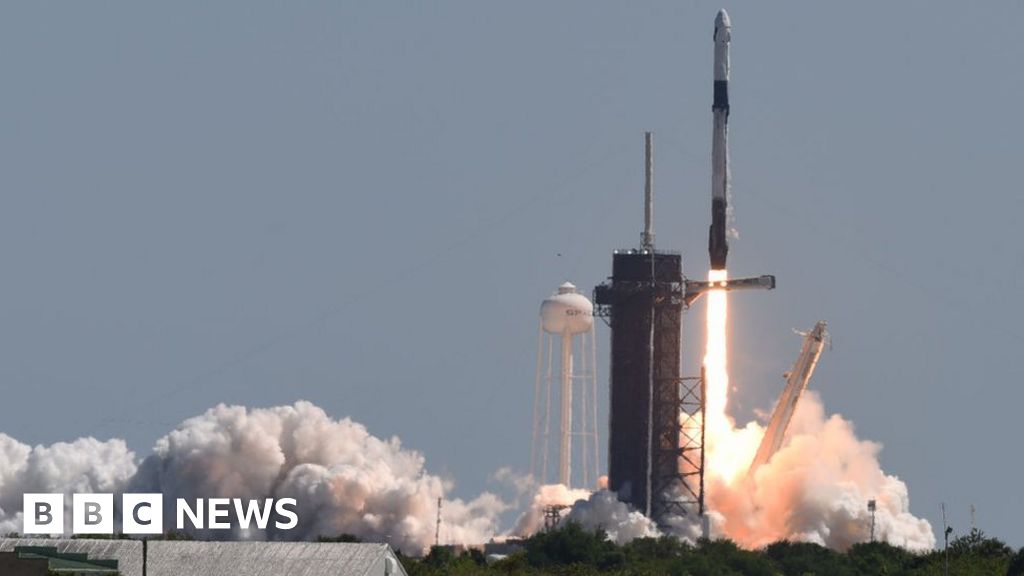
The US is engaged in a space race with China to return to the moon, with NASA Chief Bill Nelson emphasizing the importance of getting there first. NASA is relying on private companies like SpaceX and Blue Origin to share the costs and tap into the creativity of entrepreneurs. The rivalry between the two countries has spurred significant investment in space technology, with NASA's spending reaching $71.2 billion in 2021. Concerns arise over China's space program, as it has its own space station, plans to reach the lunar polar regions, and has not signed the US-led Artemis Accords. The competition has also led to an explosion in space activity, with the satellite industry growing rapidly and new opportunities emerging in sectors like agriculture, insurance, and maritime. The global space industry is estimated to be worth over $1 trillion a year by 2040.
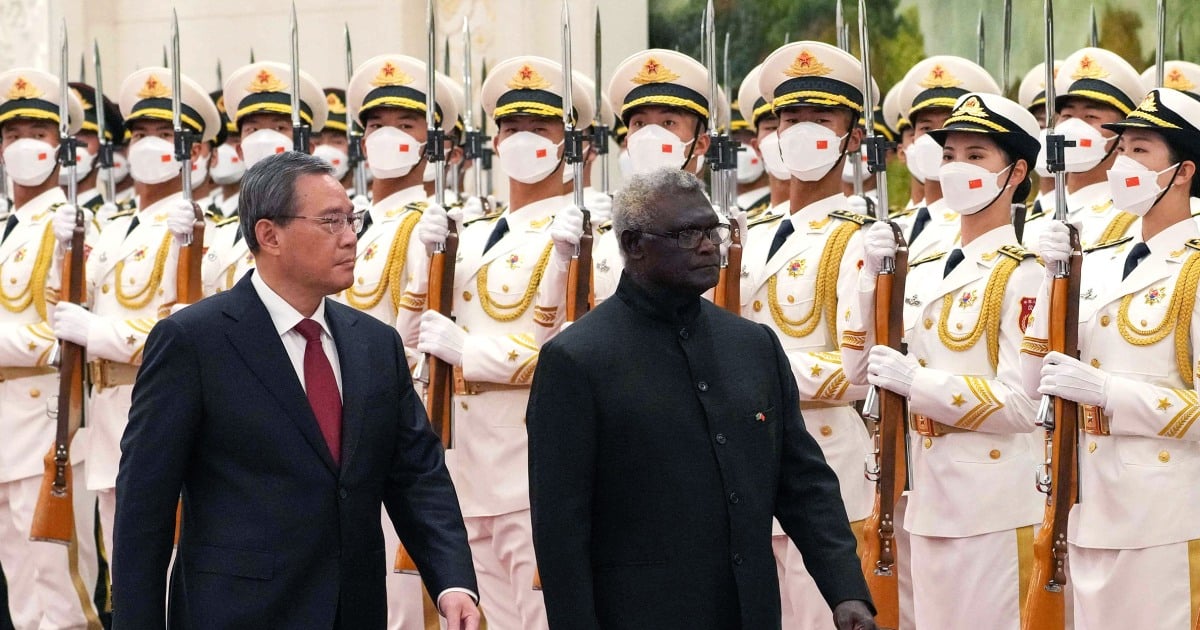
Solomon Islands Prime Minister Manasseh Sogavare visited Beijing, where he met with Chinese leader Xi Jinping and Premier Li Qiang to expand relations between the two countries. The Solomon Islands, which switched official recognition from Taiwan to Beijing in 2019, has become China's biggest success in its campaign to increase influence in the South Pacific. The visit highlights the ongoing U.S.-China rivalry in the region, with the Biden administration announcing plans to reopen an American Embassy in the Solomon Islands. China aims to strengthen relations and trade through its Belt and Road Initiative, while the U.S. focuses on cooperation in climate change and maritime security.
The intensifying debt crisis in middle- and lower-income countries is being complicated by the rivalry between the US and China. While the International Monetary Fund (IMF) and the US demand that Chinese creditors restructure debt, China has refused to bow to Washington. As a result, countries like Suriname are caught in the geopolitical crossfire, with access to aid delayed. The IMF and the US are reluctant to provide relief until Chinese financial institutions participate, arguing that Chinese lenders are free-riding on debt forgiveness extended by others.