The Trump administration's new policies, including a $100,000 fee on H-1B visas and changes favoring older workers, threaten to significantly impact U.S. universities by increasing costs, reducing foreign faculty and graduate student recruitment, and complicating visa processes, potentially diminishing the U.S.'s attractiveness as a destination for top international talent.
The Trump administration proposed a rule to limit foreign students' study duration in the US to a maximum of four years, aiming to curb indefinite stays and enhance visa oversight amid increased visa revocations and stricter vetting processes.
The Trump administration proposed a new rule to limit the duration of stay for certain foreign students in the US, citing safety and oversight concerns, which could create bureaucratic hurdles and potentially deter international students, impacting US higher education and economy.
The Trump Administration proposed a new rule to limit the duration foreign students, professors, and other visa holders can stay in the U.S., aiming to prevent visa abuse and improve oversight by setting a maximum stay of four years and requiring regular extensions and vetting. This move seeks to address concerns over indefinite stays and enhance national security, reversing a previous withdrawal of similar proposals by the Biden Administration.
The U.S. State Department is resuming processing of student and scholar visas while implementing a new policy to review applicants' social media accounts for signs of hostility toward the U.S., raising concerns about free speech and potential political bias in immigration practices.
The US has introduced new visa rules requiring foreign students to unlock their social media profiles for review by US diplomats, who will scrutinize online activity for hostility, support for terrorism, or antisemitism, as part of a broader effort to enhance national security and vetting processes.
A US district court in Boston extended a temporary restraining order against President Trump's order to block foreign students from Harvard, with a hearing scheduled to decide on a preliminary injunction, amid ongoing legal battles over federal actions against the university.
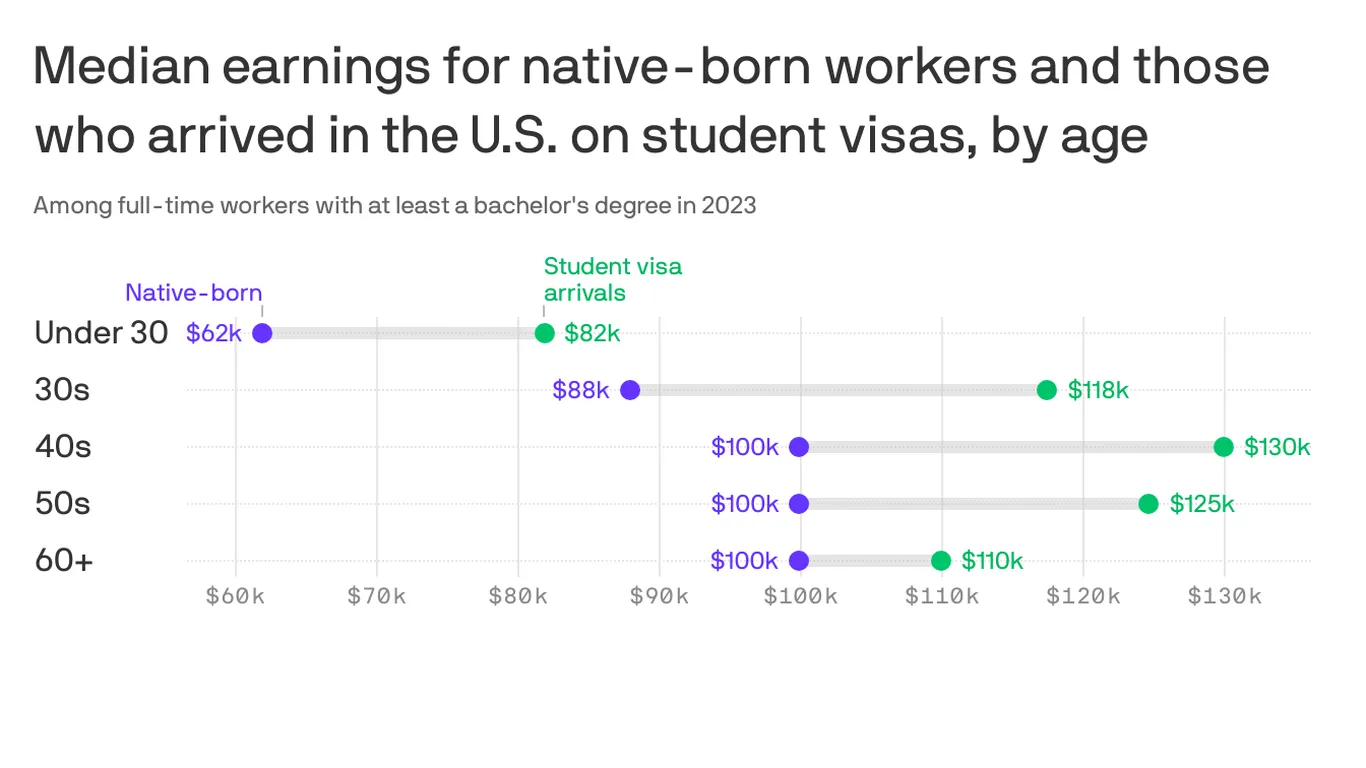
Foreign workers in the U.S. with college degrees who arrived on student visas earn more and contribute more to research and development than their native-born peers, highlighting their importance to the U.S. economy and innovation, with potential policy implications affecting future talent and R&D efforts.
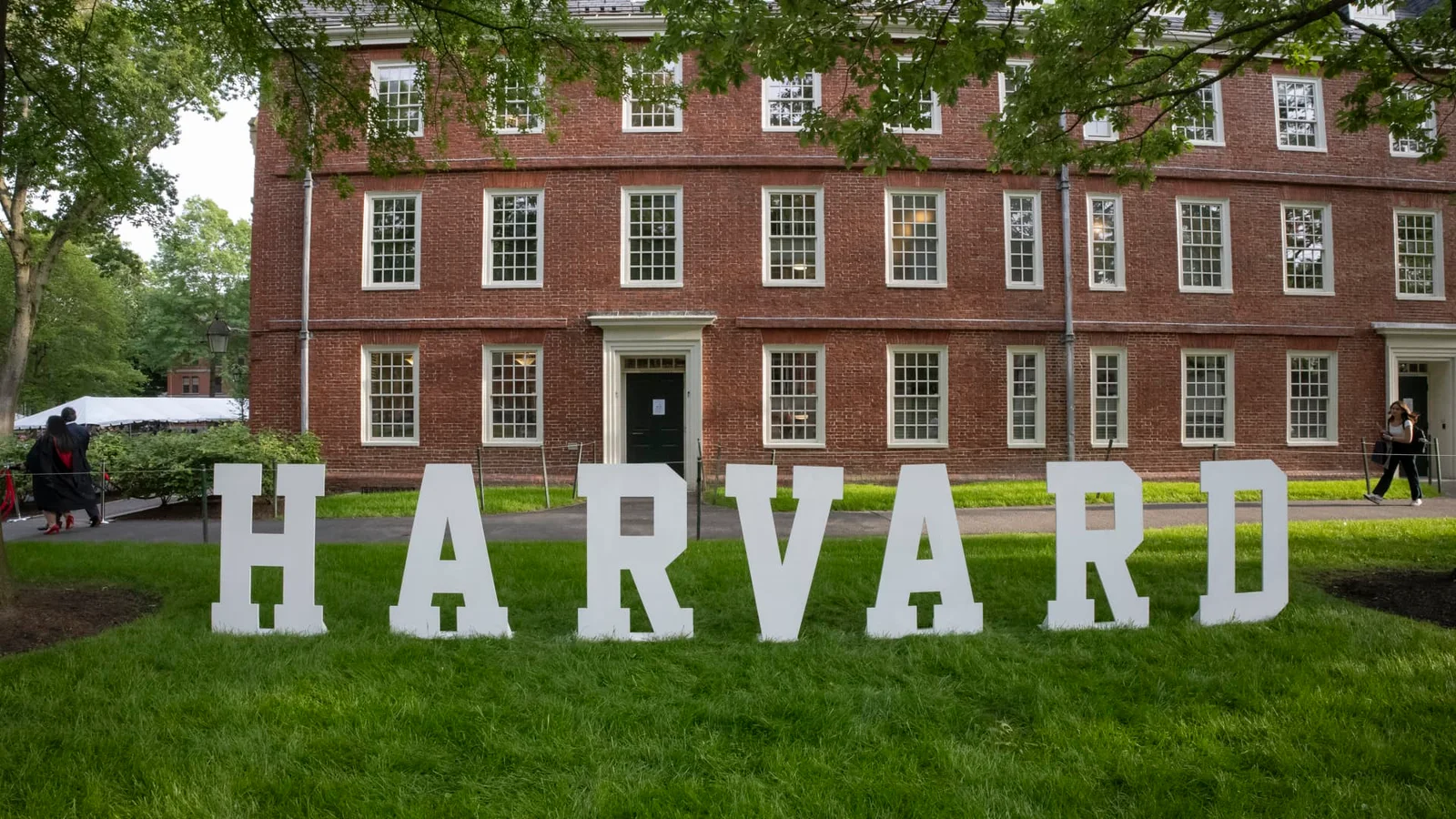
Harvard University is in legal conflict with the Trump administration over efforts to revoke visas and restrict foreign students, with a judge considering a preliminary injunction to protect international students' enrollment amid ongoing government resistance and visa challenges.
The Trump administration's budget cuts and restrictions on foreign students are causing a significant brain drain in the U.S., with scientists seeking opportunities abroad and U.S. science funding slowing down, potentially harming America's position as a global science leader.
A federal judge temporarily blocked President Trump's ban on foreign students entering the U.S. to attend Harvard University, citing potential irreparable harm to the university. Harvard challenged the order, which aimed to restrict international enrollment, a significant part of its student body and research community. The case highlights ongoing tensions over immigration policies affecting higher education, with Harvard preparing contingency plans for affected students while defending its global and academic commitments.
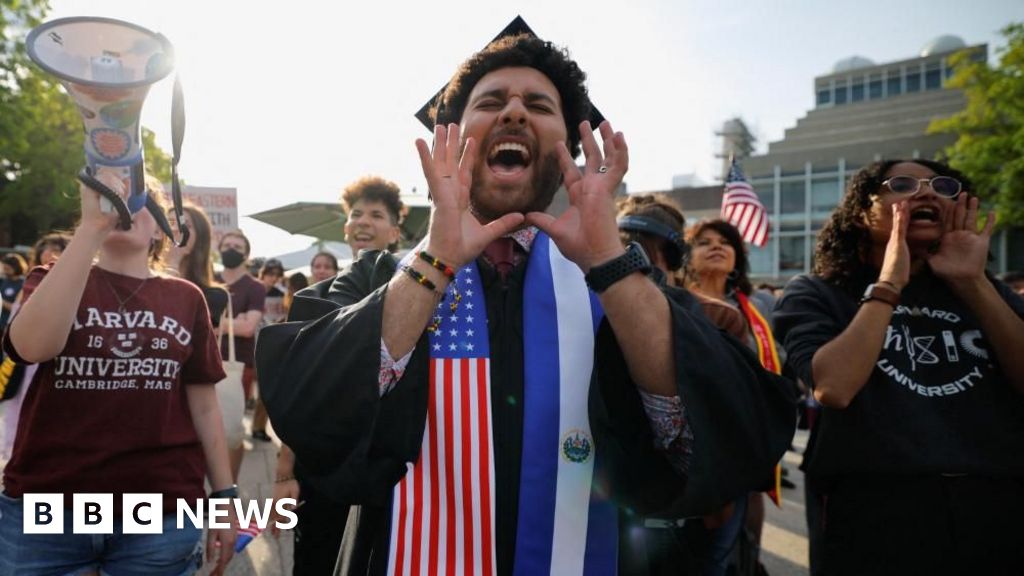
Harvard University condemns President Trump's proclamation to block and potentially revoke visas for foreign students, calling it an illegal retaliatory measure and vowing to protect its international students amid legal and political disputes.
President Trump has suspended for six months the entry of foreign students at Harvard University citing national security concerns, escalating ongoing legal disputes with the institution over federal funding and civil rights issues, which has created uncertainty for thousands of international students.
President Trump is attempting to block nearly all foreign students from entering the U.S. to attend Harvard University, citing national security concerns and Harvard's refusal to comply with federal requests, escalating a legal dispute between the university and the government.
The U.S. government, citing concerns over Harvard University's compliance with federal laws, national security risks, and foreign entanglements, has announced restrictions on foreign students attending Harvard on student or exchange visas, citing inadequate reporting of misconduct and security threats, and has suspended entry for new students from Harvard under certain visa categories for six months.