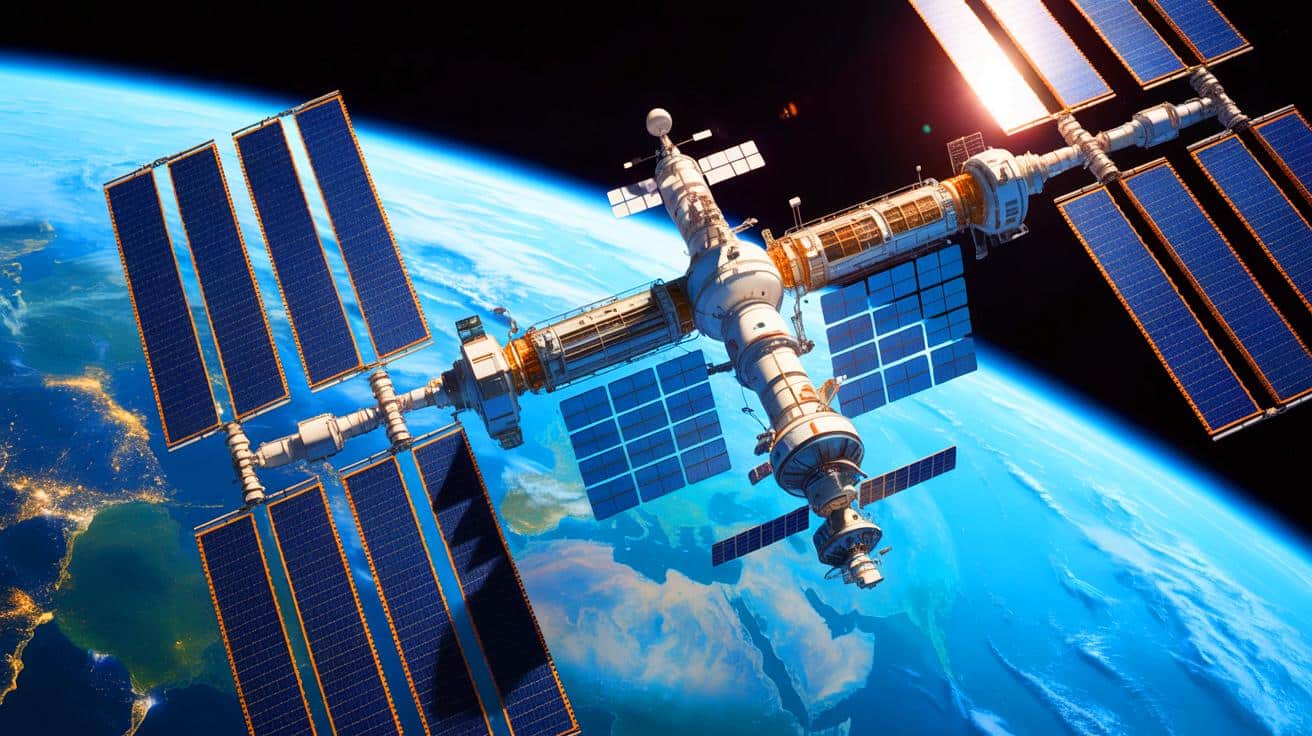
NASA is shifting its focus from the International Space Station to the Lunar Gateway and supporting the commercialization of low Earth orbit with private companies like Axiom Space preparing to replace the ISS, signaling a move towards more privatized and international space exploration efforts.
The recent successful lunar mission by Intuitive Machines, partially funded by NASA's Commercial Lunar Payload Services (CLPS) initiative, marks the beginning of a series of planned Moon missions by private US companies until the end of the decade. This initiative aims to shift the responsibility and technicalities of Moon landings to private companies, defining the US presence in space for the next decade. With NASA's investment of $2.6 billion into indefinite contracts with private companies, including upcoming missions from Astrobotic Technology and Firefly Aerospace, the focus is on accelerating the American return to the Moon and beyond, fostering collaboration and innovation in the space industry.
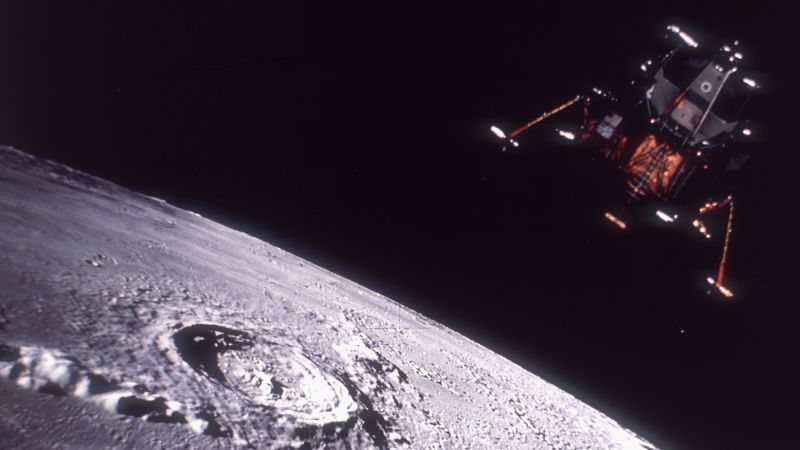
Private company Intuitive Machines is set to attempt the first US spacecraft landing on the moon in over 50 years with its lunar lander Odysseus. Landing on the moon remains challenging due to technical, financial, and logistical hurdles, with more than half of all lunar landing attempts ending in failure. The US is rebuilding expertise lost since the Apollo era, facing budget constraints and the need to adapt to modern technology. Despite advancements, the fundamental challenges of landing on the moon, including precision, lunar terrain, and communication delays, persist. Commercial space companies are embracing risks and learning from failures in the modern moon race, with hopes that initial setbacks will lead to repeatable successes in the future.
Plans to use the moon for unconventional purposes, such as sending human ashes and sports-drink containers, have raised legal and ethical concerns as private companies and emerging space powers gear up to explore the lunar surface. With no clear regulations in place, the absence of oversight could lead to international disputes and conflicts with the 1967 Outer Space Treaty. As NASA increasingly relies on private companies for lunar missions, the need for guidelines on acceptable activities on the moon becomes more pressing, with experts calling for international discussions on moon behavior.
Setbacks in the U.S. moon program and a propulsion issue with Astrobotic's moon lander highlight the challenges of NASA's reliance on private companies in the moon race with China. The U.S. aims to put astronauts on the moon in 2026, while China targets 2030. China's government-backed program has achieved several lunar exploration firsts, while U.S. startups face steep challenges in developing space expertise and culture. Despite setbacks, NASA continues to work with private companies like SpaceX to reduce mission costs, while other countries like India also lean on private firms for space exploration efforts.
Astrobotic Technology's moon landing attempt is in jeopardy after a critical fuel leak was discovered just hours after the spacecraft's launch. The private company's lander, named Peregrine, was set to be the first U.S. moon landing attempt in over 50 years, but the propulsion system problem threatens its ability to soft land on the moon. NASA had contracted with Astrobotic and another company to deliver tech and science experiments to the moon before astronauts arrive, but the recent setback has cast doubt on the mission's success.
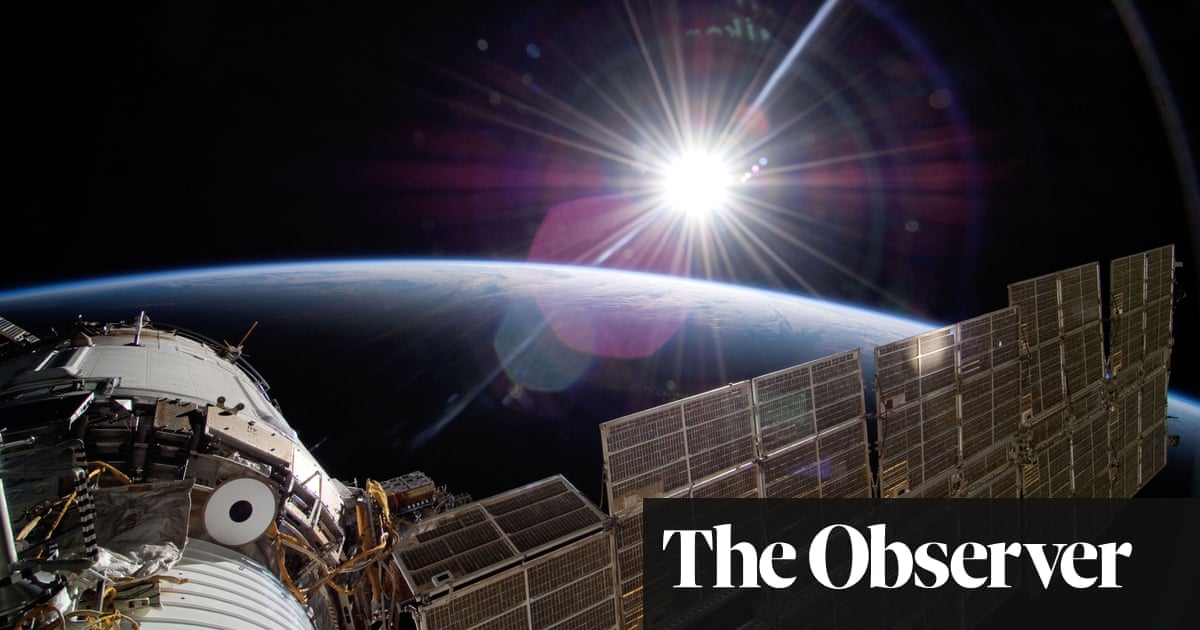
As the International Space Station (ISS) approaches its 25th anniversary, questions are being raised about its value and future. Proponents argue that the ISS has provided invaluable insights into living and working in space, which will be crucial for future missions to the moon and Mars. However, critics argue that the money spent on the ISS could have been better invested in other projects, and that robots are more cost-effective for space research. Despite the impending termination of the ISS in 2031, countries like the US, Europe, Japan, Canada, and India have plans to launch new orbiting laboratories, while China has already built its own space station. Private companies like Axiom are also entering the market, with plans to add new segments to the ISS and launch their own space stations.
The US is engaged in a space race with China to return to the moon, with NASA Chief Bill Nelson emphasizing the importance of getting there first. NASA is relying on private companies like SpaceX and Blue Origin to share the costs and tap into the creativity of entrepreneurs. The rivalry between the two countries has spurred significant investment in space technology, with NASA's spending reaching $71.2 billion in 2021. Concerns arise over China's space program, as it has its own space station, plans to reach the lunar polar regions, and has not signed the US-led Artemis Accords. The competition has also led to an explosion in space activity, with the satellite industry growing rapidly and new opportunities emerging in sectors like agriculture, insurance, and maritime. The global space industry is estimated to be worth over $1 trillion a year by 2040.
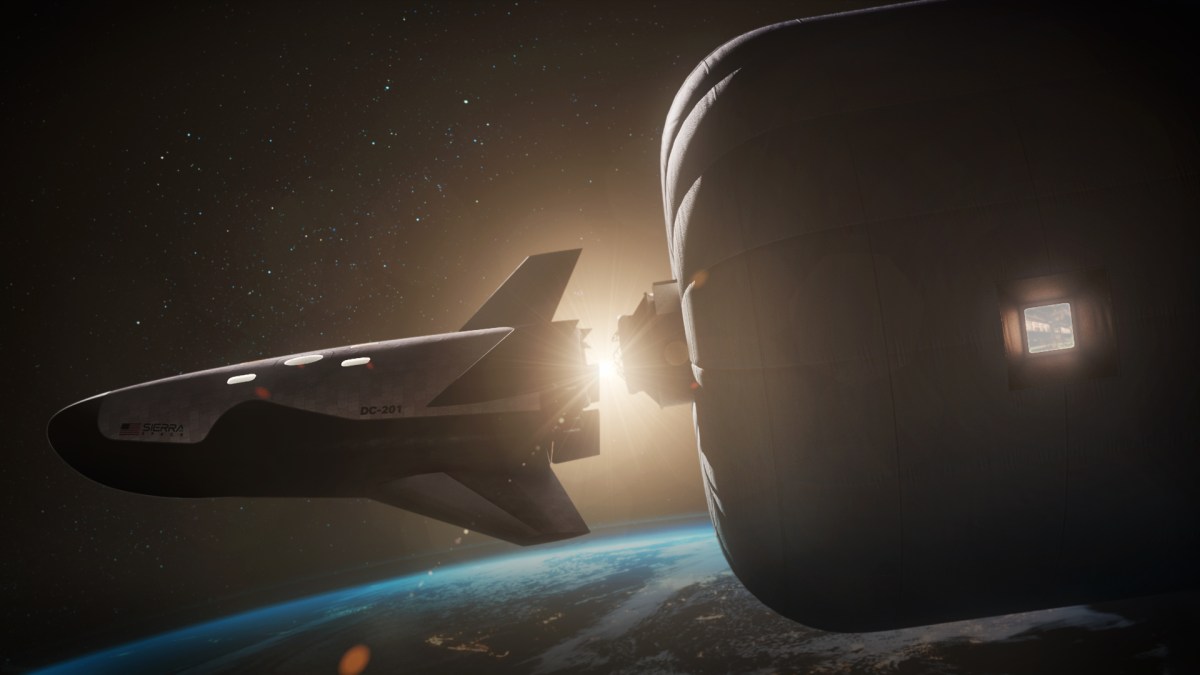
NASA has signed Space Act agreements with seven private space companies to advance the low Earth orbit (LEO) economy, with a focus on commercial space transportation, autonomous and robotic research and manufacturing, space infrastructure, and microgravity environments for research and private crewed operations. These partnerships are aimed at spurring tech developments that the government may invest in down the line, with NASA providing expertise and resources to aid and guide companies.
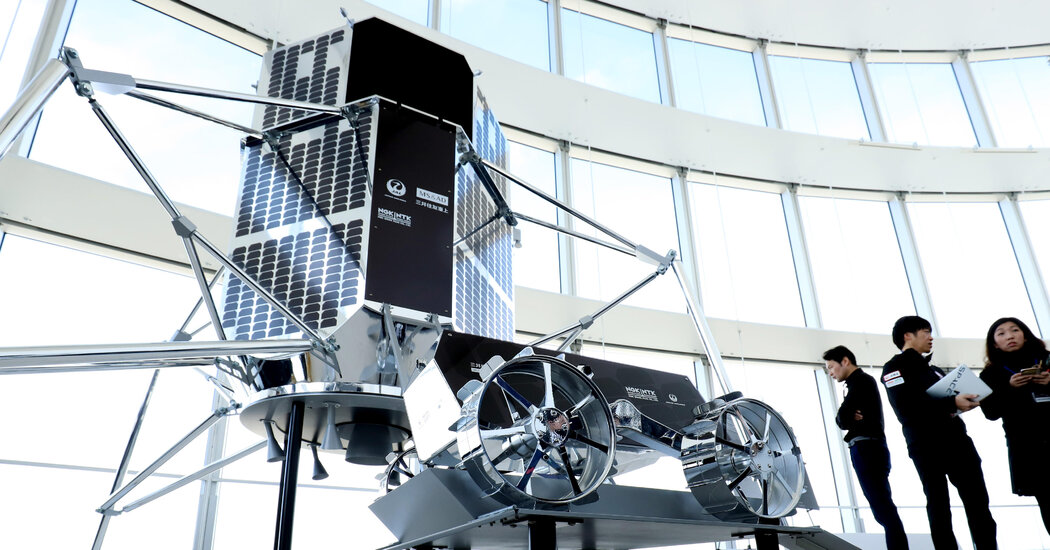
Ispace's Japanese Moon Lander, Hakuto-R Mission 1, crashed due to a software glitch that caused it to misjudge its altitude during landing. The software guiding the descent lost track of the lander's altitude when it passed over the rim of a crater on the moon's surface that was about two miles higher than the surrounding terrain. The failure pointed to shortcomings in Ispace's testing of the spacecraft's landing software, which was developed by Draper Laboratory of Cambridge, Mass. The company's next two missions remain largely unchanged, involving an almost identical lander next year and a larger spacecraft in 2025 to the far side of the moon.
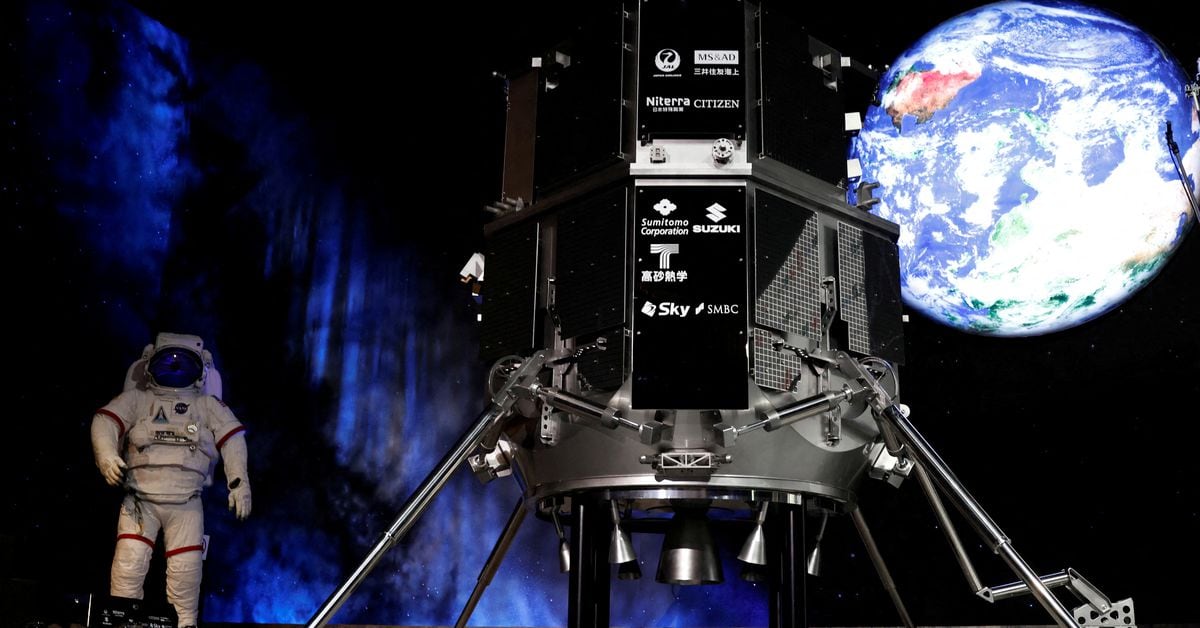
Japanese startup ispace has revealed that the failed Hakuto-R moon landing mission was caused by an altitude miscalculation that led to the spacecraft running out of fuel. The crash was the latest setback in Japan's space programme. Improvements would be made for the next two missions, ispace said. The company had changed the targeted landing location as late as seven months before the touchdown attempt, foregoing a flatter terrain selected in 2021 for the newer site near a cliff "to maximize the benefit of the mission," Ujiie told reporters.