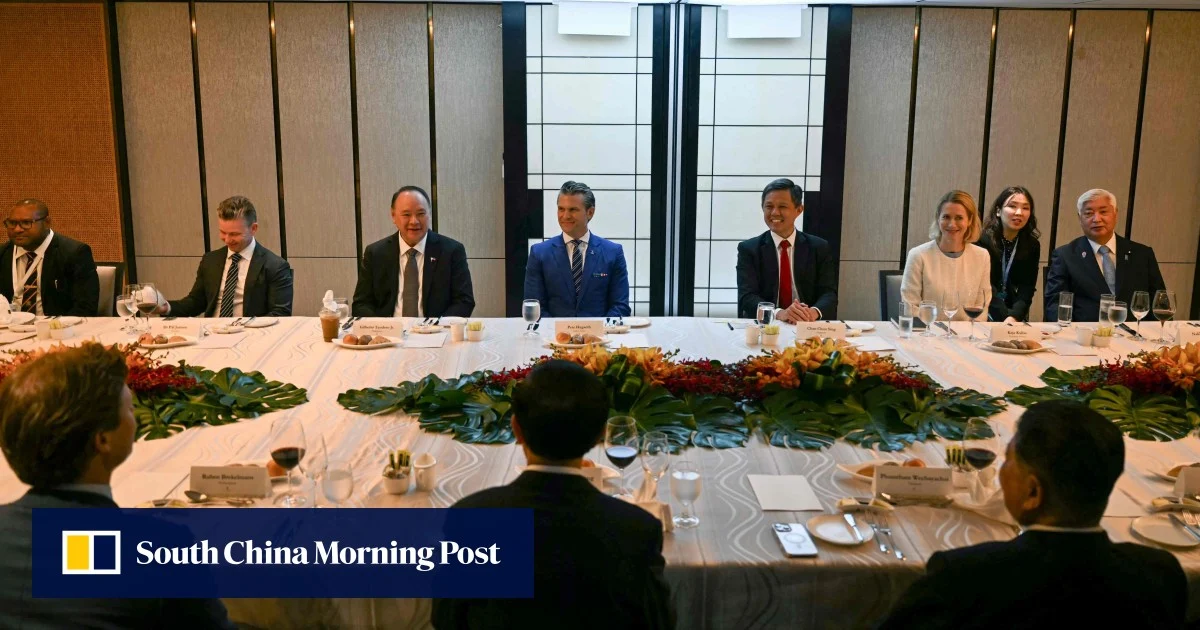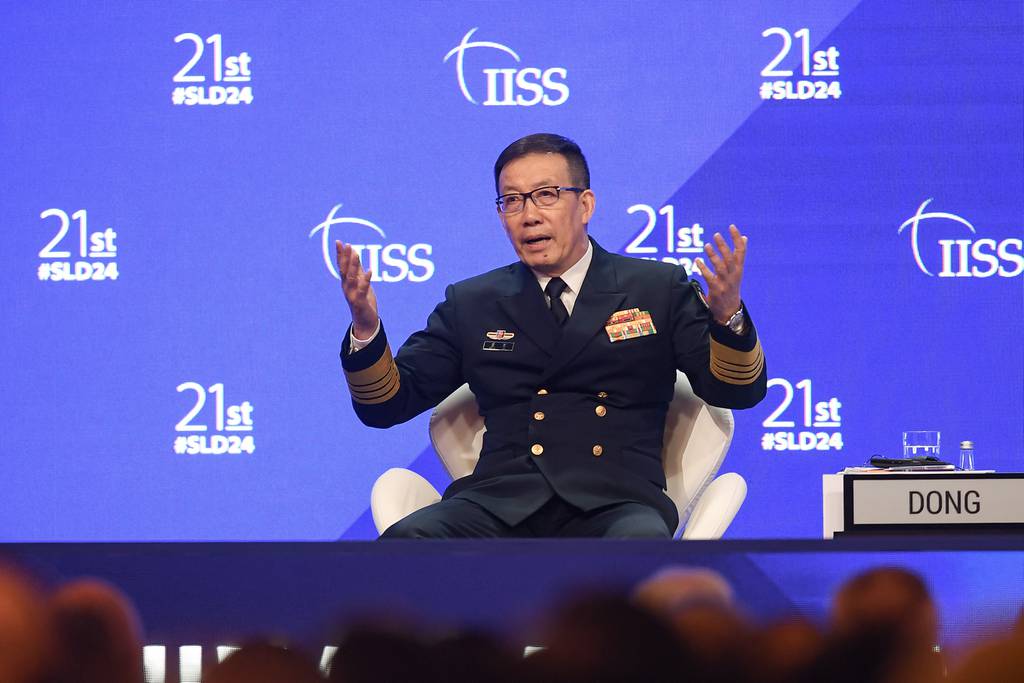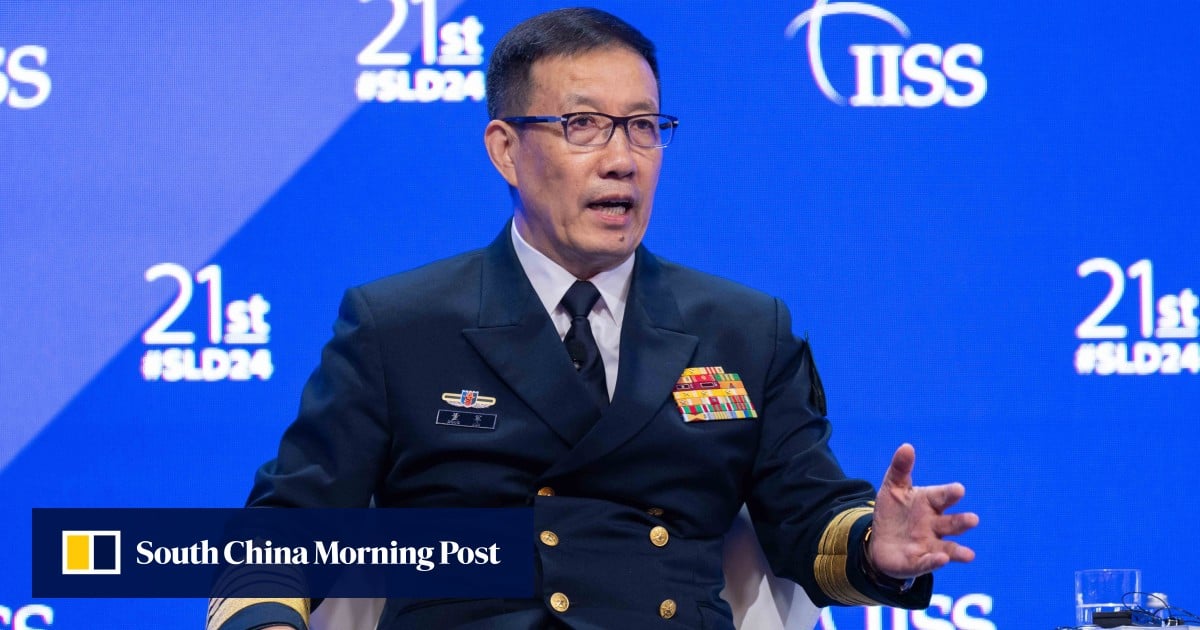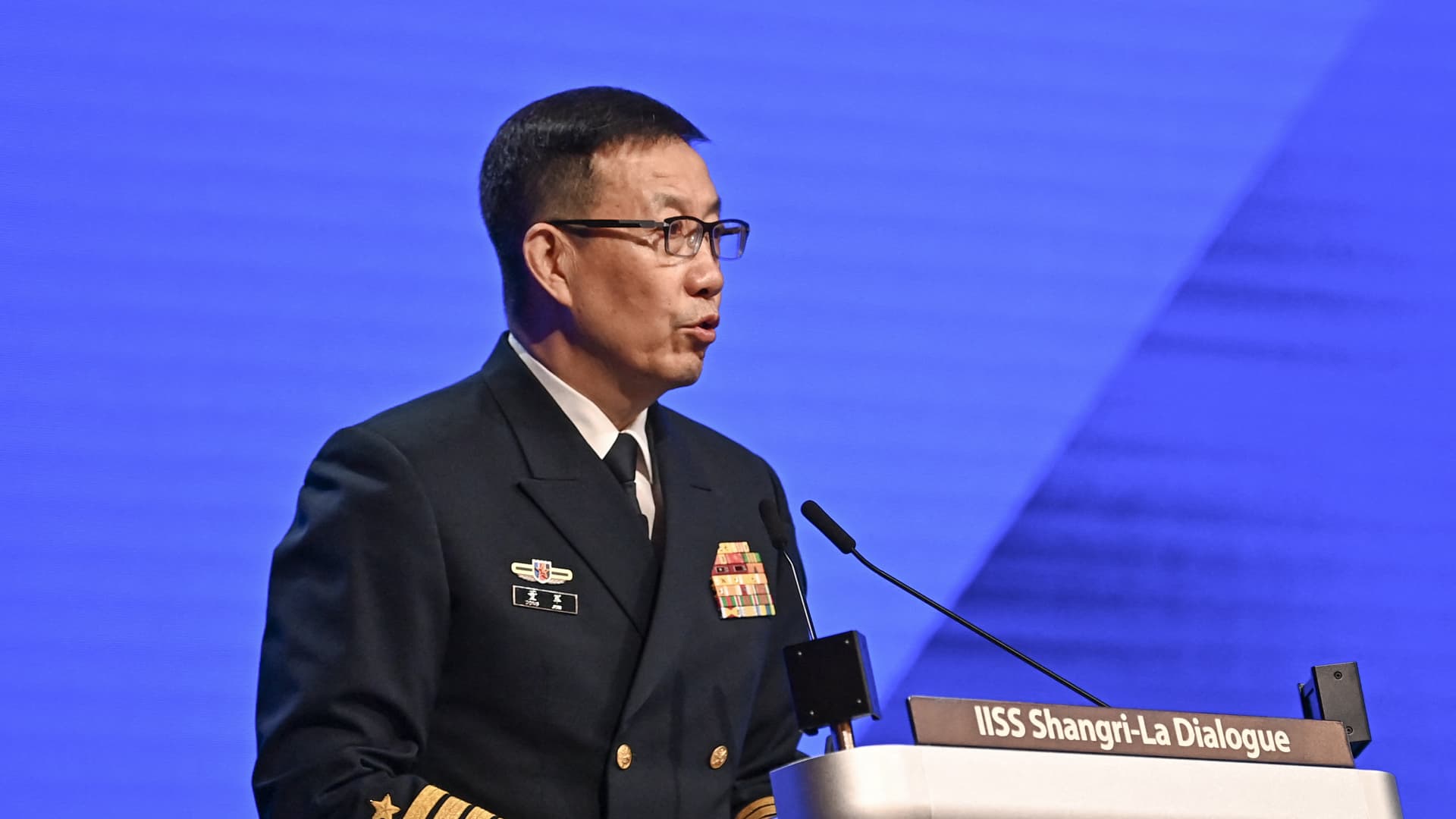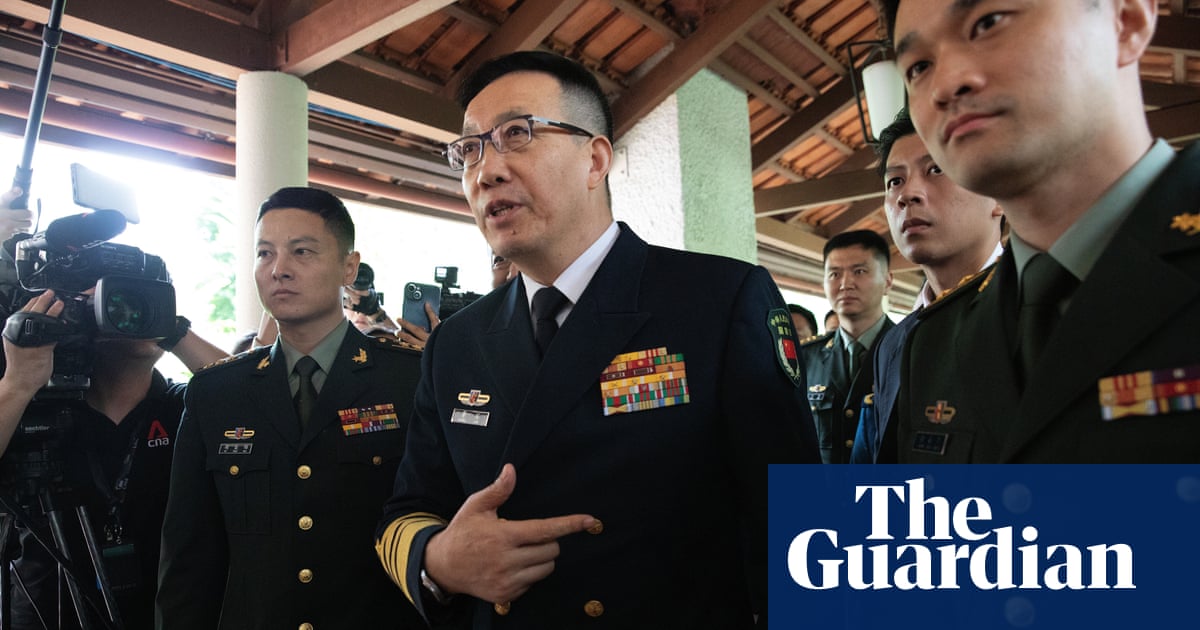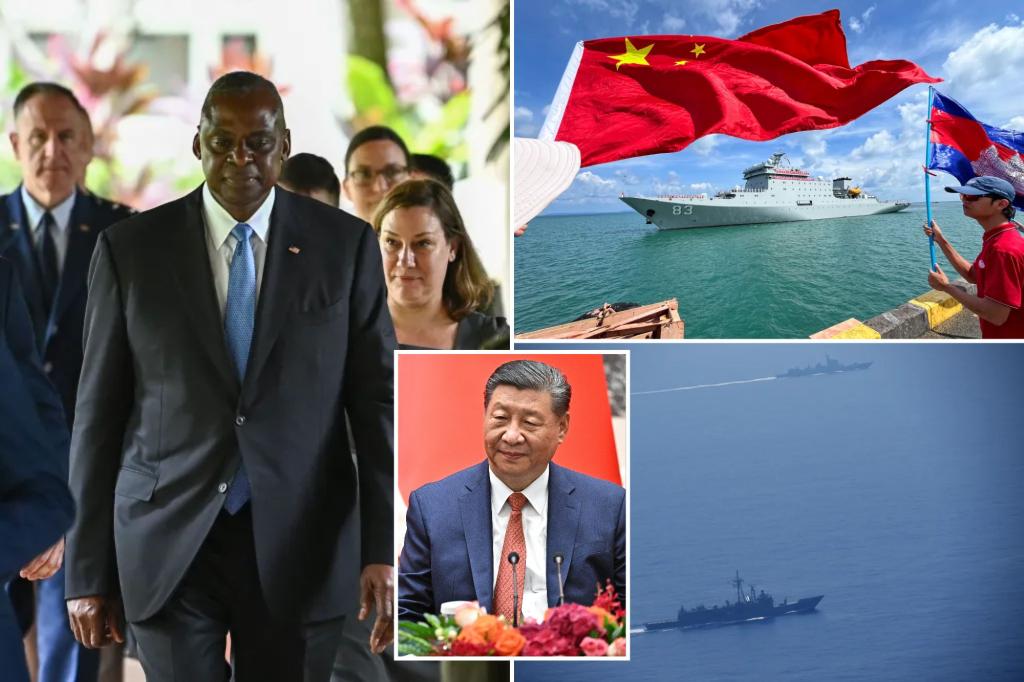
At the Shangri-La Dialogue, China accused the US of destabilizing the Asia-Pacific region through unfounded claims and military buildup, while the US warned of potential Chinese aggression towards Taiwan, escalating regional tensions.
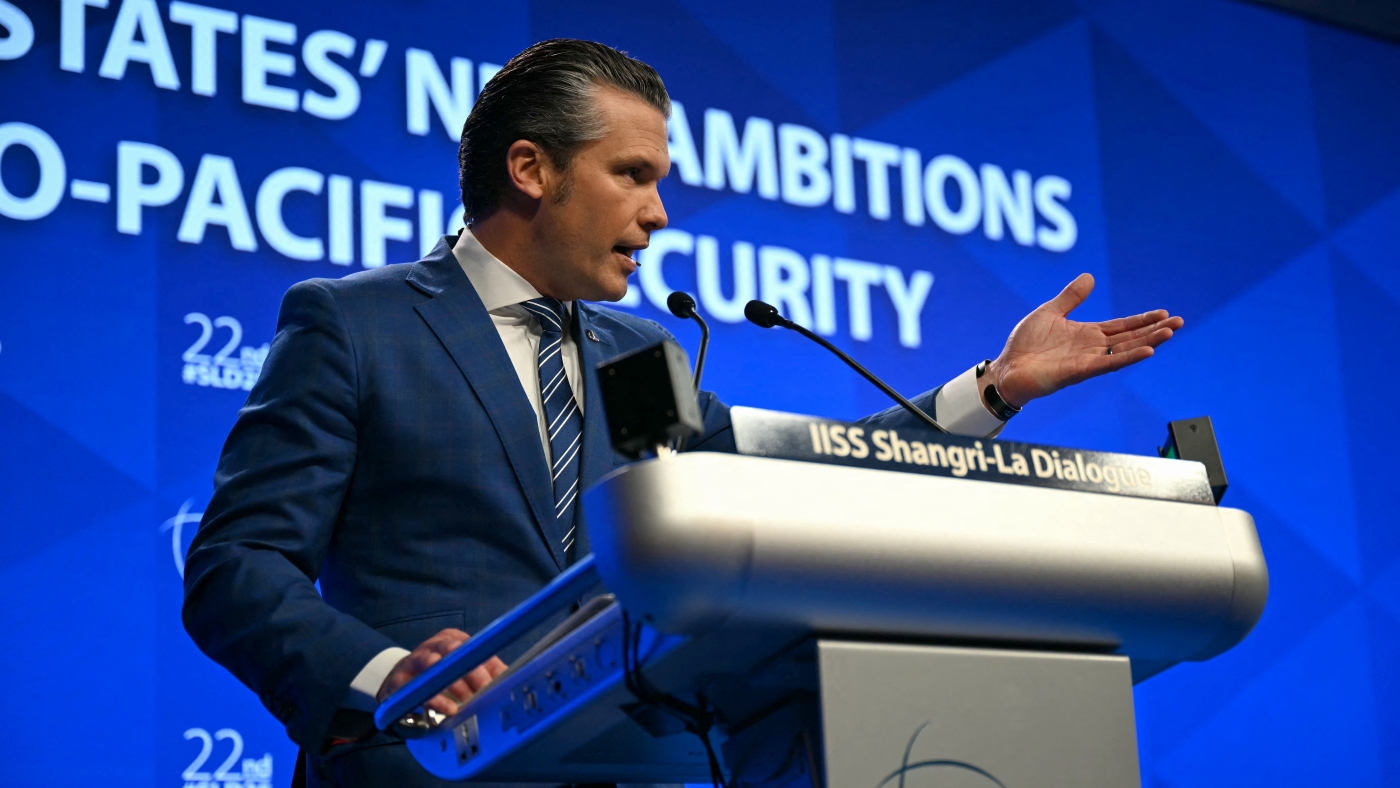
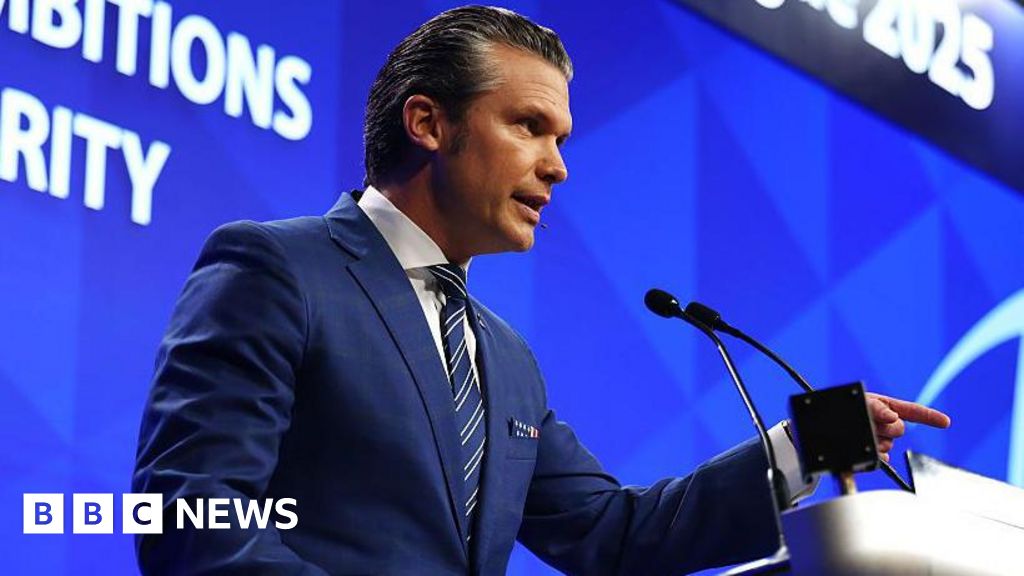
US Defense Secretary Pete Hegseth warned at the Shangri-La Dialogue that China poses a significant threat to the Indo-Pacific, prompting the US to reorient its military strategy, potentially including troop adjustments, while emphasizing a stance of deterrence and cooperation with regional allies. The speech drew mixed reactions, with some viewing it as hostile and others as supportive of US allies, amid broader debates on US and Chinese influence in the region.
Singapore’s defence minister highlighted the absence of China’s defence chief at the Shangri-La Dialogue, noting that most attendees wished for China’s presence to prevent misunderstandings, as the forum continues to serve as a key platform for security discussions.
US Secretary of Defense Pete Hegseth warned of an 'imminent' threat from China to Taiwan, urging Asian countries to increase defense spending and collaborate with the US to deter potential conflict, amid concerns over China's military buildup and territorial ambitions in Asia.
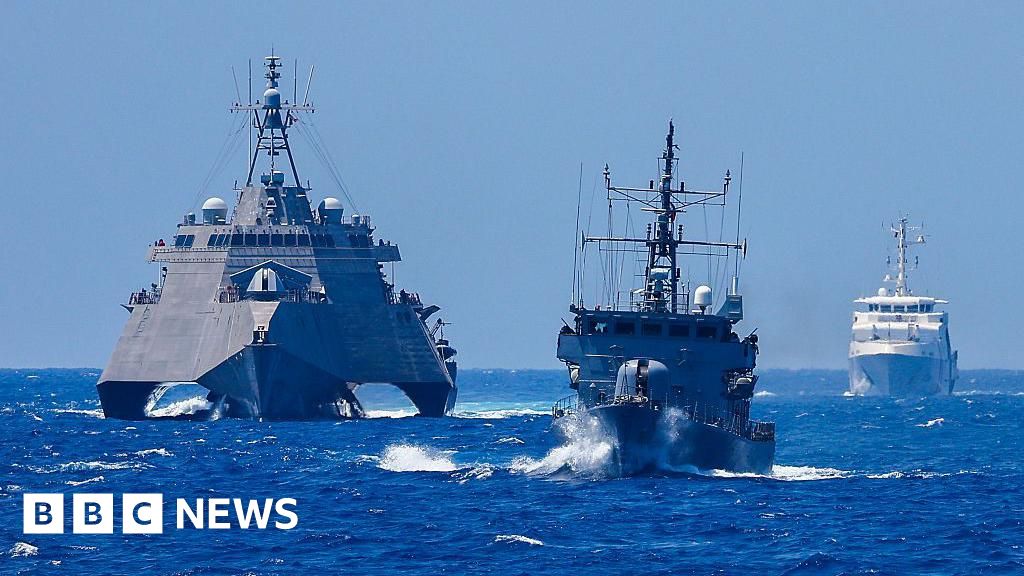
The Shangri-La Dialogue in Singapore highlights the escalating strategic competition between the US and China in the Asia-Pacific, focusing on military build-up, territorial disputes, and regional alliances, amid concerns over China's ambitions to dominate the region and North Korea's nuclear advancements.
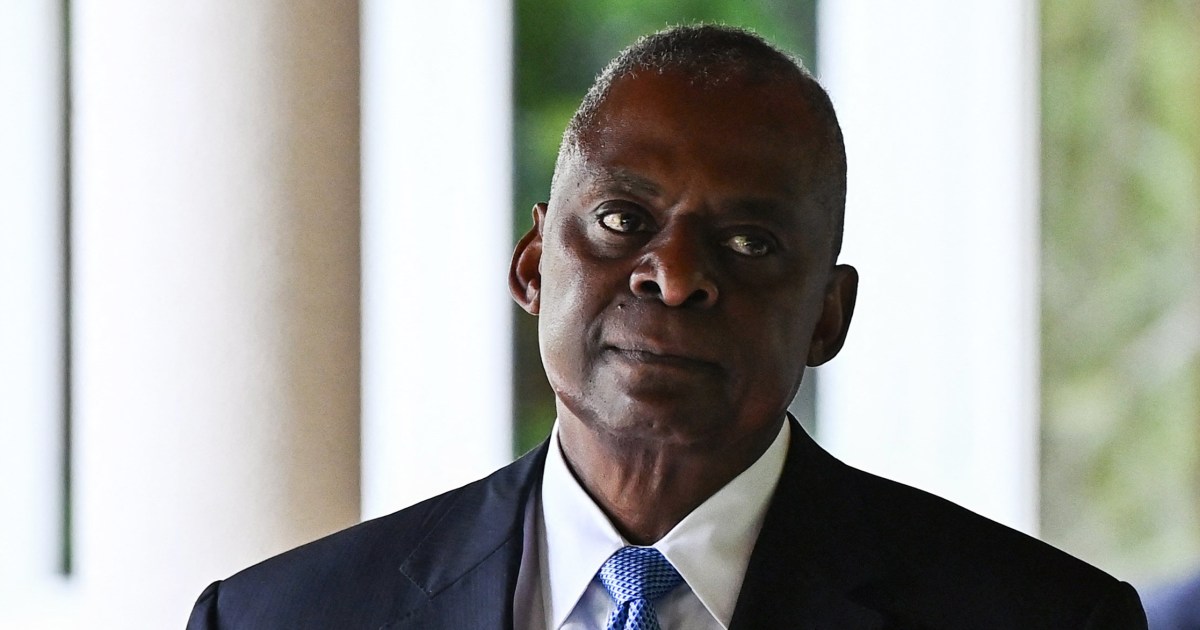
At the Shangri-La Dialogue in Singapore, U.S. and Chinese defense leaders presented opposing security visions for the Indo-Pacific. U.S. Defense Secretary Lloyd Austin emphasized Washington's expanding network of security partnerships, while China's Defense Minister Dong Jun accused the U.S. of foreign interference and promoted China's own alliances. The conference highlighted growing regional tensions, particularly around Taiwan and the South China Sea, and showcased the increasing alignment of some Asian countries with the U.S. against perceived Chinese aggression.
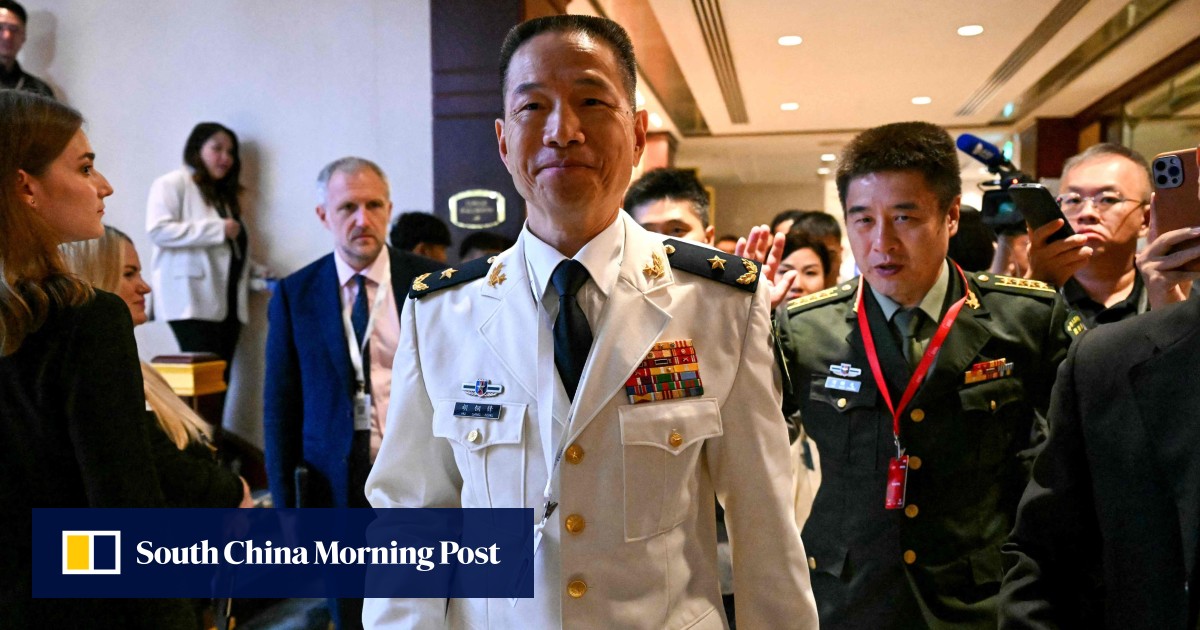
At the Shangri-La Dialogue in Singapore, China's new defense minister, Adm. Dong Jun, issued a stern warning that supporters of Taiwan's independence face "self-destruction" and noted the eroding chances of peaceful reunification. Despite resuming military talks with the U.S., Dong's speech highlighted China's hardened stance on Taiwan and the South China Sea, drawing criticism from regional leaders and the U.S. for China's coercive activities.
At the Shangri-La Dialogue in Singapore, Chinese Defence Minister Dong Jun reiterated Beijing's stance against Taiwanese independence, warning that separatists would be "crushed to pieces." He criticized external forces, implicitly the US, for destabilizing the Asia-Pacific region and emphasized China's commitment to peaceful reunification with Taiwan. Dong also addressed regional disputes, particularly in the South China Sea, urging cooperation and dialogue while condemning provocations, notably from the Philippines.
China's Defense Minister Dong Jun warned that any attempt to separate Taiwan from China would lead to "self-destruction," reiterating Beijing's commitment to peaceful reunification and criticizing Taiwan's new president for promoting independence. He also accused unnamed foreign powers of undermining the "One China" principle and addressed tensions in the South China Sea, emphasizing China's commitment to peaceful dispute resolution but limited tolerance for provocations.
Chinese Defence Minister Dong Jun reiterated threats against Taiwanese independence, warning of severe consequences for separatist actions and accusing external forces of escalating tensions. He emphasized China's commitment to peaceful unification but stated readiness for extreme situations. Taiwan's government rejected China's claims, while Dong's comments followed a rare meeting with US Defence Secretary Lloyd Austin. Dong also addressed South China Sea disputes, accusing the Philippines of provocations and warning of limits to China's restraint.
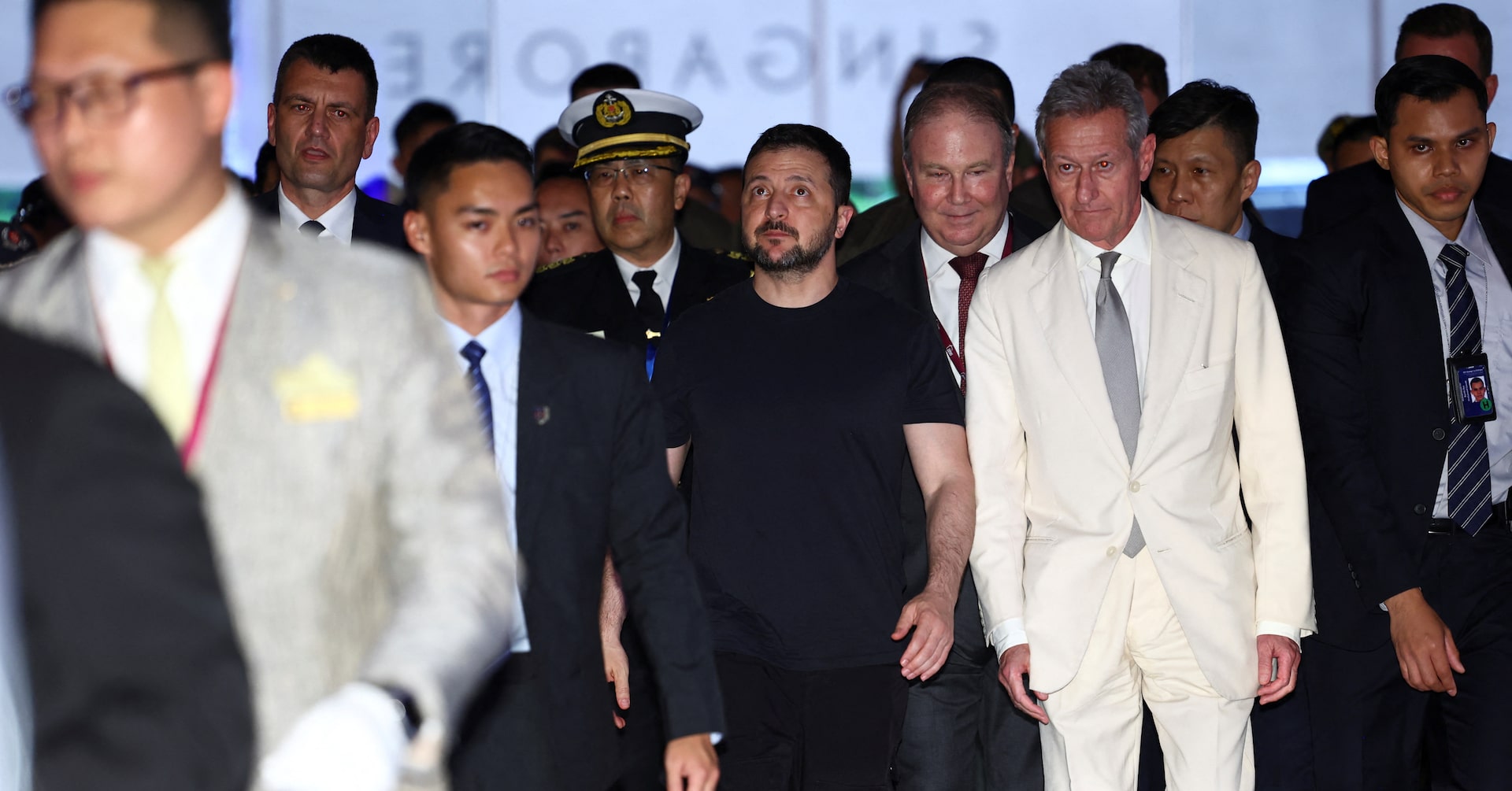
Ukrainian President Volodymyr Zelenskiy arrived in Singapore for the Shangri-La Dialogue conference, where he plans to meet U.S. Defense Secretary Lloyd Austin and other leaders to discuss support for Ukraine and a peace summit in Switzerland. Zelenskiy emphasized the need for global security and condemned Russia's actions since its 2022 invasion. The U.S. and Sweden have recently approved significant military aid for Ukraine, while Russia continues its assaults.
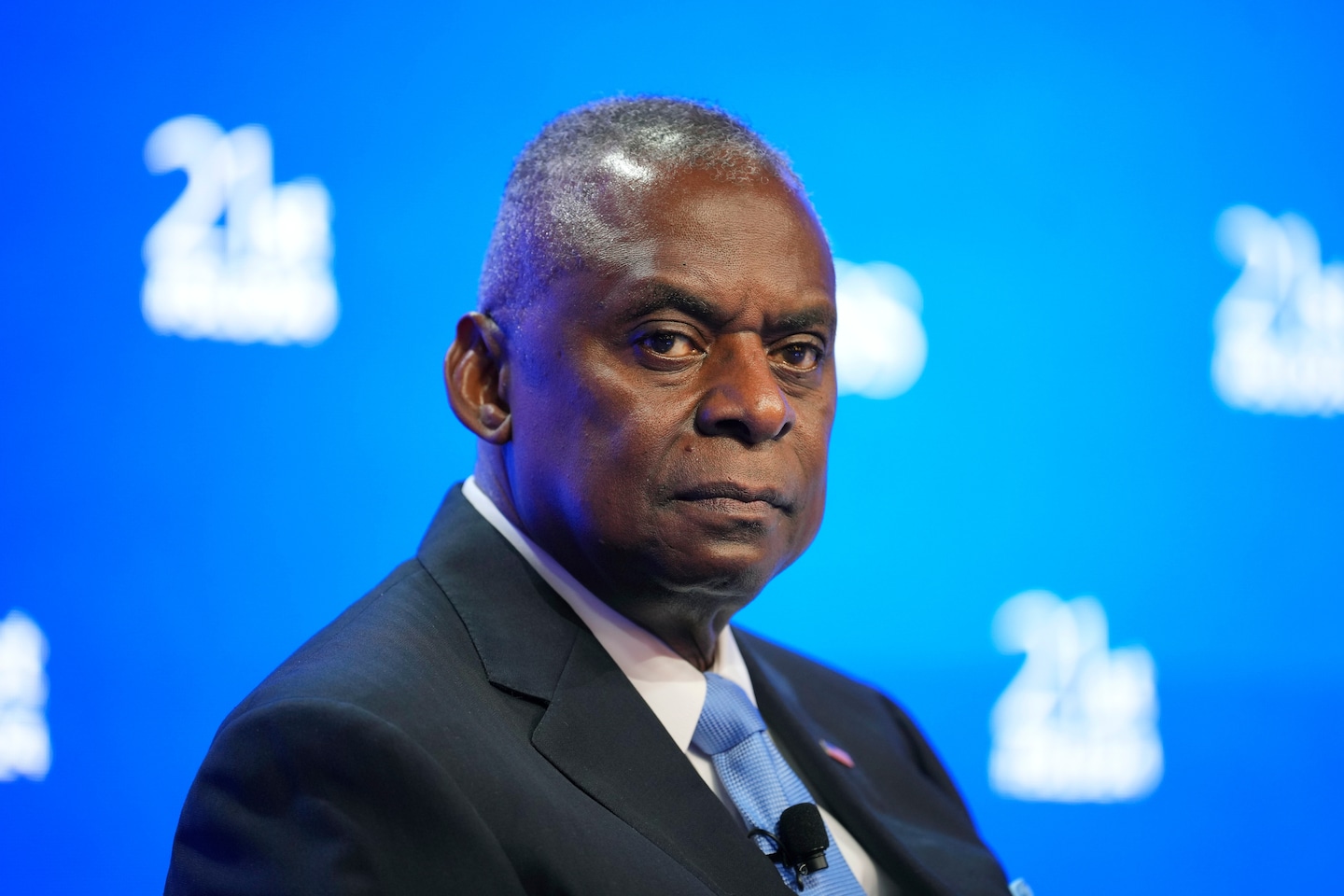
US Defense Secretary Lloyd Austin emphasized that war with China is neither imminent nor unavoidable, highlighting the importance of dialogue to prevent miscalculations. His comments at the Shangri-La defense forum followed a meeting with Chinese Defense Minister Dong Jun, the first since 2022. Despite ongoing tensions over Taiwan and the South China Sea, Austin stressed the need for continued communication to manage strategic risks and support regional allies.
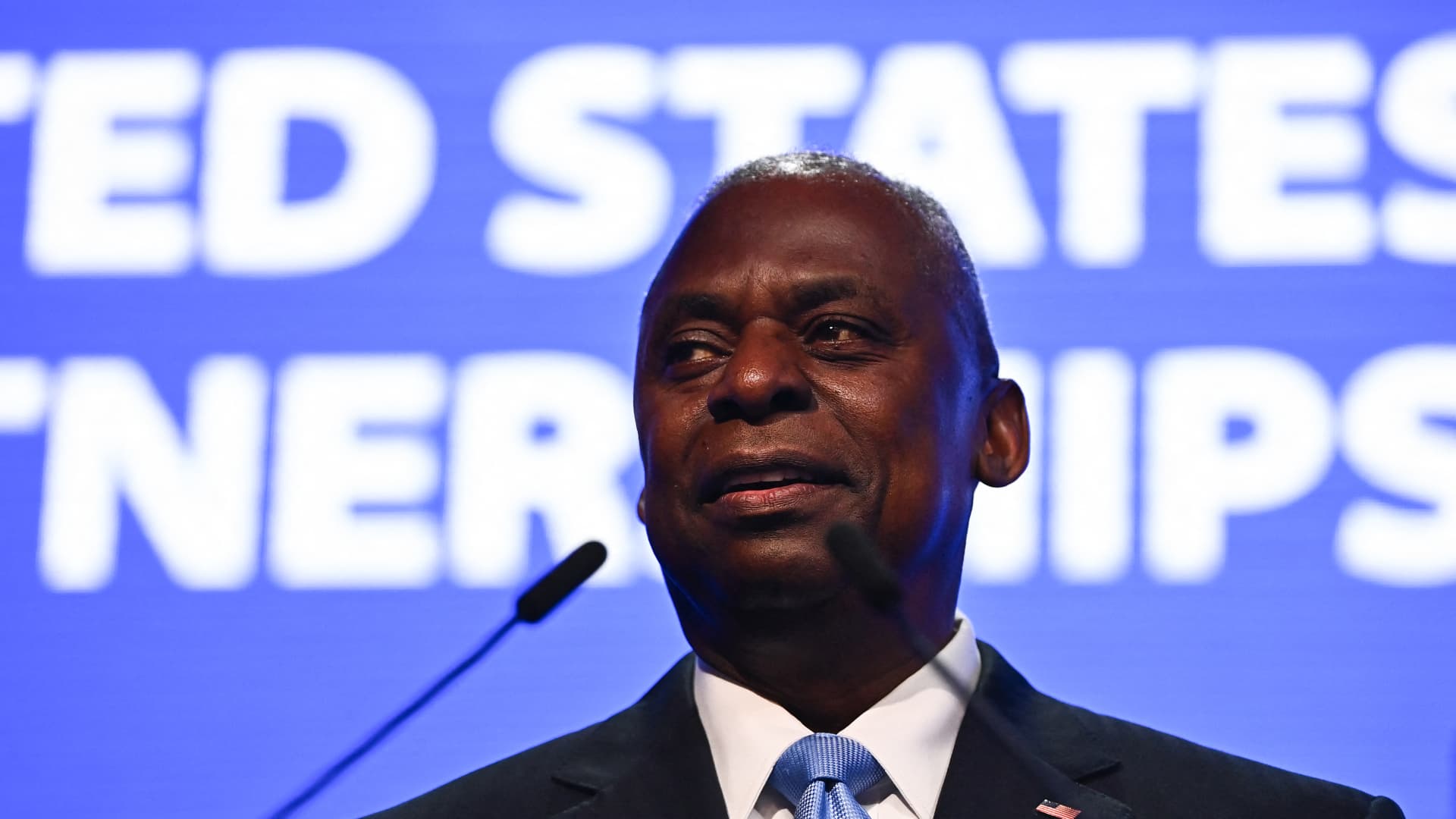
U.S. Defense Secretary Lloyd Austin reaffirmed America's commitment to the Indo-Pacific region at the Shangri-La Dialogue in Singapore, emphasizing the importance of cooperation for regional prosperity and security. He highlighted the U.S.'s partnerships with countries like the Philippines, Australia, and Japan, and dismissed the notion of forming a NATO-like alliance in the region. Austin also addressed concerns about potential conflicts, particularly with China, and reiterated the U.S.'s commitment to mutual defense treaties.
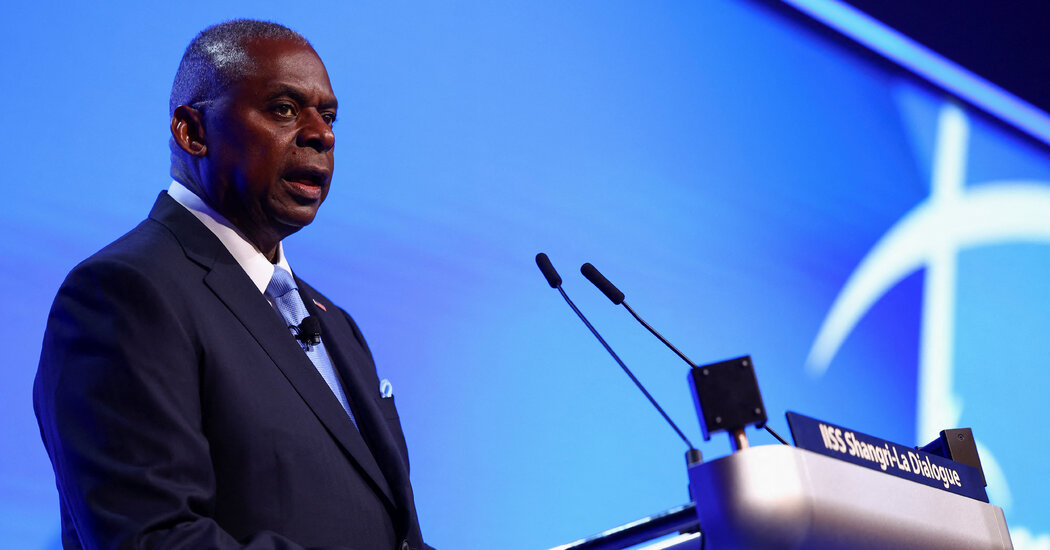
U.S. Defense Secretary Lloyd J. Austin III emphasized that the Asia-Pacific region remains a priority for the Biden administration despite ongoing conflicts in Ukraine and the Middle East. Speaking at the Shangri-La Dialogue in Singapore, Austin reassured allies and addressed military tensions with China, following his first in-person meeting with China's defense minister in 18 months.
At the Shangri-La Dialogue in Singapore, U.S. Defense Secretary Lloyd Austin and Chinese Defense Minister Dong Jun clashed over Taiwan, with Austin expressing concerns about Chinese military activities near the island and Dong warning against U.S. interference. Both sides stressed the importance of maintaining open military communications. The summit also addressed South China Sea tensions, with Philippine President Ferdinand R. Marcos Jr. expected to discuss the region's geopolitical significance.