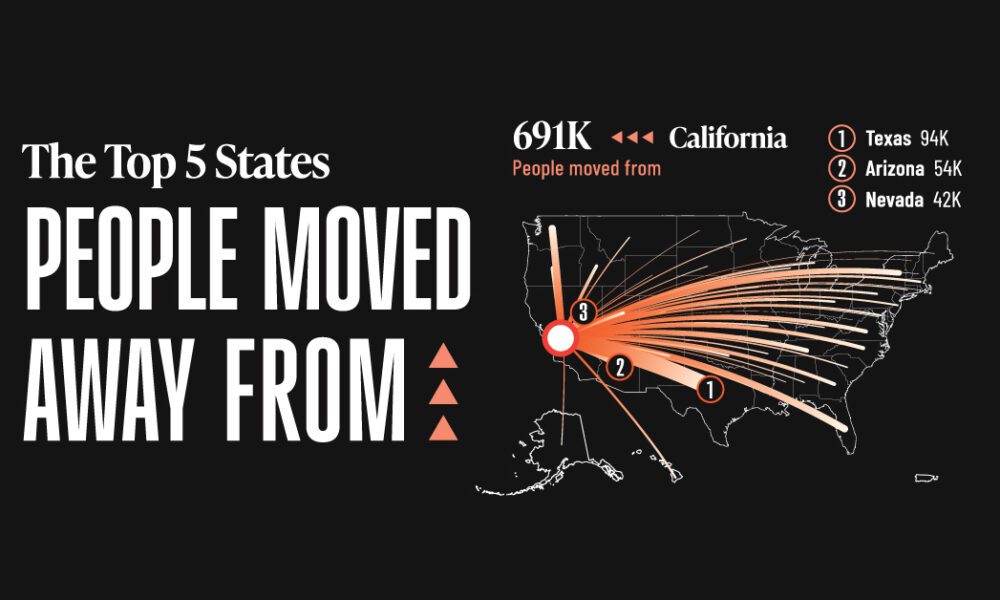
In 2023, the top five states Americans moved away from were California, Florida, New York, Texas, and Illinois, according to U.S. Census Bureau data. California saw the highest outflow with 690,502 residents leaving, primarily moving to Texas, Arizona, and Nevada. Despite high out-migration, states like Florida, Texas, and California also attracted many new residents, indicating high migration turnover influenced by factors such as job opportunities, housing costs, and lifestyle preferences. New York's out-migration is driven by high living costs and the shift to remote work.

Property taxes vary widely by location, with New Jersey, Connecticut, New York, New Hampshire, and Massachusetts having the highest median property tax bills for single-family homes in 2023, while West Virginia had the lowest. The amount of property taxes paid is influenced by home values and individual state property tax rates, with hyperlocal variations within states. Homeowners in the greater New York City area, including surrounding cities and suburbs, faced the highest property tax bills, with Westchester County, New York, having the highest median value of $15,373.
Utah has the second-highest rate of people reporting shortages of prescription medication in the U.S., with over 16% of Utahns experiencing difficulties. The state also ranks sixth in shortages of over-the-counter meds. The University of Utah Health's Drug Information Service tracks shortages, including medications for ADHD, chemotherapy, and blood pressure. Expert advice includes maintaining a relationship with a single pharmacy, talking to pharmacists about alternative medications, and not panicking when facing supply issues.
Florida dominates the list of fastest-growing metropolitan areas in the U.S. from 2022 to 2023, with The Villages and Wildwood area leading at 4.7 percent population growth, followed by Lakeland and Winter Haven at 3.8 percent. Ocala and Port St. Lucie also made the top five, with the only non-Florida area being Myrtle Beach, S.C. The U.S. Census Bureau noted that this growth reflects a larger trend of population increase across the South, which is the nation's fastest-growing region.
Texas leads the U.S. in population growth, with six out of the 10 fastest-growing counties and eight out of the top 10 counties adding the most residents. The state's major counties, including Harris, Collin, and Montgomery, saw significant population increases, contributing to Texas' overall growth of nearly half a million people in 2023. Additionally, Texas' four most populous metro areas experienced substantial population increases, with the greater Dallas area leading the pack. The Midland metro area, driven by job growth in the energy sector, also saw rapid population growth, reflecting the overall trend of faster growth in the southern U.S.
Dallas-Fort Worth led all metro areas in population growth in 2023, adding over 152,000 new residents, bringing its population to 8.1 million. Texas counties claimed eight of the top 10 spots for most new residents, with Harris County gaining 53,000 people. The growth is attributed to net migration, changes in births and deaths, and job opportunities brought by company relocations, especially in Collin and Denton counties. The region has emerged as a mecca for financial services companies and jobs, attracting a flood of new residents.
Texas has experienced the largest population increase among U.S. states, adding an estimated 473,453 people in the past year, according to new data from the U.S. Census Bureau. With a population of 30,503,301, Texas is now the second most populous state, trailing only California. Florida, North Carolina, and Georgia also saw significant population growth, while New York and California experienced declines. Texas ranks as the third-fastest-growing state in terms of percentage change, with a 1.58% increase.
South Carolina and Florida were the fastest-growing states in the US in 2023, with the South dominating population gains. The US experienced its largest population gain in five years, adding 1.6 million people, primarily driven by international migration. The growth rate increased slightly from the previous year due to a drop in deaths, but it remains low compared to historical standards. South Carolina had the highest growth rate, followed by Florida and Texas, while New York experienced the largest decline in population.
The U.S. population is returning to pre-pandemic norms as the number of annual deaths decreased and migration patterns reverted to pre-2020 levels, resulting in a population gain of 1.6 million people in 2023. The South accounted for 87% of the nation's growth, while the Midwest and West also experienced population increases. More states gained population in 2023 compared to previous years, reflecting a broader national trend. Puerto Rico's population decline slowed, and the U.S. territory saw positive net migration for the first time since the pandemic began.
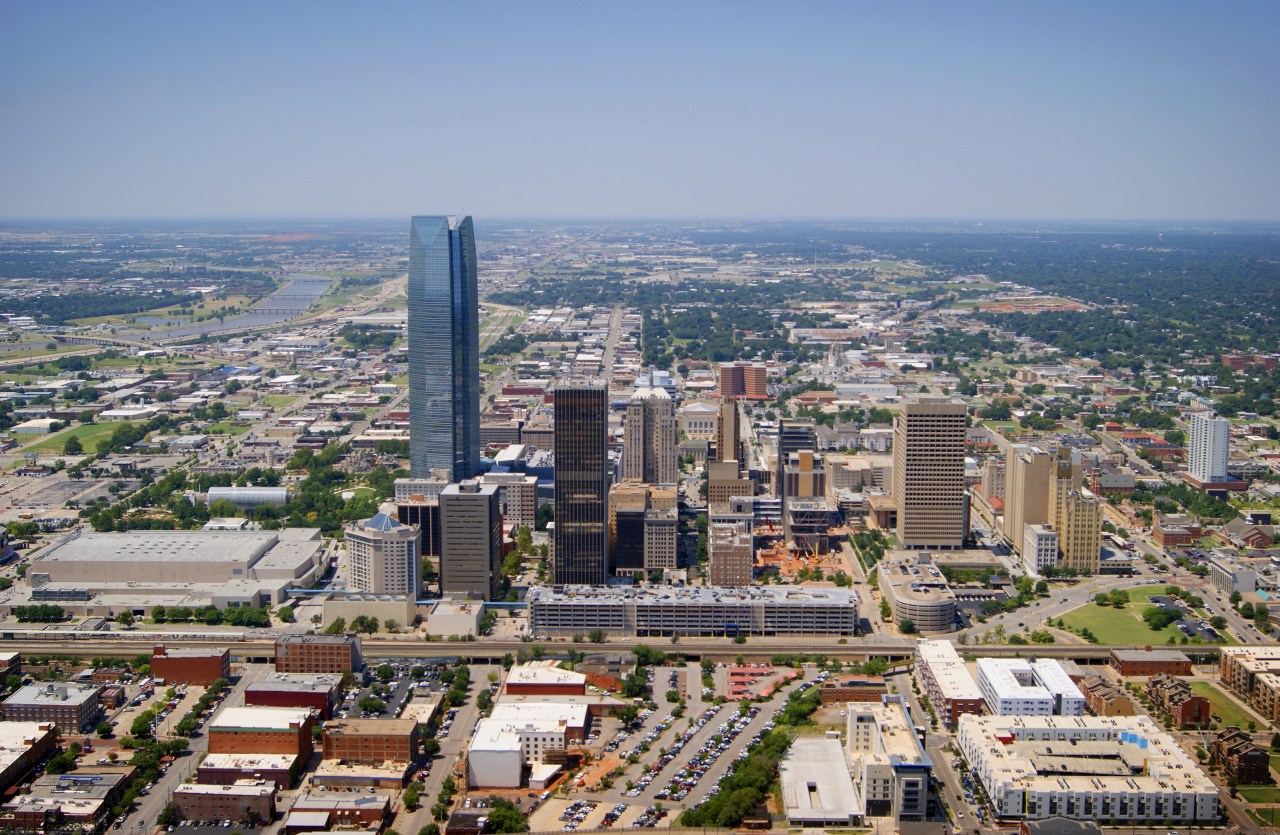
The definition of "middle class" varies depending on location and household size. According to Pew Research Center, nationwide, middle income ranges from $52,000 to $156,000 for a family of three. In Oklahoma City, a household would be considered middle class if it earns between $39,984 and $119,358. For an individual in the Oklahoma City metro, making between $25,500 and $76,000 would be considered middle class. However, inflation has increased the cost of living, so these numbers may not go as far as they used to.
The US Census Bureau has reported an increase in the poverty rate in 2022, marking the first rise in years. The child poverty rate more than doubled from the previous year, largely due to the loss of the expanded Child Tax Credit. Experts warn that without adequate social safety net programs, the trend could worsen. The end of pandemic-era benefits, such as child tax credits and expanded unemployment benefits, likely contributed to the increase. Social scientists predict that the number of American families living below the poverty line could continue to grow if the lessons learned from the pandemic are not taken into account.
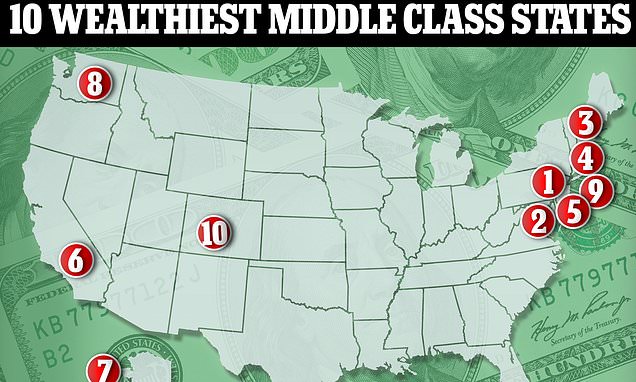
New data from SmartAsset shows that there is a nearly $100,000 disparity between household incomes required to be considered middle class in cities across the United States. The data was compiled using the US Census Bureau's American Community Survey and compared the top and bottom thresholds of the middle class across 100 cities, along with the across all fifty states. The west coast dominated the list of wealthiest cities for the middle class, with California cities taking four of the top 10 spots, Arizona cities taking three, and Washington claiming one. Americans facing rising inflation have become nostalgic for prices from just two years ago.
According to an analysis of 2021 U.S. Census Bureau data by SmartAsset, it takes an income of $36,175 per year to be considered middle class in Albuquerque, with the upper limit at about $108,000. This is relatively low compared to other major cities, with Freemont, California having the highest middle class income at over $104,000. However, there is no agreed-upon definition of 'middle class' and being in the middle class doesn't necessarily mean a higher quality of life.
The U.S. Census Bureau has released survey data showing that people working from home became younger, more diverse, better educated, and more likely to move during the COVID-19 pandemic. The share of the U.S. labor force working from home went from 5.7% in 2019 to 17.9% in 2021, with the demographic makeup of people working from home becoming more like workers who were commuting. The two industry groups that saw the greatest jumps in people working from home were in information and finance, insurance, and real estate. The share of home-based workers with a college degree also jumped from just over half to more than two-thirds.
A survey by the US Census Bureau showed that during the COVID-19 pandemic, the share of the US labor force working from home increased from 5.7% to 17.9%, with younger and better-educated workers being more likely to work from home. The report also showed that remote workers were more likely to have moved in the past year than those still working from the office. The finance, insurance, and real estate industries saw the largest increase in home-based employees, while agriculture and mining, entertainment and food services, and the armed forces saw the smallest gains. The growth in work-from-home employees is unknown if it is permanent since the survey was taken in 2021, just before the pandemic restrictions were lifted.