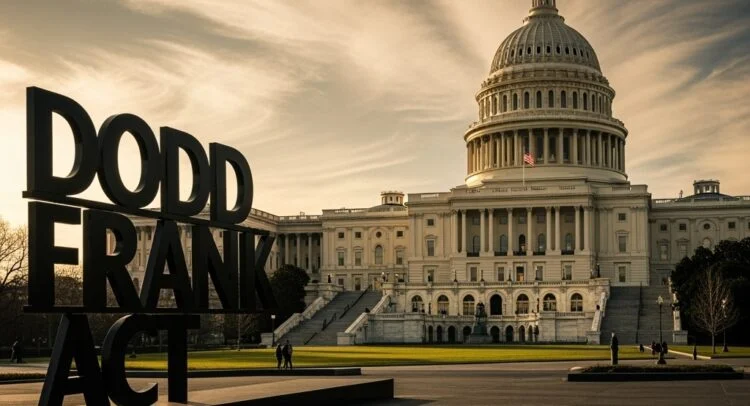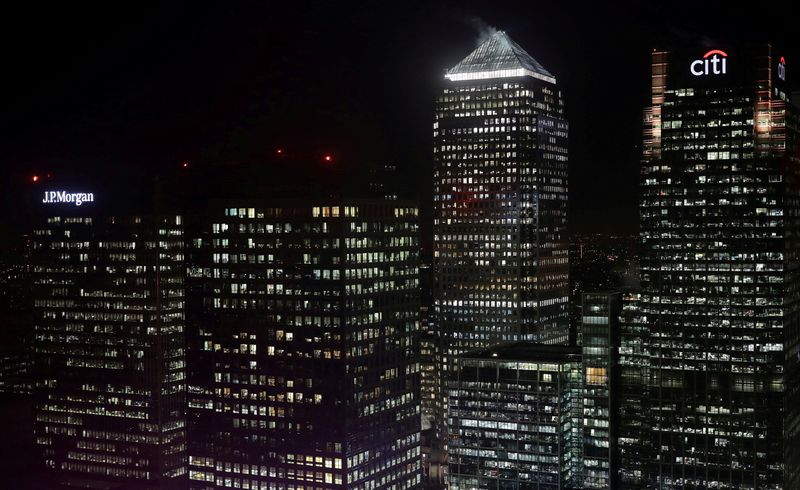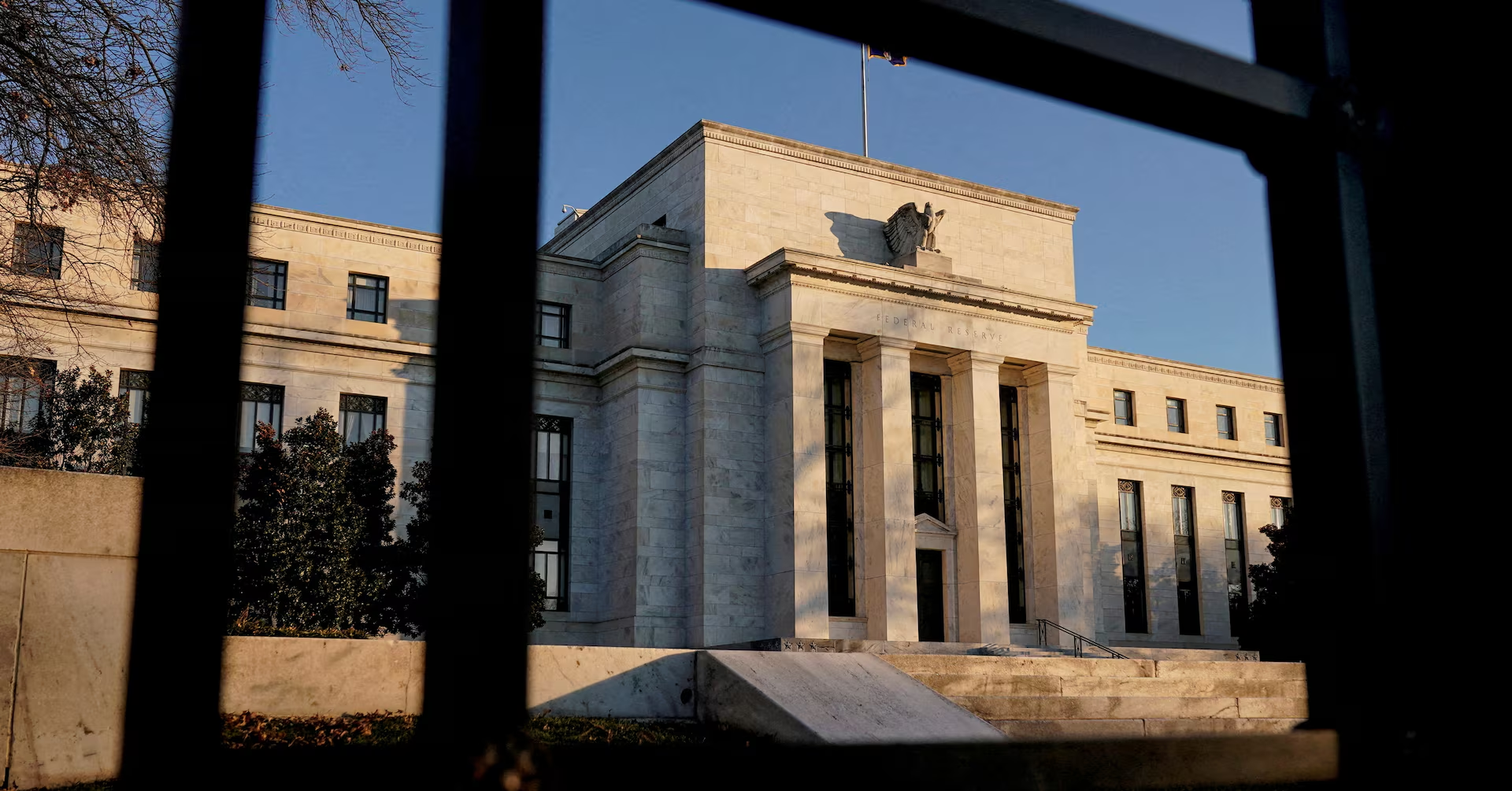
America’s six largest banks gained $600bn in market value in 2025 due to deregulation efforts and a revival in investment banking, outpacing European rivals and the broader market, with regulatory changes allowing higher leverage and less onerous capital rules fueling growth and investor confidence.
Investors are concerned about US banks following allegations of fraudulent corporate lending linked to Cantor Fitzgerald, leading to significant market declines and a loss of confidence in credit markets, although some major banks remain resilient and see the situation as isolated incidents.
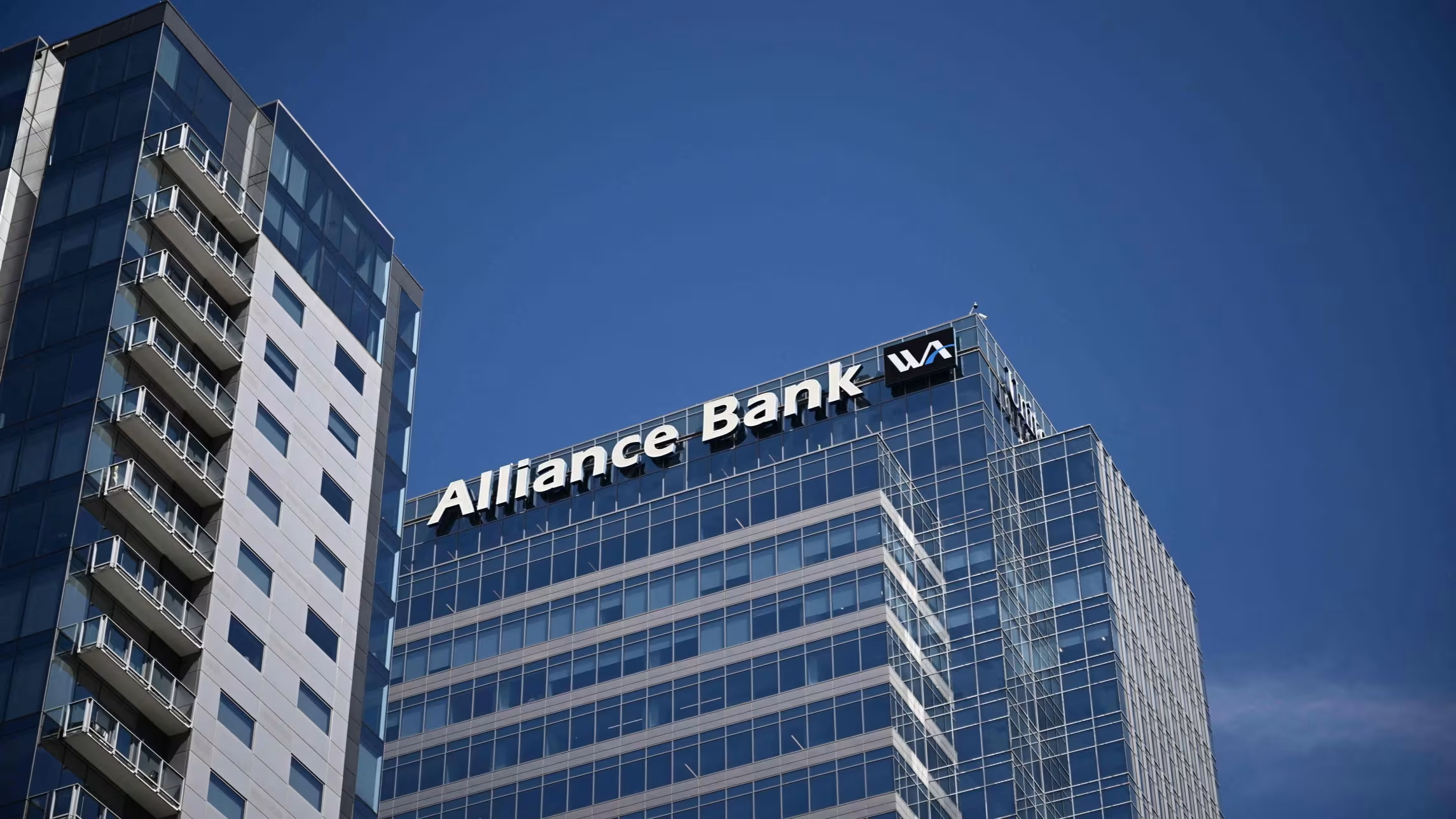
The UK stock market declined following concerns over US regional banks Western Alliance and Zions Bank facing loan issues, sparking fears of broader banking sector problems and causing global market declines, though some US bank shares rebounded and investors sought safe havens like gold amid heightened volatility.
US regional bank shares declined sharply due to concerns over credit risks following recent fraud disclosures, highlighting vulnerabilities in the banking sector.
Global stock markets rose amid optimism over AI growth, strong US bank earnings, and positive US business surveys, despite ongoing US-China trade tensions and government shutdown concerns. Major chipmakers like TSMC and ASML highlighted the strengthening AI megatrend, while US market gains were supported by upbeat bank results and a surprising uptick in business sentiment. Gold prices hit new highs, and market sentiment remained cautious about trade disputes and government shutdown impacts.
The article discusses potential deregulation efforts by Donald Trump that could unlock $2.6 trillion in bank lending capacity in the US, possibly reducing the need for further interest rate cuts by the Federal Reserve and significantly boosting earnings for major US banks like JPMorgan Chase, while raising concerns about financial stability and global regulatory impacts.
US banks borrowed a record $18.5 billion from the Fed's repo facility amid funding pressures linked to quarterly tax payments and Treasury debt settlements, indicating tightness in meeting financial obligations and increased demand for secured funding.
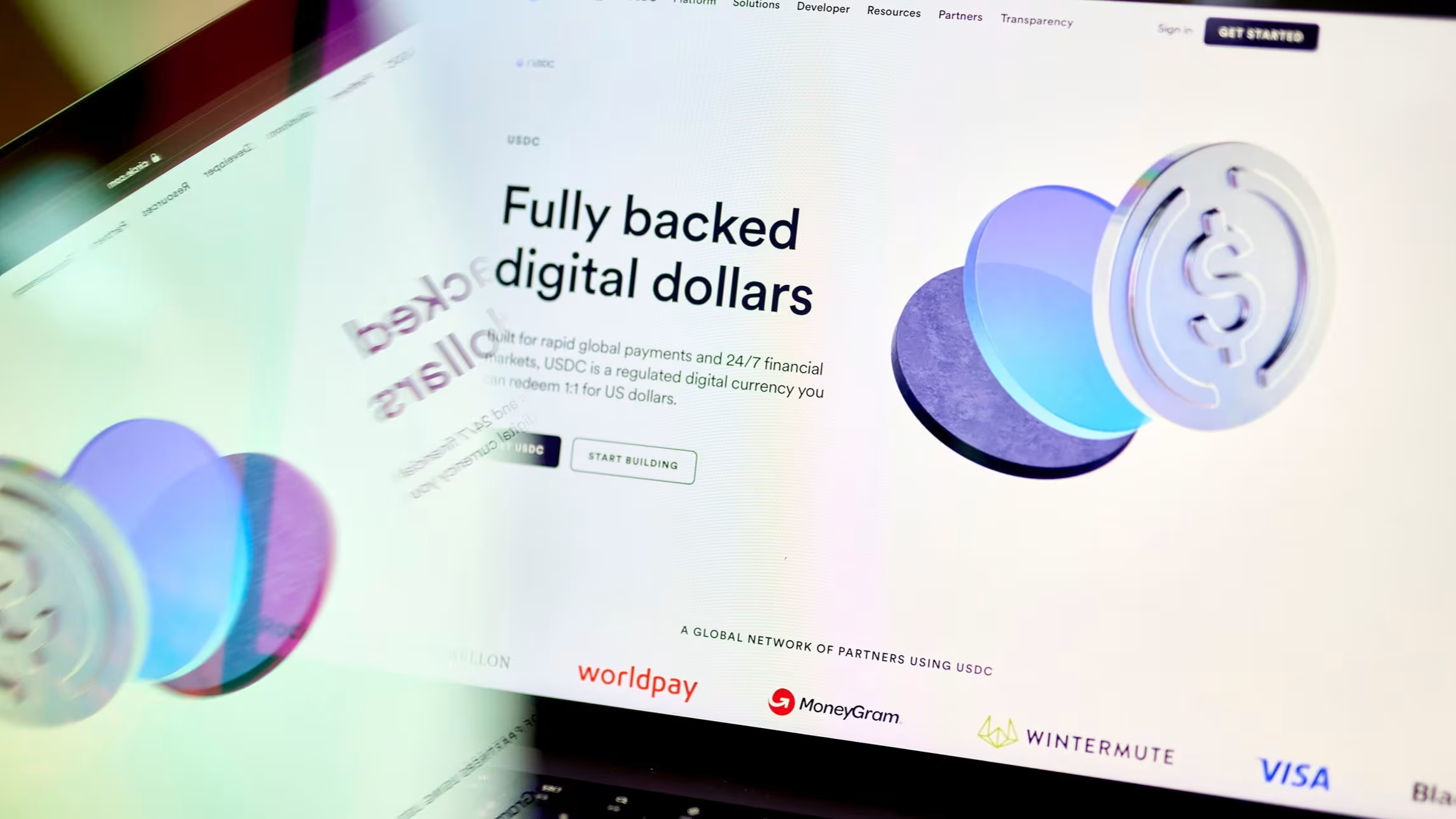
US banks are lobbying to block interest on stablecoins due to concerns that it could lead to deposit flight from traditional banks, reflecting ongoing regulatory and financial stability debates.
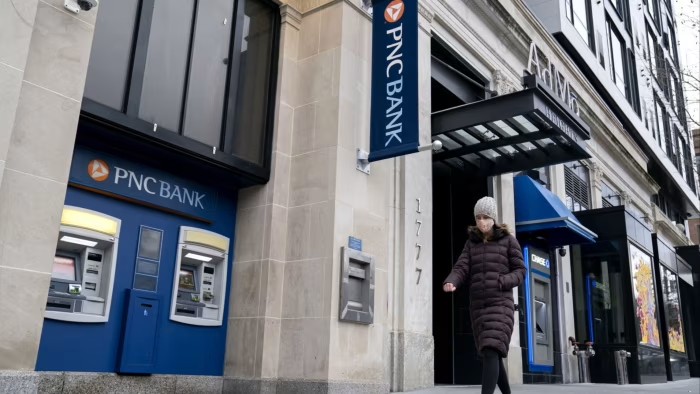
PNC Bank is partnering with Coinbase to offer cryptocurrency trading, marking a significant shift as US banks become more involved in digital assets, supported by recent legislation and changing industry attitudes, with PNC aiming to challenge larger rivals and expand its services in the digital finance space.
Major US banks like Bank of America and Citibank are planning to launch stablecoins amid evolving crypto-friendly regulations, with Bank of America working on a stablecoin and others monitoring developments, signaling increased institutional interest in digital assets.
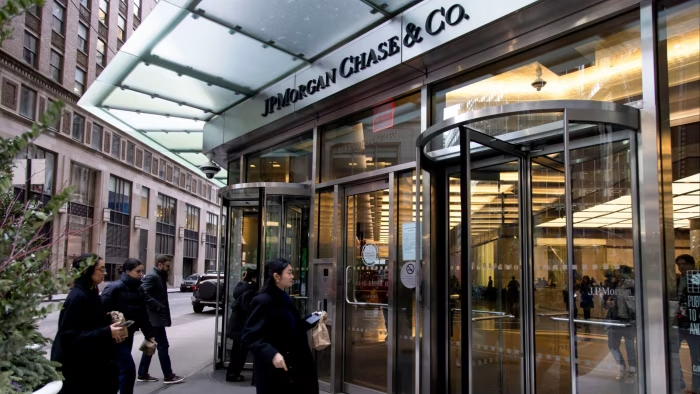
US major banks like JPMorgan Chase, Citigroup, and Wells Fargo reported a rebound in dealmaking and investment banking revenues in Q2, driven by M&A activity and market resilience despite ongoing economic and tariff uncertainties, with optimism for continued growth in the sector.
Major US banks like JPMorgan Chase, Bank of America, and Wells Fargo have increased dividends and announced stock buybacks after passing the Federal Reserve's annual stress test, indicating strong financial health and capacity to reward shareholders.
Following the Fed's easing of stress test conditions, major US banks like JPMorgan, Goldman Sachs, and Bank of America announced increased dividends and share buybacks, reflecting a more relaxed regulatory environment after passing the recent tests that assessed their resilience to economic crises.
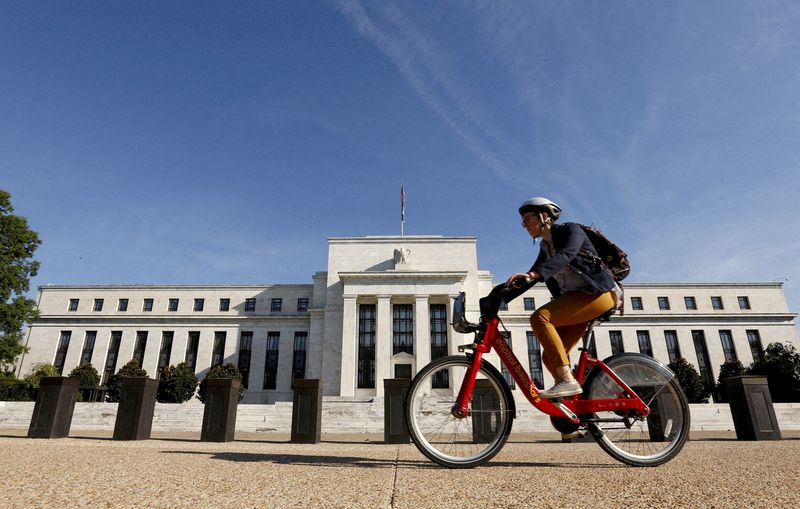
The largest US banks, including JPMorgan Chase, Goldman Sachs, and Bank of America, successfully passed the Federal Reserve's annual stress tests, indicating they are well-capitalized to withstand severe economic downturns, which is expected to lead to increased dividends and share buybacks. The tests showed a milder recession scenario than previous years, with banks maintaining sufficient capital levels despite significant hypothetical losses, and the results may influence future regulatory adjustments and bank capital requirements.
The Federal Reserve plans to relax leverage rules for large US banks, potentially freeing up to $6 trillion in balance sheet capacity and billions in capital, which could boost participation in Treasury markets and improve market liquidity.