The article discusses potential deregulation efforts by Donald Trump that could unlock $2.6 trillion in bank lending capacity in the US, possibly reducing the need for further interest rate cuts by the Federal Reserve and significantly boosting earnings for major US banks like JPMorgan Chase, while raising concerns about financial stability and global regulatory impacts.

The article explains how the global and US yield curves, which have been inverted for years, are quietly re-steepening due to banks holding large amounts of low-cost deposits, leading to increased lending profits and a bullish outlook for stocks in 2025, especially in Europe and the UK, where steeper curves are boosting value stocks and financials.
The January 2024 Senior Loan Officer Opinion Survey on Bank Lending Practices (SLOOS) revealed that banks tightened standards and reported weaker demand for commercial and industrial (C&I) loans to businesses of all sizes, as well as for all commercial real estate (CRE) loan categories. Additionally, lending standards tightened for residential real estate (RRE) loans and home equity lines of credit (HELOCs), while demand weakened for various loan categories. Banks also expect lending standards to remain unchanged for C&I and RRE loans, but to tighten further for CRE, credit card, and auto loans in 2024, with loan demand expected to strengthen across all categories and loan quality to deteriorate.
Banks in the US have continued to tighten lending standards for business loans and consumer loans, citing a less favorable economic outlook, reduced risk tolerance, and concerns about funding costs. Demand for loans has weakened, and economists warn that the tightening of credit conditions could choke off GDP growth and potentially lead to a recession next year. The Federal Reserve has also acknowledged that tighter financial and credit conditions are likely to weigh on economic activity.
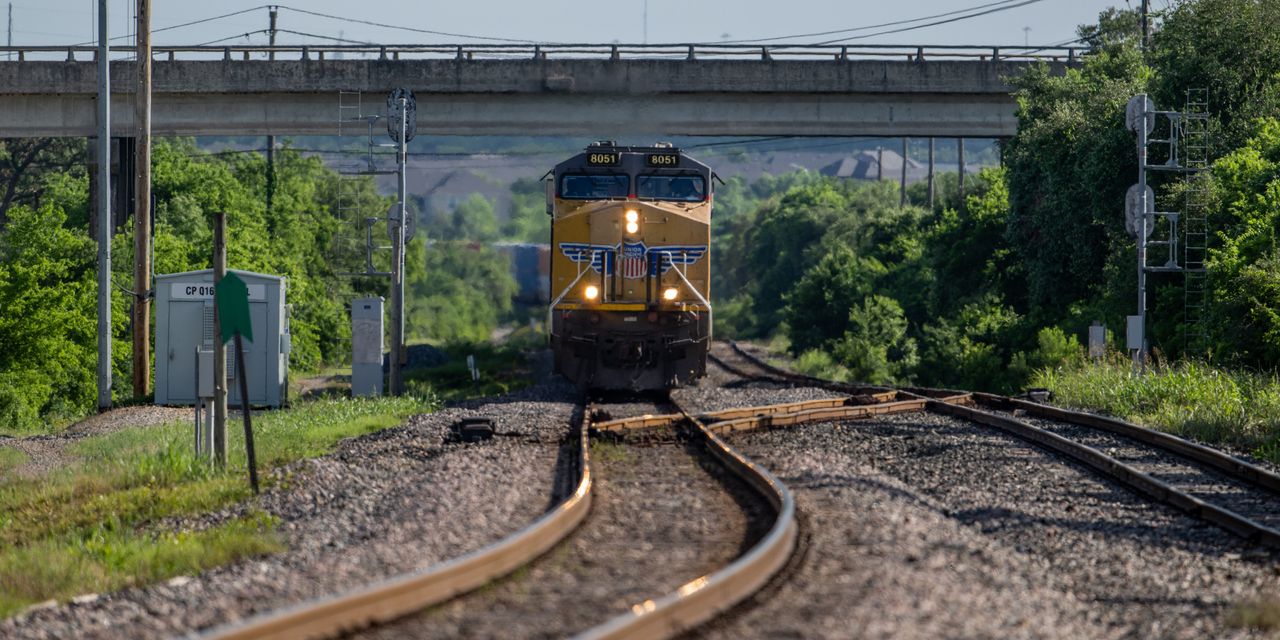
Economist Steve Blitz warns that a U.S. recession may be imminent as banks slow lending and corporate profits weaken. The Treasury's plan to issue T-bills to replenish its coffers could divert even more money away from markets and the economy. Signs of slowing corporate earnings growth could push the economy over the edge, leading to more layoffs and a slowdown in wage growth. Blitz also cites a drop in railcar loadings of lumber and metal products as a sign that a recent uptick in the manufacturing economy is already fading. Even if the U.S. manages to delay a recession, the Federal Reserve and markets could face other problems, like a resurgence of inflation.
The US Federal Reserve is expected to raise interest rates at its May 2-3 meeting, but key data, particularly a survey of bank lending officers, may shape how they weight the risks facing the US economy and whether they decide to pause further increases. The Fed has been monitoring liquidity and ensuring banks have the paperwork ready to borrow quickly from different Fed facilities should it be necessary. The fallout since the collapse of Silicon Valley Bank has been muted enough that Fed officials have swung their focus back to persistently high inflation and the need for at least one more quarter point interest rate increase.
Morgan Stanley's CIO, Mike Wilson, has stated that the credit crunch stemming from the bank crisis in March has begun, with data showing a clear tightening of lending standards by banks. This could raise the risk of a recession this year as companies and households experience difficulty obtaining credit. Wilson believes that the stock market is in for more pain in 2023, with a potential 20% drop in the S&P 500 as corporate earnings drop.
The chief economist and partner at Apollo Global Management, Torsten Slok, has warned that the "credit crunch has begun" after the latest Fed data showed a sharp drop-off in bank lending post the Silicon Valley collapse. Slok highlighted several notable points in that data, such as the biggest two-week decline in bank lending in US history, the biggest two-week fall in lending to real estate on record, the biggest two-week fall in bank lending to corporates on record, the biggest decline ever in lending to multifamily construction, a fall in auto lending, and a surge in banks selling mortgages and drawing on the Fed and the Federal Home Loan Bank system to help meet deposit demand.
The Federal Reserve is facing its first significant pothole as the decisions made in hundreds of bank executive suites will either add up - or not - to an economy-shaping drop in lending. By raising the benchmark interest rate that banks use in lending money to each other, tighter monetary policy makes consumer and business loans more expensive and harder to get. The potential for a worse-than-expected credit crunch remains elevated in the wake of the Silicon Valley Bank and Signature Bank collapses last month, which raised concerns of a larger financial panic.
The Federal Reserve is facing its first significant pothole as the decisions made in hundreds of bank executive suites will either add up - or not - to an economy-shaping drop in lending. By raising the benchmark interest rate that banks use in lending money to each other, tighter monetary policy makes consumer and business loans more expensive and harder to get. In theory, that lowers demand for credit-financed goods and services, and in time also lowers inflation. The concern now is how far and fast that unfolds.
Plummeting bond yields, steep drops in oil and stock prices, and a sharp jump in volatility are all signaling that investors fear a recession is now on the near horizon. The rapid moves in markets after the regional bank failures in the U.S. has some strategists now expecting a contraction in the economy to come sooner. Economists are also ratcheting down their growth forecasts on the assumption there will be a pullback in bank lending. The Federal Reserve has been trying to slow down the economy and the strong labor market in order to fight inflation.