Tag

Urine Color

All articles tagged with #urine color

health1 year ago

Optimal Daily Water Intake During Heat Waves

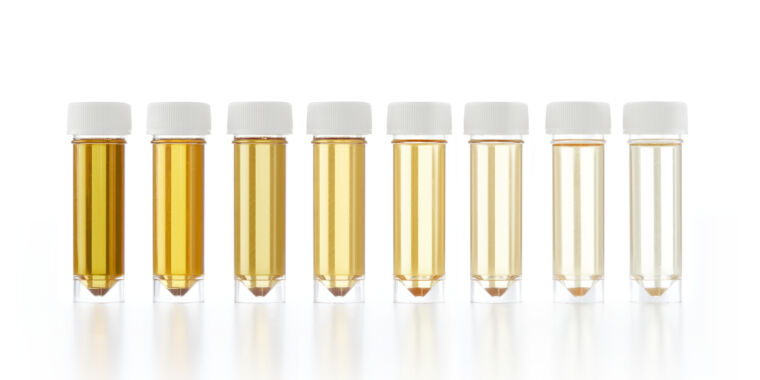
During a heat wave, hydration needs vary greatly among individuals, making one-size-fits-all water intake rules ineffective. Instead of following general guidelines, monitor your urine color and frequency to gauge hydration. Light-colored urine and regular urination every two to four hours indicate good hydration, while darker urine suggests the need for more water. Adjust your water intake based on physical activity, weather conditions, and personal needs to stay properly hydrated.

science1 year ago

"The Science Behind the Color of Urine"

After 125 years, scientists have finally discovered that the yellow color of urine comes from bacteria metabolizing waste from red blood cells using an enzyme called bilirubin reductase. This discovery not only explains the origin of urine color but also has implications for health, as the absence of bilirubin reductase is associated with jaundice in newborns and pigmented gallstones in adults with inflammatory bowel disease. Further research is needed to explore the potential links between bilirubin metabolism and various health conditions.

health-and-science2 years ago

"The Science Behind the Yellow Color of Urine"

Scientists have finally identified the enzyme responsible for producing urobilin, the compound that gives urine its yellow color, shedding light on how gut microbes influence conditions like jaundice and inflammatory bowel disease. The enzyme, bilirubin reductase, was discovered through recent advances in genetics, and its absence may contribute to certain diseases. This breakthrough could lead to further studies on how gut microbes affect bilirubin levels in the body.

health2 years ago

"Unraveling the 150-Year Mystery of Yellow Urine: Scientists' Breakthrough Discovery"

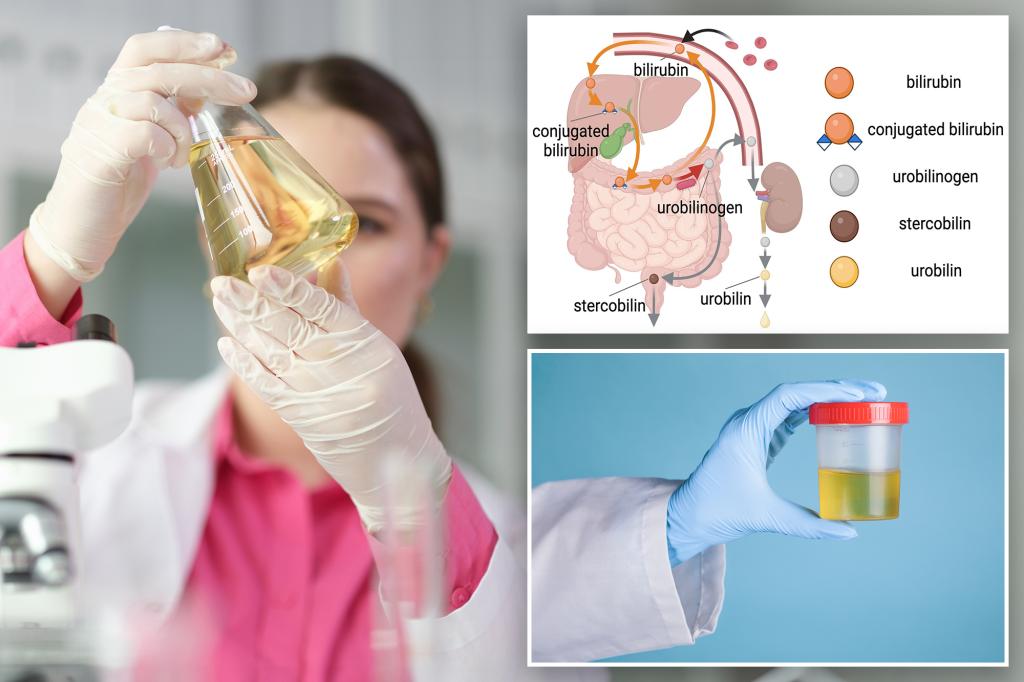
A recent study published in Nature Microbiology has identified bilirubin as the reason behind the yellow color of healthy urine, solving a 150-year mystery. The study explains that bilirubin, a byproduct of old red blood cells broken down through bodily processes, mixes with other waste products in the liver to create bile. Gut microbes then convert bilirubin into a colorless byproduct called urobilinogen, which eventually degrades into urobilin, responsible for the yellow color of urine.

science2 years ago

"Unraveling the Mystery: Scientists Crack the Code Behind Yellow Urine"

After over 150 years of mystery, scientists have identified bilirubin as the key enzyme responsible for giving urine its yellow color. This breakthrough sheds light on the process by which red blood cells degrade into bilirubin, which is then transformed by gut microbes into urobilin, the yellow pigment in urine. The discovery has potential implications for understanding and treating conditions such as jaundice and inflammatory bowel disease, and may lead to further insights into the role of gut microbiomes in human health.

science2 years ago

"Top Science News: T. rex Saga and Massive Solar Flare"

This week in science news, archaeologists in Kazakhstan discovered 1,500-year-old gold belt buckles depicting the Göktürk khagan, while doctors in China removed parasitic worms from a man's abdomen. A controversial study reignited the debate over Nanotyrannus vs. T. rex, and a massive X5 solar flare erupted from the sun on New Year's Eve. Additionally, scientists discovered that urine's yellow color is caused by an enzyme produced by gut bacteria, and a deep-sea squid carrying thousands of eggs was spotted off the coast of Costa Rica.

health2 years ago

Decoding the Spectrum of Urine Colors

The color of your urine can provide valuable insights into your health. While a range of light to dark yellow is considered normal, other colors such as pink, red, orange, brown, green, blue, purple, and black may indicate various factors including food consumption, medications, diseases, and hydration levels. Changes in urine color that persist or have no obvious explanation should be discussed with a healthcare provider as they could be early indicators of underlying medical conditions.