University Hospitals has relocated its Broadview Heights urgent care clinic to a new address, offering expanded services including rapid testing for flu, COVID-19, and other illnesses, with extended hours to serve the community during peak respiratory virus season.
HCA is transforming a closed Red Lobster in Henrico into a CareNow urgent care clinic as part of a $5 million expansion plan, with the facility expected to open in 2026, aiming to increase healthcare access in the community.
The article emphasizes that the worst mistake at urgent care is going there during a true medical emergency, and highlights the importance of understanding when to choose urgent care versus the emergency room to ensure safety and proper treatment.
A Georgia family experienced a traumatic ordeal after their 5-year-old daughter was falsely diagnosed with STDs due to a lab testing error, highlighting concerns about diagnostic accuracy and sample handling in medical testing processes.
Bronson Healthcare has renamed its urgent care facility to QuickCare Plus to better reflect its services and address patient concerns about cost transparency, offering more affordable, hospital-based urgent care with shorter wait times and integrated follow-up care.
Emergency Physicians P.A. is expanding its urgent care model in the Twin Cities by opening a new clinic in Golden Valley, offering advanced diagnostics and ER-level staffing to treat complex cases outside of hospitals, aiming to reduce ER crowding and improve patient care.
A woman experienced severe facial symptoms after popping a pimple in the 'triangle of death,' a risky area on the face, leading to urgent medical treatment. Her story highlights the dangers of popping pimples in this sensitive region, which can potentially cause serious infections or complications.
A study analyzing over 22 million urgent care visits found that a significant percentage resulted in inappropriate prescriptions, including antibiotics, glucocorticoids, and opioids, highlighting the need for stewardship programs to reduce misuse and improve prescribing practices.
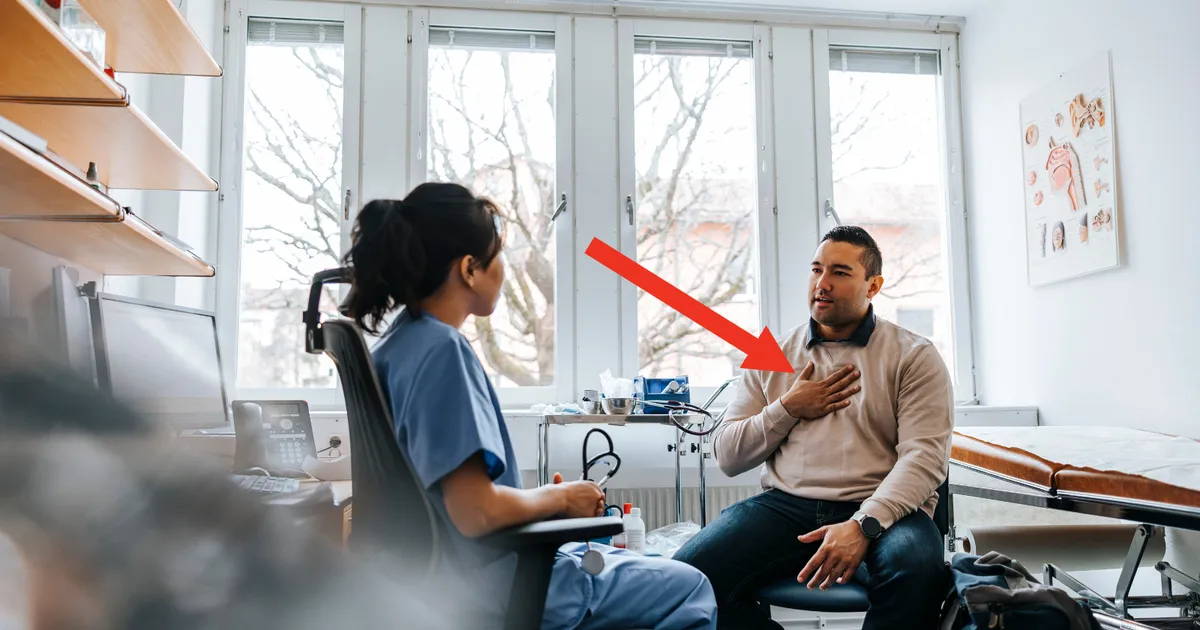
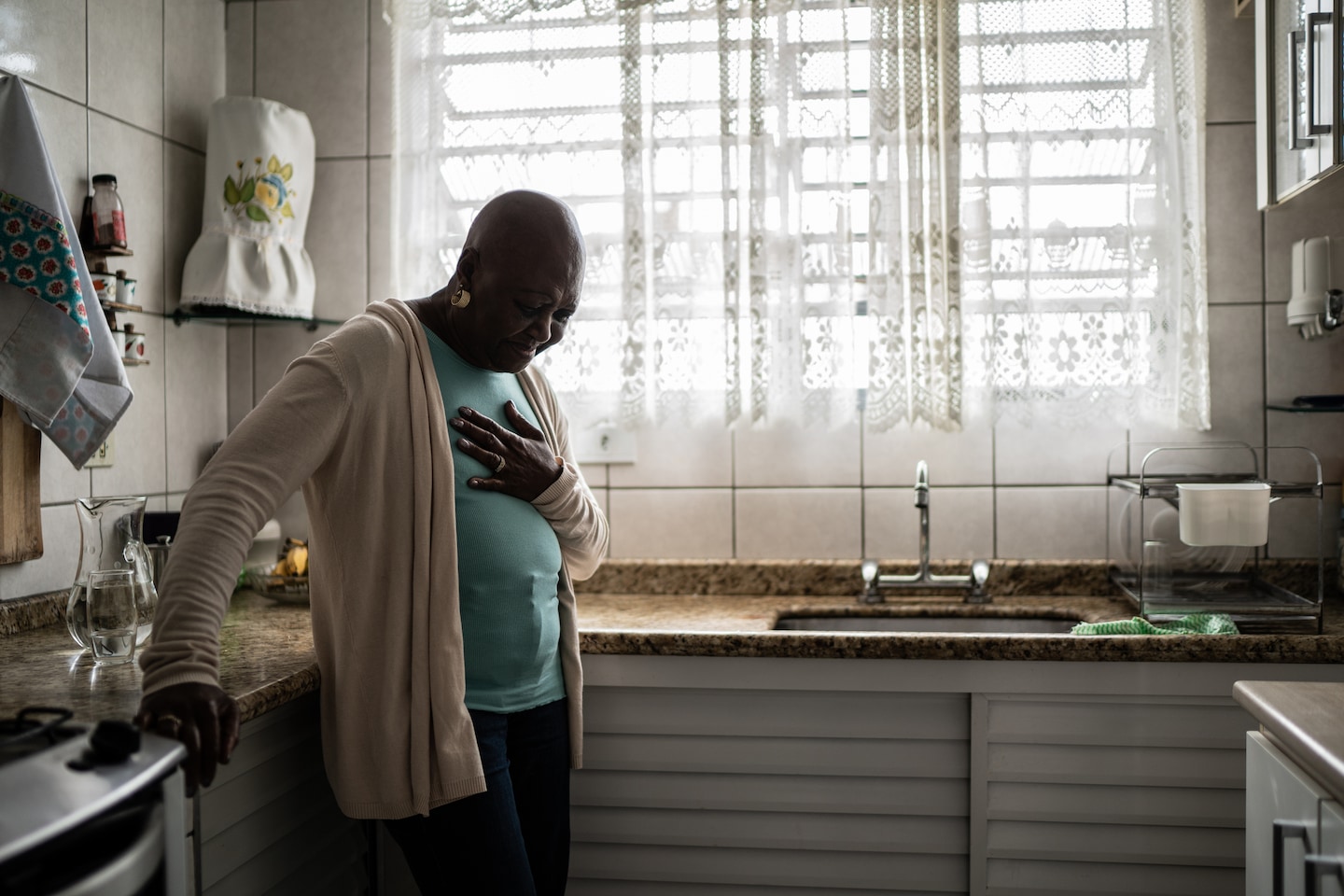
Emergency physicians highlight five critical types of pain—sudden, persistent pain; chest pain; calf pain with redness; tearing upper back pain; and certain lower abdominal pains—that should prompt immediate medical evaluation due to their potential severity. While all pain warrants attention, these specific symptoms are especially concerning and may indicate serious conditions like heart attacks, blood clots, or vascular issues. Seeking prompt medical care is crucial for proper diagnosis and treatment, even if the pain turns out to be benign.
New research shows that transient ischemic attacks (TIAs), often dismissed as minor or temporary, can lead to significant cognitive decline and increase the risk of full strokes and dementia if not treated promptly. Experts emphasize the importance of recognizing symptoms early and responding quickly, as TIAs are more serious than their name suggests.
Urgent care centers in the D.C. area are experiencing a significant rise in walking pneumonia cases, particularly among children aged 0 to 17. MedStar Health reports a 358% increase in cases compared to last year, attributing the spike to reduced masking and hygiene practices post-COVID. Symptoms include fever, cough, and sore throat, with potential complications like asthma attacks. While treatable with antibiotics, some pharmacies face shortages of children's liquid forms. Preventative measures such as handwashing and masking are advised to curb the spread.
The article provides guidance on when to seek different types of medical care, such as calling 911, going to the emergency room, visiting an urgent care clinic, or contacting your regular doctor. It emphasizes the importance of quick action in severe cases like chest pain, stroke symptoms, and severe injuries, while suggesting urgent care or pharmacy clinics for less critical issues.
Urgent care clinics are rapidly expanding in the Capital Region, offering same-day care without appointments for minor ailments, sparking a competitive market. While they provide convenience, medical professionals caution that they are not a replacement for primary care physicians and do not offer preventive care or critical services, leading to patient uncertainty about which provider to see for specific needs.
Respiratory illnesses, including COVID, flu, and RSV, are on the rise in Pima County due to current seasonal conditions and holiday gatherings, prompting health officials to advise seeking prompt medical attention, especially within the first day or two of experiencing symptoms, to maximize treatment effectiveness. Urgent care facilities are recommended for evaluation before going to the emergency room, and vaccines for COVID, flu, and RSV are emphasized as a means to reduce the severity and duration of these illnesses.
Cook Children's Health Care System in Texas is experiencing a surge in patients seeking emergency room and urgent care services, leading to longer wait times and strained resources. The hospital system's urgent care centers saw 752 visits in one day, higher than historical volumes, while the emergency department has been seeing about 500 patients daily. The increase in patients, including those with respiratory syncytial virus (RSV), is making it difficult to care for critically ill patients. Hospital leaders are urging parents to only seek emergency and urgent care if necessary and to consider primary care doctors or community health clinics for non-emergency cases. The spike in hospital visits is expected to worsen during the holidays.