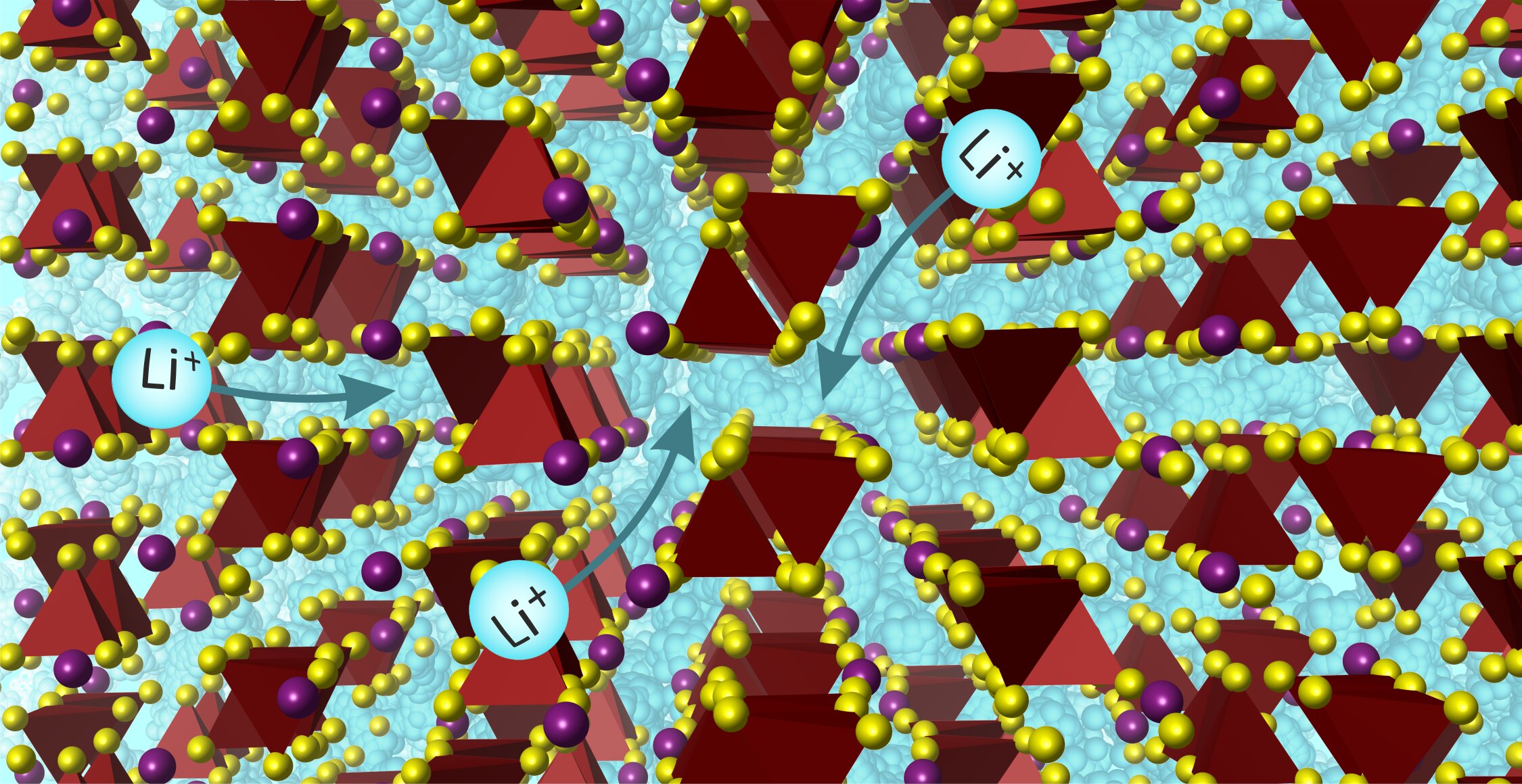
Scientists at the University of Liverpool have discovered a new solid material that could revolutionize battery technology by potentially improving energy capacity and safety. The material, made of non-toxic earth-abundant elements, could replace liquid electrolytes in lithium ion batteries, leading to ethical and environmental benefits. The discovery, made using a combination of artificial intelligence and traditional chemistry, opens up new possibilities for further advancements in battery technology.
Researchers at the University of Liverpool have discovered a new solid material that conducts lithium ions rapidly, offering potential for use in rechargeable batteries for electric vehicles and electronic devices. The material, made of non-toxic Earth-abundant elements, could replace liquid electrolytes in current lithium-ion battery technology, improving safety and energy capacity. The discovery was achieved through a collaborative computational and experimental workflow that used AI and physics-based calculations to support decisions made by chemistry experts at the University, offering a new direction for sustainable batteries and materials science.
A new study from the University of Liverpool and Stanford University explores the intricate relationship between depression and political attitudes, revealing that pandemic-related stress can trigger depressive symptoms, which in turn shape political perceptions through specific cognitive processes. The study found that individuals with higher levels of depressive symptoms were more likely to engage in negative repetitive thinking and exhibit a bias towards negative news, which negatively impacted their internal political efficacy, trust in government, and satisfaction with political institutions. While cautioning against drawing firm causal conclusions, the researchers suggest that future research could delve deeper into these relationships to better understand the impact of depression on political attitudes.
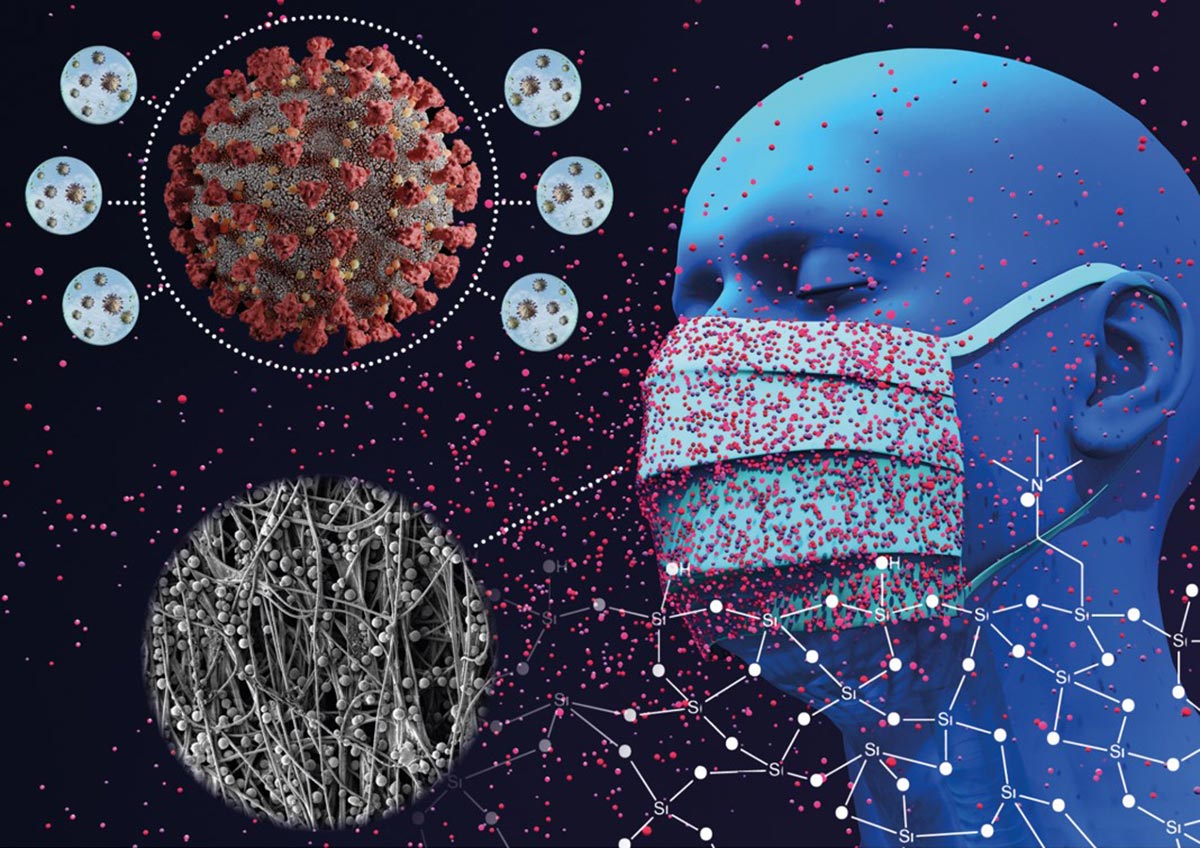
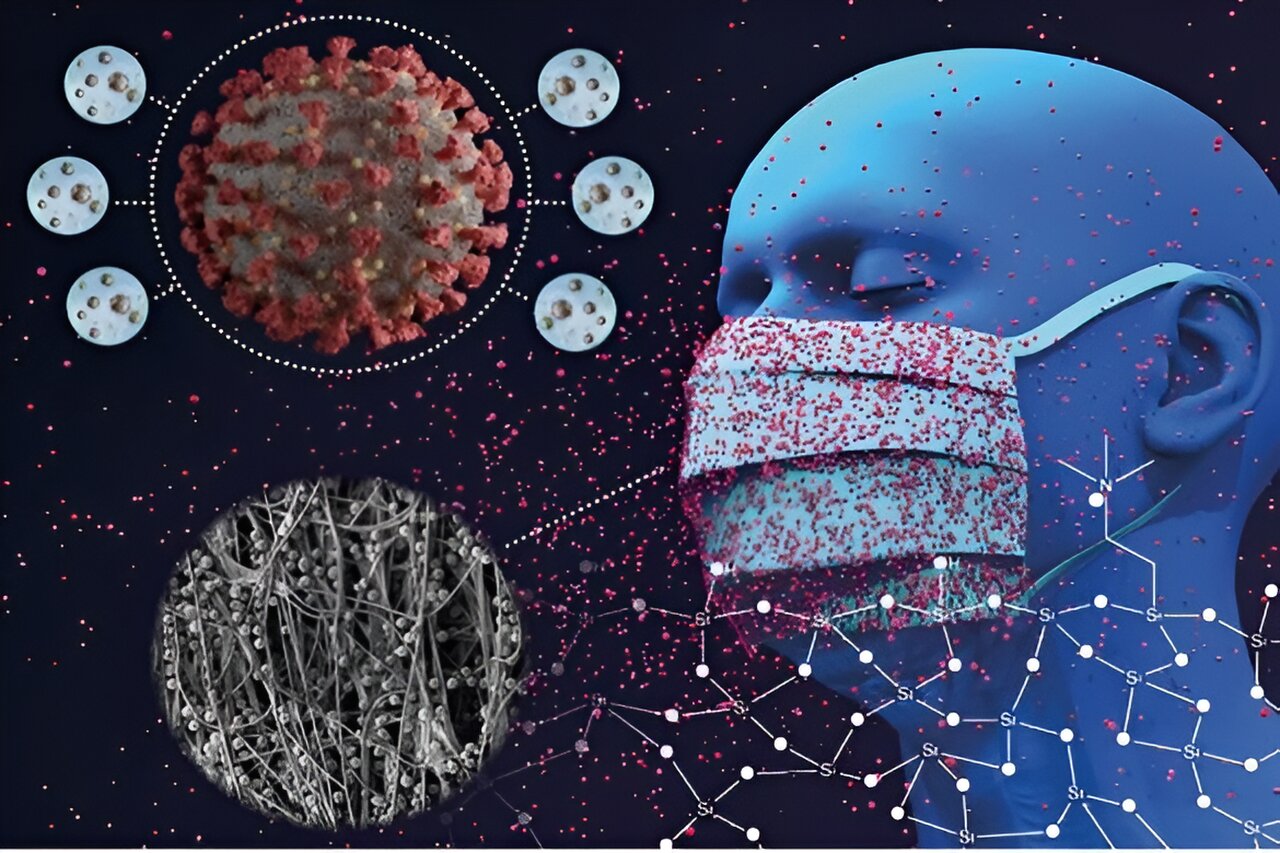
Researchers at the University of Liverpool have developed a new material that captures coronavirus particles, potentially revolutionizing the efficiency of face masks and other filter equipment. The material, which has been shown to be approximately 93% more efficient at capturing proteins, including coronavirus proteins, while maintaining breathability, could be used in a wide range of applications beyond the pandemic. The team has also developed a method to attach the material to conventional face masks and is exploring its potential for capturing other bioaerosols and deadly viruses.
Researchers at the University of Liverpool have developed a new material that can capture coronavirus particles, potentially improving the efficiency of face masks and other filter equipment. The material, which is approximately 93% more effective at capturing proteins, including coronavirus proteins, while maintaining breathability, has been successfully tested in face masks and air filters. The team plans to further develop the material for capturing other bioaerosols, including new COVID variants and deadly viruses such as Nipah.