A UCLA study found that personalized high-definition transcranial direct current stimulation (HD-tDCS), a noninvasive brain stimulation technique, significantly improves mood in depression patients faster and more effectively than sham treatment, with effects lasting several weeks, suggesting it could be a promising alternative treatment option.
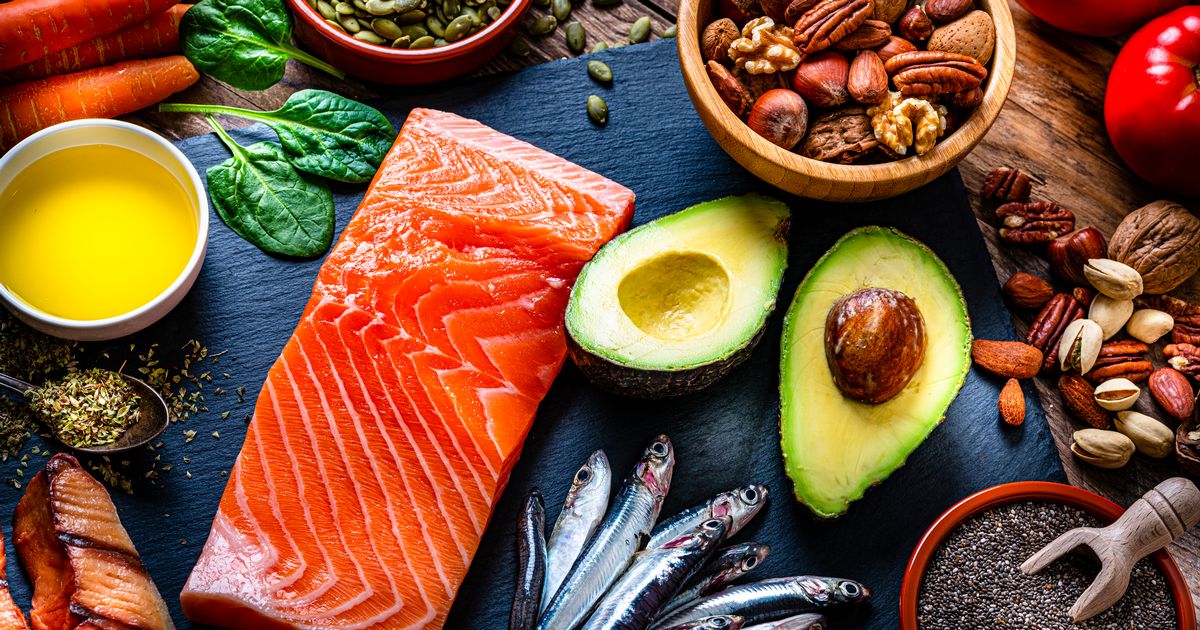
A UCLA study suggests that a diet high in omega-3 fatty acids, including fish, olive oil, and walnuts, while reducing omega-6 intake, can slow the growth of prostate cancer cells in men undergoing active surveillance. This dietary change could delay the need for aggressive treatments like surgery or radiotherapy. The study found a 15% decrease in cancer cell growth markers in participants following the specialized diet, compared to a 24% increase in those on a regular diet. This research highlights the potential of dietary adjustments in managing early-stage prostate cancer.
A new UCLA study found that while people of color made gains in major film categories in 2023, women suffered losses, and both groups remain underrepresented. The study revealed that films with more diverse casts earned higher box office receipts, and franchise films with increased diversity also saw higher earnings. However, the study cautioned that the upward trend of diversity may not continue. Additionally, women did not make any gains in top Hollywood jobs in 2023, with only 1.5 out of 10 theatrical film directors being women.
A study by UCLA's Department of Urology reveals the potential impact of the semen microbiome on male fertility, with findings suggesting that the microbe Lactobacillus iners may hinder sperm motility. This pioneering research sheds light on the previously overlooked role of the semen microbiome in male infertility, offering valuable insights for future investigations and potential targeted treatments. Male infertility, affecting around 15% of couples globally, can stem from various factors including low sperm count, lifestyle choices, and the health of the semen microbiome, highlighting the importance of understanding and addressing this complex issue.
A study by the University of California, Los Angeles has found that bacteria in semen, particularly Lactobacillus iners and certain types of Pseudomonas, may negatively impact sperm motility and male fertility. The research highlights the importance of understanding the semen microbiome and its connection to infertility, providing valuable insights for future investigations. This discovery adds to the growing body of evidence suggesting that the microbiome plays a significant role in male reproductive health.
A recent study conducted by UCLA on the entertainment consumption habits of Generation Z reveals that young people are increasingly favoring platonic relationships over sex and romance on screen. The "Teens and Screens" survey found that 50% of participants want to see more content on friendships, while 40% desire non-romantic or asexual characters. The study suggests that Gen Z is tired of stereotypical, heteronormative stories that romanticize toxic relationships and prefers wholesome entertainment with positive character relationships. Despite the popularity of shows with explicit content, the survey highlights a growing preference for "nomance" among young viewers.
A UCLA study reveals that a significant number of teens and young adults are not interested in romance and sex in TV shows and movies. Instead, they prefer content focused on friendships and platonic relationships, with a desire for more representation of aromantic and/or asexual characters. The study also found that adolescents want stories that reflect the full spectrum of relationships, as they are seeking modeling in the art they consume. Additionally, the survey showed a preference for binge-watching, original content, and seeing themselves represented on screen.