A new method using uranium-lead dating on fossilized dinosaur eggshells allows for more accurate dating of fossil sites, helping to better understand dinosaur evolution and geological timelines, especially in areas lacking volcanic ash layers.
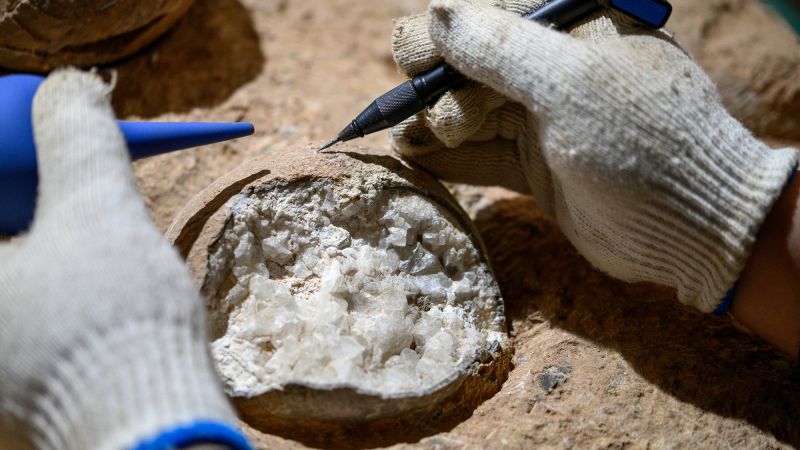
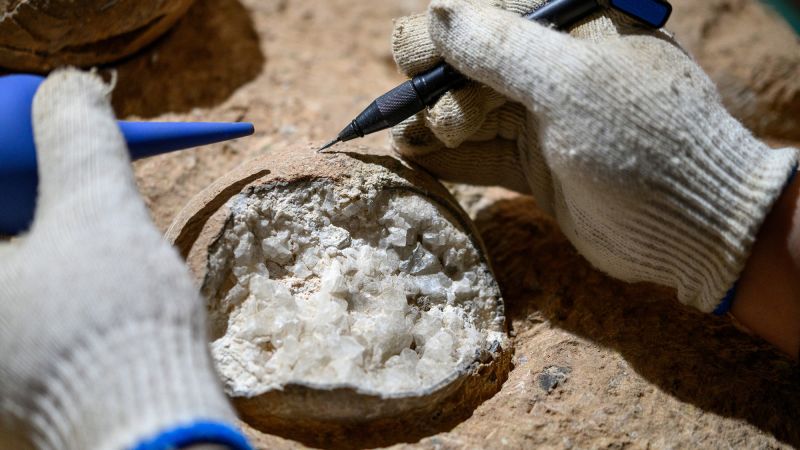
Scientists in China used laser vaporization to directly date dinosaur eggs from the Late Cretaceous period, providing more precise age estimates and insights into dinosaur evolution, extinction, and environmental changes during that era.
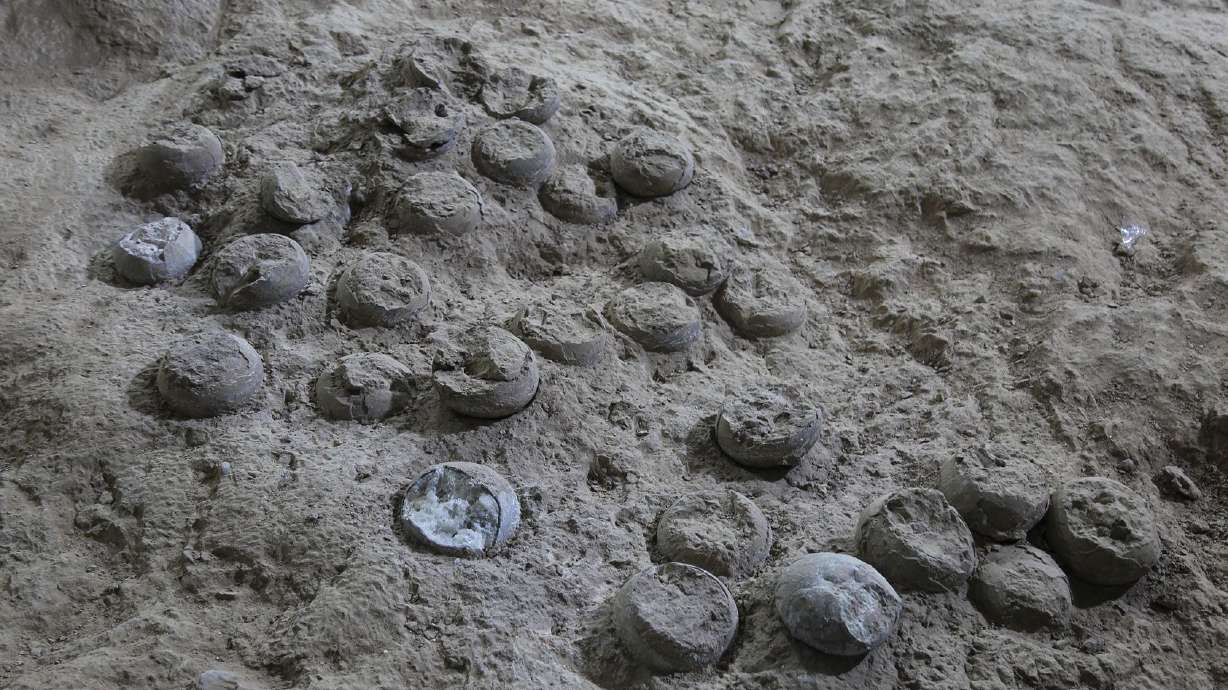
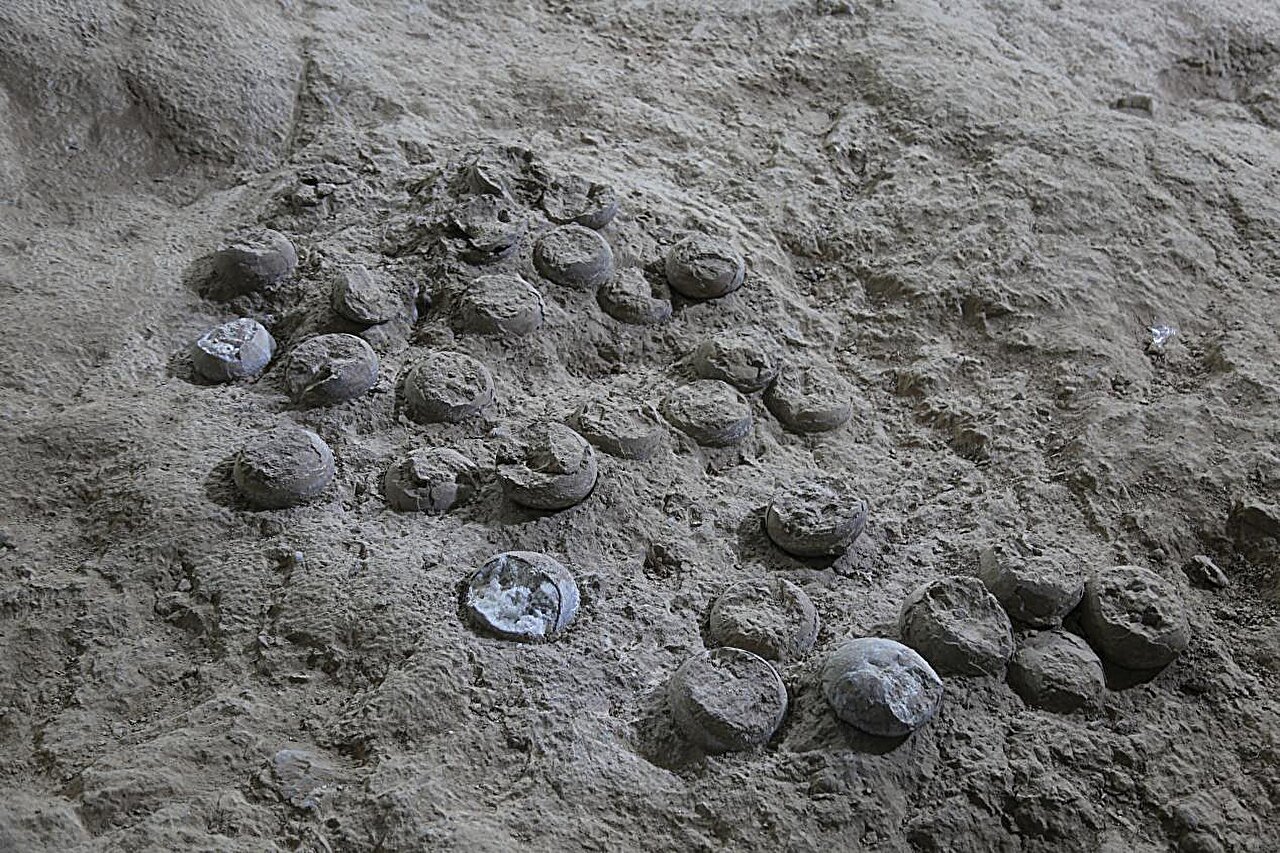
Scientists in China used advanced uranium-lead dating to determine that a clutch of 28 dinosaur eggs from the Cretaceous period is approximately 86 million years old, marking the first reliable dating of fossils from the Qinglongshan site and opening new avenues for understanding dinosaur reproduction and evolution.
Scientists in China used advanced U-Pb dating to determine that a clutch of 28 dinosaur eggs is approximately 86 million years old, providing new insights into dinosaur reproduction and the Cretaceous period.
Scientists in China used advanced U-Pb dating techniques on 86-million-year-old dinosaur eggshells to better understand dinosaur reproduction and adaptation during the Cretaceous period, marking a significant advancement in fossil dating methods.
Researchers in China have used carbonate uranium-lead dating to determine that dinosaur eggs from the Qinglongshan site are approximately 85 million years old, providing new insights into the climate and dinosaur evolution during the Late Cretaceous period.