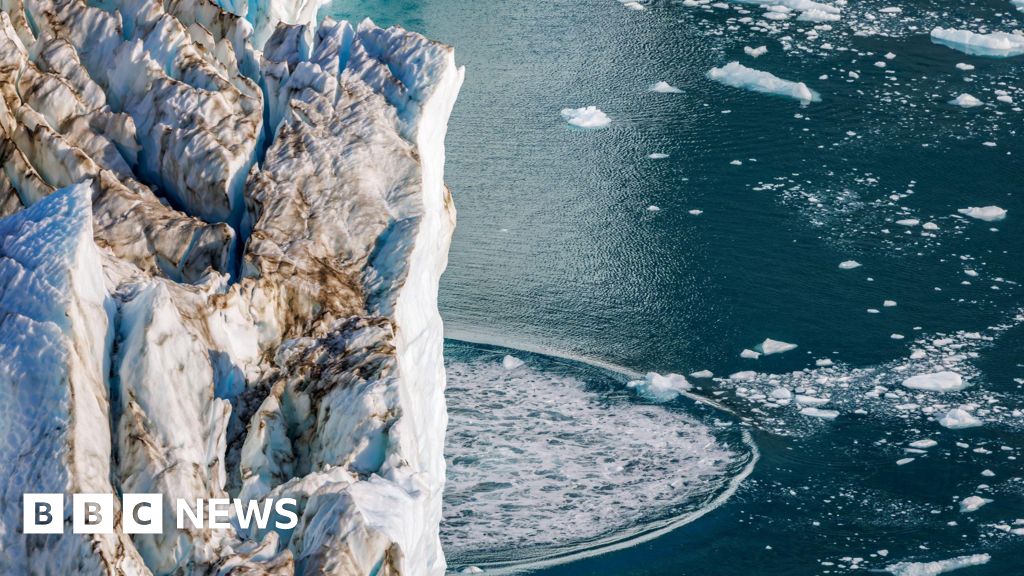
A University of Oxford study confirmed that 'extraordinary' tremors across the globe were caused by two tsunamis trapped within a Greenland fjord, triggered by glacier melting and landslides, with satellite altimetry playing a key role in the discovery.
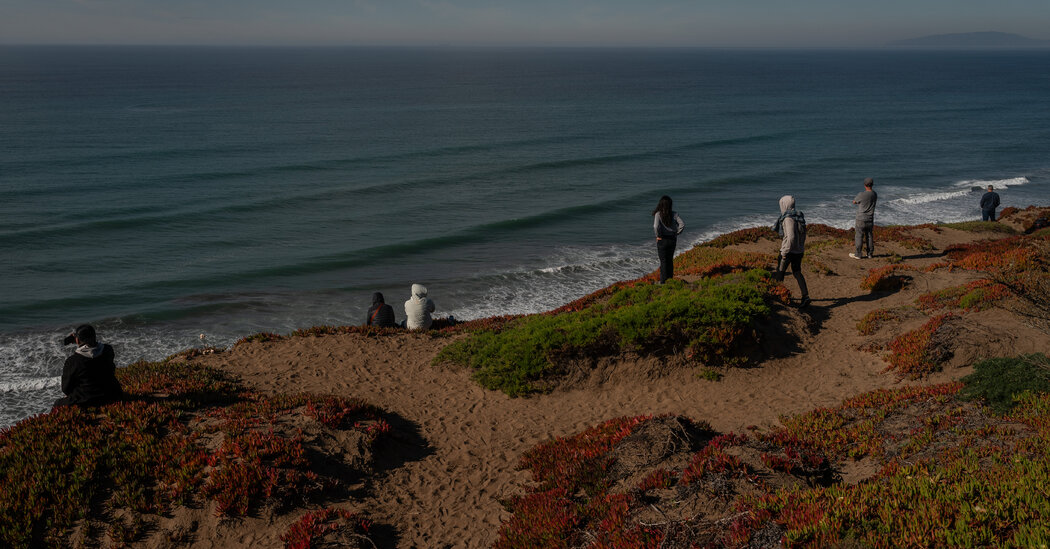
While Californians are well-versed in earthquake preparedness, awareness and readiness for tsunamis remain limited. The state is working to improve public understanding and response strategies for these less frequent but potentially devastating natural disasters.
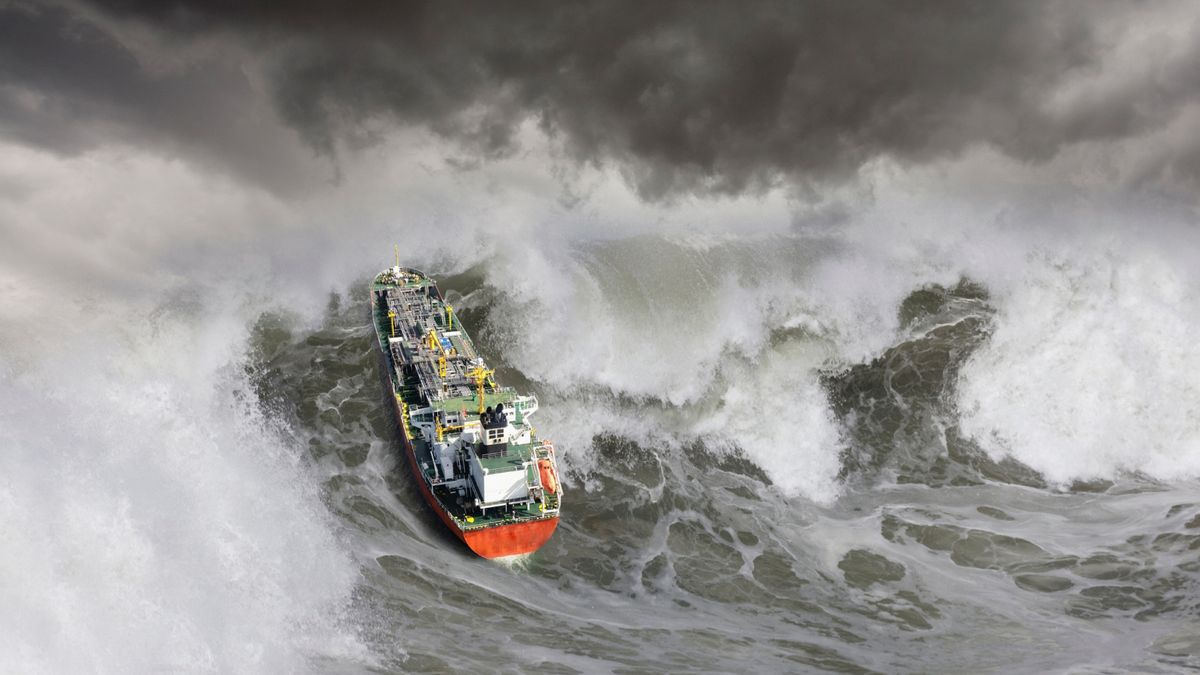
A new study using synthetic earthquakes has found that tsunamis up to 90 feet high could hit parts of New Zealand, particularly along the northeast coast of the North Island, in a worst-case earthquake scenario. The research focused on the Hikurangi subduction zone and revealed that smaller, shallower faults called crustal faults also contribute significantly to the tsunami hazard. The study suggests that New Zealand can expect a tsunami of at least 16.4 feet every 77 years, with a wave of at least 49.2 feet every 580 years. The findings highlight the importance of understanding the risk of devastating waves in regions near subduction zones.
NASA's Jet Propulsion Laboratory is testing a new system called GUARDIAN that uses data from GPS and other wayfinding satellites to detect tsunamis by analyzing the low-frequency sound and gravity waves created by the displacement of air above the ocean's surface. The system can produce a snapshot of a tsunami's rumble reaching the ionosphere within 10 minutes and could potentially provide up to an hour of warning. GUARDIAN is currently focused on the Pacific Ocean's Ring of Fire, where 78% of confirmed tsunamis between 1900 and 2015 occurred. The system aims to complement existing ground- and ocean-based instruments for faster tsunami detection.
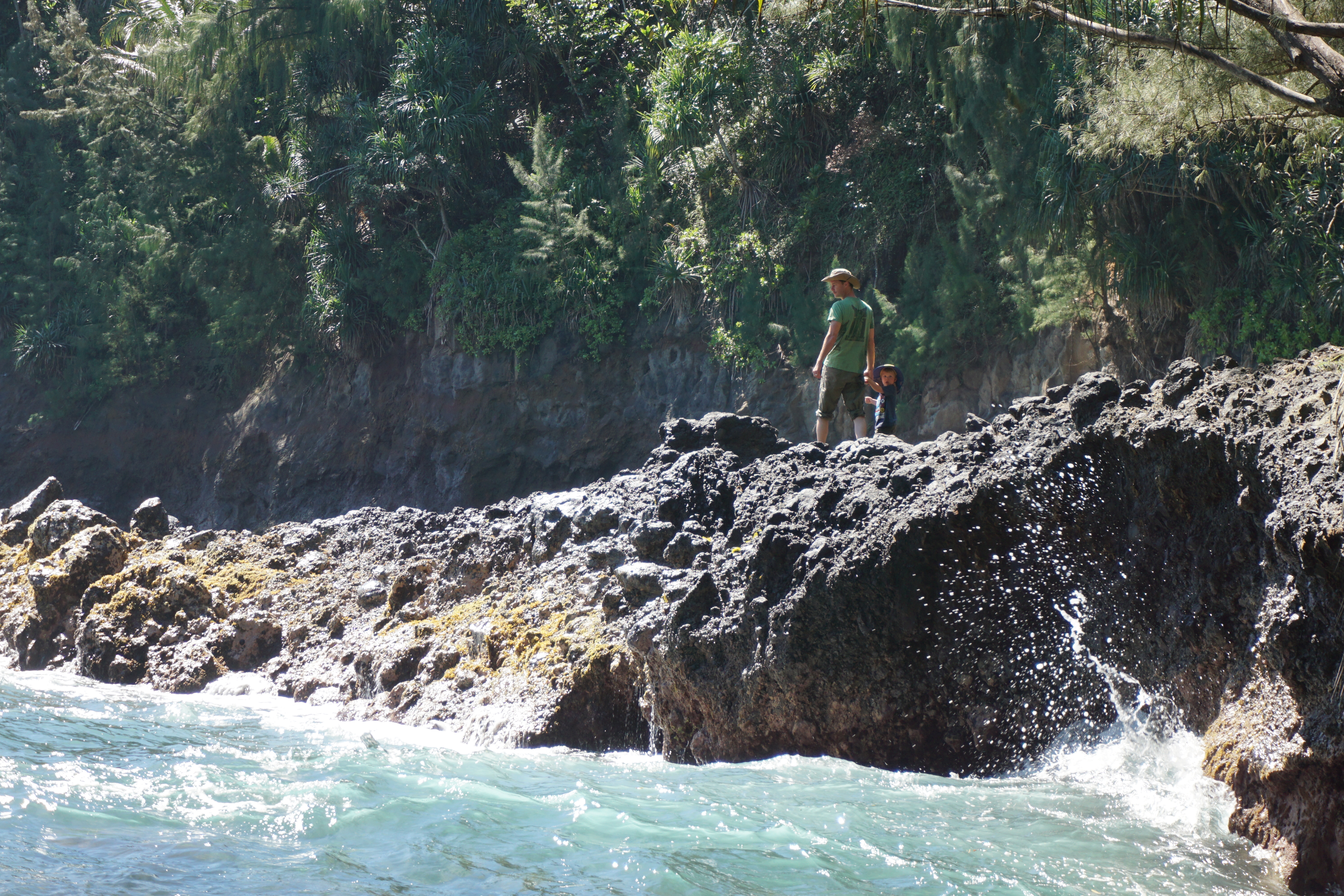
Climate change could trigger massive tsunamis in the Southern Ocean by causing underwater landslides in Antarctica, according to a new study. Scientists discovered that during previous periods of global warming, loose sediment layers formed and slipped to send massive tsunami waves racing to the shores of South America, New Zealand and Southeast Asia. As climate change heats the oceans, the researchers think there's a possibility these tsunamis could be unleashed once more. The researchers warn that future landslides, and tsunamis, could happen again as many layers of the sediment are buried beneath the Antarctic seabed, and the glaciers on top of the landmass slowly melt away.
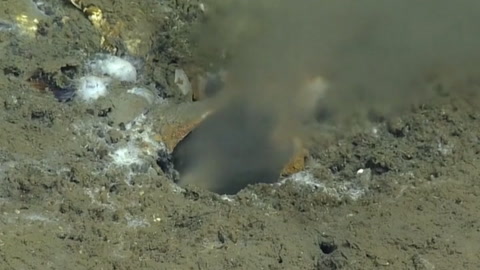
A warm liquid leak, called Pythia's Oasis, has been discovered by researchers from the University of Washington off the coast of Oregon in the Cascadia Subduction Zone, an area known for earthquakes and tsunamis. The fluid released from the fault zone is like a leaking lubricant, which could increase the chance of a damaging quake. However, the discovery could give researchers more insight into this unstable region.