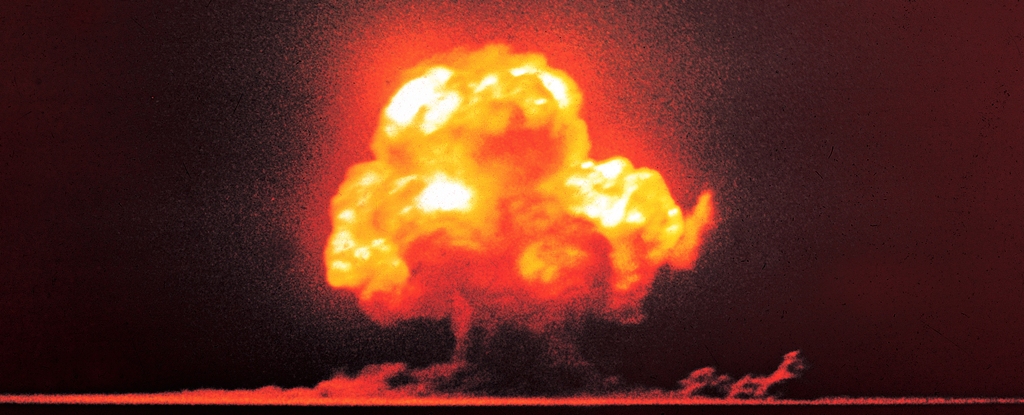
Eighty years after the first nuclear test, scientists discovered a rare quasicrystal in trinitite, formed under extreme conditions of a nuclear explosion, which could provide new insights into nuclear forensics and the formation of quasicrystals in nature.
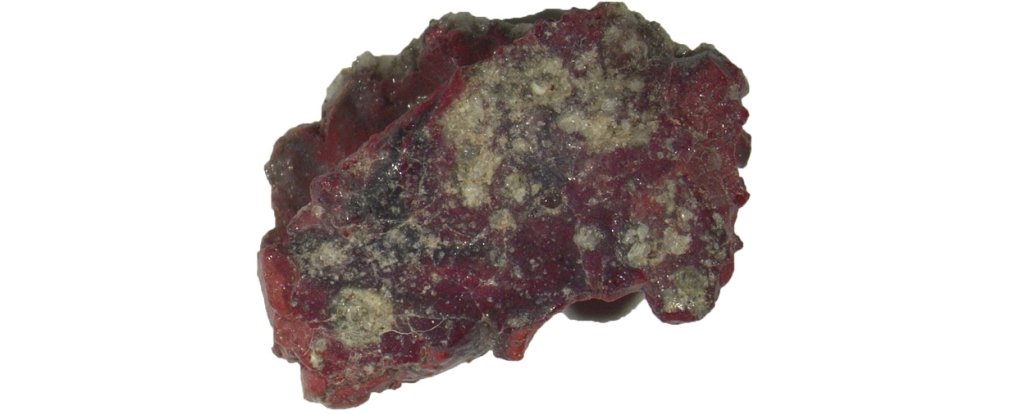
Scientists have discovered a quasicrystal, a rare form of matter once thought to be impossible, in a sample of red trinitite created during the world's first nuclear bomb test in 1945. Quasicrystals are formed in extreme environments that rarely exist on Earth and require traumatic events with extreme shock, temperature, and pressure. The discovery of this quasicrystal in trinitite could provide insights into nuclear explosions and help in understanding illicit nuclear tests. It also suggests that there may be other natural pathways for the formation of quasicrystals, such as lightning strikes and meteor impact sites. The thermodynamic properties of quasicrystals could be a valuable tool for nuclear forensics.
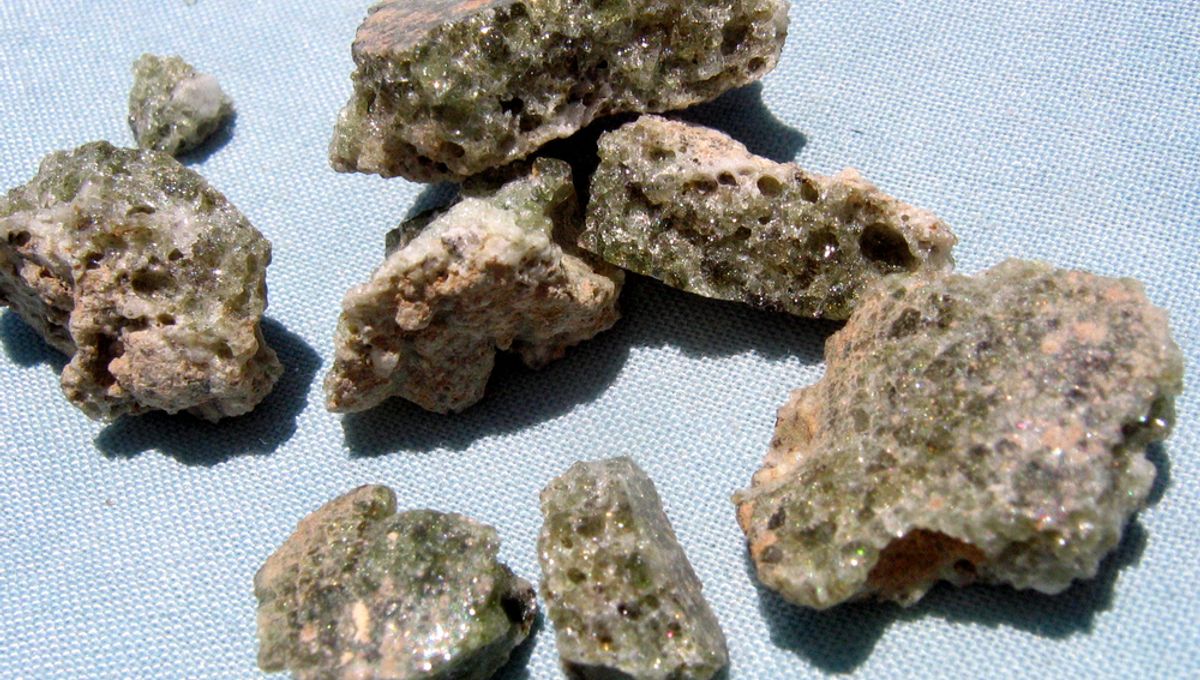
Trinitite is a green-red glass formed by sand that was melted by the heat of atomic bombs. It contains silicate dioxide, melted quartz grain, feldspar, and other minerals. Trinitite is mildly radioactive and can be used as forensic evidence to understand the composition and origin of nuclear bombs. Scientists have recently discovered that it contains "forbidden" quasicrystals, which have an unusual atomic structure not seen in typical crystals. Quasicrystals are known to be formed by meteorites and in labs, but atomic blasts also pack enough punch to create them.