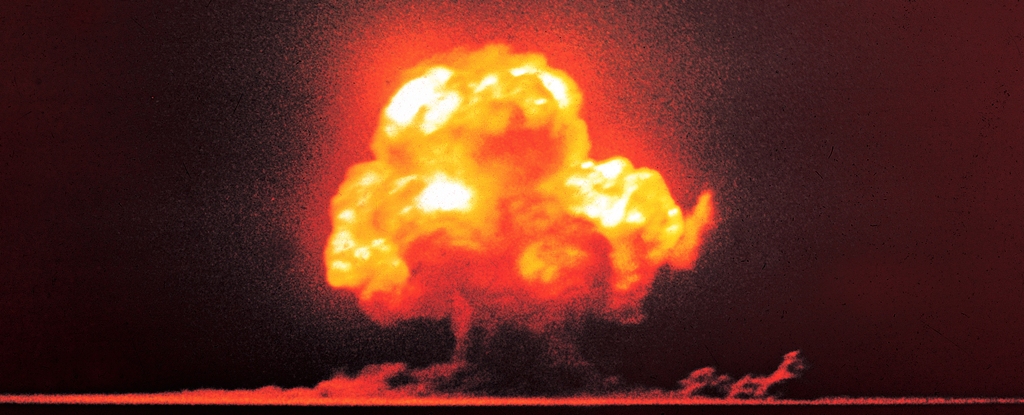
Eighty years after the first nuclear test, scientists discovered a rare quasicrystal in trinitite, formed under extreme conditions of a nuclear explosion, which could provide new insights into nuclear forensics and the formation of quasicrystals in nature.
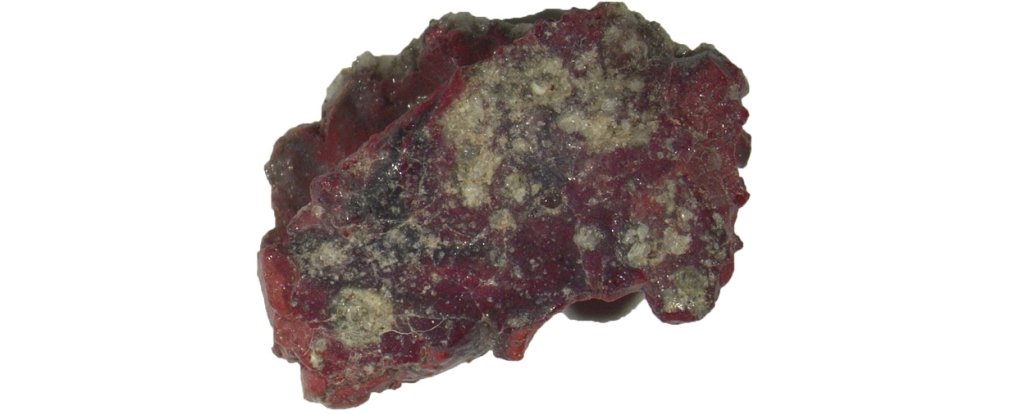
Scientists have discovered a quasicrystal, a rare form of matter once thought to be impossible, in a sample of red trinitite created during the world's first nuclear bomb test in 1945. Quasicrystals are formed in extreme environments that rarely exist on Earth and require traumatic events with extreme shock, temperature, and pressure. The discovery of this quasicrystal in trinitite could provide insights into nuclear explosions and help in understanding illicit nuclear tests. It also suggests that there may be other natural pathways for the formation of quasicrystals, such as lightning strikes and meteor impact sites. The thermodynamic properties of quasicrystals could be a valuable tool for nuclear forensics.
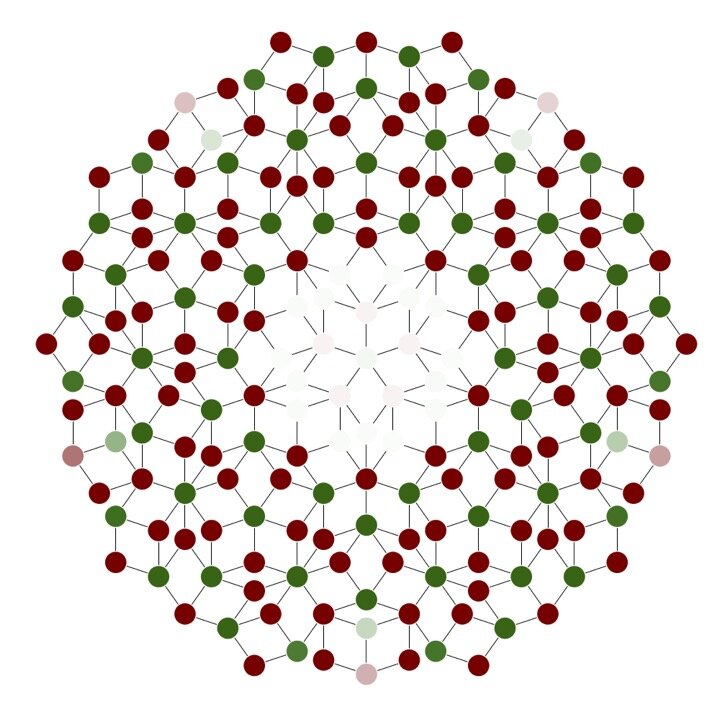
Researchers have used a D-Wave quantum annealer to design and characterize tailor-made magnetic objects using qubits, opening up a new approach to develop new materials and robust quantum computing. By applying a magnetic field to a finite set of spins, the magnetic landscape of a quasicrystal object can be morphed, offering the prospect of encoding more than one bit of information in a single object. The research demonstrated a new way to pattern magnetic states, showing that a magnetic quasicrystal lattice can host states that go beyond the zero and one bit states of classical information technology.