Tag

Quasicrystals

All articles tagged with #quasicrystals

science-and-technology1 year ago

Breakthrough Electric Field Discovery Promises Quantum Computing Advancements

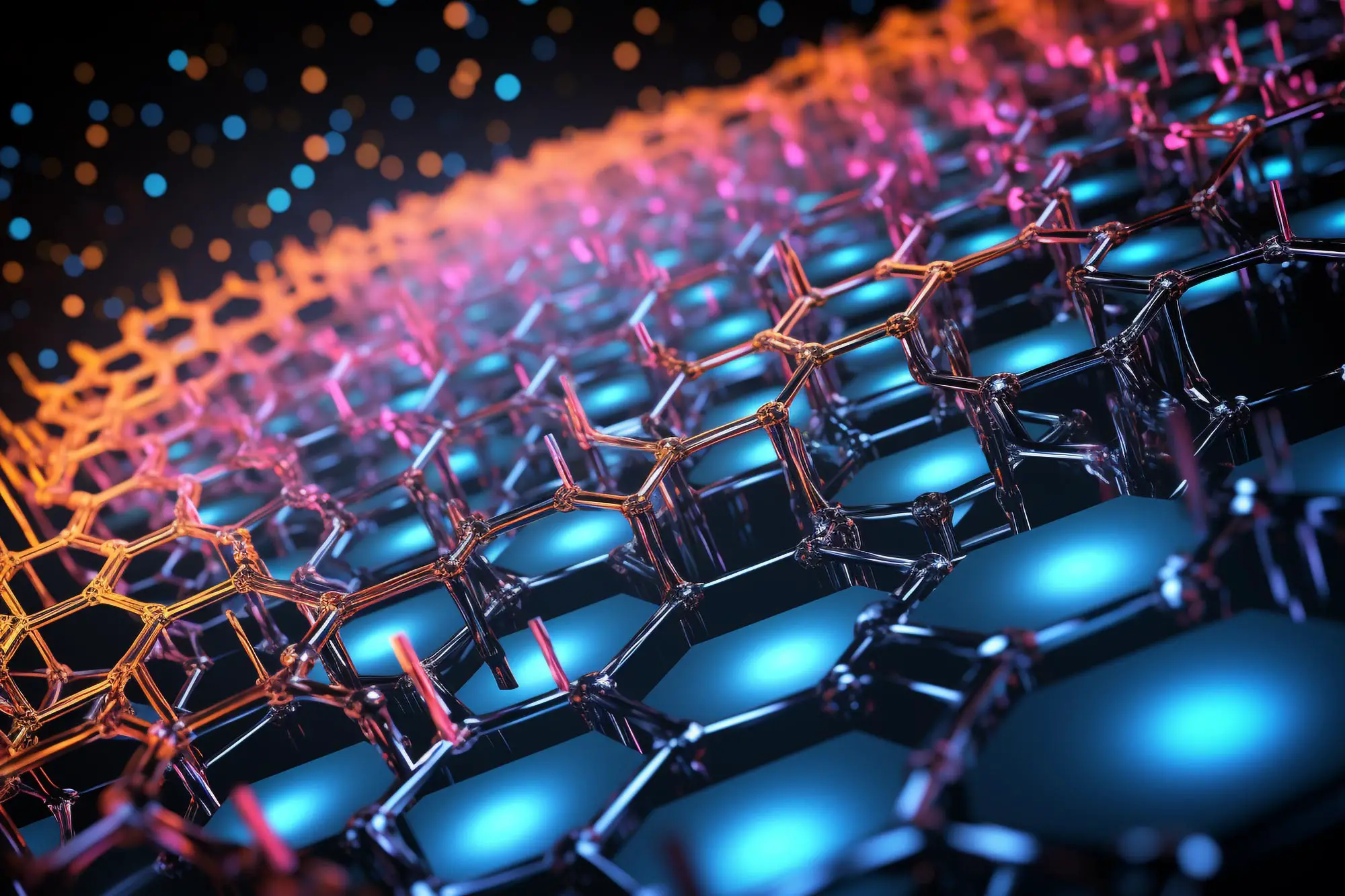
Researchers from City University of Hong Kong have discovered a new vortex electric field in twisted bilayer molybdenum disulfide, which could enhance electronic, magnetic, and optical devices. This discovery, facilitated by an innovative ice-assisted transfer technique, allows for a broad range of twist angles and could impact fields like quantum computing and spintronics. The study highlights the potential for more stable memory, faster computing, and novel optical effects, marking a significant advancement in nanotechnology and device applications.

science-and-technology1 year ago

Physicists Develop Light Hurricanes for Data Transfer

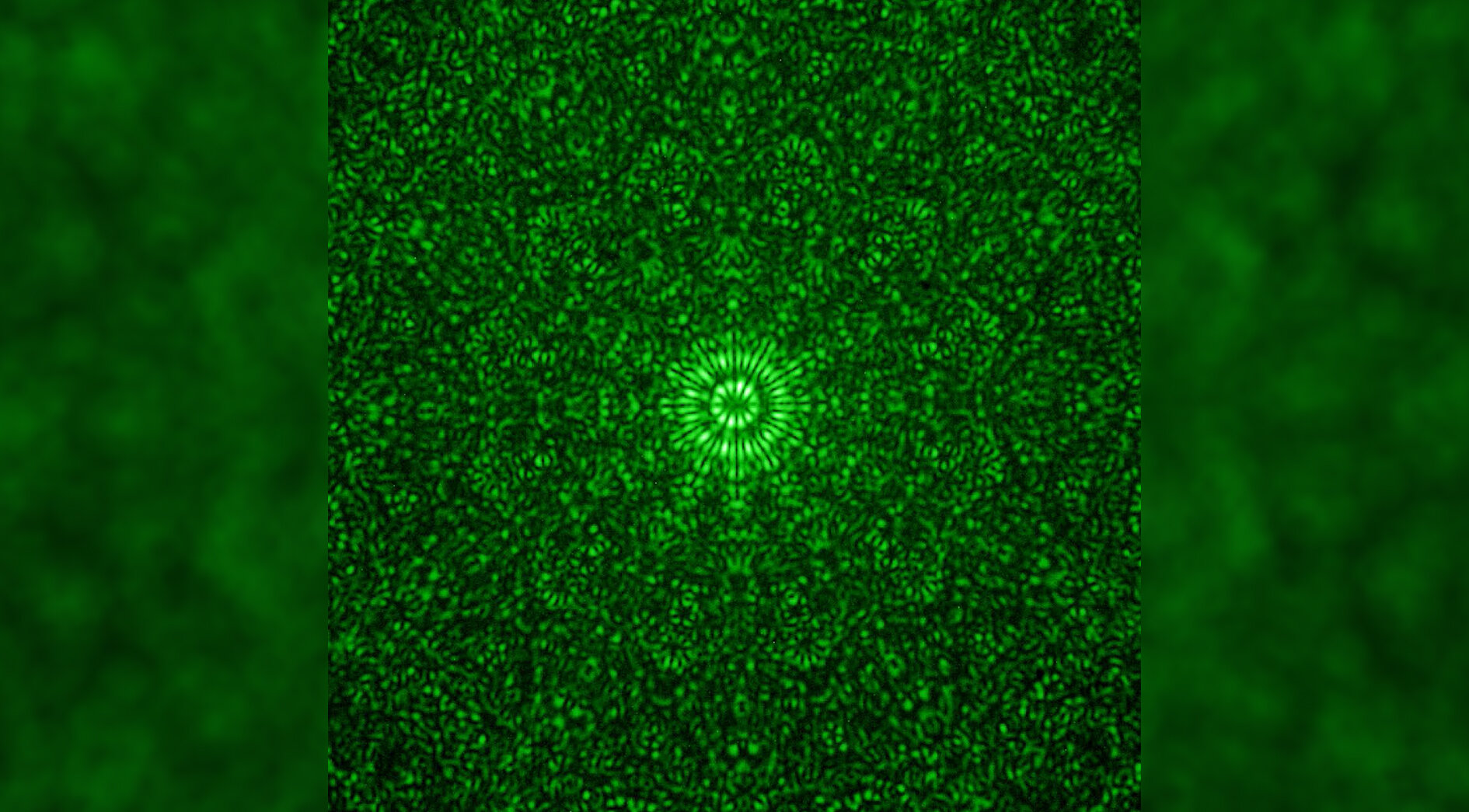
Researchers at Aalto University have developed a method to create light vortices using metallic nanoparticles arranged in quasicrystal geometries. These vortices, akin to tiny hurricanes of light, can potentially carry significantly more data through optical fibers, enhancing data transmission capabilities. The study, published in Nature Communications, explores the relationship between symmetry and vortex formation, offering a new approach to encoding information in light for telecommunications.

science-and-technology2 years ago

"DNA-Engineered Nanoparticle Quasicrystals: A Material Science Breakthrough"

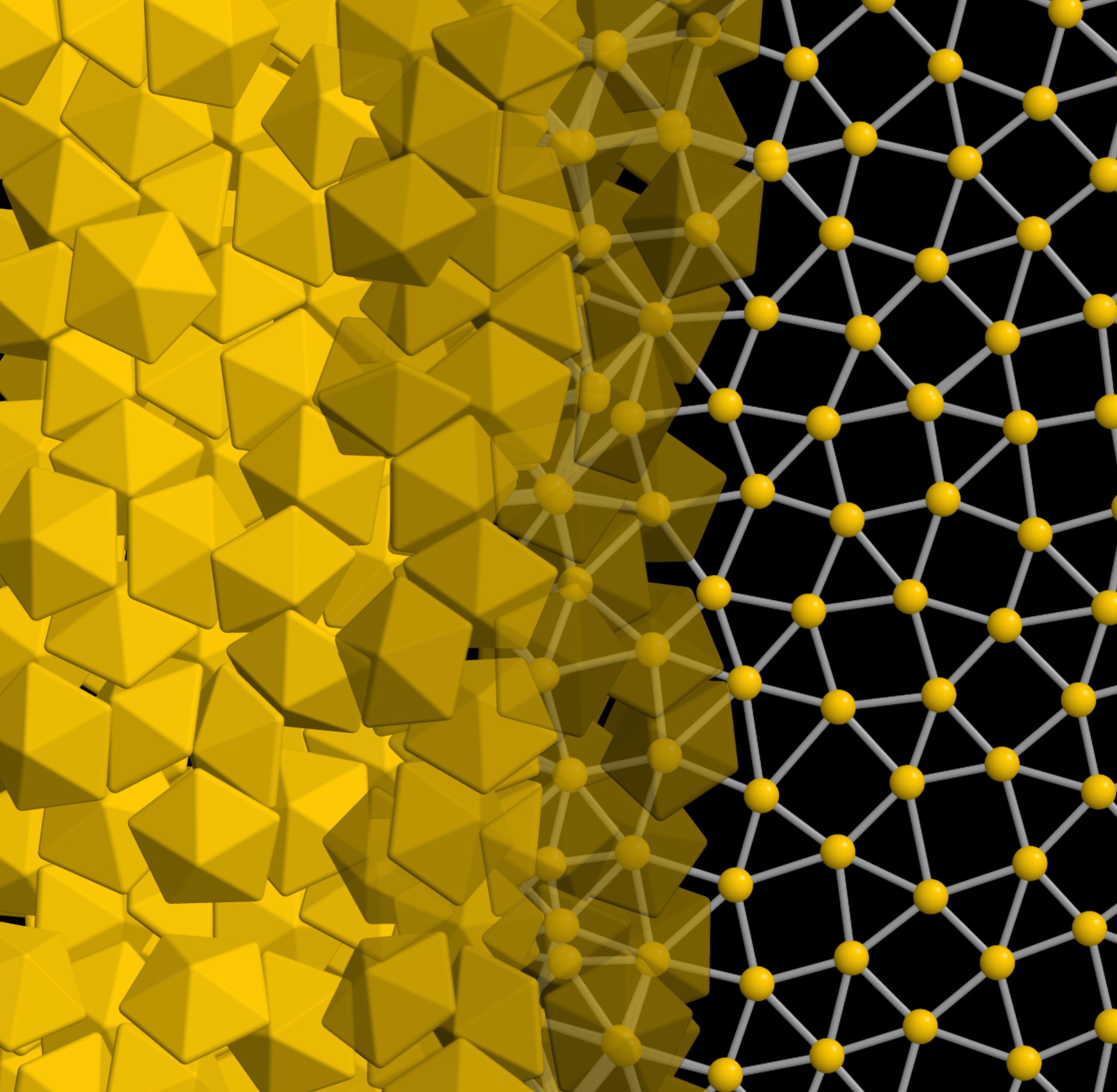
Scientists from Northwestern University, the University of Michigan, and the Center for Cooperative Research in Biomaterials have engineered a quasicrystal using DNA-assembled nanoparticles, marking a significant advancement in nanomaterial design. Quasicrystals are structures that exhibit non-repeating patterns and have unique properties such as unusual electronic behaviors and surface characteristics. The research team used DNA to program the assembly of nanoparticles into a quasicrystalline structure, confirmed by electron microscopy and X-ray scattering. This breakthrough could lead to the development of new materials with potential applications in various fields of nanotechnology. The research was supported by funding from the US Air Force Office of Scientific Research, the US Department of Energy, and Spanish scientific institutions.

science-and-technology2 years ago

MIT's Breakthrough: Quasicrystal Superconductivity Twists Physics

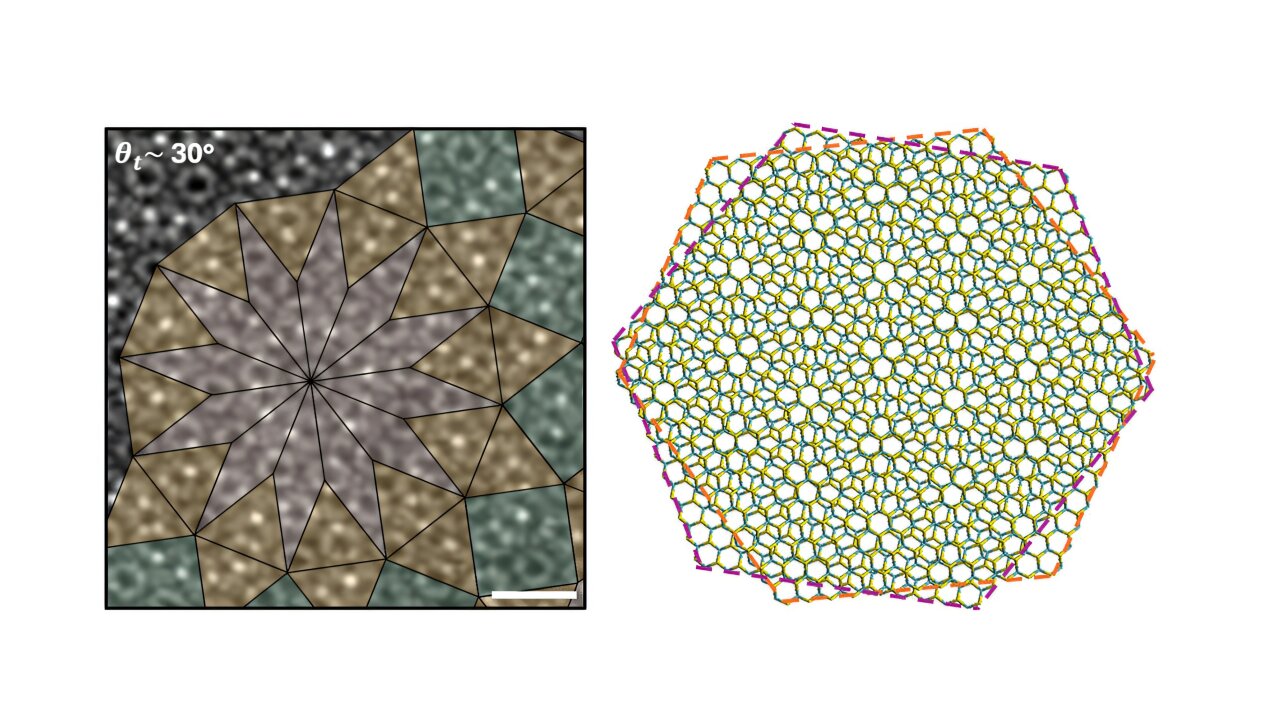
MIT researchers have discovered a new method to create atomically thin versions of quasicrystals using twistronics, a technique involving rotating layers of materials. By layering three sheets of graphene and twisting two of them at different angles, the researchers created a moiré quasicrystal, an unusual class of material with unique patterns. They found that this quasicrystal exhibited superconductivity and symmetry breaking, providing insights into the behavior of electrons and the potential for more efficient electronic devices. The research opens up new possibilities for studying quasicrystals and exploring exotic phenomena in the field of twistronics.

science-and-technology2 years ago

Expanding the Reach of Moiré Materials: New Research

Researchers have discovered that layered 2D materials, such as graphene and boron nitride, can exhibit a wide range of electron behaviors and even quasicrystal patterns when stacked at specific angles. These moiré materials have allowed scientists to observe the Hofstadter butterfly, a theoretical concept from the 1970s, in experimental data for the first time. The discovery of quasicrystals in these materials opens up new possibilities for studying electron behavior and potentially finding applications in areas such as superconductivity. Additionally, researchers have found that twisting a thin film of graphite can create a hybrid 2D-3D structure with altered electron behavior, further blurring the boundary between dimensions.

science-and-technology2 years ago

"Scientists Prove Doubters Wrong by Creating Record-Breaking Quasicrystal"

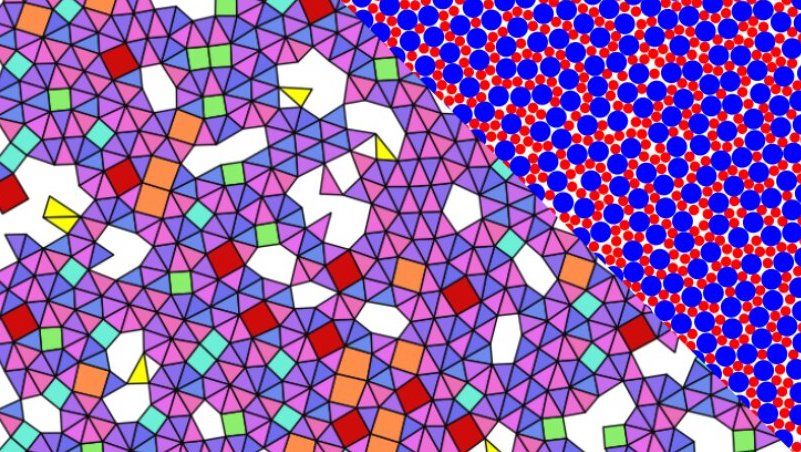
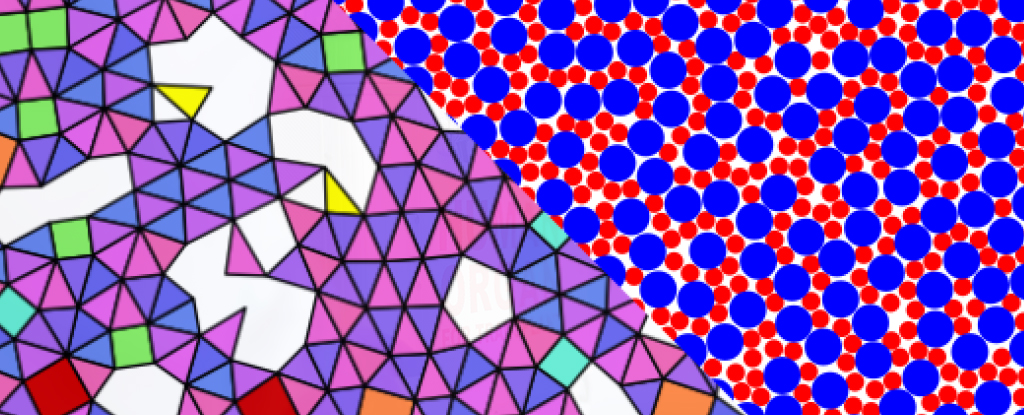
Scientists have created the largest-ever quasicrystal, a structure that was previously considered impossible, by jiggling thousands of metal beads in a tray for a week. Quasicrystals are crystals that have an ordered arrangement of atoms but do not repeat in a regular pattern. The researchers used computer simulations to determine the best types of particles to form a large quasicrystal and found that two particles should be used. The resulting quasicrystal had a tiled, non-repeating structure composed of large and small spheres. While practical applications for quasicrystals are still in the future, their unique properties could have potential uses in heat shielding, steel reinforcement, and bone repair.

science-and-technology2 years ago

Vibrating Particles Yield Bizarre New Material and Largest Quasicrystal

Physicists from the University of Paris-Saclay have observed the emergence of a quasicrystal, a combination of order and chaos, in a granular material for the first time on a millimeter-scale. The researchers used computer simulations to identify the necessary conditions for the formation of a quasicrystal and then conducted an experiment with vibrating steel spheres. The study found that small, localized configurations of differently sized spheres formed rapidly, but global alignment required rare collective rearrangements. The unexpected discovery suggests that quasicrystals can form in both atomic-scale and granular systems, opening up possibilities for applications in insulation and electronics.

science2 years ago

Mathematicians Discover Revolutionary "Einstein" Tile with Unique Properties

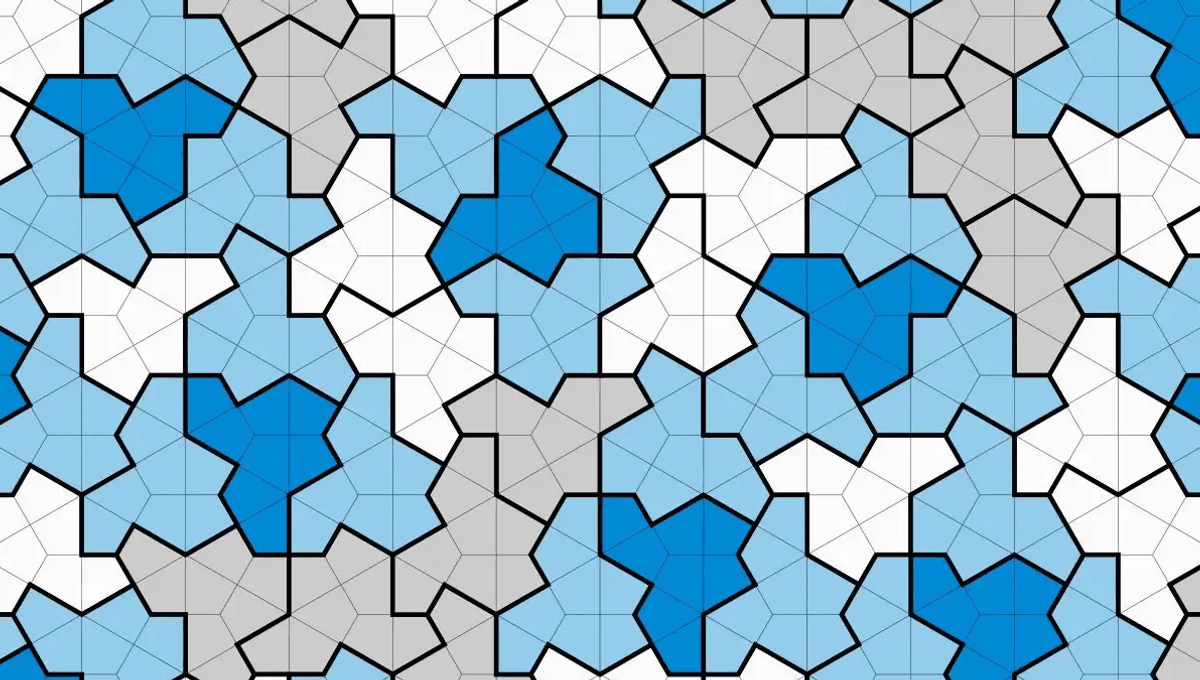
A tiny, hat-shaped polygon called the "einstein" has been discovered by a team of researchers led by nonprofessional mathematician David Smith. The shape can tessellate with itself in such a way that it can cover an infinite surface without ever creating a repeating pattern, making it the first known single-tile aperiodic tiling. Aperiodic tilings are important in the development of quasicrystals, which have found applications in everything from Kleenexes to real-life Terminator-style robots.

science2 years ago

The Atomic Origins of Trinitite Rock.

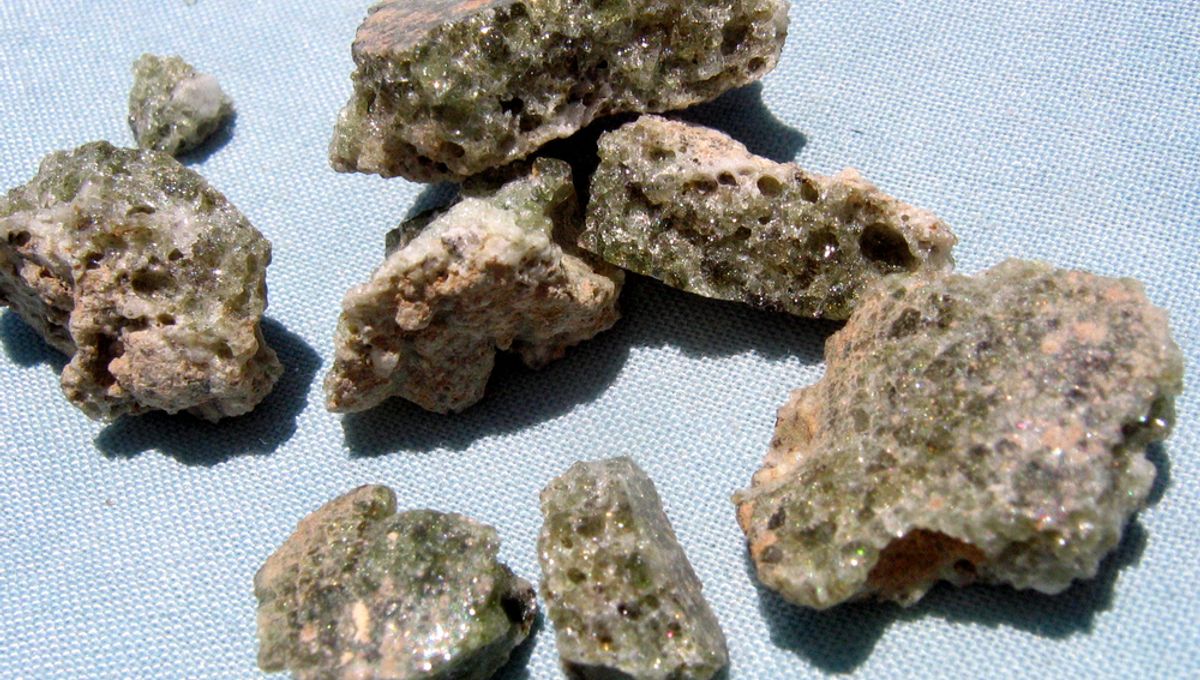
Trinitite is a green-red glass formed by sand that was melted by the heat of atomic bombs. It contains silicate dioxide, melted quartz grain, feldspar, and other minerals. Trinitite is mildly radioactive and can be used as forensic evidence to understand the composition and origin of nuclear bombs. Scientists have recently discovered that it contains "forbidden" quasicrystals, which have an unusual atomic structure not seen in typical crystals. Quasicrystals are known to be formed by meteorites and in labs, but atomic blasts also pack enough punch to create them.